Aon Achieves First Stablecoin Insurance Premium Payment
Written by Emily J. Thompson, Senior Investment Analyst
Updated: Mar 09 2026
0mins

Should l Buy AON?
Aon plc announced the first known stablecoin insurance premium payment among major global brokers, demonstrated through a successful proof of concept using trusted U.S. dollar-backed stablecoins. As part of this effort, Aon worked with the firm's clients Coinbase (COIN) and Paxos to settle premium payments for their respective insurance programs. The transactions were executed across multiple blockchain networks including USDC on Ethereum (ETH-USD) and PayPal (PYPL) on Solana, demonstrating flexibility across leading stablecoins, blockchains and counterparties.
Trade with 70% Backtested Accuracy
Stop guessing "Should I Buy AON?" and start using high-conviction signals backed by rigorous historical data.
Sign up today to access powerful investing tools and make smarter, data-driven decisions.
Analyst Views on AON
Wall Street analysts forecast AON stock price to rise
16 Analyst Rating
11 Buy
4 Hold
1 Sell
Moderate Buy
Current: 322.780

Low
326.00
Averages
396.67
High
443.00
Current: 322.780
Low
326.00
Averages
396.67
High
443.00
About AON
Aon PLC is a global professional services company. The Company’s segments include Risk Capital and Human Capital. The Risk Capital segment supports clients through its Commercial Risk and Reinsurance solution lines. Commercial Risk includes insurance and specialty brokerage, global risk consulting, captives’ management, and Affinity programs. Reinsurance includes treaty reinsurance, facultative reinsurance, strategy and technology Group, and capital markets. The Human Capital segment supports clients through its Health solution. Health includes consulting and brokerage, consumer benefits solutions, and talent advisory services. It also provides retirement consulting. Treaty reinsurance addresses underwriting and capital objectives on a portfolio level, allowing its clients to manage the combination of premium growth, return on capital, and rating agency interests on an integrated basis.
About the author

Emily J. Thompson
Emily J. Thompson, a Chartered Financial Analyst (CFA) with 12 years in investment research, graduated with honors from the Wharton School. Specializing in industrial and technology stocks, she provides in-depth analysis for Intellectia’s earnings and market brief reports.

Myriad Expands Executive Advisory Board to Over 30 Leaders


- Board Expansion: Myriad Venture Partners has expanded its Executive Advisory Board to over 30 senior leaders from Fortune 500 and global enterprises, significantly enhancing the firm's influence in the enterprise AI and B2B software sectors.
- New Members: The new executives include leaders from GSK, Mastercard, Harley-Davidson, Meta, and Oracle, whose extensive experience will help Myriad better meet enterprise demands and accelerate product development.
- Significant Business Outcomes: Since inception, Myriad's enterprise network has facilitated over 900 commercial introductions and 70 proof-of-concept (POC) projects, resulting in 24 commercial contracts, demonstrating its effectiveness in fostering collaboration between startups and large enterprises.
- Strong Investment Growth: Myriad's portfolio companies have raised over $932 million since inception, including $223 million in 2025 alone, indicating robust growth potential in the early-stage enterprise AI sector.
See More
Aon Announces Leadership Transition in North America

- Executive Transition: Aon has announced the transition of the North America CEO role from Lori Goltermann to Anne Corona, who will enhance client service capabilities and strengthen market competitiveness in the region.
- Strategic Leadership: Anne Corona brings over 25 years of experience at Aon, previously serving as CEO of Enterprise Clients, and is expected to improve client satisfaction and business outcomes through integrated solutions.
- Long-term Development: Goltermann will assume the role of Vice Chair of Aon effective March 31, 2026, continuing to provide strategic guidance focused on Human Capital and Risk Capital, ensuring sustainable growth amid evolving market conditions.
- New CEO Responsibilities: Farheen Dam has been appointed as CEO of Enterprise Clients, tasked with driving the strategic direction of the Enterprise Client Group, and is expected to address complex market challenges through innovative, market-leading solutions.
See More

VIPR Partners with Aon for Multi-Year Automation Engagement
- Intelligent Automation Partnership: VIPR Solutions has entered into a multi-year engagement with Aon plc to enhance delegated authority operations across Aon's global reinsurance platform, which is expected to significantly improve data accuracy and speed to market.
- Operational Transparency Enhancement: Through intelligent automation of bordereaux management, data analytics, and coverholder administration, VIPR's technology will enable Aon to scale its operations while maintaining the clarity and control essential to its clients, thereby enhancing client trust.
- Strengthened Industry Leadership: This collaboration positions VIPR as a trusted technology partner for four of the world's top ten (re)insurance brokers, further solidifying its market position in delegated authority technology.
- Enhanced Client Value: Aon's Chief Product Officer Bob Olson stated that this partnership will drive better decision-making and client value, reflecting the importance leading global brokers place on intelligent automation to achieve operational excellence.
See More

Concerns Rise Over Oil Tanker Sinking Risks in Gulf

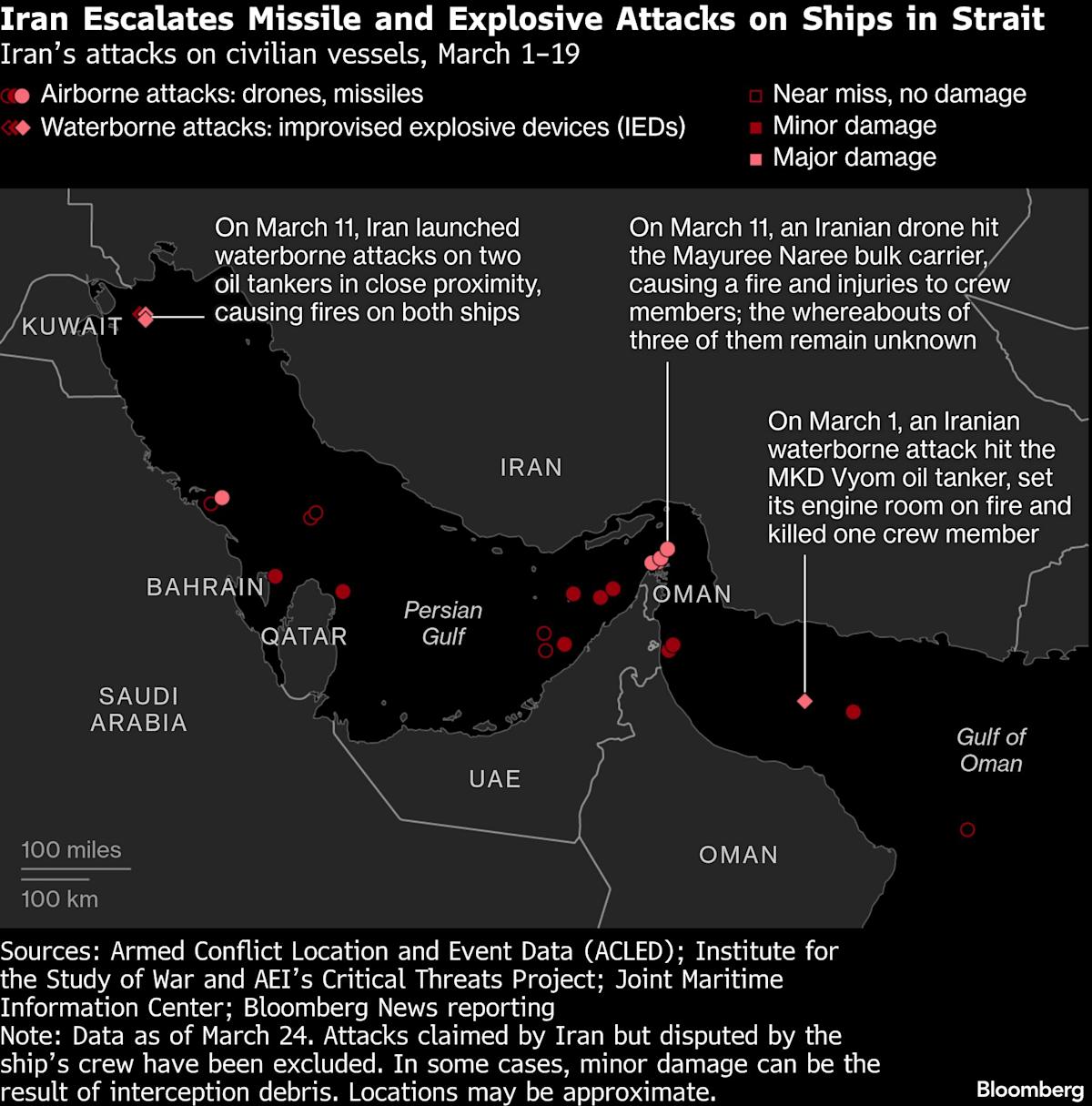
- Environmental Catastrophe Risk: Global insurers and shipping companies are alarmed by the potential environmental disaster from an oil tanker sinking in the Persian Gulf, particularly given the region's lack of advanced cleanup technology, which could lead to severe ecological damage and economic losses.
- Surging Insurance Costs: Amid missile threats, shipping companies are facing insurance costs for hull, machinery, and cargo that have surged to 4-6 times previous rates, indicating the market's heightened sensitivity to potential risks, which could impact profitability in the shipping industry.
- Government Support Commitment: President Trump's commitment to insure tankers and facilitate commerce has somewhat alleviated market concerns, yet the current $20 billion reinsurance facility only covers hull and cargo, excluding essential pollution risk coverage.
- Lack of Response Mechanism: The absence of insurance support for environmental risks may continue to obstruct commerce in the Persian Gulf, reminiscent of the terrorism risk faced by the U.S. post-9/11, highlighting the urgent need for effective risk management frameworks.
See More
Aon Completes First Stablecoin Insurance Payment

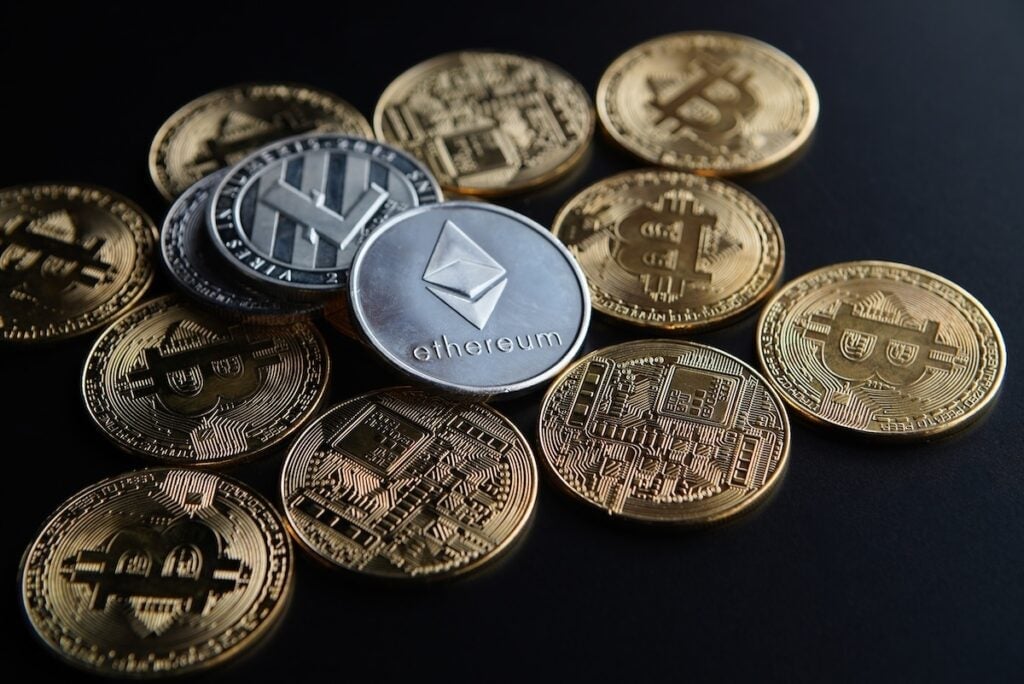
- Stablecoin Insurance Payment Innovation: Aon collaborates with Coinbase and Paxos to complete the first stablecoin insurance premium payment using USDC on Ethereum and PayPal USD on Solana, showcasing flexibility and innovation across multiple blockchain networks.
- Regulatory Framework Support: The passage of the GENIUS Act in 2025 established a federal framework for stablecoins, creating conditions for broader adoption by combining client demand with digital-first financial models, thus driving the digital transformation of the insurance industry.
- Infrastructure Advantage: Coinbase and Paxos emphasize that by settling insurance premiums using stablecoins, Aon can accelerate its financial operations, enhancing transparency and scalability, which better aligns capital movement with risk transfer.
- Long-Term Potential Outlook: Aon's Treasurer acknowledges that while broader adoption across corporate payments is still emerging, this innovation lays the groundwork for future efficiency and cost-saving opportunities, reflecting the company's ongoing commitment to digital asset risk management.
See More

Aon Completes First Stablecoin Insurance Payment Pilot
- Stablecoin Payment Innovation: Aon announced the successful completion of the first stablecoin insurance premium payment pilot among major global brokers in collaboration with Coinbase and Paxos, marking a significant step towards the insurance industry's transition to digital assets.
- Multi-Chain Transaction Execution: The transactions utilized U.S. dollar-backed stablecoins across multiple blockchain networks, including USDC on Ethereum and PayPal USD (PYUSD) on Solana, showcasing the potential application of blockchain technology in insurance payments.
- Digital Asset Practice Leadership: Led by Aon's digital asset practice, this initiative aims to evaluate how regulated stablecoin settlements could gradually integrate into insurance services, reflecting the company's forward-looking approach to future fintech trends.
- Regulatory Support Context: The pilot's launch is closely tied to recent U.S. regulatory developments, particularly the passage of the GENIUS Act in 2025, which established a federal framework for stablecoins, further driving the digital transformation of the insurance sector.
See More
Myriad Expands Executive Advisory Board to Over 30 Leaders
- Board Expansion: Myriad Venture Partners has expanded its Executive Advisory Board to over 30 senior leaders from Fortune 500 and global enterprises, significantly enhancing the firm's influence in the enterprise AI and B2B software sectors.
- New Members: The new executives include leaders from GSK, Mastercard, Harley-Davidson, Meta, and Oracle, whose extensive experience will help Myriad better meet enterprise demands and accelerate product development.
- Significant Business Outcomes: Since inception, Myriad's enterprise network has facilitated over 900 commercial introductions and 70 proof-of-concept (POC) projects, resulting in 24 commercial contracts, demonstrating its effectiveness in fostering collaboration between startups and large enterprises.
- Strong Investment Growth: Myriad's portfolio companies have raised over $932 million since inception, including $223 million in 2025 alone, indicating robust growth potential in the early-stage enterprise AI sector.
See More
Aon Announces Leadership Transition in North America
- Executive Transition: Aon has announced the transition of the North America CEO role from Lori Goltermann to Anne Corona, who will enhance client service capabilities and strengthen market competitiveness in the region.
- Strategic Leadership: Anne Corona brings over 25 years of experience at Aon, previously serving as CEO of Enterprise Clients, and is expected to improve client satisfaction and business outcomes through integrated solutions.
- Long-term Development: Goltermann will assume the role of Vice Chair of Aon effective March 31, 2026, continuing to provide strategic guidance focused on Human Capital and Risk Capital, ensuring sustainable growth amid evolving market conditions.
- New CEO Responsibilities: Farheen Dam has been appointed as CEO of Enterprise Clients, tasked with driving the strategic direction of the Enterprise Client Group, and is expected to address complex market challenges through innovative, market-leading solutions.
See More
VIPR Partners with Aon for Multi-Year Automation Engagement
- Intelligent Automation Partnership: VIPR Solutions has entered into a multi-year engagement with Aon plc to enhance delegated authority operations across Aon's global reinsurance platform, which is expected to significantly improve data accuracy and speed to market.
- Operational Transparency Enhancement: Through intelligent automation of bordereaux management, data analytics, and coverholder administration, VIPR's technology will enable Aon to scale its operations while maintaining the clarity and control essential to its clients, thereby enhancing client trust.
- Strengthened Industry Leadership: This collaboration positions VIPR as a trusted technology partner for four of the world's top ten (re)insurance brokers, further solidifying its market position in delegated authority technology.
- Enhanced Client Value: Aon's Chief Product Officer Bob Olson stated that this partnership will drive better decision-making and client value, reflecting the importance leading global brokers place on intelligent automation to achieve operational excellence.
See More
Concerns Rise Over Oil Tanker Sinking Risks in Gulf
- Environmental Catastrophe Risk: Global insurers and shipping companies are alarmed by the potential environmental disaster from an oil tanker sinking in the Persian Gulf, particularly given the region's lack of advanced cleanup technology, which could lead to severe ecological damage and economic losses.
- Surging Insurance Costs: Amid missile threats, shipping companies are facing insurance costs for hull, machinery, and cargo that have surged to 4-6 times previous rates, indicating the market's heightened sensitivity to potential risks, which could impact profitability in the shipping industry.
- Government Support Commitment: President Trump's commitment to insure tankers and facilitate commerce has somewhat alleviated market concerns, yet the current $20 billion reinsurance facility only covers hull and cargo, excluding essential pollution risk coverage.
- Lack of Response Mechanism: The absence of insurance support for environmental risks may continue to obstruct commerce in the Persian Gulf, reminiscent of the terrorism risk faced by the U.S. post-9/11, highlighting the urgent need for effective risk management frameworks.
See More
Aon Completes First Stablecoin Insurance Payment
- Stablecoin Insurance Payment Innovation: Aon collaborates with Coinbase and Paxos to complete the first stablecoin insurance premium payment using USDC on Ethereum and PayPal USD on Solana, showcasing flexibility and innovation across multiple blockchain networks.
- Regulatory Framework Support: The passage of the GENIUS Act in 2025 established a federal framework for stablecoins, creating conditions for broader adoption by combining client demand with digital-first financial models, thus driving the digital transformation of the insurance industry.
- Infrastructure Advantage: Coinbase and Paxos emphasize that by settling insurance premiums using stablecoins, Aon can accelerate its financial operations, enhancing transparency and scalability, which better aligns capital movement with risk transfer.
- Long-Term Potential Outlook: Aon's Treasurer acknowledges that while broader adoption across corporate payments is still emerging, this innovation lays the groundwork for future efficiency and cost-saving opportunities, reflecting the company's ongoing commitment to digital asset risk management.
See More
Aon Completes First Stablecoin Insurance Payment Pilot
- Stablecoin Payment Innovation: Aon announced the successful completion of the first stablecoin insurance premium payment pilot among major global brokers in collaboration with Coinbase and Paxos, marking a significant step towards the insurance industry's transition to digital assets.
- Multi-Chain Transaction Execution: The transactions utilized U.S. dollar-backed stablecoins across multiple blockchain networks, including USDC on Ethereum and PayPal USD (PYUSD) on Solana, showcasing the potential application of blockchain technology in insurance payments.
- Digital Asset Practice Leadership: Led by Aon's digital asset practice, this initiative aims to evaluate how regulated stablecoin settlements could gradually integrate into insurance services, reflecting the company's forward-looking approach to future fintech trends.
- Regulatory Support Context: The pilot's launch is closely tied to recent U.S. regulatory developments, particularly the passage of the GENIUS Act in 2025, which established a federal framework for stablecoins, further driving the digital transformation of the insurance sector.
See More