Anthropic Set to Offer European Banks Access to Mythos AI Model Soon, According to Sources
Written by Emily J. Thompson, Senior Investment Analyst
Updated: 1 day ago
0mins

Source: moomoo
- Anthropic's Plans: Anthropic is set to provide access to its AI model, MythoS, to European banks.
- Focus on Compliance: The initiative aims to ensure that European financial institutions can utilize advanced AI technology while adhering to regulatory standards.
Trade with 70% Backtested Accuracy
Stop guessing "Should I Buy GS?" and start using high-conviction signals backed by rigorous historical data.
Sign up today to access powerful investing tools and make smarter, data-driven decisions.
Analyst Views on GS
Wall Street analysts forecast GS stock price to rise
12 Analyst Rating
5 Buy
7 Hold
0 Sell
Moderate Buy
Current: 926.550

Low
604.00
Averages
951.45
High
1100
Current: 926.550
Low
604.00
Averages
951.45
High
1100
About GS
The Goldman Sachs Group, Inc. is a global financial institution that delivers a range of financial services to a large and diversified client base that includes corporations, financial institutions, governments and individuals. Its segments include Global Banking & Markets, Asset & Wealth Management and Platform Solutions. The Global Banking & Markets segment offers a range of services, including financing, advisory services, risk distribution, and hedging for its institutional and corporate clients. It facilitates client transactions and makes markets in fixed income, equity, currency and commodity products. The Asset & Wealth Management segment manages assets and offers investment products across all asset classes to a diverse set of clients. It also provides investing and wealth advisory solutions. The Platform Solutions segment includes consumer platforms, such as partnerships offering credit cards and point-of-sale financing, and transaction banking and other platform businesses.
About the author

Emily J. Thompson
Emily J. Thompson, a Chartered Financial Analyst (CFA) with 12 years in investment research, graduated with honors from the Wharton School. Specializing in industrial and technology stocks, she provides in-depth analysis for Intellectia’s earnings and market brief reports.

Current CD Rates Exceed National Averages

- Rate Trends: Following three interest rate cuts by the Federal Reserve in 2025, current CD rates remain above the national average, with the highest rate at 4.05% offered by Marcus by Goldman Sachs, indicating strong demand for locking in high rates.
- Competitive Edge: Compared to the national average CD rate of 1.52%, today's rates are among the highest seen in nearly two decades, reflecting the Fed's strategy to combat inflation by maintaining elevated interest rates, thus attracting more deposits.
- Online Bank Advantage: Online banks typically offer more competitive CD rates due to lower overhead costs, making them the preferred choice for depositors seeking higher yields, which further intensifies market rate competition.
- Selection Strategy: When considering a CD, investors are advised to compare rates from various financial institutions, pay attention to minimum deposit requirements, and review account terms to ensure they secure the best rates and flexibility, especially with options like no-penalty CDs.
See More

Manhattan Associates Reports Strong Cloud Revenue Growth and AI Strategy Advancements

- Cloud Revenue Surge: Manhattan Associates reported a cloud revenue growth acceleration to 24.2%, up from 20% in the previous quarter, indicating significant progress in its transformation and expected to drive future revenue growth.
- Future Obligations Rise: The company's future obligations (RPO) increased by 24%, reflecting strong ongoing demand for its cloud services, which enhances its competitive position in the market.
- New Client Contributions: 55% of new bookings came from new clients, demonstrating Manhattan's success in attracting new business, further solidifying its market position and driving overall sales growth.
- AI Strategy Implementation: The company has seen initial successes in building and deploying its AI platform, and with ongoing technological advancements, it is expected to provide new momentum for future business growth.
See More

Goldman Sachs Leads North America M&A Advisers by Value in Q1 2026

- M&A Advisory Ranking: According to GlobalData's latest league table, Goldman Sachs emerged as the leading M&A adviser in North America for Q1 2026, advising on transactions worth a total of $189 billion, showcasing its significant market influence.
- Deal Volume Comparison: While Houlihan Lokey led by number of mandates with 56 deals, Goldman Sachs closely followed with 33 deals, indicating its strength in high-value transactions, particularly in large-scale deals.
- Significant Growth Rate: Goldman Sachs experienced a remarkable 60.8% increase in total deal value in Q1 2026 compared to the same period in 2025, which not only improved its ranking by value but also reflected its growing competitiveness in the market.
- Participation in Mega Deals: In this quarter, Goldman Sachs was involved in 18 billion-dollar deals, including five mega deals valued over $10 billion, significantly boosting its performance and reinforcing its position as a top adviser in high-stakes transactions.
See More
Best Buy Appoints New CEO to Drive Growth

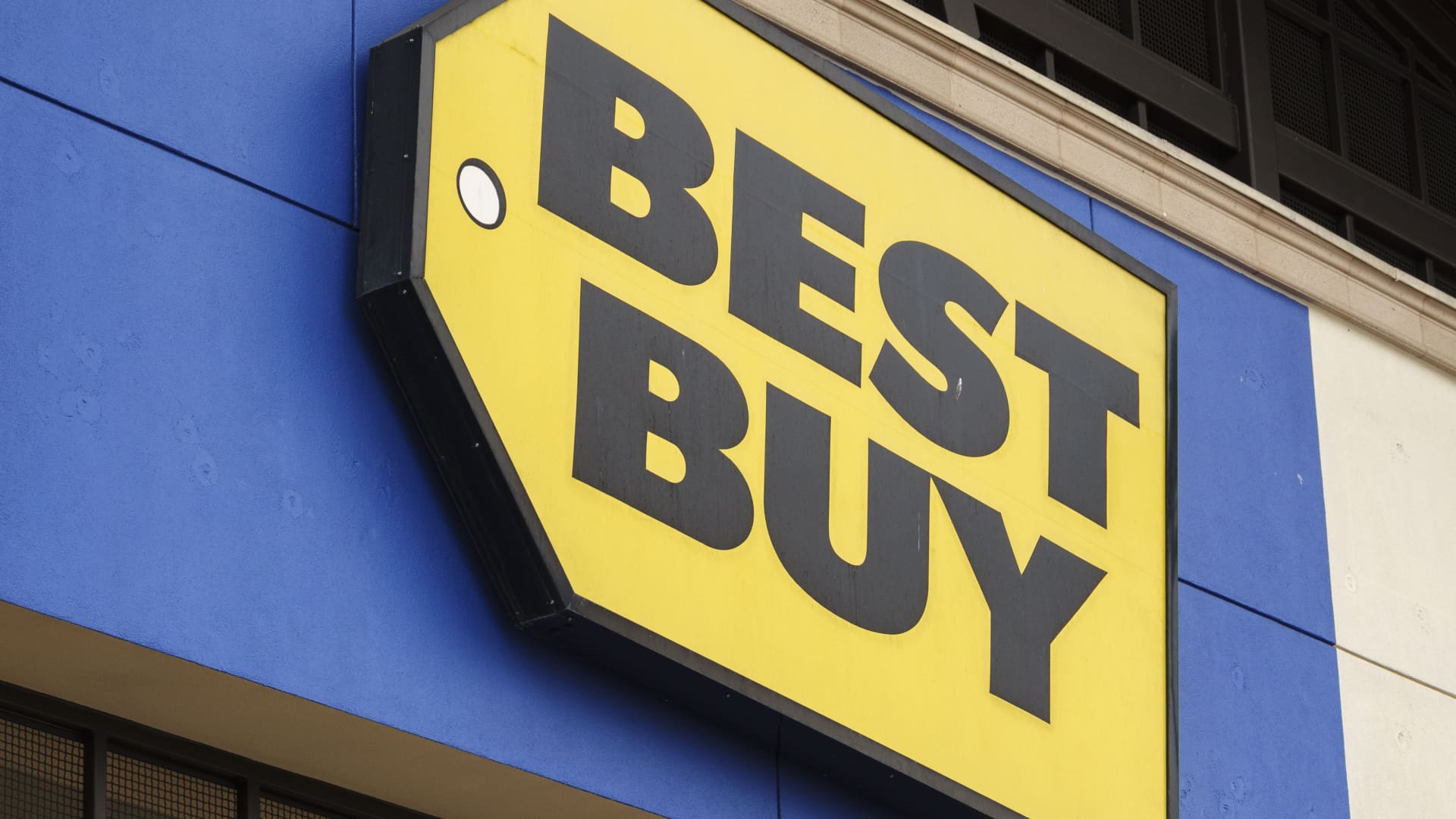
- Leadership Change: Best Buy announced that company veteran Jason Bonfig will succeed Corie Barry as CEO on October 31, aiming to break a streak of stagnant sales and enhance company performance.
- Sales Outlook: Best Buy expects revenue for the fiscal year to range between $41.2 billion and $42.1 billion, slightly down from last year's $41.69 billion, indicating challenges amid price-sensitive consumers and intensified market competition.
- Market Reaction: Although Best Buy's stock has risen about 7% over the past year, it remains lackluster compared to the S&P 500's 37% gain, reflecting investor skepticism regarding the company's future growth prospects.
- Strategic Direction: Bonfig, who previously oversaw customer, product, and fulfillment operations, launched the third-party marketplace and is expected to leverage his innovative ideas and urgency to accelerate business growth and enhance shareholder value.
See More
Trump Announces Extension of Ceasefire with Iran

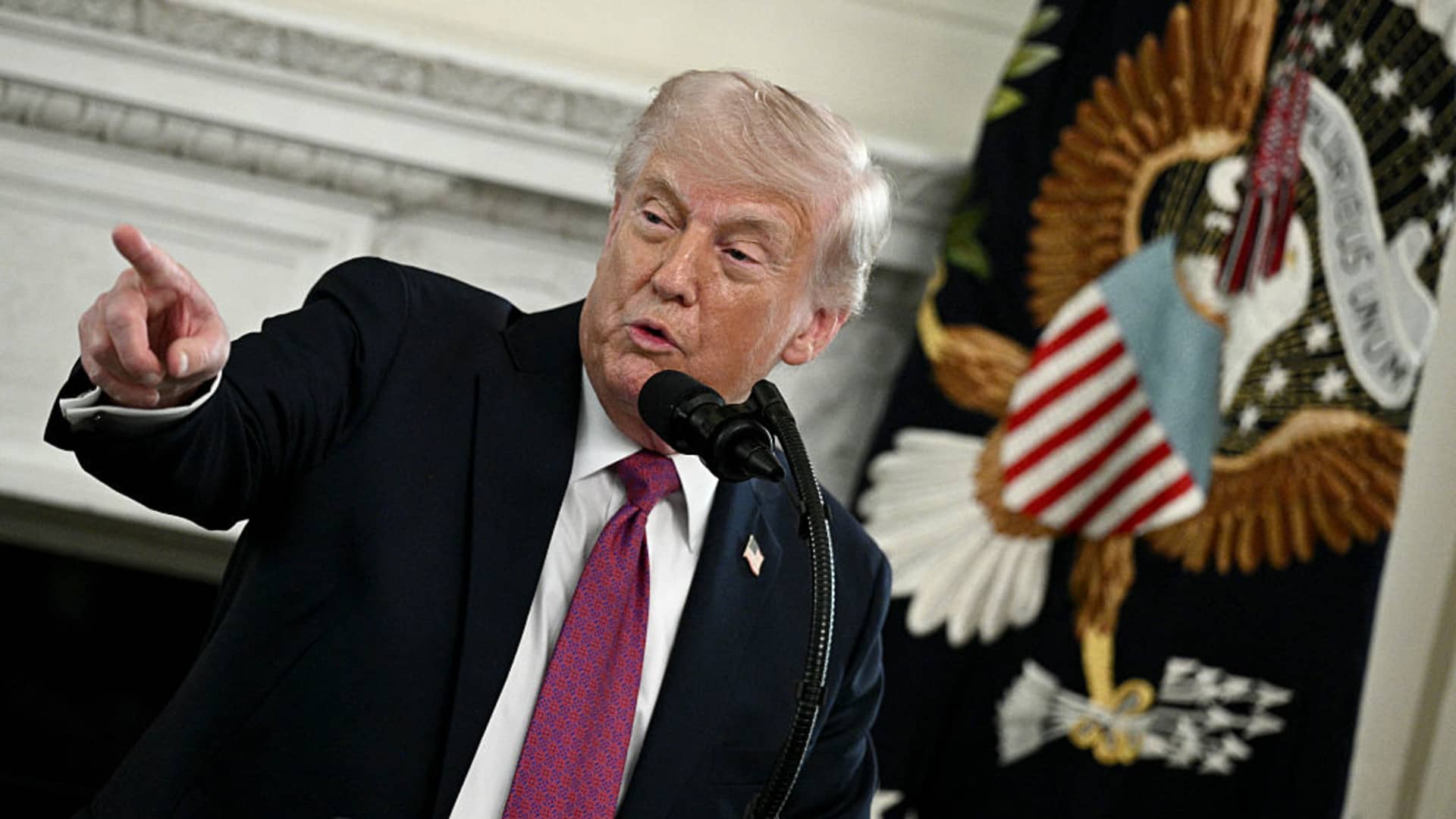
- Market Reaction Muted: Trump's announcement of the ceasefire extension with Iran alleviated concerns over potential U.S. strikes, yet investors reacted with indifference, as Asian stocks showed mixed results while European markets edged higher, indicating a gradual market adaptation to geopolitical risks.
- Oil Price Volatility: Following Trump's announcement, international benchmark Brent crude and U.S. West Texas Intermediate futures fluctuated, trading at $99.81 and $90.86 per barrel respectively, reflecting elevated prices while market expectations for future oil prices begin to shift back to fundamentals.
- Global Equities Rebound: Global equity markets have reclaimed pre-war levels, with the MSCI World Index rebounding to nearly 2% above its March 2 close, suggesting that investors are unwinding geopolitical risk hedges as the conflict remains unresolved.
- Inventory Pressure Intensifies: Despite the ceasefire extension, the outlook for further peace negotiations remains uncertain, with analysts noting that global inventories will continue to draw down, predicting Brent crude prices hovering around $80 per barrel by year-end, posing greater challenges for policymakers.
See More
Trump Extends Iran Ceasefire Deadline Amid Market Uncertainty


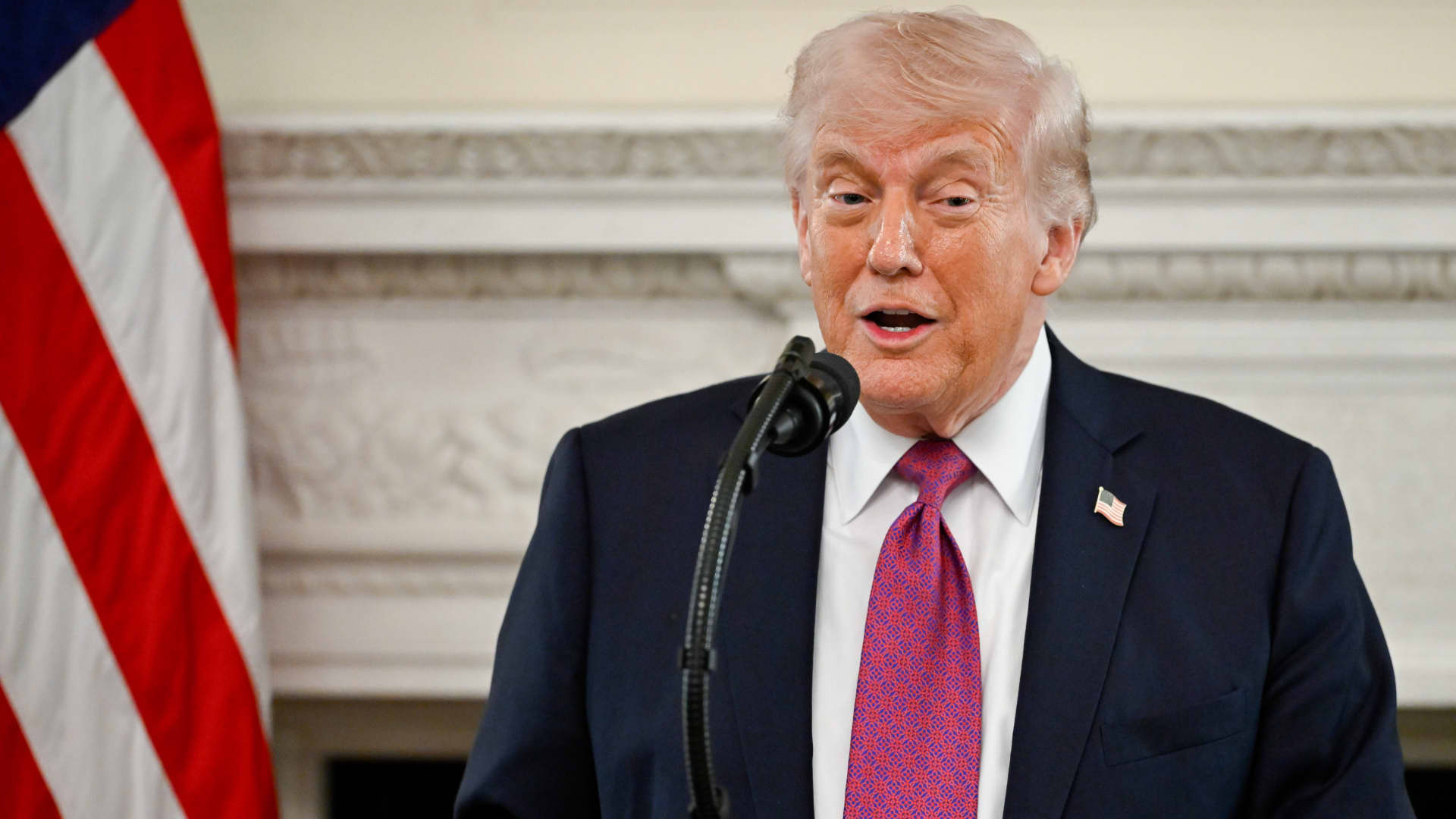
- Ceasefire Extension: President Trump has extended the Iran ceasefire deadline by two weeks, a move that may exacerbate uncertainty in the Middle East conflict as Tehran shows reluctance to engage in diplomatic efforts, potentially impacting global market sentiment.
- Tariff Policy Impact: Trump expressed hope that U.S. companies that have not sought refunds for his tariffs will adhere to a 'no take back' policy, despite the Supreme Court ruling the tariffs illegal; major firms like Apple and Amazon have yet to file for refunds, which could affect their future financial performance.
- Market Reaction: Following Trump's announcement of the ceasefire extension, U.S. stock index futures rose, despite a lower close on Tuesday, while crude oil prices increased, indicating market sensitivity to developments in the Middle East.
- Aviation Industry Outlook: United Airlines has slashed its 2026 earnings outlook due to supply chain issues stemming from the Middle East conflict, reflecting the direct impact of soaring fuel prices on the airline industry and potentially leading to broader industry adjustments.
See More
Current CD Rates Exceed National Averages
- Rate Trends: Following three interest rate cuts by the Federal Reserve in 2025, current CD rates remain above the national average, with the highest rate at 4.05% offered by Marcus by Goldman Sachs, indicating strong demand for locking in high rates.
- Competitive Edge: Compared to the national average CD rate of 1.52%, today's rates are among the highest seen in nearly two decades, reflecting the Fed's strategy to combat inflation by maintaining elevated interest rates, thus attracting more deposits.
- Online Bank Advantage: Online banks typically offer more competitive CD rates due to lower overhead costs, making them the preferred choice for depositors seeking higher yields, which further intensifies market rate competition.
- Selection Strategy: When considering a CD, investors are advised to compare rates from various financial institutions, pay attention to minimum deposit requirements, and review account terms to ensure they secure the best rates and flexibility, especially with options like no-penalty CDs.
See More
Manhattan Associates Reports Strong Cloud Revenue Growth and AI Strategy Advancements
- Cloud Revenue Surge: Manhattan Associates reported a cloud revenue growth acceleration to 24.2%, up from 20% in the previous quarter, indicating significant progress in its transformation and expected to drive future revenue growth.
- Future Obligations Rise: The company's future obligations (RPO) increased by 24%, reflecting strong ongoing demand for its cloud services, which enhances its competitive position in the market.
- New Client Contributions: 55% of new bookings came from new clients, demonstrating Manhattan's success in attracting new business, further solidifying its market position and driving overall sales growth.
- AI Strategy Implementation: The company has seen initial successes in building and deploying its AI platform, and with ongoing technological advancements, it is expected to provide new momentum for future business growth.
See More
Goldman Sachs Leads North America M&A Advisers by Value in Q1 2026
- M&A Advisory Ranking: According to GlobalData's latest league table, Goldman Sachs emerged as the leading M&A adviser in North America for Q1 2026, advising on transactions worth a total of $189 billion, showcasing its significant market influence.
- Deal Volume Comparison: While Houlihan Lokey led by number of mandates with 56 deals, Goldman Sachs closely followed with 33 deals, indicating its strength in high-value transactions, particularly in large-scale deals.
- Significant Growth Rate: Goldman Sachs experienced a remarkable 60.8% increase in total deal value in Q1 2026 compared to the same period in 2025, which not only improved its ranking by value but also reflected its growing competitiveness in the market.
- Participation in Mega Deals: In this quarter, Goldman Sachs was involved in 18 billion-dollar deals, including five mega deals valued over $10 billion, significantly boosting its performance and reinforcing its position as a top adviser in high-stakes transactions.
See More
Best Buy Appoints New CEO to Drive Growth
- Leadership Change: Best Buy announced that company veteran Jason Bonfig will succeed Corie Barry as CEO on October 31, aiming to break a streak of stagnant sales and enhance company performance.
- Sales Outlook: Best Buy expects revenue for the fiscal year to range between $41.2 billion and $42.1 billion, slightly down from last year's $41.69 billion, indicating challenges amid price-sensitive consumers and intensified market competition.
- Market Reaction: Although Best Buy's stock has risen about 7% over the past year, it remains lackluster compared to the S&P 500's 37% gain, reflecting investor skepticism regarding the company's future growth prospects.
- Strategic Direction: Bonfig, who previously oversaw customer, product, and fulfillment operations, launched the third-party marketplace and is expected to leverage his innovative ideas and urgency to accelerate business growth and enhance shareholder value.
See More
Trump Announces Extension of Ceasefire with Iran
- Market Reaction Muted: Trump's announcement of the ceasefire extension with Iran alleviated concerns over potential U.S. strikes, yet investors reacted with indifference, as Asian stocks showed mixed results while European markets edged higher, indicating a gradual market adaptation to geopolitical risks.
- Oil Price Volatility: Following Trump's announcement, international benchmark Brent crude and U.S. West Texas Intermediate futures fluctuated, trading at $99.81 and $90.86 per barrel respectively, reflecting elevated prices while market expectations for future oil prices begin to shift back to fundamentals.
- Global Equities Rebound: Global equity markets have reclaimed pre-war levels, with the MSCI World Index rebounding to nearly 2% above its March 2 close, suggesting that investors are unwinding geopolitical risk hedges as the conflict remains unresolved.
- Inventory Pressure Intensifies: Despite the ceasefire extension, the outlook for further peace negotiations remains uncertain, with analysts noting that global inventories will continue to draw down, predicting Brent crude prices hovering around $80 per barrel by year-end, posing greater challenges for policymakers.
See More
Trump Extends Iran Ceasefire Deadline Amid Market Uncertainty
- Ceasefire Extension: President Trump has extended the Iran ceasefire deadline by two weeks, a move that may exacerbate uncertainty in the Middle East conflict as Tehran shows reluctance to engage in diplomatic efforts, potentially impacting global market sentiment.
- Tariff Policy Impact: Trump expressed hope that U.S. companies that have not sought refunds for his tariffs will adhere to a 'no take back' policy, despite the Supreme Court ruling the tariffs illegal; major firms like Apple and Amazon have yet to file for refunds, which could affect their future financial performance.
- Market Reaction: Following Trump's announcement of the ceasefire extension, U.S. stock index futures rose, despite a lower close on Tuesday, while crude oil prices increased, indicating market sensitivity to developments in the Middle East.
- Aviation Industry Outlook: United Airlines has slashed its 2026 earnings outlook due to supply chain issues stemming from the Middle East conflict, reflecting the direct impact of soaring fuel prices on the airline industry and potentially leading to broader industry adjustments.
See More