Analysis of Netflix Investment Returns
Written by Emily J. Thompson, Senior Investment Analyst
Updated: Feb 11 2026
0mins
Should l Buy NFLX?
Source: Fool
- Investment Returns: Investing $2,000 in Netflix shortly after its IPO in 2002 would have grown to nearly $1.5 million today, reflecting an impressive annualized return of 31.72% over 24 years, showcasing Netflix's ability to create significant wealth for average investors.
- Market Valuation Challenge: With a current market cap of approximately $347 billion, if Netflix were to maintain a 31.72% compound annual growth rate over the next 25 years, it would reach a staggering $340.1 trillion, a target that is unrealistic and exceeds the U.S. GDP by over tenfold.
- Competitive Advantage: Netflix's vast subscriber ecosystem and strong pricing power, evidenced by high retention rates and continued growth despite price increases, enable it to maintain a leading position in an increasingly competitive streaming market.
- Growth Potential: The company is rapidly expanding its ad business and entering new niches like video podcasts, while also planning to acquire Warner Bros. to access a wealth of popular franchises, although the deal's outcome remains uncertain, these factors present promising growth opportunities for the future.
Trade with 70% Backtested Accuracy
Stop guessing "Should I Buy NFLX?" and start using high-conviction signals backed by rigorous historical data.
Sign up today to access powerful investing tools and make smarter, data-driven decisions.
Analyst Views on NFLX
Wall Street analysts forecast NFLX stock price to rise
38 Analyst Rating
27 Buy
10 Hold
1 Sell
Moderate Buy
Current: 92.120

Low
92.00
Averages
114.18
High
150.00
Current: 92.120
Low
92.00
Averages
114.18
High
150.00
About NFLX
Netflix, Inc. is a provider of entertainment services. The Company acquires, licenses and produces content, including original programming. It provides paid memberships in over 190 countries offering television (TV) series, films and games across a variety of genres and languages. It allows members to play, pause and resume watching as much as they want, anytime, anywhere, and can change their plans at any time. The Company offers members the ability to receive streaming content through a host of Internet-connected devices, including TVs, digital video players, TV set-top boxes and mobile devices. It is engaged in scaling its streaming service, such as introducing games and advertising on its service, as well as offering live programming. It is developing technology and utilizing third-party cloud computing, technology and other services. The Company is also engaged in scaling its own studio operations to produce original content.
About the author

Emily J. Thompson
Emily J. Thompson, a Chartered Financial Analyst (CFA) with 12 years in investment research, graduated with honors from the Wharton School. Specializing in industrial and technology stocks, she provides in-depth analysis for Intellectia’s earnings and market brief reports.
Netflix's Quarterly Update Falls Short of Expectations

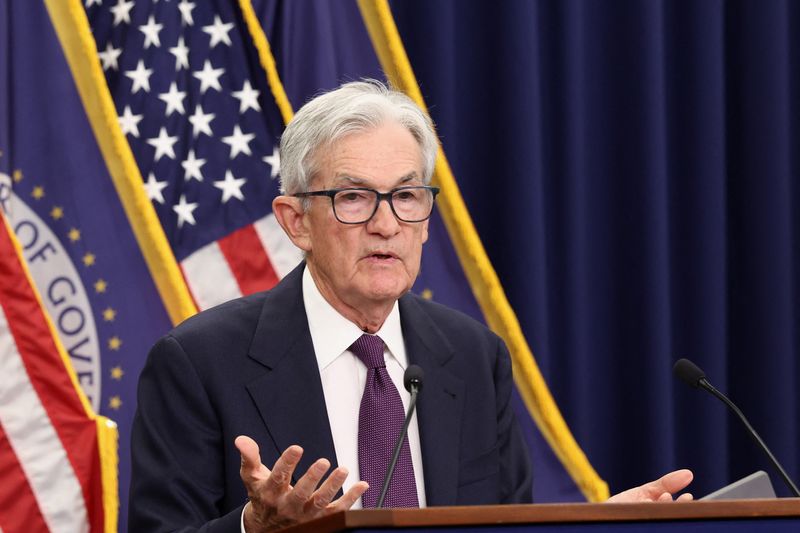
- Investor Disappointment: Netflix's quarterly financial update for Q1 2026 failed to meet investor expectations, leading to a decline in stock prices during afternoon trading on April 27, reflecting market concerns about the company's future growth.
- Stock Price Volatility: Following the earnings report, Netflix's stock performance was lackluster, indicating insufficient investor confidence in its performance, which could impact the company's position in the highly competitive streaming market.
- Market Reaction: Despite Netflix's significant presence in the streaming industry, the earnings report did not provide adequate growth signals, potentially prompting investors to reassess their investment strategies, which could affect future capital inflows.
- Uncertain Future Outlook: Given that the earnings report fell short of expectations, analysts expressed concerns about Netflix's future growth prospects, which may impact its competitiveness and market share within the industry.
See More

Netflix's Sports Streaming Expansion Outlook
- Market Growth Potential: According to Grand View Research, the global sports streaming market is projected to grow from $33.9 billion in 2024 to $68.3 billion by 2030, more than doubling in value, presenting a significant opportunity for Netflix.
- Content Diversification: Following its first live golf tournament in 2023, Netflix has gradually expanded its sports offerings to include football, wrestling, and boxing, which is expected to attract new users and enhance customer retention.
- High Licensing Costs: Netflix paid $150 million for the rights to stream two football games on Christmas Day 2024 and $5 billion for a 10-year deal to stream WWE's weekly show, which may impact profitability in the short term due to these high costs.
- Long-Term Revenue Expectations: While shareholders may not see immediate benefits, by adding unique sports content, Netflix is positioned to attract more subscribers in the future, thereby increasing revenue, although investors will need to be patient for these new audiences to translate into profits.
See More
Netflix's Q1 Earnings Report Triggers Stock Decline
- Disappointing Guidance: Netflix's Q1 earnings report revealed revenue growth, yet the future guidance fell short of market expectations, leading to a stock decline that reflects investor concerns about the company's growth trajectory.
- Leadership Change Impact: Co-founder Reed Hastings' announcement to step down from the board triggered sensitive market reactions, potentially exacerbating investor unease and negatively affecting stock performance.
- New Business Expansion: Despite challenges, Netflix is enhancing user engagement by expanding into new categories like live events and video podcasts, with the World Baseball Classic in Japan attracting over 31 million viewers in Q1, indicating the appeal of new content.
- Strong Profitability: Netflix achieved a 32% operating profit margin in Q1, maintaining robust profitability while ramping up investments in new content, showcasing its advantage in expanding content offerings while ensuring earnings growth.
See More

Netflix's Live Events and Podcasts Drive Growth
- Strong Performance in Japan: In Q1, Netflix led global member growth in Japan with over 31 million viewers tuning into the World Baseball Classic, highlighting the region's strong interest in live events and providing momentum for Netflix's user base expansion.
- Untapped Revenue Potential: Co-CEO Greg Peters stated that Netflix has captured only about 7% of its addressable revenue, indicating significant growth opportunities in the global market, with future expansion strategies likely to enhance revenue potential further.
- Robust Profitability: Despite market pressures, Netflix achieved a 32% operating profit margin last quarter, demonstrating its ability to maintain strong profitability while continuing to invest in new content, which supports its stock value.
- Diversified Content Strategy: Netflix is actively expanding into new categories like live events and video podcasts, which, although still in their infancy, have already begun to significantly boost user engagement and member growth, underscoring the strategic importance of content diversification.
See More

Netflix Expands Sports Content to Attract Subscribers
- Market Potential: The global sports streaming market is projected to grow from $33.9 billion in 2024 to $68.3 billion by 2030, indicating significant growth potential, and Netflix's expansion into sports content could help it stand out in a competitive landscape.
- Content Expansion Strategy: After its first live golf event in 2023, Netflix has gradually added various sports events, including football, wrestling, and boxing, and plans to stream two football games on Christmas Day 2024, paying $150 million for the rights.
- Long-term Revenue Expectations: While shareholders may not see immediate benefits, Netflix's strategy to offer unique sports content is expected to attract more subscribers in the long run, thereby increasing revenue and enhancing market competitiveness.
- Investor Patience Required: Netflix will need to wait several years for the revenue growth from new audiences, especially after incurring significant costs, such as the $5 billion paid for WWE's weekly show rights, which will pressure short-term financial performance.
See More

Mattel Raises Annual Profit Forecast Amid Strong Toy Demand

- Sales Performance Beats Expectations: Mattel reported first-quarter net sales of $862.2 million, surpassing analysts' estimates of $804.7 million, indicating strong toy demand and growth in its entertainment segment, thereby solidifying its market position.
- Annual Profit Forecast Raised: The company now expects adjusted earnings per share for the full year to range between $1.27 and $1.39, up from the previous guidance of $1.18 to $1.30, reflecting an optimistic outlook for future performance.
- Investment in IP Strategy: Mattel is intensifying its investment in an IP-led strategy, including acquiring the remaining 50% of its joint venture with China's NetEase, aiming to drive demand growth through films and digital partnerships, enhancing its competitive edge.
- Gross Margin Decline: Despite the sales increase, adjusted gross margin fell from 49.6% to 45.1%, primarily due to tariff costs and a stronger dollar, highlighting profitability challenges amid rising cost pressures.
See More
Netflix's Quarterly Update Falls Short of Expectations
- Investor Disappointment: Netflix's quarterly financial update for Q1 2026 failed to meet investor expectations, leading to a decline in stock prices during afternoon trading on April 27, reflecting market concerns about the company's future growth.
- Stock Price Volatility: Following the earnings report, Netflix's stock performance was lackluster, indicating insufficient investor confidence in its performance, which could impact the company's position in the highly competitive streaming market.
- Market Reaction: Despite Netflix's significant presence in the streaming industry, the earnings report did not provide adequate growth signals, potentially prompting investors to reassess their investment strategies, which could affect future capital inflows.
- Uncertain Future Outlook: Given that the earnings report fell short of expectations, analysts expressed concerns about Netflix's future growth prospects, which may impact its competitiveness and market share within the industry.
See More
Netflix's Sports Streaming Expansion Outlook
- Market Growth Potential: According to Grand View Research, the global sports streaming market is projected to grow from $33.9 billion in 2024 to $68.3 billion by 2030, more than doubling in value, presenting a significant opportunity for Netflix.
- Content Diversification: Following its first live golf tournament in 2023, Netflix has gradually expanded its sports offerings to include football, wrestling, and boxing, which is expected to attract new users and enhance customer retention.
- High Licensing Costs: Netflix paid $150 million for the rights to stream two football games on Christmas Day 2024 and $5 billion for a 10-year deal to stream WWE's weekly show, which may impact profitability in the short term due to these high costs.
- Long-Term Revenue Expectations: While shareholders may not see immediate benefits, by adding unique sports content, Netflix is positioned to attract more subscribers in the future, thereby increasing revenue, although investors will need to be patient for these new audiences to translate into profits.
See More
Netflix's Q1 Earnings Report Triggers Stock Decline
- Disappointing Guidance: Netflix's Q1 earnings report revealed revenue growth, yet the future guidance fell short of market expectations, leading to a stock decline that reflects investor concerns about the company's growth trajectory.
- Leadership Change Impact: Co-founder Reed Hastings' announcement to step down from the board triggered sensitive market reactions, potentially exacerbating investor unease and negatively affecting stock performance.
- New Business Expansion: Despite challenges, Netflix is enhancing user engagement by expanding into new categories like live events and video podcasts, with the World Baseball Classic in Japan attracting over 31 million viewers in Q1, indicating the appeal of new content.
- Strong Profitability: Netflix achieved a 32% operating profit margin in Q1, maintaining robust profitability while ramping up investments in new content, showcasing its advantage in expanding content offerings while ensuring earnings growth.
See More
Netflix's Live Events and Podcasts Drive Growth
- Strong Performance in Japan: In Q1, Netflix led global member growth in Japan with over 31 million viewers tuning into the World Baseball Classic, highlighting the region's strong interest in live events and providing momentum for Netflix's user base expansion.
- Untapped Revenue Potential: Co-CEO Greg Peters stated that Netflix has captured only about 7% of its addressable revenue, indicating significant growth opportunities in the global market, with future expansion strategies likely to enhance revenue potential further.
- Robust Profitability: Despite market pressures, Netflix achieved a 32% operating profit margin last quarter, demonstrating its ability to maintain strong profitability while continuing to invest in new content, which supports its stock value.
- Diversified Content Strategy: Netflix is actively expanding into new categories like live events and video podcasts, which, although still in their infancy, have already begun to significantly boost user engagement and member growth, underscoring the strategic importance of content diversification.
See More
Netflix Expands Sports Content to Attract Subscribers
- Market Potential: The global sports streaming market is projected to grow from $33.9 billion in 2024 to $68.3 billion by 2030, indicating significant growth potential, and Netflix's expansion into sports content could help it stand out in a competitive landscape.
- Content Expansion Strategy: After its first live golf event in 2023, Netflix has gradually added various sports events, including football, wrestling, and boxing, and plans to stream two football games on Christmas Day 2024, paying $150 million for the rights.
- Long-term Revenue Expectations: While shareholders may not see immediate benefits, Netflix's strategy to offer unique sports content is expected to attract more subscribers in the long run, thereby increasing revenue and enhancing market competitiveness.
- Investor Patience Required: Netflix will need to wait several years for the revenue growth from new audiences, especially after incurring significant costs, such as the $5 billion paid for WWE's weekly show rights, which will pressure short-term financial performance.
See More
Mattel Raises Annual Profit Forecast Amid Strong Toy Demand
- Sales Performance Beats Expectations: Mattel reported first-quarter net sales of $862.2 million, surpassing analysts' estimates of $804.7 million, indicating strong toy demand and growth in its entertainment segment, thereby solidifying its market position.
- Annual Profit Forecast Raised: The company now expects adjusted earnings per share for the full year to range between $1.27 and $1.39, up from the previous guidance of $1.18 to $1.30, reflecting an optimistic outlook for future performance.
- Investment in IP Strategy: Mattel is intensifying its investment in an IP-led strategy, including acquiring the remaining 50% of its joint venture with China's NetEase, aiming to drive demand growth through films and digital partnerships, enhancing its competitive edge.
- Gross Margin Decline: Despite the sales increase, adjusted gross margin fell from 49.6% to 45.1%, primarily due to tariff costs and a stronger dollar, highlighting profitability challenges amid rising cost pressures.
See More