Analysis of JPMorgan Chase's Stock Decline Reasons
Written by Emily J. Thompson, Senior Investment Analyst
Updated: 36 minutes ago
0mins
Should l Buy JPM?
Source: NASDAQ.COM
- Poor Stock Performance: JPMorgan Chase's stock has declined approximately 10.6% year-to-date, significantly underperforming the KBW Nasdaq Bank Index's 9% drop, indicating market concerns about its future performance amid increasing economic uncertainty.
- Impact of Capital Requirements: Concerns over new capital requirements have pressured JPMorgan and other megabanks, although Federal Reserve Vice Chair Bowman indicated plans to ease these requirements, potentially alleviating investor worries and providing support for the stock price.
- Litigation Risks: A $5 billion lawsuit filed by the Trump Administration against JPMorgan for debanking political figures has dampened investor sentiment, despite the bank asserting the lawsuit lacks merit, which continues to negatively impact the stock.
- Future Spending Plans: JPMorgan anticipates spending $105 billion in 2026, a 10% increase from 2025, raising investor concerns about the returns on its technology upgrades and AI integration, even as analysts project a 19% earnings growth for the quarter.
Trade with 70% Backtested Accuracy
Stop guessing "Should I Buy JPM?" and start using high-conviction signals backed by rigorous historical data.
Sign up today to access powerful investing tools and make smarter, data-driven decisions.
Analyst Views on JPM
Wall Street analysts forecast JPM stock price to rise
19 Analyst Rating
11 Buy
7 Hold
1 Sell
Moderate Buy
Current: 287.970

Low
260.00
Averages
341.38
High
400.00
Current: 287.970
Low
260.00
Averages
341.38
High
400.00
About JPM
JPMorgan Chase & Co. is a financial holding company. The Company is engaged in investment banking, financial services for consumers and small businesses, commercial banking, financial transaction processing and asset management. The Company operates through three segments: Consumer & Community Banking (CCB), Commercial & Investment Bank (CIB), and Asset & Wealth Management (AWM). Its CCB segment offers products and services to consumers and small businesses through bank branches, ATMs, digital and telephone banking. Its CIB segment consists of banking and payments and markets and securities services, and offers a suite of investment banking, lending, payments, market-making, financing, custody and securities products and services to a global base of corporate and institutional clients. AWM segment offers investment and wealth management solutions. It offers multi-asset investment management solutions, retirement products and services, brokerage, custody, estate planning, and others.
About the author

Emily J. Thompson
Emily J. Thompson, a Chartered Financial Analyst (CFA) with 12 years in investment research, graduated with honors from the Wharton School. Specializing in industrial and technology stocks, she provides in-depth analysis for Intellectia’s earnings and market brief reports.

Analysis of JPMorgan Chase's Stock Decline Reasons

- Poor Stock Performance: JPMorgan Chase's stock has declined approximately 10.6% year-to-date, significantly underperforming the KBW Nasdaq Bank Index's 9% drop, indicating market concerns about its future performance amid increasing economic uncertainty.
- Impact of Capital Requirements: Concerns over new capital requirements have pressured JPMorgan and other megabanks, although Federal Reserve Vice Chair Bowman indicated plans to ease these requirements, potentially alleviating investor worries and providing support for the stock price.
- Litigation Risks: A $5 billion lawsuit filed by the Trump Administration against JPMorgan for debanking political figures has dampened investor sentiment, despite the bank asserting the lawsuit lacks merit, which continues to negatively impact the stock.
- Future Spending Plans: JPMorgan anticipates spending $105 billion in 2026, a 10% increase from 2025, raising investor concerns about the returns on its technology upgrades and AI integration, even as analysts project a 19% earnings growth for the quarter.
See More

Analysis of JPMorgan Chase's Stock Decline Reasons
- Overall Bank Decline: The KBW Nasdaq Bank Index is down approximately 9% year-to-date, with JPMorgan Chase's stock declining about 10.6%, indicating underperformance that may affect investor confidence.
- Capital Requirement Adjustments: Concerns over new capital requirements have pressured JPMorgan and other megabanks, but the Federal Reserve's vice chair indicated plans to ease these requirements, potentially alleviating investor worries.
- Lawsuit Impact: JPMorgan faces a $5 billion lawsuit from the Trump Administration, which the bank claims is without merit; however, this legal challenge has negatively impacted investor sentiment and increased market uncertainty.
- Future Spending Plans: JPMorgan anticipates spending $105 billion in 2026, a 10% increase from 2025, raising investor concerns about the returns on its technology investments, particularly in artificial intelligence, which could affect stock performance.
See More

Buffett Defends Philanthropic Commitment Amid Backlash

- Defense of Philanthropic Commitment: Buffett defends the Giving Pledge he co-founded with Gates, emphasizing its success despite his physical limitations preventing participation in annual gatherings, indicating his ongoing commitment to philanthropy.
- Backlash from Billionaires: A growing backlash from billionaires, including Peter Thiel encouraging signers to withdraw, highlights a shift in attitudes towards traditional philanthropy, potentially impacting future donation trends.
- Decline in New Signatories: The pace of new signatories has slowed significantly since the Pledge's inception in 2010, with only 43 joining in the last five years compared to 113 in the first five, suggesting a changing perspective among billionaires regarding charitable commitments.
- Cultural and Social Shifts: Sociologists note that billionaires now prefer to give back through business success rather than charity, reflecting a broader cultural shift that may influence future philanthropic norms and societal expectations.
See More
Market Uncertainty Amid War Escalation

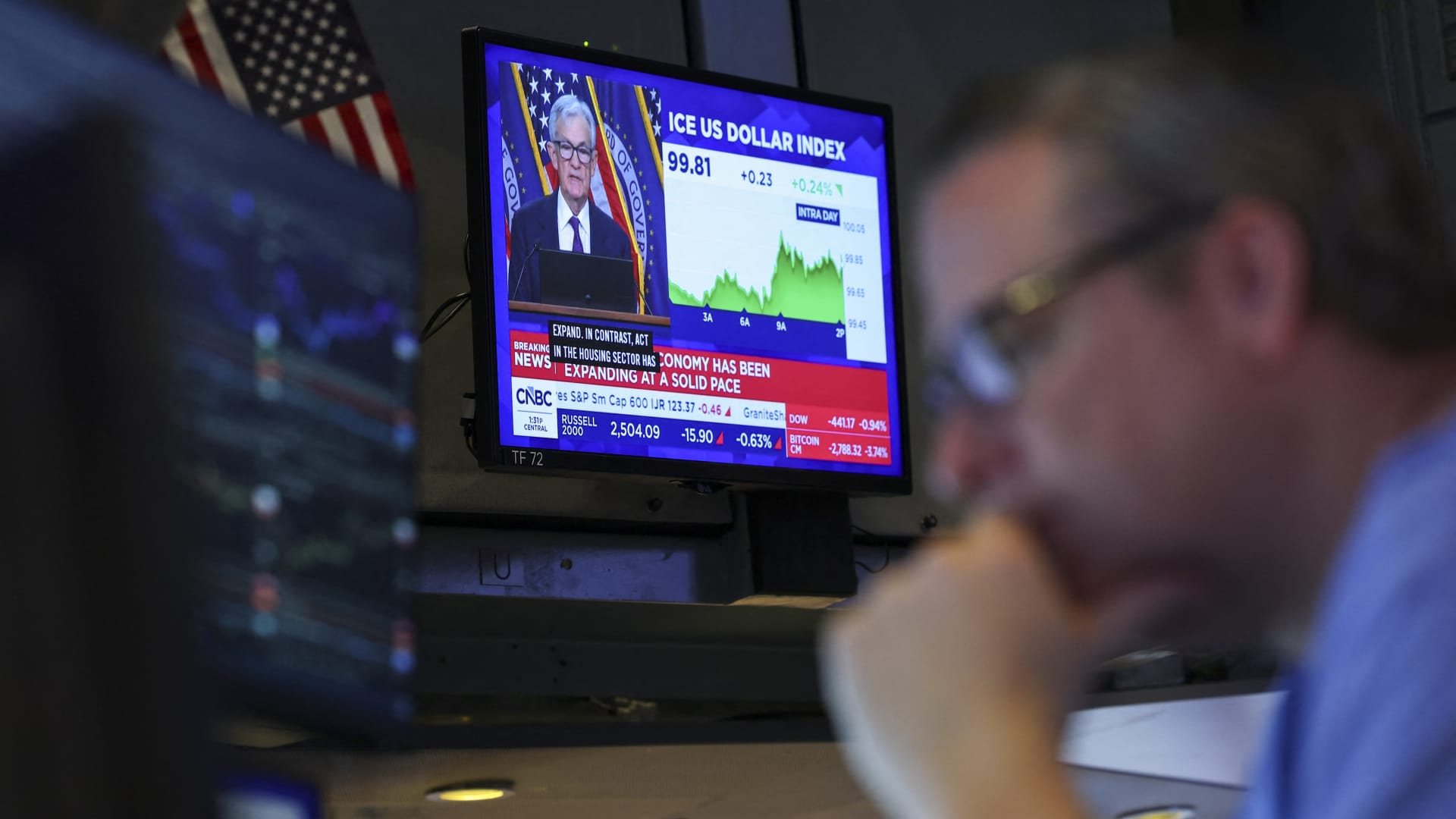
- Investor Strategies: Amid escalating war-induced market uncertainty, investors are advised to evaluate portfolio risks, raise cash levels, and wait for positive market developments to mitigate potential recession risks.
- Rising Cash Levels: A Bank of America survey indicates that fund managers have increased their cash levels from 3.4% to 4.3%, marking the sharpest rise since the Covid sell-off in March 2020, reflecting heightened investor concerns over market volatility.
- Geopolitical Impact: The Israeli attack on Iran's South Pars gas field signifies a major escalation in the war, potentially leading to long-term damage to energy infrastructure, which could disrupt global energy supply and pricing, further increasing market uncertainty.
- Volatility Index Warning: The Cboe Volatility Index (VIX) currently stands at around 28, significantly above the historical median of 17.6, indicating heightened investor anxiety about the future, which may lead to valuation contractions in the market.
See More

Rising Gas Prices Boost Costco Sales


- Impact of Rising Oil Prices: With the Iran war ongoing, oil prices have surged to a four-year high, pushing the national average for regular unleaded gasoline to $3.91 per gallon, which, while below the all-time high of $5.02 in April 2022, has driven consumers to Costco for cheaper fuel, thereby increasing in-store traffic.
- Costco's Value Proposition: Costco typically offers gas prices at a 9-cent discount compared to local competitors and a 24-cent discount versus the state average, making this price advantage particularly significant as fuel costs rise, attracting more bargain-seeking consumers and enhancing its market competitiveness.
- Customer Traffic Analysis: According to Gordon Haskett's analysis, visits to Costco gas stations sharply increased in the week ending March 7, and continued to accelerate as prices rose, with data indicating that 50% of gas customers also enter Costco stores, further driving sales growth.
- Economic Impact and Outlook: While rising gas prices may exert financial pressure on consumers, leading them to cut back on non-essentials, Costco tends to perform better during economic downturns due to its stable pricing strategy, with analysts optimistic about its future stock price, setting a target of $1,100 per share, representing a 13% upside from current levels.
See More
Iran War Escalation Risks Market Stability


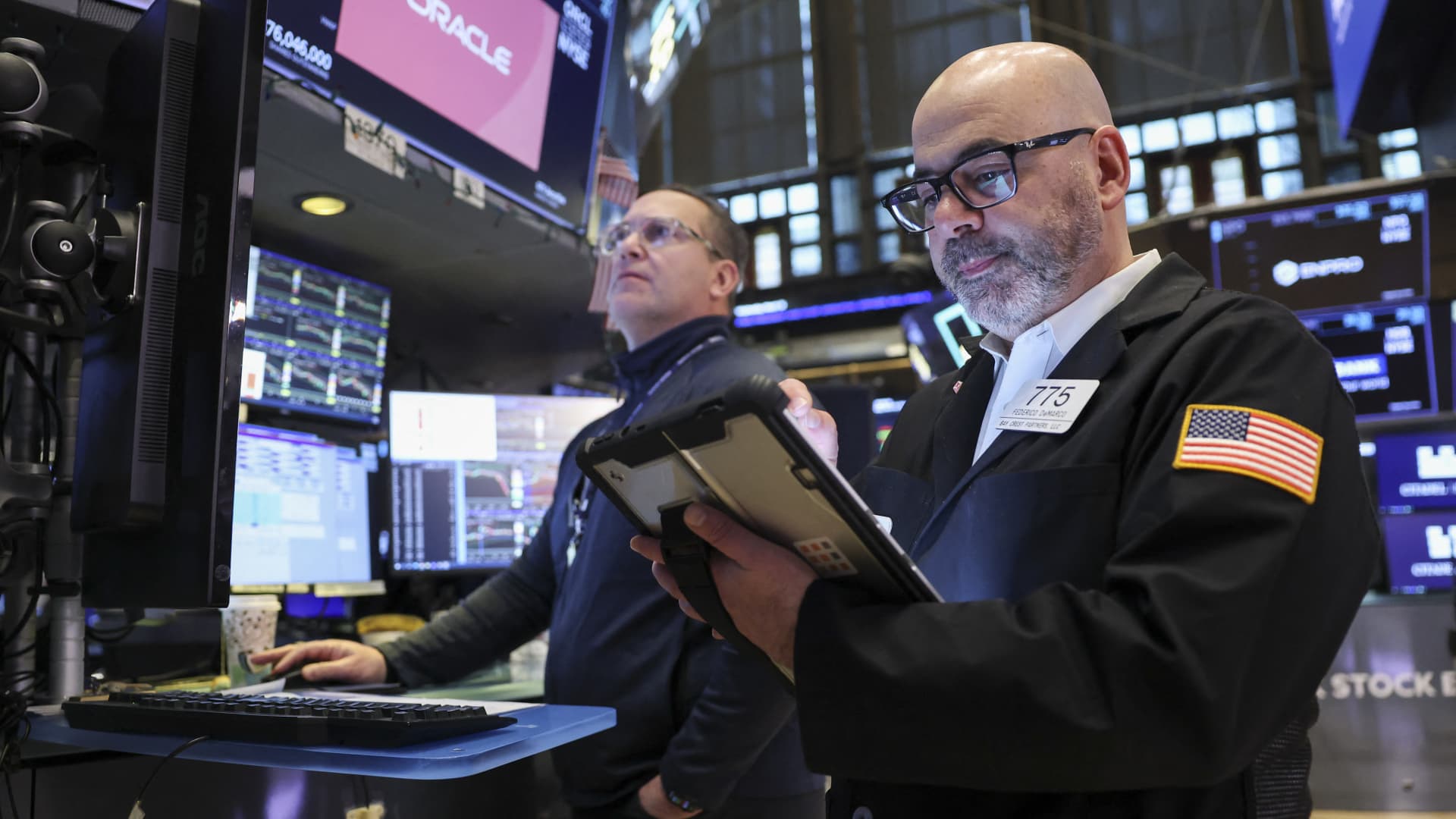
- Military Escalation: The Pentagon's deployment of thousands of Marines and three warships to the Middle East signals a potential prolongation of the conflict, which the market has yet to fully price in, likely leading to negative economic repercussions.
- Market Downgrade: JPMorgan has lowered its year-end target for the S&P 500 to 7,200, reflecting concerns that a 50% spike in oil prices could adversely affect consumer demand, thereby increasing recession risks.
- Technical Indicator Warning: The S&P 500 closed below its 200-day moving average for the first time since May 2025, and if it fails to hold the 6,620 support level, it could slide to between 6,000 and 6,200, indicating fragile market sentiment.
- Inflation and Growth Risks: Analysts warn that if the conflict persists, it could exert greater pressure on inflation and economic growth, heightening market uncertainties and necessitating investor vigilance.
See More
Analysis of JPMorgan Chase's Stock Decline Reasons
- Poor Stock Performance: JPMorgan Chase's stock has declined approximately 10.6% year-to-date, significantly underperforming the KBW Nasdaq Bank Index's 9% drop, indicating market concerns about its future performance amid increasing economic uncertainty.
- Impact of Capital Requirements: Concerns over new capital requirements have pressured JPMorgan and other megabanks, although Federal Reserve Vice Chair Bowman indicated plans to ease these requirements, potentially alleviating investor worries and providing support for the stock price.
- Litigation Risks: A $5 billion lawsuit filed by the Trump Administration against JPMorgan for debanking political figures has dampened investor sentiment, despite the bank asserting the lawsuit lacks merit, which continues to negatively impact the stock.
- Future Spending Plans: JPMorgan anticipates spending $105 billion in 2026, a 10% increase from 2025, raising investor concerns about the returns on its technology upgrades and AI integration, even as analysts project a 19% earnings growth for the quarter.
See More
Analysis of JPMorgan Chase's Stock Decline Reasons
- Overall Bank Decline: The KBW Nasdaq Bank Index is down approximately 9% year-to-date, with JPMorgan Chase's stock declining about 10.6%, indicating underperformance that may affect investor confidence.
- Capital Requirement Adjustments: Concerns over new capital requirements have pressured JPMorgan and other megabanks, but the Federal Reserve's vice chair indicated plans to ease these requirements, potentially alleviating investor worries.
- Lawsuit Impact: JPMorgan faces a $5 billion lawsuit from the Trump Administration, which the bank claims is without merit; however, this legal challenge has negatively impacted investor sentiment and increased market uncertainty.
- Future Spending Plans: JPMorgan anticipates spending $105 billion in 2026, a 10% increase from 2025, raising investor concerns about the returns on its technology investments, particularly in artificial intelligence, which could affect stock performance.
See More
Buffett Defends Philanthropic Commitment Amid Backlash
- Defense of Philanthropic Commitment: Buffett defends the Giving Pledge he co-founded with Gates, emphasizing its success despite his physical limitations preventing participation in annual gatherings, indicating his ongoing commitment to philanthropy.
- Backlash from Billionaires: A growing backlash from billionaires, including Peter Thiel encouraging signers to withdraw, highlights a shift in attitudes towards traditional philanthropy, potentially impacting future donation trends.
- Decline in New Signatories: The pace of new signatories has slowed significantly since the Pledge's inception in 2010, with only 43 joining in the last five years compared to 113 in the first five, suggesting a changing perspective among billionaires regarding charitable commitments.
- Cultural and Social Shifts: Sociologists note that billionaires now prefer to give back through business success rather than charity, reflecting a broader cultural shift that may influence future philanthropic norms and societal expectations.
See More
Market Uncertainty Amid War Escalation
- Investor Strategies: Amid escalating war-induced market uncertainty, investors are advised to evaluate portfolio risks, raise cash levels, and wait for positive market developments to mitigate potential recession risks.
- Rising Cash Levels: A Bank of America survey indicates that fund managers have increased their cash levels from 3.4% to 4.3%, marking the sharpest rise since the Covid sell-off in March 2020, reflecting heightened investor concerns over market volatility.
- Geopolitical Impact: The Israeli attack on Iran's South Pars gas field signifies a major escalation in the war, potentially leading to long-term damage to energy infrastructure, which could disrupt global energy supply and pricing, further increasing market uncertainty.
- Volatility Index Warning: The Cboe Volatility Index (VIX) currently stands at around 28, significantly above the historical median of 17.6, indicating heightened investor anxiety about the future, which may lead to valuation contractions in the market.
See More
Rising Gas Prices Boost Costco Sales
- Impact of Rising Oil Prices: With the Iran war ongoing, oil prices have surged to a four-year high, pushing the national average for regular unleaded gasoline to $3.91 per gallon, which, while below the all-time high of $5.02 in April 2022, has driven consumers to Costco for cheaper fuel, thereby increasing in-store traffic.
- Costco's Value Proposition: Costco typically offers gas prices at a 9-cent discount compared to local competitors and a 24-cent discount versus the state average, making this price advantage particularly significant as fuel costs rise, attracting more bargain-seeking consumers and enhancing its market competitiveness.
- Customer Traffic Analysis: According to Gordon Haskett's analysis, visits to Costco gas stations sharply increased in the week ending March 7, and continued to accelerate as prices rose, with data indicating that 50% of gas customers also enter Costco stores, further driving sales growth.
- Economic Impact and Outlook: While rising gas prices may exert financial pressure on consumers, leading them to cut back on non-essentials, Costco tends to perform better during economic downturns due to its stable pricing strategy, with analysts optimistic about its future stock price, setting a target of $1,100 per share, representing a 13% upside from current levels.
See More
Iran War Escalation Risks Market Stability
- Military Escalation: The Pentagon's deployment of thousands of Marines and three warships to the Middle East signals a potential prolongation of the conflict, which the market has yet to fully price in, likely leading to negative economic repercussions.
- Market Downgrade: JPMorgan has lowered its year-end target for the S&P 500 to 7,200, reflecting concerns that a 50% spike in oil prices could adversely affect consumer demand, thereby increasing recession risks.
- Technical Indicator Warning: The S&P 500 closed below its 200-day moving average for the first time since May 2025, and if it fails to hold the 6,620 support level, it could slide to between 6,000 and 6,200, indicating fragile market sentiment.
- Inflation and Growth Risks: Analysts warn that if the conflict persists, it could exert greater pressure on inflation and economic growth, heightening market uncertainties and necessitating investor vigilance.
See More