Analysis of Dividend Performance: Coca-Cola, Hershey, and Hormel
Written by Emily J. Thompson, Senior Investment Analyst
Updated: 36 minutes ago
0mins

Source: Fool
- Coca-Cola's Steady Growth: Despite tightening consumer budgets, Coca-Cola achieved a 1% volume growth and a 5% organic sales increase in 2025, with Q1 2026 showing a 3% volume rise and a 10% organic sales boost, demonstrating its resilience in a competitive consumer goods market.
- Hershey's Pricing Power: Hershey Foods has shown remarkable pricing power despite a 30% stock price drop, maintaining an attractive 3% dividend yield, with Q1 organic sales growth of 8%, indicating strong consumer demand for its products.
- Hormel's Transformation Progress: Hormel Foods has successfully shifted towards branded products post-pandemic, achieving organic sales growth for five consecutive quarters, and while its stock is down 60% from its 2022 peak, its 5.8% dividend yield appeals to high-yield investors.
- Diverse Investment Options: Coca-Cola is suitable for conservative investors, Hershey appeals to those willing to take on more risk, and Hormel offers a compelling choice for aggressive income seekers, highlighting the adaptability of different dividend stocks.
Trade with 70% Backtested Accuracy
Stop guessing "Should I Buy KO?" and start using high-conviction signals backed by rigorous historical data.
Sign up today to access powerful investing tools and make smarter, data-driven decisions.
Analyst Views on KO
Wall Street analysts forecast KO stock price to fall
14 Analyst Rating
13 Buy
1 Hold
0 Sell
Strong Buy
Current: 80.260

Low
71.00
Averages
79.33
High
85.00
Current: 80.260
Low
71.00
Averages
79.33
High
85.00
About KO
The Coca-Cola Company is a beverage company. The Company's segments include Europe, Middle East and Africa (EMEA); Latin America; North America; Asia Pacific, and Bottling Investments. It sells multiple brands across several beverage categories worldwide. Its portfolio of sparkling soft drink brands includes Coca-Cola, Sprite and Fanta. Its water, sports, coffee and tea brands include Dasani, smartwater, vitaminwater, Topo Chico, BODYARMOR, Powerade, Costa, Georgia, Fuze Tea, Gold Peak and Ayataka. Its juice, value-added dairy and plant-based beverage brands include Minute Maid, Simply, innocent, Del Valle, fairlife and Santa Clara. It operates in two lines of business: concentrate operations and finished product operations. Its concentrate operations sell beverage concentrates, syrups, including fountain syrups, and certain finished beverages to authorized bottling operations. Its finished product operations sell sparkling soft drinks and a variety of other finished beverages.
About the author

Emily J. Thompson
Emily J. Thompson, a Chartered Financial Analyst (CFA) with 12 years in investment research, graduated with honors from the Wharton School. Specializing in industrial and technology stocks, she provides in-depth analysis for Intellectia’s earnings and market brief reports.
Analysis of Dividend Performance: Coca-Cola, Hershey, and Hormel

- Coca-Cola's Steady Growth: Despite tightening consumer budgets, Coca-Cola achieved a 1% volume growth and a 5% organic sales increase in 2025, with Q1 2026 showing a 3% volume rise and a 10% organic sales boost, demonstrating its resilience in a competitive consumer goods market.
- Hershey's Pricing Power: Hershey Foods has shown remarkable pricing power despite a 30% stock price drop, maintaining an attractive 3% dividend yield, with Q1 organic sales growth of 8%, indicating strong consumer demand for its products.
- Hormel's Transformation Progress: Hormel Foods has successfully shifted towards branded products post-pandemic, achieving organic sales growth for five consecutive quarters, and while its stock is down 60% from its 2022 peak, its 5.8% dividend yield appeals to high-yield investors.
- Diverse Investment Options: Coca-Cola is suitable for conservative investors, Hershey appeals to those willing to take on more risk, and Hormel offers a compelling choice for aggressive income seekers, highlighting the adaptability of different dividend stocks.
See More
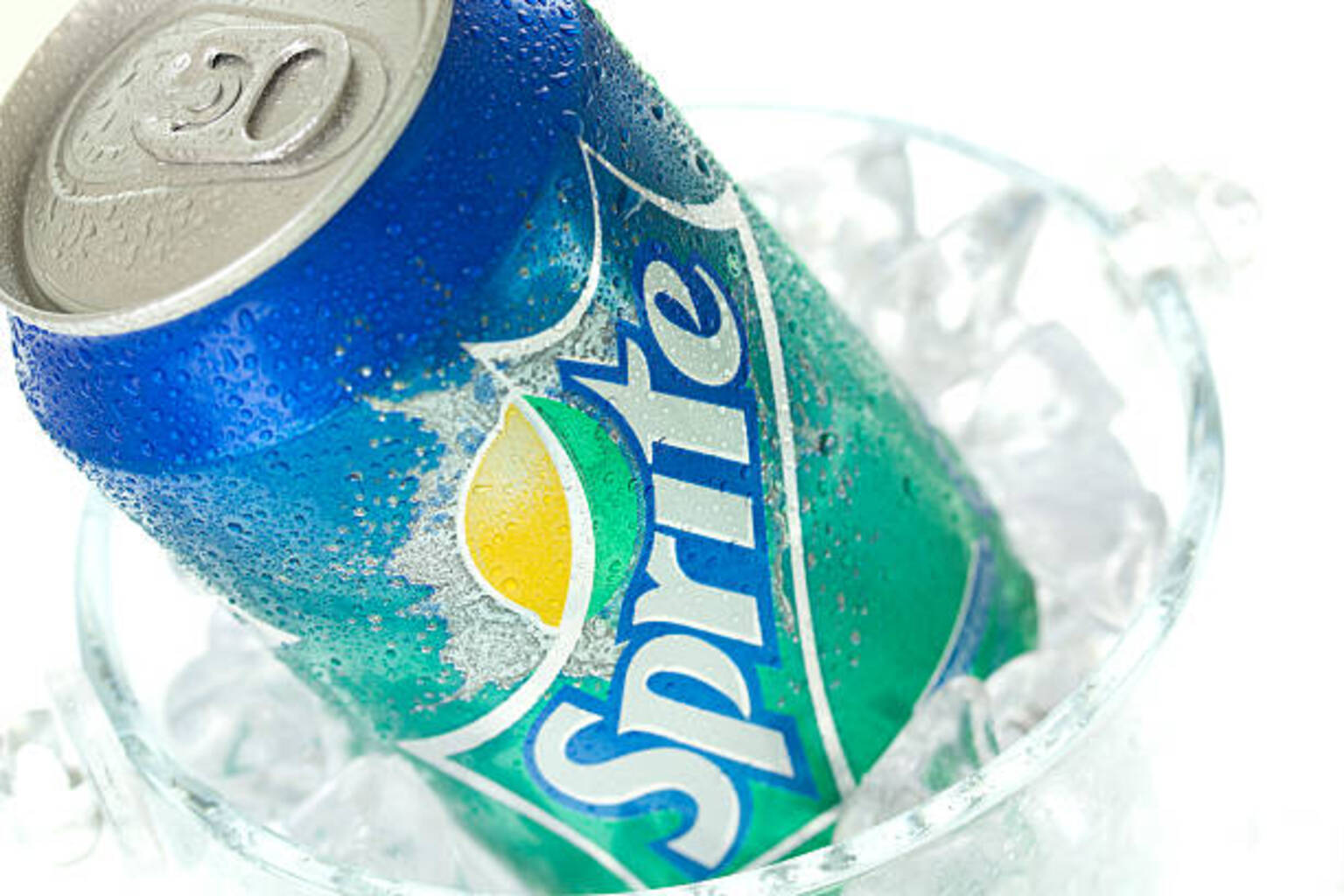
Coca-Cola Revamps Sprite Brand Identity for New Generation
- Brand Refresh: Coca-Cola is enhancing Sprite's identity with a cleaner visual system and stronger logo presence, aiming to attract a new generation while retaining its core customer base, thereby increasing brand recognition in the market.
- Global Platform Launch: The new global platform “It’s That Fresh” connects Sprite to music, basketball, fashion, spicy food, and street culture, aiming to elevate the brand's cultural relevance and appeal to younger consumers.
- Packaging Innovation: Coca-Cola has introduced a vertical layout on cans and revived the “Lymon” symbol, giving the packaging a more distinctive and playful feel, which is expected to boost consumer purchasing interest.
- Market Share Dynamics: Although Sprite reached an 8.03% share of the U.S. soft drink market in 2024, surpassing Pepsi for the first time, recent data indicates it has slipped to fifth place, facing competitive pressure from Coca-Cola, Dr Pepper, Pepsi, and Diet Coke.
See More

US-India Relations Face New Challenges Amidst US-China Summit


- Tension in US-India Relations: The shift in the Trump administration's China policy has strained US-India relations, with experts noting India's concerns that the US may prioritize China as the main negotiating partner, thereby diminishing India's strategic role in the Indo-Pacific.
- Need for Enhanced Strategic Value: To counter potential marginalization, India must establish more tangible cooperation with the US in sectors such as defense, maritime security, and critical minerals, thereby enhancing its strategic value and ensuring its importance in US-China relations.
- Changes in Trade Policy: The Trump administration's trade policy has become more transactional, with a 25% penalty tariff imposed on India last year for allegedly profiting from cheap Russian oil, further deteriorating bilateral relations.
- Concerns Over G2 Concept: India's attention to the US-China summit has intensified, with fears that the so-called 'G2' concept may marginalize middle powers like India, impacting its voice and influence in international affairs.
See More
Walmart and Coca-Cola Outperforming Market Amid Rebound

- Walmart's E-commerce Growth: Walmart's e-commerce sales surged 24% year-over-year, and despite holding only 9.2% market share, it remains the second-largest e-commerce player in the U.S., showcasing strong growth momentum that enhances its competitive edge in retail.
- Walmart's Market Coverage: As the world's largest physical retailer, Walmart operates over 5,000 stores in the U.S., with 90% of the population living within 10 miles of a store, which ensures resilience during economic fluctuations and solidifies its market position.
- Coca-Cola's Global Opportunities: Coca-Cola holds only 14% of the global market share and just 6% in developing regions, presenting significant growth potential for future expansion, particularly in emerging markets and organic industry growth.
- Coca-Cola's Stable Returns: With a 64-year streak of dividend increases and a current yield of 2.57%, Coca-Cola excels in times of economic pressure, attracting investors seeking stable income and enhancing its market appeal.
See More

Berkshire Hathaway's Portfolio Focused on Five Key Stocks


- Portfolio Concentration: Berkshire Hathaway's portfolio is heavily concentrated in five key stocks—Apple, American Express, Coca-Cola, Bank of America, and Chevron—which together account for approximately 60% of total investments, indicating a strong reliance on these core assets.
- Buffett's Cautious Strategy: Despite a strong stock market, Buffett remains cautious in his investments, refraining from significantly increasing exposure to emerging technologies and industries, reflecting his preference for familiar sectors.
- Significant Cash Flow Growth: While the portfolio has not changed dramatically, Berkshire's cash flow has grown significantly, indicating that the company can still achieve strong financial performance through stable core assets.
- Successful Investment Philosophy: Buffett emphasizes that having just one top-performing stock, like Apple, can dramatically enhance overall portfolio performance, underscoring the importance of focusing on familiar areas of expertise.
See More

SCHD ETF Outperforms with Strong Returns, Attracts Investor Interest

- Strong Start to the Year: As of Tuesday, the S&P 500 is up 7%, with a remarkable 15% increase since March 30, reflecting growing investor confidence in economic recovery and heightened market interest.
- Impressive SCHD Returns: The Schwab U.S. Dividend Equity ETF (SCHD) has risen over 15% year-to-date, with its appeal strengthening as investors seek high-quality dividend stocks, making it a top choice for portfolio diversification.
- Portfolio Stability: SCHD's holdings must meet strict criteria, including 10 consecutive years of dividend increases and solid debt ratios, ensuring stable returns during economic uncertainty, which attracts risk-averse investors.
- Long-Term Investment Value: Since its inception in October 2011, SCHD has averaged 13.1% annual total returns; while past performance does not guarantee future results, its consistent income and low expense ratio (0.06%) position it as an ideal option for long-term investors.
See More
Analysis of Dividend Performance: Coca-Cola, Hershey, and Hormel
- Coca-Cola's Steady Growth: Despite tightening consumer budgets, Coca-Cola achieved a 1% volume growth and a 5% organic sales increase in 2025, with Q1 2026 showing a 3% volume rise and a 10% organic sales boost, demonstrating its resilience in a competitive consumer goods market.
- Hershey's Pricing Power: Hershey Foods has shown remarkable pricing power despite a 30% stock price drop, maintaining an attractive 3% dividend yield, with Q1 organic sales growth of 8%, indicating strong consumer demand for its products.
- Hormel's Transformation Progress: Hormel Foods has successfully shifted towards branded products post-pandemic, achieving organic sales growth for five consecutive quarters, and while its stock is down 60% from its 2022 peak, its 5.8% dividend yield appeals to high-yield investors.
- Diverse Investment Options: Coca-Cola is suitable for conservative investors, Hershey appeals to those willing to take on more risk, and Hormel offers a compelling choice for aggressive income seekers, highlighting the adaptability of different dividend stocks.
See More
Coca-Cola Revamps Sprite Brand Identity for New Generation
- Brand Refresh: Coca-Cola is enhancing Sprite's identity with a cleaner visual system and stronger logo presence, aiming to attract a new generation while retaining its core customer base, thereby increasing brand recognition in the market.
- Global Platform Launch: The new global platform “It’s That Fresh” connects Sprite to music, basketball, fashion, spicy food, and street culture, aiming to elevate the brand's cultural relevance and appeal to younger consumers.
- Packaging Innovation: Coca-Cola has introduced a vertical layout on cans and revived the “Lymon” symbol, giving the packaging a more distinctive and playful feel, which is expected to boost consumer purchasing interest.
- Market Share Dynamics: Although Sprite reached an 8.03% share of the U.S. soft drink market in 2024, surpassing Pepsi for the first time, recent data indicates it has slipped to fifth place, facing competitive pressure from Coca-Cola, Dr Pepper, Pepsi, and Diet Coke.
See More
US-India Relations Face New Challenges Amidst US-China Summit
- Tension in US-India Relations: The shift in the Trump administration's China policy has strained US-India relations, with experts noting India's concerns that the US may prioritize China as the main negotiating partner, thereby diminishing India's strategic role in the Indo-Pacific.
- Need for Enhanced Strategic Value: To counter potential marginalization, India must establish more tangible cooperation with the US in sectors such as defense, maritime security, and critical minerals, thereby enhancing its strategic value and ensuring its importance in US-China relations.
- Changes in Trade Policy: The Trump administration's trade policy has become more transactional, with a 25% penalty tariff imposed on India last year for allegedly profiting from cheap Russian oil, further deteriorating bilateral relations.
- Concerns Over G2 Concept: India's attention to the US-China summit has intensified, with fears that the so-called 'G2' concept may marginalize middle powers like India, impacting its voice and influence in international affairs.
See More
Walmart and Coca-Cola Outperforming Market Amid Rebound
- Walmart's E-commerce Growth: Walmart's e-commerce sales surged 24% year-over-year, and despite holding only 9.2% market share, it remains the second-largest e-commerce player in the U.S., showcasing strong growth momentum that enhances its competitive edge in retail.
- Walmart's Market Coverage: As the world's largest physical retailer, Walmart operates over 5,000 stores in the U.S., with 90% of the population living within 10 miles of a store, which ensures resilience during economic fluctuations and solidifies its market position.
- Coca-Cola's Global Opportunities: Coca-Cola holds only 14% of the global market share and just 6% in developing regions, presenting significant growth potential for future expansion, particularly in emerging markets and organic industry growth.
- Coca-Cola's Stable Returns: With a 64-year streak of dividend increases and a current yield of 2.57%, Coca-Cola excels in times of economic pressure, attracting investors seeking stable income and enhancing its market appeal.
See More
Berkshire Hathaway's Portfolio Focused on Five Key Stocks
- Portfolio Concentration: Berkshire Hathaway's portfolio is heavily concentrated in five key stocks—Apple, American Express, Coca-Cola, Bank of America, and Chevron—which together account for approximately 60% of total investments, indicating a strong reliance on these core assets.
- Buffett's Cautious Strategy: Despite a strong stock market, Buffett remains cautious in his investments, refraining from significantly increasing exposure to emerging technologies and industries, reflecting his preference for familiar sectors.
- Significant Cash Flow Growth: While the portfolio has not changed dramatically, Berkshire's cash flow has grown significantly, indicating that the company can still achieve strong financial performance through stable core assets.
- Successful Investment Philosophy: Buffett emphasizes that having just one top-performing stock, like Apple, can dramatically enhance overall portfolio performance, underscoring the importance of focusing on familiar areas of expertise.
See More
SCHD ETF Outperforms with Strong Returns, Attracts Investor Interest
- Strong Start to the Year: As of Tuesday, the S&P 500 is up 7%, with a remarkable 15% increase since March 30, reflecting growing investor confidence in economic recovery and heightened market interest.
- Impressive SCHD Returns: The Schwab U.S. Dividend Equity ETF (SCHD) has risen over 15% year-to-date, with its appeal strengthening as investors seek high-quality dividend stocks, making it a top choice for portfolio diversification.
- Portfolio Stability: SCHD's holdings must meet strict criteria, including 10 consecutive years of dividend increases and solid debt ratios, ensuring stable returns during economic uncertainty, which attracts risk-averse investors.
- Long-Term Investment Value: Since its inception in October 2011, SCHD has averaged 13.1% annual total returns; while past performance does not guarantee future results, its consistent income and low expense ratio (0.06%) position it as an ideal option for long-term investors.
See More