AMD's Rise in the AI Sector
Written by Emily J. Thompson, Senior Investment Analyst
Updated: 1 hour ago
0mins


Should l Buy NVDA?
Source: Fool
- GPU Partnerships: AMD has secured significant GPU partnerships with OpenAI and Meta Platforms, committing to 6 gigawatts of GPU capacity, which not only enhances AMD's integration into data center ecosystems but also incentivizes customer support for its ROCm platform through the issuance of warrants worth up to 10% of the company.
- Market Share Opportunity: As the inference market rises, AMD's GPUs offer a competitive price advantage, particularly in inference demand, with the company now rarely receiving requests to convert code from CUDA, indicating a shift towards other frameworks among its customers, thus opening up market share opportunities.
- CPU Market Potential: AMD's leadership in the data center CPU market positions it to benefit from the upcoming agentic AI wave, with the CPU-to-GPU ratio expected to narrow significantly, and its latest CPU architecture being specifically designed for this purpose, further solidifying its market position.
- Strategic Acquisition Impact: AMD's acquisition of ZT Systems enables it to sell pre-configured racks specifically designed for agentic AI, enhancing the competitiveness of its product portfolio and providing new revenue streams in the rapidly growing AI market.
Trade with 70% Backtested Accuracy
Stop guessing "Should I Buy NVDA?" and start using high-conviction signals backed by rigorous historical data.
Sign up today to access powerful investing tools and make smarter, data-driven decisions.
Analyst Views on NVDA
Wall Street analysts forecast NVDA stock price to rise
41 Analyst Rating
39 Buy
1 Hold
1 Sell
Strong Buy
Current: 177.640

Low
200.00
Averages
264.97
High
352.00
Current: 177.640
Low
200.00
Averages
264.97
High
352.00
About NVDA
NVIDIA Corporation is an artificial intelligence (AI) infrastructure company. The Company is engaged in accelerated computing to help solve the challenging computational problems. Its segments include Compute & Networking and Graphics. The Compute & Networking segment includes its Data Center accelerated computing and networking platforms and AI solutions and software, and automotive platforms and autonomous and electric vehicle solutions, including software. The Graphics segment includes GeForce GPUs for gaming and personal computers (PCs), and Quadro/NVIDIA RTX GPUs for enterprise workstation graphics. Its technology stack includes the foundational NVIDIA CUDA development platform that runs on all NVIDIA GPUs, as well as hundreds of domain-specific software libraries, frameworks, algorithms, software development kits (SDKs), and application programming interfaces (APIs). Its platforms address four markets, which include Data Center, Gaming, Professional Visualization, and Automotive.
About the author

Emily J. Thompson
Emily J. Thompson, a Chartered Financial Analyst (CFA) with 12 years in investment research, graduated with honors from the Wharton School. Specializing in industrial and technology stocks, she provides in-depth analysis for Intellectia’s earnings and market brief reports.
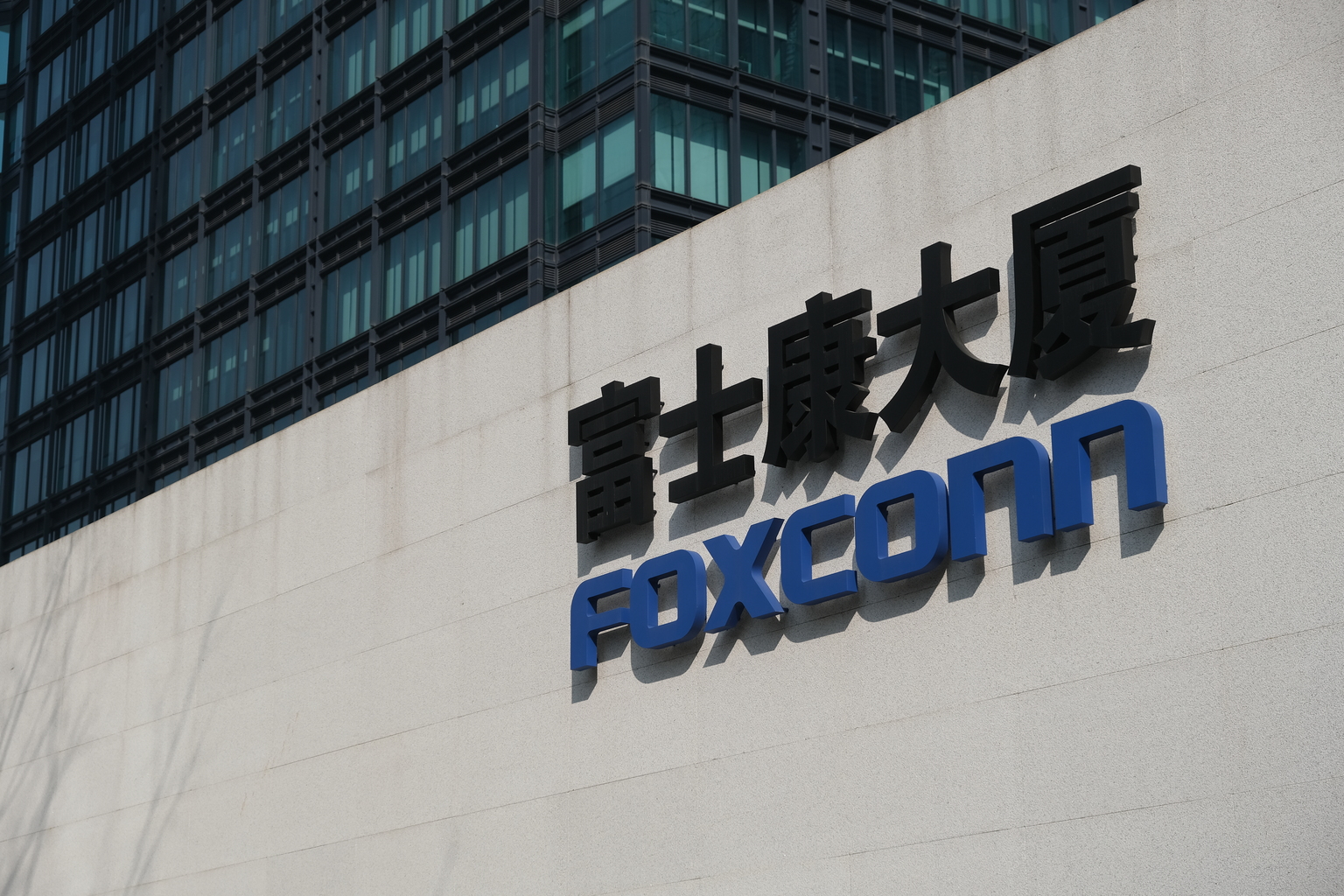
Foxconn Reports Strong Q1 Growth Driven by AI Demand

- Significant Revenue Growth: Foxconn's Q1 revenue surged 30% year-over-year to $66.6 billion, driven by strong demand from premier customers like Nvidia and Apple, highlighting the company's pivotal role in the AI supply chain.
- Outstanding March Performance: March saw a remarkable 45.6% year-over-year revenue increase, setting a monthly record high, reflecting robust growth trends across cloud, networking products, and smart consumer electronics, further solidifying Foxconn's market leadership.
- Optimistic Future Outlook: Despite product transition challenges, Foxconn projects quarter-over-quarter and year-over-year growth for Q2, demonstrating sustained confidence in AI infrastructure demand and signaling a positive outlook for the broader supply chain.
- Global Expansion Plans: Foxconn plans to invest $569 million in Wisconsin to meet growing AI infrastructure demands and is set to launch its first supercomputing center in the first half of 2026, enhancing its global manufacturing capabilities.
See More

Analysis of OpenAI's IPO Prospects and Challenges
- IPO Potential: OpenAI is expected to go public in 2026, with a recent funding round valuing it at $852 billion, potentially reaching $1 trillion, which has drawn significant investor interest.
- Lack of Profitability: OpenAI currently has no profits and may take years to achieve profitability; its recent decision to shut down the Sora video project to cut costs indicates financial pressures.
- Insufficient Competitive Advantage: OpenAI lacks a strong competitive moat, facing fierce competition from major tech firms and Chinese companies, which could impact its market position and future growth.
- Investment Risk Advisory: Despite OpenAI's high valuation, investors should carefully assess its financials and consider more stable tech stocks like Nvidia, which boasts a strong market share and profitability in the AI chip sector.
See More

Anthropic Launches Cybersecurity Initiative Project Glasswing with Major Tech Partners

- Project Launch: Anthropic has announced the launch of Project Glasswing, aimed at collaborating with top tech firms like Nvidia, AWS, Apple, Google, and Microsoft to utilize its frontier AI model, Claude Mythos Preview, for software vulnerability detection, thereby enhancing the security of critical global software.
- Financial Commitment: Anthropic is committing up to $100 million in usage credits and $4 million in direct funding to support open-source security organizations, demonstrating its significant investment and responsibility in the cybersecurity sector.
- Partner Expansion: In addition to major partners, the Glasswing initiative will extend access to over 40 organizations responsible for critical software infrastructure, assisting them in scanning and securing both proprietary and open-source systems, thereby bolstering overall cybersecurity defenses.
- Vulnerability Detection Impact: Mythos Preview has already identified thousands of high-severity vulnerabilities across major operating systems and web browsers, indicating the project's potential and urgency in defensive cybersecurity, aimed at addressing the rapid advancements in AI technology.
See More

Investment Opportunities Amid AI Market Volatility

- Winners and Losers Divergence: As inflation and geopolitical tensions impact the market, many AI stocks have pulled back; however, companies like Nvidia, Broadcom, and Lumentum remain attractive due to their provision of essential hardware, expected to benefit from long-term growth in the AI sector.
- Nvidia's Market Dominance: Nvidia's data center GPUs demonstrate superior efficiency in processing AI tasks compared to traditional CPUs, with a market cap of $4.3 trillion, solidifying its irreplaceable role in training AI algorithms and maintaining a strong market share.
- Broadcom's Technological Edge: Broadcom meets data centers' high-speed transmission needs with custom AI accelerators and optical networking chips, having expanded its infrastructure software business through acquisitions over the past decade, further solidifying its market position.
- Challenges for Smaller Firms: Smaller software companies like C3.ai and BigBear.ai face slowing growth as competition intensifies from large tech firms like Microsoft and Amazon, which could marginalize them, prompting investors to navigate market volatility with caution.
See More

Analysis of Winners and Losers in the AI Market
- Market Correction Opportunities: Despite many AI stocks pulling back due to inflation and geopolitical conflicts, this creates attractive buying opportunities for long-term investors, especially as large tech companies continue to invest in AI infrastructure.
- Rising Hardware Demand: Companies like Nvidia, Broadcom, and Lumentum stand out as compelling AI investments due to their provision of essential hardware, with Nvidia's data center GPUs significantly enhancing the efficiency of AI algorithm training by processing parallel tasks.
- Bottleneck Breakthrough: Lumentum's optical networking equipment addresses bottlenecks caused by older copper connections in data centers, leading to a substantial increase in sales over the past year, reflecting strong market demand for efficient transmission solutions.
- Challenges for Smaller Software Firms: Smaller software companies like C3.ai and BigBear.ai are experiencing slower growth, and as larger tech firms integrate more scalable AI services, these companies may face marginalization, prompting investors to carefully assess their future prospects.
See More

Anthropic Launches New Cybersecurity Model


- Project Launch: Anthropic has announced the rollout of an advanced AI model named Claude Mythos Preview, designed to help partner companies identify security vulnerabilities in software, with initial partners including Apple, Google, Microsoft, Nvidia, and Amazon Web Services, indicating a strategic move into the cybersecurity sector.
- Financial Commitment: Anthropic has committed up to $100 million in usage credits for companies participating in Project Glasswing, aimed at supporting their efforts to secure critical software infrastructure, reflecting the company's serious investment in cybersecurity.
- Technological Breakthrough: Claude Mythos Preview can detect critical bugs that have been difficult to identify, including a 27-year-old vulnerability in OpenBSD, showcasing its strong coding and reasoning capabilities, which could revolutionize the cybersecurity landscape.
- Risk Management: Anthropic is adopting a cautious approach by limiting access to the model to prevent malicious exploitation while engaging in ongoing discussions with U.S. government officials, emphasizing the need to monitor potential risks while enhancing cybersecurity capabilities.
See More
Foxconn Reports Strong Q1 Growth Driven by AI Demand
- Significant Revenue Growth: Foxconn's Q1 revenue surged 30% year-over-year to $66.6 billion, driven by strong demand from premier customers like Nvidia and Apple, highlighting the company's pivotal role in the AI supply chain.
- Outstanding March Performance: March saw a remarkable 45.6% year-over-year revenue increase, setting a monthly record high, reflecting robust growth trends across cloud, networking products, and smart consumer electronics, further solidifying Foxconn's market leadership.
- Optimistic Future Outlook: Despite product transition challenges, Foxconn projects quarter-over-quarter and year-over-year growth for Q2, demonstrating sustained confidence in AI infrastructure demand and signaling a positive outlook for the broader supply chain.
- Global Expansion Plans: Foxconn plans to invest $569 million in Wisconsin to meet growing AI infrastructure demands and is set to launch its first supercomputing center in the first half of 2026, enhancing its global manufacturing capabilities.
See More
Analysis of OpenAI's IPO Prospects and Challenges
- IPO Potential: OpenAI is expected to go public in 2026, with a recent funding round valuing it at $852 billion, potentially reaching $1 trillion, which has drawn significant investor interest.
- Lack of Profitability: OpenAI currently has no profits and may take years to achieve profitability; its recent decision to shut down the Sora video project to cut costs indicates financial pressures.
- Insufficient Competitive Advantage: OpenAI lacks a strong competitive moat, facing fierce competition from major tech firms and Chinese companies, which could impact its market position and future growth.
- Investment Risk Advisory: Despite OpenAI's high valuation, investors should carefully assess its financials and consider more stable tech stocks like Nvidia, which boasts a strong market share and profitability in the AI chip sector.
See More
Anthropic Launches Cybersecurity Initiative Project Glasswing with Major Tech Partners
- Project Launch: Anthropic has announced the launch of Project Glasswing, aimed at collaborating with top tech firms like Nvidia, AWS, Apple, Google, and Microsoft to utilize its frontier AI model, Claude Mythos Preview, for software vulnerability detection, thereby enhancing the security of critical global software.
- Financial Commitment: Anthropic is committing up to $100 million in usage credits and $4 million in direct funding to support open-source security organizations, demonstrating its significant investment and responsibility in the cybersecurity sector.
- Partner Expansion: In addition to major partners, the Glasswing initiative will extend access to over 40 organizations responsible for critical software infrastructure, assisting them in scanning and securing both proprietary and open-source systems, thereby bolstering overall cybersecurity defenses.
- Vulnerability Detection Impact: Mythos Preview has already identified thousands of high-severity vulnerabilities across major operating systems and web browsers, indicating the project's potential and urgency in defensive cybersecurity, aimed at addressing the rapid advancements in AI technology.
See More
Investment Opportunities Amid AI Market Volatility
- Winners and Losers Divergence: As inflation and geopolitical tensions impact the market, many AI stocks have pulled back; however, companies like Nvidia, Broadcom, and Lumentum remain attractive due to their provision of essential hardware, expected to benefit from long-term growth in the AI sector.
- Nvidia's Market Dominance: Nvidia's data center GPUs demonstrate superior efficiency in processing AI tasks compared to traditional CPUs, with a market cap of $4.3 trillion, solidifying its irreplaceable role in training AI algorithms and maintaining a strong market share.
- Broadcom's Technological Edge: Broadcom meets data centers' high-speed transmission needs with custom AI accelerators and optical networking chips, having expanded its infrastructure software business through acquisitions over the past decade, further solidifying its market position.
- Challenges for Smaller Firms: Smaller software companies like C3.ai and BigBear.ai face slowing growth as competition intensifies from large tech firms like Microsoft and Amazon, which could marginalize them, prompting investors to navigate market volatility with caution.
See More
Analysis of Winners and Losers in the AI Market
- Market Correction Opportunities: Despite many AI stocks pulling back due to inflation and geopolitical conflicts, this creates attractive buying opportunities for long-term investors, especially as large tech companies continue to invest in AI infrastructure.
- Rising Hardware Demand: Companies like Nvidia, Broadcom, and Lumentum stand out as compelling AI investments due to their provision of essential hardware, with Nvidia's data center GPUs significantly enhancing the efficiency of AI algorithm training by processing parallel tasks.
- Bottleneck Breakthrough: Lumentum's optical networking equipment addresses bottlenecks caused by older copper connections in data centers, leading to a substantial increase in sales over the past year, reflecting strong market demand for efficient transmission solutions.
- Challenges for Smaller Software Firms: Smaller software companies like C3.ai and BigBear.ai are experiencing slower growth, and as larger tech firms integrate more scalable AI services, these companies may face marginalization, prompting investors to carefully assess their future prospects.
See More
Anthropic Launches New Cybersecurity Model
- Project Launch: Anthropic has announced the rollout of an advanced AI model named Claude Mythos Preview, designed to help partner companies identify security vulnerabilities in software, with initial partners including Apple, Google, Microsoft, Nvidia, and Amazon Web Services, indicating a strategic move into the cybersecurity sector.
- Financial Commitment: Anthropic has committed up to $100 million in usage credits for companies participating in Project Glasswing, aimed at supporting their efforts to secure critical software infrastructure, reflecting the company's serious investment in cybersecurity.
- Technological Breakthrough: Claude Mythos Preview can detect critical bugs that have been difficult to identify, including a 27-year-old vulnerability in OpenBSD, showcasing its strong coding and reasoning capabilities, which could revolutionize the cybersecurity landscape.
- Risk Management: Anthropic is adopting a cautious approach by limiting access to the model to prevent malicious exploitation while engaging in ongoing discussions with U.S. government officials, emphasizing the need to monitor potential risks while enhancing cybersecurity capabilities.
See More