Alphabet's 2026 Outlook: AI Deployment and Profitability Challenges Ahead
Written by Emily J. Thompson, Senior Investment Analyst
Updated: Jan 23 2026
0mins
Source: Fool
- AI Application Challenges: While Alphabet has successfully integrated AI into its services, in 2026, stable user engagement may lead to stagnant revenue, resulting in slower profitability growth and impacting investor expectations.
- Cloud Growth Weakness: Google Cloud has made progress in enterprise AI workloads, but amidst fierce competition, even with revenue growth, margins may not improve significantly, potentially affecting Alphabet's diversification strategy.
- Capital Expenditure Pressure: Alphabet's heavy investment in AI infrastructure could suppress free cash flow growth, leading to diminished market patience regarding long-term returns, which may impact the company's valuation.
- Execution Risks Emerge: Despite Alphabet's strong technological performance, failure to convert improvements into faster earnings and cash flow growth could disappoint investors, resulting in shareholder returns falling short of expectations.
Trade with 70% Backtested Accuracy
Stop guessing "Should I Buy GOOGL?" and start using high-conviction signals backed by rigorous historical data.
Sign up today to access powerful investing tools and make smarter, data-driven decisions.
Analyst Views on GOOGL
Wall Street analysts forecast GOOGL stock price to fall
33 Analyst Rating
26 Buy
7 Hold
0 Sell
Strong Buy
Current: 387.660

Low
305.00
Averages
374.25
High
400.00
Current: 387.660
Low
305.00
Averages
374.25
High
400.00
About GOOGL
Alphabet Inc. is a holding company. The Company's segments include Google Services, Google Cloud, and Other Bets. The Google Services segment includes products and services such as ads, Android, Chrome, devices, Google Maps, Google Play, Search, and YouTube. The Google Cloud segment includes infrastructure and platform services, collaboration tools, and other services for enterprise customers. Its Other Bets segment is engaged in the sale of healthcare-related services and Internet services. Its Google Cloud provides enterprise-ready cloud services, including Google Cloud Platform and Google Workspace. Google Cloud Platform provides access to solutions such as artificial intelligence (AI) offerings, including its AI infrastructure, Vertex AI platform, and Gemini for Google Cloud; cybersecurity, and data and analytics. Google Workspace includes cloud-based communication and collaboration tools for enterprises, such as Calendar, Gmail, Docs, Drive, and Meet.
About the author

Emily J. Thompson
Emily J. Thompson, a Chartered Financial Analyst (CFA) with 12 years in investment research, graduated with honors from the Wharton School. Specializing in industrial and technology stocks, she provides in-depth analysis for Intellectia’s earnings and market brief reports.
Analysis of Investment Opportunities in AI Stocks


- Alphabet AI Growth: Alphabet (GOOGL) is at the forefront of the AI boom, with Google Services sales increasing by 16% year-over-year in Q1, while Google Cloud surged by 63% due to AI enterprise demand, indicating strong revenue acceleration potential.
- Silicon Motion Performance: Silicon Motion Technology (SIMO) has rallied over 170% year-to-date, reporting 23% sequential revenue growth and 105% year-over-year growth in Q1, with Q2 guidance suggesting up to 107% year-over-year revenue growth, reflecting strong long-term demand for AI and memory chips.
- Marvell Revenue Milestone: Marvell Technology (MRVL) achieved a record $2.22 billion in revenue for fiscal Q4 2026, marking a 22% year-over-year growth, with the CEO indicating expectations for accelerated revenue growth in fiscal 2027, showcasing robust market demand.
- AI Infrastructure Investment: The growth of Marvell and Silicon Motion highlights the accelerating investment in AI infrastructure, as rising demand for data center solutions and memory products positions these companies to benefit from this trend in the coming years.
See More

Alphabet's AI Enhances Business Growth
- AI-Driven Growth: Alphabet enhances every part of its business with AI, as Google Cloud reports a 63% year-over-year growth in Q1, indicating strong enterprise demand that is expected to continue driving revenue acceleration.
- Significant Sales Growth: Silicon Motion Technology's stock has surged over 170% year-to-date, with Q1 showing a 23% sequential revenue growth and 105% year-over-year growth, indicating robust performance in the memory chip market that is likely to persist.
- Record Financial Performance: Marvell Technology achieved a 22% year-over-year growth rate in Q4 of fiscal 2026, generating $2.22 billion in revenue, with the CEO projecting accelerated growth for each quarter of fiscal 2027, underscoring the company's critical role in AI infrastructure.
- Huge Market Potential: With rising long-term demand for AI and memory chips, Silicon Motion Technology's Q2 guidance suggests up to 107% year-over-year growth potential, indicating that the company is poised for sustained strong performance in the coming years.
See More
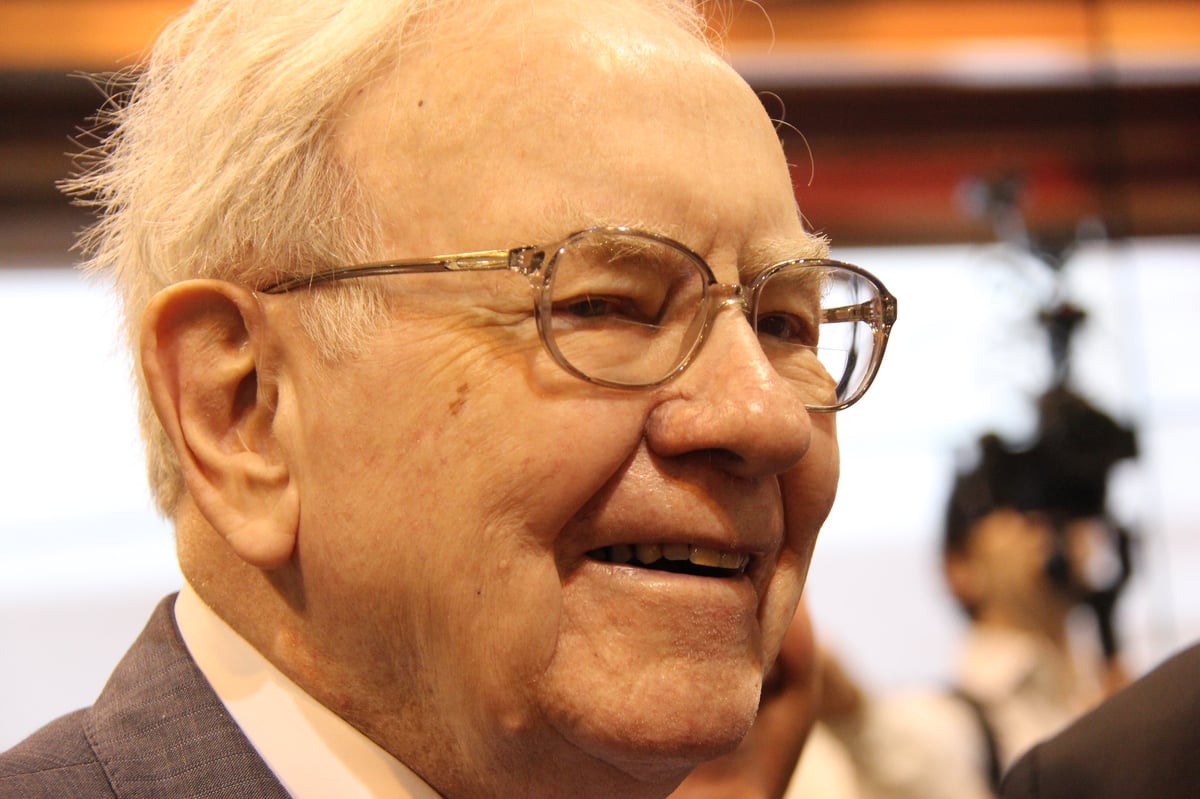
Warren Buffett Steps Down as CEO of Berkshire Hathaway, Greg Abel Takes Over

- Succession Change: Warren Buffett stepped down as CEO at the end of 2025 after over 60 years, with long-time partner Greg Abel taking over, who has excelled in leading the company's energy operations and is expected to continue driving growth.
- Stock Trading Activity: The latest 13F filing revealed that Abel closed 16 stock positions, including Visa, Mastercard, UnitedHealth, Domino's Pizza, and Amazon, a move possibly linked to Buffett delegating investment responsibilities to two lieutenants, one of whom recently departed.
- Increased Google Holdings: Abel purchased 36.4 million shares of Alphabet in Q1, bringing Berkshire's total to over 54 million shares, which constitutes nearly 6% of its total stock portfolio, indicating strong confidence in the company.
- Share Buyback Plan: Abel authorized up to $325 million in share repurchases of Berkshire's own stock, a move that enhances shareholder value by reducing the number of shares outstanding, and he reportedly invested his entire $15 million after-tax salary into Berkshire stock, signaling confidence in the company's future.
See More

Buffett Steps Down, Abel Takes Charge at Berkshire Hathaway
- Leadership Transition: Warren Buffett stepped down as CEO of Berkshire Hathaway after over 60 years, with Greg Abel taking over the reins at the end of 2025, ensuring continuity in the company's investment strategy while Buffett remains involved in providing advice, highlighting stability in governance.
- Portfolio Adjustments: The recent 13F filing revealed that Abel closed positions in 16 stocks, including Visa, Mastercard, and Amazon, indicating a significant shift in investment strategy, likely due to Buffett delegating investment responsibilities to Abel.
- Increased Google Holdings: In Q1, Abel significantly increased Berkshire's stake in Alphabet by acquiring 36.4 million shares, bringing total holdings to over 54 million shares, which constitutes nearly 6% of Berkshire's total portfolio, reflecting confidence in tech stocks and strategic positioning for future growth.
- Stock Buyback Initiative: Abel has authorized up to $325 million for stock repurchases, which is expected to enhance per-share value, and he is reportedly investing his entire after-tax salary of $15 million into Berkshire stock, signaling strong confidence in the company's future prospects.
See More

Nvidia's Q1 Earnings Impress with Huge Dividend Increase


- Earnings Highlights: Nvidia reported $81.6 billion in quarterly revenue for Q1 FY2027, reflecting a 20% quarter-over-quarter and 85% year-over-year increase, showcasing its robust performance in the chip market and solidifying its industry leadership.
- Significant Dividend Increase: The board approved an $80 billion share repurchase authorization and raised the quarterly dividend from $0.01 to $0.25 per share, projecting an annual payout of $24.3 billion, which underscores its strong cash flow and commitment to shareholder returns.
- New Business Model: Nvidia anticipates generating $20 billion in revenue this year from its newly launched Vera Rubin central processing units, indicating its ability to expand in the AI sector and reduce reliance on one-time chip sales.
- Market Outlook: Despite risks of overestimating AI demand, Nvidia's P/E ratio stands at just 33.7, reflecting market confidence in its future growth, particularly driven by the ongoing AI spending cycle, which is expected to sustain strong profitability.
See More

Nvidia Boosts Dividend and Share Buyback Plan Significantly
- Strong Financial Performance: Nvidia reported $81.6 billion in quarterly revenue for Q1 FY2027, reflecting a 20% quarter-over-quarter and 85% year-over-year increase, showcasing robust cash flow growth that supports higher dividend payouts.
- Significant Dividend Increase: The board approved an $80 billion share buyback authorization and raised the quarterly dividend from $0.01 to $0.25 per share, marking a pivotal step in Nvidia's evolution into a mature tech giant.
- Expansion in AI Inference Market: Nvidia expects $20 billion in revenue this year from its new Vera Rubin central processing units, indicating its potential in the AI inference market and the development of new revenue streams.
- Strategic Investment and Risks: Despite a 2400% increase in dividends, Nvidia will pay about $6.08 billion quarterly in dividends, yet it maintains sufficient cash flow to support business expansion and shareholder returns, while facing risks of overestimating AI demand.
See More
Analysis of Investment Opportunities in AI Stocks
- Alphabet AI Growth: Alphabet (GOOGL) is at the forefront of the AI boom, with Google Services sales increasing by 16% year-over-year in Q1, while Google Cloud surged by 63% due to AI enterprise demand, indicating strong revenue acceleration potential.
- Silicon Motion Performance: Silicon Motion Technology (SIMO) has rallied over 170% year-to-date, reporting 23% sequential revenue growth and 105% year-over-year growth in Q1, with Q2 guidance suggesting up to 107% year-over-year revenue growth, reflecting strong long-term demand for AI and memory chips.
- Marvell Revenue Milestone: Marvell Technology (MRVL) achieved a record $2.22 billion in revenue for fiscal Q4 2026, marking a 22% year-over-year growth, with the CEO indicating expectations for accelerated revenue growth in fiscal 2027, showcasing robust market demand.
- AI Infrastructure Investment: The growth of Marvell and Silicon Motion highlights the accelerating investment in AI infrastructure, as rising demand for data center solutions and memory products positions these companies to benefit from this trend in the coming years.
See More
Alphabet's AI Enhances Business Growth
- AI-Driven Growth: Alphabet enhances every part of its business with AI, as Google Cloud reports a 63% year-over-year growth in Q1, indicating strong enterprise demand that is expected to continue driving revenue acceleration.
- Significant Sales Growth: Silicon Motion Technology's stock has surged over 170% year-to-date, with Q1 showing a 23% sequential revenue growth and 105% year-over-year growth, indicating robust performance in the memory chip market that is likely to persist.
- Record Financial Performance: Marvell Technology achieved a 22% year-over-year growth rate in Q4 of fiscal 2026, generating $2.22 billion in revenue, with the CEO projecting accelerated growth for each quarter of fiscal 2027, underscoring the company's critical role in AI infrastructure.
- Huge Market Potential: With rising long-term demand for AI and memory chips, Silicon Motion Technology's Q2 guidance suggests up to 107% year-over-year growth potential, indicating that the company is poised for sustained strong performance in the coming years.
See More
Warren Buffett Steps Down as CEO of Berkshire Hathaway, Greg Abel Takes Over
- Succession Change: Warren Buffett stepped down as CEO at the end of 2025 after over 60 years, with long-time partner Greg Abel taking over, who has excelled in leading the company's energy operations and is expected to continue driving growth.
- Stock Trading Activity: The latest 13F filing revealed that Abel closed 16 stock positions, including Visa, Mastercard, UnitedHealth, Domino's Pizza, and Amazon, a move possibly linked to Buffett delegating investment responsibilities to two lieutenants, one of whom recently departed.
- Increased Google Holdings: Abel purchased 36.4 million shares of Alphabet in Q1, bringing Berkshire's total to over 54 million shares, which constitutes nearly 6% of its total stock portfolio, indicating strong confidence in the company.
- Share Buyback Plan: Abel authorized up to $325 million in share repurchases of Berkshire's own stock, a move that enhances shareholder value by reducing the number of shares outstanding, and he reportedly invested his entire $15 million after-tax salary into Berkshire stock, signaling confidence in the company's future.
See More
Buffett Steps Down, Abel Takes Charge at Berkshire Hathaway
- Leadership Transition: Warren Buffett stepped down as CEO of Berkshire Hathaway after over 60 years, with Greg Abel taking over the reins at the end of 2025, ensuring continuity in the company's investment strategy while Buffett remains involved in providing advice, highlighting stability in governance.
- Portfolio Adjustments: The recent 13F filing revealed that Abel closed positions in 16 stocks, including Visa, Mastercard, and Amazon, indicating a significant shift in investment strategy, likely due to Buffett delegating investment responsibilities to Abel.
- Increased Google Holdings: In Q1, Abel significantly increased Berkshire's stake in Alphabet by acquiring 36.4 million shares, bringing total holdings to over 54 million shares, which constitutes nearly 6% of Berkshire's total portfolio, reflecting confidence in tech stocks and strategic positioning for future growth.
- Stock Buyback Initiative: Abel has authorized up to $325 million for stock repurchases, which is expected to enhance per-share value, and he is reportedly investing his entire after-tax salary of $15 million into Berkshire stock, signaling strong confidence in the company's future prospects.
See More
Nvidia's Q1 Earnings Impress with Huge Dividend Increase
- Earnings Highlights: Nvidia reported $81.6 billion in quarterly revenue for Q1 FY2027, reflecting a 20% quarter-over-quarter and 85% year-over-year increase, showcasing its robust performance in the chip market and solidifying its industry leadership.
- Significant Dividend Increase: The board approved an $80 billion share repurchase authorization and raised the quarterly dividend from $0.01 to $0.25 per share, projecting an annual payout of $24.3 billion, which underscores its strong cash flow and commitment to shareholder returns.
- New Business Model: Nvidia anticipates generating $20 billion in revenue this year from its newly launched Vera Rubin central processing units, indicating its ability to expand in the AI sector and reduce reliance on one-time chip sales.
- Market Outlook: Despite risks of overestimating AI demand, Nvidia's P/E ratio stands at just 33.7, reflecting market confidence in its future growth, particularly driven by the ongoing AI spending cycle, which is expected to sustain strong profitability.
See More
Nvidia Boosts Dividend and Share Buyback Plan Significantly
- Strong Financial Performance: Nvidia reported $81.6 billion in quarterly revenue for Q1 FY2027, reflecting a 20% quarter-over-quarter and 85% year-over-year increase, showcasing robust cash flow growth that supports higher dividend payouts.
- Significant Dividend Increase: The board approved an $80 billion share buyback authorization and raised the quarterly dividend from $0.01 to $0.25 per share, marking a pivotal step in Nvidia's evolution into a mature tech giant.
- Expansion in AI Inference Market: Nvidia expects $20 billion in revenue this year from its new Vera Rubin central processing units, indicating its potential in the AI inference market and the development of new revenue streams.
- Strategic Investment and Risks: Despite a 2400% increase in dividends, Nvidia will pay about $6.08 billion quarterly in dividends, yet it maintains sufficient cash flow to support business expansion and shareholder returns, while facing risks of overestimating AI demand.
See More