Alibaba and Tencent Lose $66 Billion in Market Value Amid AI Uncertainty
Written by Emily J. Thompson, Senior Investment Analyst
Updated: Mar 20 2026
0mins
Should l Buy BABA?
Source: Yahoo Finance
- Significant Market Loss: Alibaba and Tencent collectively lost approximately $66 billion in market value within 24 hours as investors pulled back sharply due to the lack of a clear monetization path for artificial intelligence, indicating that market expectations for AI-driven growth may have been overly optimistic.
- Earnings Pressure Intensifies: Alibaba's quarterly net income fell by 67%, highlighting the dual pressure of rising AI-related costs and a broader consumer slowdown, which further exacerbates market concerns about the company's profitability, with analysts suggesting that sentiment may remain cautious until measurable AI revenue contributions are demonstrated.
- Investment Commitment Lacks Transparency: Although Alibaba is committing over $53 billion toward infrastructure and targeting $100 billion in cloud and AI revenue over five years, the absence of concrete timelines and product strategies has left investors feeling uncertain about the potential returns on these investments.
- Intensifying Competition and Profitability Challenges: Despite Tencent's strong ecosystem and data advantages, it also failed to provide sufficient execution details, and as both companies ramp up spending, including subsidies to attract users during the Lunar New Year AI push, their future profitability will hinge on whether these investments can translate into tangible returns.
Trade with 70% Backtested Accuracy
Stop guessing "Should I Buy BABA?" and start using high-conviction signals backed by rigorous historical data.
Sign up today to access powerful investing tools and make smarter, data-driven decisions.
Analyst Views on BABA
Wall Street analysts forecast BABA stock price to rise
15 Analyst Rating
15 Buy
0 Hold
0 Sell
Strong Buy
Current: 141.120

Low
180.00
Averages
203.09
High
230.00
Current: 141.120
Low
180.00
Averages
203.09
High
230.00
About BABA
Alibaba Group Holding Ltd is an investment holding company mainly engaged in the provision of technology infrastructure and marketing platforms. The Company operates its business through four segments. The Alibaba China E-commerce Group segment is mainly engaged in E-commerce business, including operating Tmall Supermarket and Tmall Global, providing customer management services, product sales, as well as logistics services. It also operates quick commerce business such as Taobao Instant Commerce and Ele.me, as well as the China commerce wholesale business through 1688.com. The Alibaba International Digital Commerce Group segment is mainly engaged in international commerce retail and wholesale business, operating platforms such as AliExpress, Trendyol, Lazada and Alibaba.com. The Cloud Intelligence Group segment mainly provides public and non-public cloud services. The Other segments primarily include the operations of Freshippo, Cainiao, Alibaba Health and other business.
About the author

Emily J. Thompson
Emily J. Thompson, a Chartered Financial Analyst (CFA) with 12 years in investment research, graduated with honors from the Wharton School. Specializing in industrial and technology stocks, she provides in-depth analysis for Intellectia’s earnings and market brief reports.

Fidelity Emerging Markets Multifactor ETF Outperforms Peers


- Five-Year Returns: Fidelity Emerging Markets Multifactor ETF (FDEM) achieved a 52% return over the past five years, significantly outperforming the iShares MSCI Emerging Markets ETF (EEM) at 34%, demonstrating its superior performance across full market cycles, particularly in lower volatility environments.
- Risk-Adjusted Returns: Although FDEM lags during momentum-driven rallies dominated by large tech stocks, its factor screening strategy effectively protects capital during downturns, showcasing better risk-adjusted returns, making it suitable for investors seeking stable returns.
- Investment Strategy: FDEM reweights large- and mid-cap emerging market equities based on factor scores focusing on value, quality, momentum, and lower volatility, aiming to reduce correlation with U.S. equities, thus providing investors with a more diversified portfolio and avoiding concentration risks.
- Market Adaptability: While FDEM may underperform compared to EEM in the short term, its long-term strategy is well-suited for investors looking for more robust returns in emerging markets, especially in a macro environment of a strong dollar and rising rates, where factor tilts can alleviate some pressure.
See More

Cerebras Systems IPO Soars, Reaches $95 Billion Market Cap

- Strong IPO Performance: Cerebras Systems saw its shares surge nearly 70% during its IPO, elevating its market cap to approximately $95 billion, marking the largest IPO of the year and the biggest for a U.S. tech company since Uber in 2019.
- Market Environment Challenges: Despite Cerebras' success providing hope for the tech IPO market, the impending listings of high-valued AI companies like SpaceX and OpenAI make it difficult for other firms to capture investor attention, leading to diminished interest in non-AI companies.
- Industry Dynamics Shift: The IPO of Cerebras offers investors a chance to engage in the AI boom, particularly against the backdrop of a nearly dormant tech IPO market over the past four years, indicating a resurgence in demand for pure-play tech stocks.
- Future Outlook: With the upcoming IPOs of companies like SpaceX, Cerebras' success may encourage more high-value startups to consider going public, although the market still requires more data points to confirm investor receptivity.
See More

Cerebras IPO Sparks Market Focus on SpaceX and AI Giants
- Cerebras IPO Performance: Cerebras shares surged nearly 70% on debut, reaching a market cap of approximately $95 billion, marking the largest IPO of the year and highlighting the intense investor interest in AI companies while underscoring the challenges faced by non-AI firms in attracting attention.
- Market Dynamics Shift: With companies like SpaceX, OpenAI, and Anthropic preparing for IPOs, there is a potential $3 trillion in IPOs expected over the next year, making other companies appear relatively small, especially against the backdrop of the AI boom.
- Investor Sentiment Change: Since early 2022, rising inflation and interest rates have dampened investor enthusiasm for emerging tech companies, with U.S. venture-backed exit values last year falling to less than one-third of the peak in 2021, resulting in almost no tech IPOs this year.
- AI Industry Outlook: Cerebras' success provides investors with an entry point into the AI market, especially following its $20 billion deal with OpenAI, indicating a rapid growth in demand for AI infrastructure and driving increased attention and investment across the sector.
See More

David Tepper Increases Tech Stock Investments


- Amazon Stake Increase: By the end of March, Appaloosa Management increased its Amazon stake by 98%, making it the largest disclosed holding valued at approximately $900 million, indicating strong confidence in e-commerce and cloud computing sectors.
- Uber and Vistra Boost: The hedge fund raised its Uber stake by 242% and increased its Vistra Energy holding by 114%, reflecting an optimistic outlook on the recovery of the mobility and energy markets.
- New Investment in Sandisk: Appaloosa disclosed a new position in Sandisk valued at roughly $179 million at the end of March, highlighting its focus on storage solutions and the growing demand from data centers.
- Reduction in Several Holdings: Despite increasing stakes in several tech stocks, Appaloosa reduced its positions in Alibaba, Alphabet, and Nvidia by 33%, 3%, and 13% respectively, demonstrating a cautious approach amid market volatility.
See More
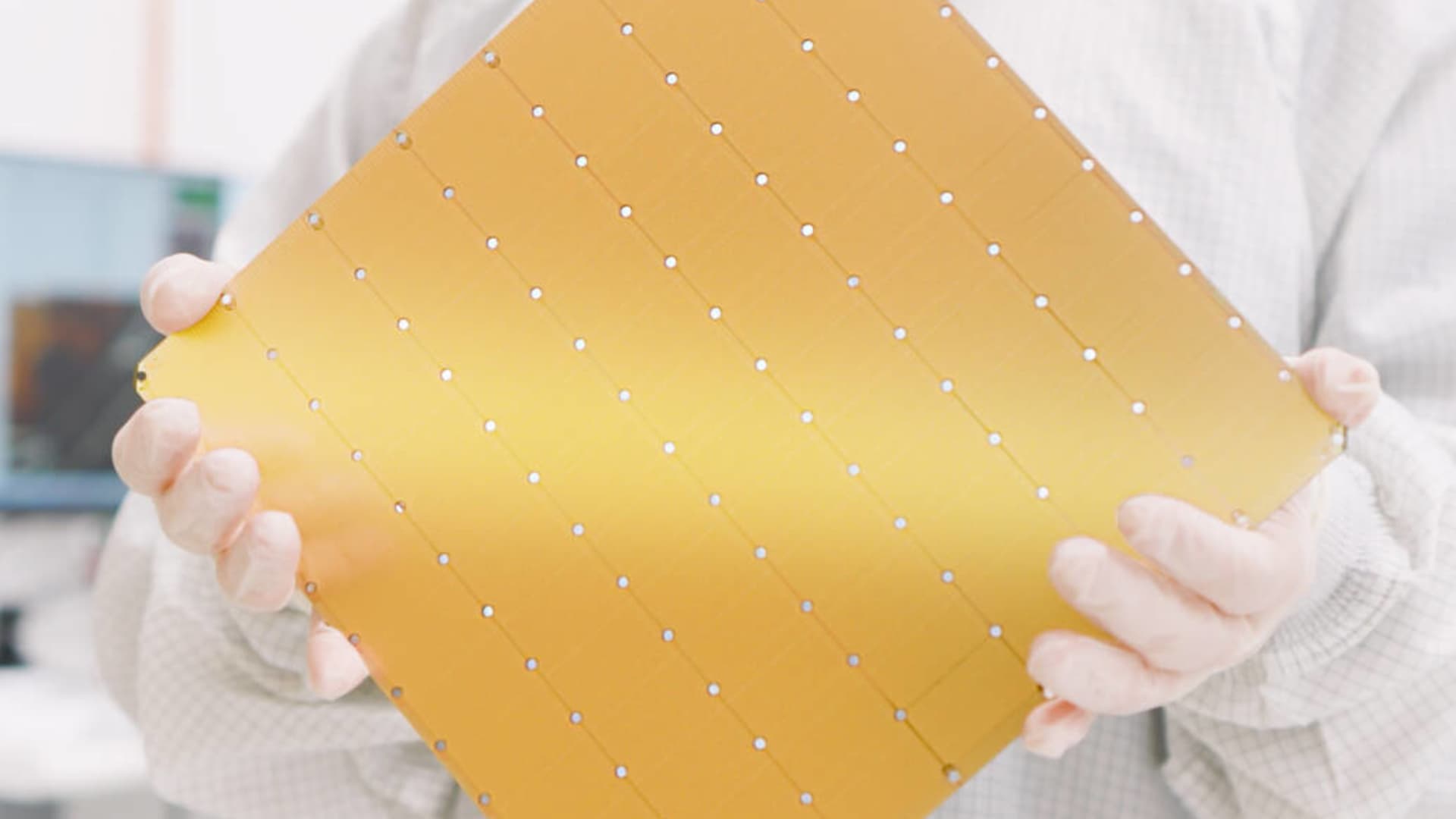
Cerebras IPO Surges, Nears $100 Billion Market Cap

- Strong IPO Performance: Cerebras closed its first day of trading with a market cap nearing $100 billion, marking it as one of the largest IPOs in tech history and signaling robust market demand for AI chips.
- Chip Technology Innovation: The WSE-3 chip from Cerebras is 57 times larger than traditional GPUs and contains 50 times the number of transistors, providing a competitive edge in AI applications despite using a less advanced 5-nanometer process.
- Robust Market Demand: The CFO of Cerebras noted that the overwhelming demand for their fast inference products has led to supply challenges, with expectations of tight capacity until 2027, highlighting the immense potential of the AI chip market.
- Intensifying Industry Competition: The successful IPO of Cerebras paves the way for other custom ASIC startups, particularly as demand for AI chips surges, with competitors like Groq and SambaNova actively vying for market share.
See More

Cerebras' Successful IPO Signals Surge in AI Chip Demand
- Strong IPO Performance: Cerebras closed its first trading day on Wall Street with a market cap nearing $100 billion, marking it as one of the largest IPOs in tech history, reflecting the robust demand for AI chips amid Nvidia's GPU shortages.
- Chip Innovation Advantage: The WSE-3 chip from Cerebras is the size of a dinner plate and boasts 50 times the number of transistors compared to the largest GPU, enabling it to process more information in less time, highlighting its technological leadership in the custom ASIC market.
- Intensifying Market Competition: With Cerebras' successful IPO, other custom ASIC startups like SambaNova and Rebellions are also gearing up for public offerings, indicating a rapidly intensifying competition in the AI chip market and a sustained demand for high-performance chips.
- Cloud Service Expansion: Cerebras primarily operates its chips within its own data centers and has signed a $20 billion cloud service agreement with OpenAI, facing a supply-demand imbalance expected to persist until 2027, further solidifying its market position in cloud computing.
See More
Fidelity Emerging Markets Multifactor ETF Outperforms Peers
- Five-Year Returns: Fidelity Emerging Markets Multifactor ETF (FDEM) achieved a 52% return over the past five years, significantly outperforming the iShares MSCI Emerging Markets ETF (EEM) at 34%, demonstrating its superior performance across full market cycles, particularly in lower volatility environments.
- Risk-Adjusted Returns: Although FDEM lags during momentum-driven rallies dominated by large tech stocks, its factor screening strategy effectively protects capital during downturns, showcasing better risk-adjusted returns, making it suitable for investors seeking stable returns.
- Investment Strategy: FDEM reweights large- and mid-cap emerging market equities based on factor scores focusing on value, quality, momentum, and lower volatility, aiming to reduce correlation with U.S. equities, thus providing investors with a more diversified portfolio and avoiding concentration risks.
- Market Adaptability: While FDEM may underperform compared to EEM in the short term, its long-term strategy is well-suited for investors looking for more robust returns in emerging markets, especially in a macro environment of a strong dollar and rising rates, where factor tilts can alleviate some pressure.
See More
Cerebras Systems IPO Soars, Reaches $95 Billion Market Cap
- Strong IPO Performance: Cerebras Systems saw its shares surge nearly 70% during its IPO, elevating its market cap to approximately $95 billion, marking the largest IPO of the year and the biggest for a U.S. tech company since Uber in 2019.
- Market Environment Challenges: Despite Cerebras' success providing hope for the tech IPO market, the impending listings of high-valued AI companies like SpaceX and OpenAI make it difficult for other firms to capture investor attention, leading to diminished interest in non-AI companies.
- Industry Dynamics Shift: The IPO of Cerebras offers investors a chance to engage in the AI boom, particularly against the backdrop of a nearly dormant tech IPO market over the past four years, indicating a resurgence in demand for pure-play tech stocks.
- Future Outlook: With the upcoming IPOs of companies like SpaceX, Cerebras' success may encourage more high-value startups to consider going public, although the market still requires more data points to confirm investor receptivity.
See More
Cerebras IPO Sparks Market Focus on SpaceX and AI Giants
- Cerebras IPO Performance: Cerebras shares surged nearly 70% on debut, reaching a market cap of approximately $95 billion, marking the largest IPO of the year and highlighting the intense investor interest in AI companies while underscoring the challenges faced by non-AI firms in attracting attention.
- Market Dynamics Shift: With companies like SpaceX, OpenAI, and Anthropic preparing for IPOs, there is a potential $3 trillion in IPOs expected over the next year, making other companies appear relatively small, especially against the backdrop of the AI boom.
- Investor Sentiment Change: Since early 2022, rising inflation and interest rates have dampened investor enthusiasm for emerging tech companies, with U.S. venture-backed exit values last year falling to less than one-third of the peak in 2021, resulting in almost no tech IPOs this year.
- AI Industry Outlook: Cerebras' success provides investors with an entry point into the AI market, especially following its $20 billion deal with OpenAI, indicating a rapid growth in demand for AI infrastructure and driving increased attention and investment across the sector.
See More
David Tepper Increases Tech Stock Investments
- Amazon Stake Increase: By the end of March, Appaloosa Management increased its Amazon stake by 98%, making it the largest disclosed holding valued at approximately $900 million, indicating strong confidence in e-commerce and cloud computing sectors.
- Uber and Vistra Boost: The hedge fund raised its Uber stake by 242% and increased its Vistra Energy holding by 114%, reflecting an optimistic outlook on the recovery of the mobility and energy markets.
- New Investment in Sandisk: Appaloosa disclosed a new position in Sandisk valued at roughly $179 million at the end of March, highlighting its focus on storage solutions and the growing demand from data centers.
- Reduction in Several Holdings: Despite increasing stakes in several tech stocks, Appaloosa reduced its positions in Alibaba, Alphabet, and Nvidia by 33%, 3%, and 13% respectively, demonstrating a cautious approach amid market volatility.
See More
Cerebras IPO Surges, Nears $100 Billion Market Cap
- Strong IPO Performance: Cerebras closed its first day of trading with a market cap nearing $100 billion, marking it as one of the largest IPOs in tech history and signaling robust market demand for AI chips.
- Chip Technology Innovation: The WSE-3 chip from Cerebras is 57 times larger than traditional GPUs and contains 50 times the number of transistors, providing a competitive edge in AI applications despite using a less advanced 5-nanometer process.
- Robust Market Demand: The CFO of Cerebras noted that the overwhelming demand for their fast inference products has led to supply challenges, with expectations of tight capacity until 2027, highlighting the immense potential of the AI chip market.
- Intensifying Industry Competition: The successful IPO of Cerebras paves the way for other custom ASIC startups, particularly as demand for AI chips surges, with competitors like Groq and SambaNova actively vying for market share.
See More
Cerebras' Successful IPO Signals Surge in AI Chip Demand
- Strong IPO Performance: Cerebras closed its first trading day on Wall Street with a market cap nearing $100 billion, marking it as one of the largest IPOs in tech history, reflecting the robust demand for AI chips amid Nvidia's GPU shortages.
- Chip Innovation Advantage: The WSE-3 chip from Cerebras is the size of a dinner plate and boasts 50 times the number of transistors compared to the largest GPU, enabling it to process more information in less time, highlighting its technological leadership in the custom ASIC market.
- Intensifying Market Competition: With Cerebras' successful IPO, other custom ASIC startups like SambaNova and Rebellions are also gearing up for public offerings, indicating a rapidly intensifying competition in the AI chip market and a sustained demand for high-performance chips.
- Cloud Service Expansion: Cerebras primarily operates its chips within its own data centers and has signed a $20 billion cloud service agreement with OpenAI, facing a supply-demand imbalance expected to persist until 2027, further solidifying its market position in cloud computing.
See More