Musk Plans $119 Billion Investment in Chip Manufacturing
Written by Emily J. Thompson, Senior Investment Analyst
Updated: 42 minutes ago
0mins
Should l Buy TSLA?
Source: Fool
- Musk's Chip Ambitions: Musk has announced a potential investment of up to $119 billion to integrate Tesla, SpaceX, and xAI into a vertically integrated chip manufacturer, which could significantly alter the semiconductor landscape despite facing technological and market challenges.
- Tesla's Financial Position: Tesla currently holds $44 billion in cash against nearly $8 billion in debt, with projected capital expenditures of $25 billion this year, potentially leading to negative free cash flow, thereby increasing the risks associated with its chip manufacturing investment.
- Market Impact Analysis: Musk's initiative may pressure existing chip manufacturers like TSMC and Intel, particularly against the backdrop of surging AI compute demand, prompting investors to consider the implications of this new competitor on the industry ecosystem.
- Long-term Strategic Considerations: While Musk's plan carries high risks, his successful track record in electric vehicles and space exploration may provide a foundation for his chip manufacturing venture, warranting close attention from investors regarding developments over the coming years.
Trade with 70% Backtested Accuracy
Stop guessing "Should I Buy TSLA?" and start using high-conviction signals backed by rigorous historical data.
Sign up today to access powerful investing tools and make smarter, data-driven decisions.
Analyst Views on TSLA
Wall Street analysts forecast TSLA stock price to fall
30 Analyst Rating
12 Buy
11 Hold
7 Sell
Hold
Current: 443.300

Low
25.28
Averages
401.93
High
600.00
Current: 443.300
Low
25.28
Averages
401.93
High
600.00
About TSLA
Tesla, Inc. designs, develops, manufactures, sells and leases high-performance fully electric vehicles and energy generation and storage systems, and offers services related to its products. Its segments include automotive, and energy generation and storage. The automotive segment includes the design, development, manufacturing, sales and leasing of high-performance fully electric vehicles, and sales of automotive regulatory credits. It also includes sales of used vehicles, non-warranty maintenance services and collisions, part sales, paid supercharging, insurance services revenue and retail merchandise sales. The energy generation and storage segment include the design, manufacture, installation, sales and leasing of solar energy generation and energy storage products and related services and sales of solar energy systems incentives. Its consumer vehicles include the Model 3, Y, S, X and Cybertruck. Its lithium-ion battery energy storage products include Powerwall and Megapack.
About the author

Emily J. Thompson
Emily J. Thompson, a Chartered Financial Analyst (CFA) with 12 years in investment research, graduated with honors from the Wharton School. Specializing in industrial and technology stocks, she provides in-depth analysis for Intellectia’s earnings and market brief reports.
Musk Plans $119 Billion Investment in Chip Manufacturing

- Musk's Chip Ambitions: Musk has announced a potential investment of up to $119 billion to integrate Tesla, SpaceX, and xAI into a vertically integrated chip manufacturer, which could significantly alter the semiconductor landscape despite facing technological and market challenges.
- Tesla's Financial Position: Tesla currently holds $44 billion in cash against nearly $8 billion in debt, with projected capital expenditures of $25 billion this year, potentially leading to negative free cash flow, thereby increasing the risks associated with its chip manufacturing investment.
- Market Impact Analysis: Musk's initiative may pressure existing chip manufacturers like TSMC and Intel, particularly against the backdrop of surging AI compute demand, prompting investors to consider the implications of this new competitor on the industry ecosystem.
- Long-term Strategic Considerations: While Musk's plan carries high risks, his successful track record in electric vehicles and space exploration may provide a foundation for his chip manufacturing venture, warranting close attention from investors regarding developments over the coming years.
See More
Musk's Chip Dreams and Market Dynamics
- Musk's Chip Initiative: Musk plans to invest up to $119 billion to expand chip production capabilities for Tesla, SpaceX, and xAI, aiming to address the computational needs of his various businesses, which could potentially reshape the competitive landscape of the chip industry.
- Tesla's Financial Position: Tesla currently holds $44 billion in cash and nearly $8 billion in debt, with capital expenditures expected to reach $25 billion this year, which may lead to negative free cash flow, posing risks to its future investment plans.
- Market Response and Investment Opportunities: With Musk's plans, investors should monitor the market dynamics of chip manufacturers like TSMC and Intel, as new supplier competition may emerge, impacting the entire semiconductor ecosystem.
- SaaS Market Recovery: In the software-as-a-service (SaaS) sector, companies like Datadog and Digital Ocean reported strong financial performances, showcasing the driving force of AI technology, which may break the negative narrative of a 'SaaS apocalypse'.
See More

Tesla Raises Model Y Prices in the U.S.
- Price Adjustment: Tesla has raised the prices of its Model Y vehicles in the U.S., with the Model Y premium all-wheel drive now priced at $49,990 after a $1,000 increase, indicating the company's proactive response to market demand.
- Market Strategy: The price of the Model Y premium rear-wheel drive has also been increased to $45,990, aimed at enhancing profit margins while addressing pressures from rising raw material costs.
- Performance Model Pricing: The Model Y Performance all-wheel drive now costs $57,990 following a $500 increase, reflecting Tesla's pricing strategy in the high-end market to attract consumers with higher performance demands.
- Market Reaction: This price adjustment may influence consumer purchasing decisions, as Tesla aims to enhance brand value while maintaining competitiveness in the electric vehicle market.
See More
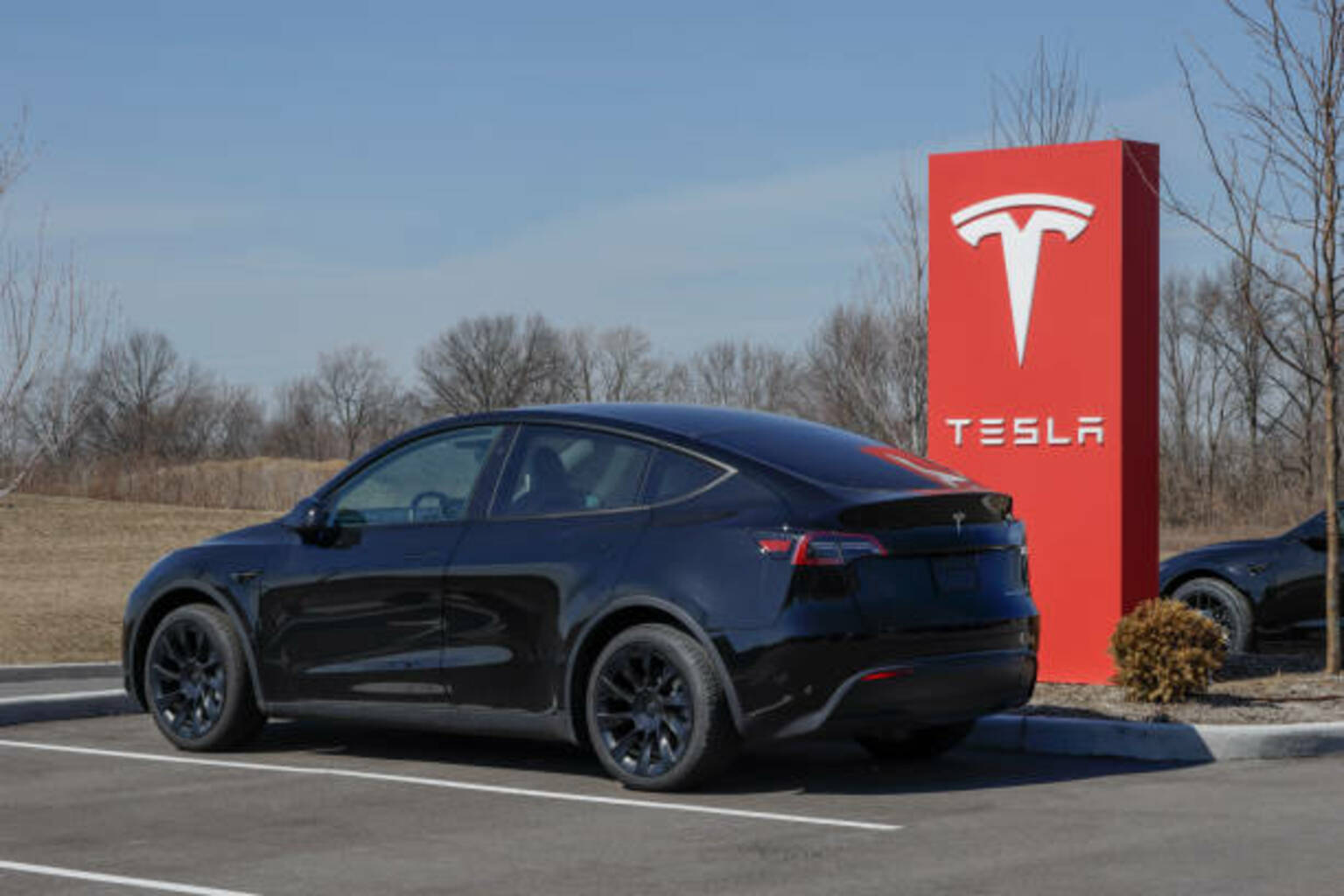
Tesla Raises Model Y Prices for First Time in Two Years
- Price Adjustment: Tesla has raised the prices of its Model Y vehicles in the U.S. for the first time in two years, with increases of up to $1,000, indicating a proactive response to market demand.
- Specific Model Impact: The prices for the Model Y Premium rear-wheel drive and all-wheel drive have been adjusted to $45,990 and $49,990, respectively, while the top-tier Model Y Performance all-wheel drive sees a modest increase of $500, now starting at $57,990, reflecting Tesla's focus on the high-end market.
- Entry-Level Models Unchanged: The entry-level Model Y RWD and base Model Y AWD remain priced at $39,990 and $41,990, respectively, ensuring Tesla's competitive edge in the fiercely contested electric vehicle market.
- Market Reaction Expectations: This price adjustment may influence consumer purchasing decisions, particularly in the high-end segment, as Tesla aims to enhance brand value and profit margins while maintaining appeal in the entry-level market.
See More
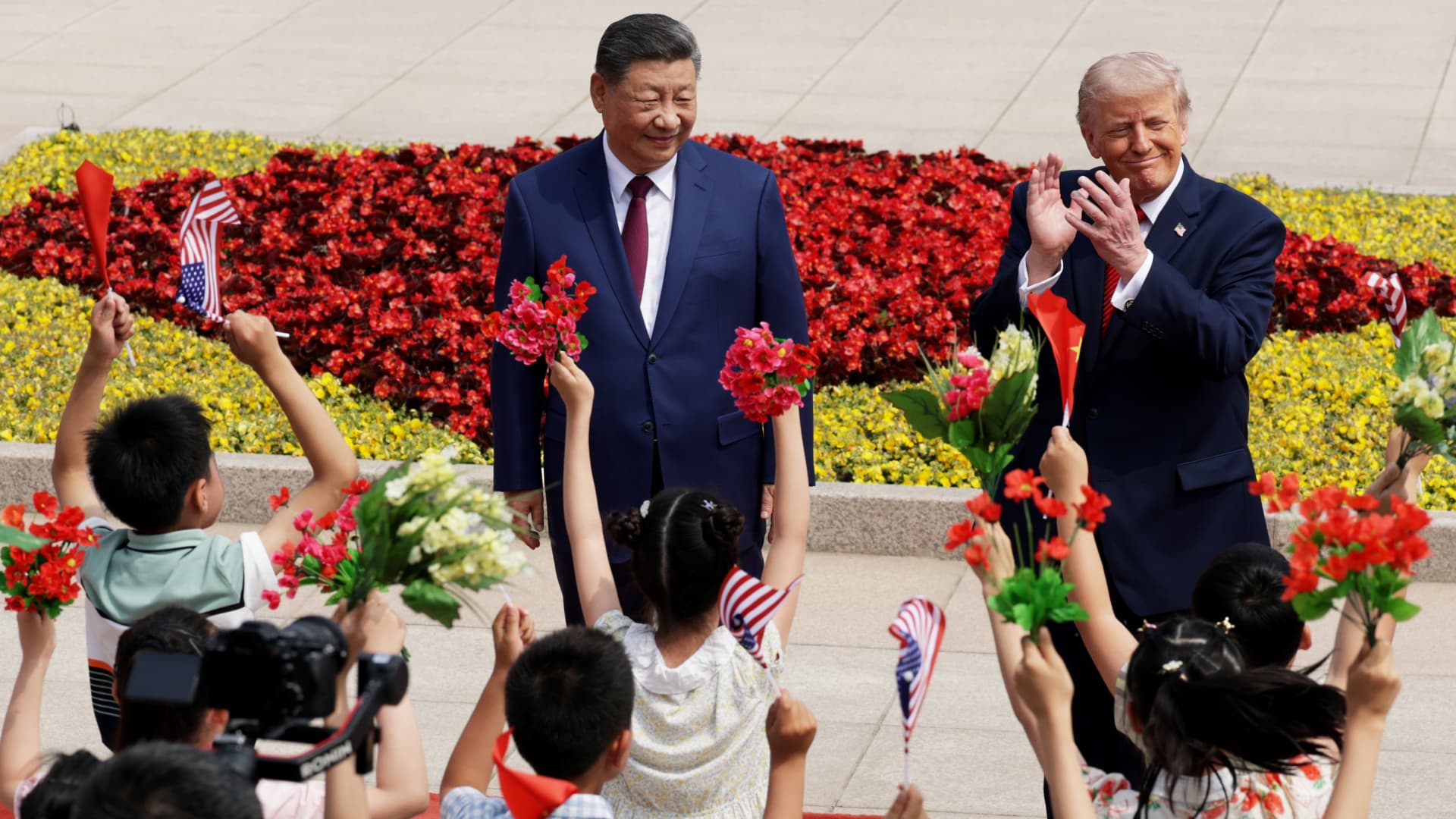
Trump-Xi Meeting Sparks Global Attention
- Warm Interactions: The meeting between Trump and Xi was notably warmer than previous encounters, characterized by long handshakes and smiles, setting a foundation for future bilateral relations despite unresolved issues like Iran.
- Business Banquet: During a state banquet at the Great Hall, Trump referred to Xi as “my friend” and invited him and First Lady Peng Liyuan to visit the White House in September, indicating a potential boost in future business collaborations between the two nations.
- Tech Leaders Spotlight: Elon Musk's interactions with Chinese CEOs at the banquet, particularly a selfie with Xiaomi's Lei Jun that garnered over 20 million views on Weibo, highlight the growing engagement between American and Chinese business leaders.
- Future Outlook: The two sides agreed to work towards a more stable bilateral relationship framework over the next three years, with China committing to increase purchases of American products, although tensions over Taiwan remain a significant concern that could lead to conflicts.
See More
Trump and Xi Reignite US-China Relations

- Historic Visit: President Trump made his first visit to China in nearly a decade, engaging in multiple friendly interactions with Xi Jinping, which may pave the way for future trade negotiations and strengthen bilateral ties.
- Business Banquet: During a state banquet at the Great Hall of the People, Trump referred to Xi as “my friend” and invited him and First Lady Peng Liyuan to visit the White House in September, signaling positive economic cooperation that could boost bilateral trade.
- Tech Leaders Gather: Tesla's CEO Elon Musk mingled with Chinese business leaders like ByteDance's Liang Rubo, with social media buzz around Musk's selfie with Xiaomi's Lei Jun reflecting vibrant US-China tech exchanges that may enhance collaboration in the tech sector.
- Future Relationship Framework: Both sides agreed to work towards a more stable bilateral relationship framework over the next three years, with the Trump administration indicating that China would increase purchases of Boeing aircraft and American agricultural products, although the Taiwan issue remains a potential source of conflict.
See More
Musk Plans $119 Billion Investment in Chip Manufacturing
- Musk's Chip Ambitions: Musk has announced a potential investment of up to $119 billion to integrate Tesla, SpaceX, and xAI into a vertically integrated chip manufacturer, which could significantly alter the semiconductor landscape despite facing technological and market challenges.
- Tesla's Financial Position: Tesla currently holds $44 billion in cash against nearly $8 billion in debt, with projected capital expenditures of $25 billion this year, potentially leading to negative free cash flow, thereby increasing the risks associated with its chip manufacturing investment.
- Market Impact Analysis: Musk's initiative may pressure existing chip manufacturers like TSMC and Intel, particularly against the backdrop of surging AI compute demand, prompting investors to consider the implications of this new competitor on the industry ecosystem.
- Long-term Strategic Considerations: While Musk's plan carries high risks, his successful track record in electric vehicles and space exploration may provide a foundation for his chip manufacturing venture, warranting close attention from investors regarding developments over the coming years.
See More
Musk's Chip Dreams and Market Dynamics
- Musk's Chip Initiative: Musk plans to invest up to $119 billion to expand chip production capabilities for Tesla, SpaceX, and xAI, aiming to address the computational needs of his various businesses, which could potentially reshape the competitive landscape of the chip industry.
- Tesla's Financial Position: Tesla currently holds $44 billion in cash and nearly $8 billion in debt, with capital expenditures expected to reach $25 billion this year, which may lead to negative free cash flow, posing risks to its future investment plans.
- Market Response and Investment Opportunities: With Musk's plans, investors should monitor the market dynamics of chip manufacturers like TSMC and Intel, as new supplier competition may emerge, impacting the entire semiconductor ecosystem.
- SaaS Market Recovery: In the software-as-a-service (SaaS) sector, companies like Datadog and Digital Ocean reported strong financial performances, showcasing the driving force of AI technology, which may break the negative narrative of a 'SaaS apocalypse'.
See More
Tesla Raises Model Y Prices in the U.S.
- Price Adjustment: Tesla has raised the prices of its Model Y vehicles in the U.S., with the Model Y premium all-wheel drive now priced at $49,990 after a $1,000 increase, indicating the company's proactive response to market demand.
- Market Strategy: The price of the Model Y premium rear-wheel drive has also been increased to $45,990, aimed at enhancing profit margins while addressing pressures from rising raw material costs.
- Performance Model Pricing: The Model Y Performance all-wheel drive now costs $57,990 following a $500 increase, reflecting Tesla's pricing strategy in the high-end market to attract consumers with higher performance demands.
- Market Reaction: This price adjustment may influence consumer purchasing decisions, as Tesla aims to enhance brand value while maintaining competitiveness in the electric vehicle market.
See More
Tesla Raises Model Y Prices for First Time in Two Years
- Price Adjustment: Tesla has raised the prices of its Model Y vehicles in the U.S. for the first time in two years, with increases of up to $1,000, indicating a proactive response to market demand.
- Specific Model Impact: The prices for the Model Y Premium rear-wheel drive and all-wheel drive have been adjusted to $45,990 and $49,990, respectively, while the top-tier Model Y Performance all-wheel drive sees a modest increase of $500, now starting at $57,990, reflecting Tesla's focus on the high-end market.
- Entry-Level Models Unchanged: The entry-level Model Y RWD and base Model Y AWD remain priced at $39,990 and $41,990, respectively, ensuring Tesla's competitive edge in the fiercely contested electric vehicle market.
- Market Reaction Expectations: This price adjustment may influence consumer purchasing decisions, particularly in the high-end segment, as Tesla aims to enhance brand value and profit margins while maintaining appeal in the entry-level market.
See More
Trump-Xi Meeting Sparks Global Attention
- Warm Interactions: The meeting between Trump and Xi was notably warmer than previous encounters, characterized by long handshakes and smiles, setting a foundation for future bilateral relations despite unresolved issues like Iran.
- Business Banquet: During a state banquet at the Great Hall, Trump referred to Xi as “my friend” and invited him and First Lady Peng Liyuan to visit the White House in September, indicating a potential boost in future business collaborations between the two nations.
- Tech Leaders Spotlight: Elon Musk's interactions with Chinese CEOs at the banquet, particularly a selfie with Xiaomi's Lei Jun that garnered over 20 million views on Weibo, highlight the growing engagement between American and Chinese business leaders.
- Future Outlook: The two sides agreed to work towards a more stable bilateral relationship framework over the next three years, with China committing to increase purchases of American products, although tensions over Taiwan remain a significant concern that could lead to conflicts.
See More
Trump and Xi Reignite US-China Relations
- Historic Visit: President Trump made his first visit to China in nearly a decade, engaging in multiple friendly interactions with Xi Jinping, which may pave the way for future trade negotiations and strengthen bilateral ties.
- Business Banquet: During a state banquet at the Great Hall of the People, Trump referred to Xi as “my friend” and invited him and First Lady Peng Liyuan to visit the White House in September, signaling positive economic cooperation that could boost bilateral trade.
- Tech Leaders Gather: Tesla's CEO Elon Musk mingled with Chinese business leaders like ByteDance's Liang Rubo, with social media buzz around Musk's selfie with Xiaomi's Lei Jun reflecting vibrant US-China tech exchanges that may enhance collaboration in the tech sector.
- Future Relationship Framework: Both sides agreed to work towards a more stable bilateral relationship framework over the next three years, with the Trump administration indicating that China would increase purchases of Boeing aircraft and American agricultural products, although the Taiwan issue remains a potential source of conflict.
See More