Abu Dhabi Smelter Shutdown Sparks Aluminum Price Surge
Written by Emily J. Thompson, Senior Investment Analyst
Updated: Apr 01 2026
0mins

Should l Buy AA?
Source: stocktwits
- Aluminum Price Surge: The shutdown of the Abu Dhabi smelter due to strikes has led to a 2% increase in aluminum prices on the London Metal Exchange, indicating market concerns over supply disruptions that could lead to further price volatility.
- Smelter Operations Halted: Emirates Global Aluminium was forced to halt operations at its Al Taweelah smelter after it was struck by Iranian missiles and drones, resulting in a power loss that impacts aluminum production capacity and may exert pressure on the global aluminum supply chain.
- Analyst Rating Upgrades: JPMorgan upgraded Alcoa's rating from 'Underweight' to 'Neutral' with a price target increase from $50 to $68, reflecting a positive outlook on the aluminum market, particularly amid rising regional supply risks.
- Positive Market Reaction: Shares of Alcoa, Kaiser Aluminum, and Century Aluminum have gained 32%, 11.5%, and 57.5% respectively this year, demonstrating strong investor confidence in the aluminum sector, especially in light of the current geopolitical tensions.
Trade with 70% Backtested Accuracy
Stop guessing "Should I Buy AA?" and start using high-conviction signals backed by rigorous historical data.
Sign up today to access powerful investing tools and make smarter, data-driven decisions.
Analyst Views on AA
Wall Street analysts forecast AA stock price to fall
8 Analyst Rating
2 Buy
4 Hold
2 Sell
Hold
Current: 67.150

Low
38.00
Averages
57.63
High
78.00
Current: 67.150
Low
38.00
Averages
57.63
High
78.00
About AA
Alcoa Corporation is a vertically integrated aluminum company comprised of bauxite mining, alumina refining, aluminum production (smelting and casting), and energy generation. The Company's operations are comprised of two business segments: Alumina and Aluminum. The Alumina segment primarily consists of its bauxite mines and alumina refineries, and its operations include the mining of bauxite and other aluminous ores, as well as the refining, production, and sale of smelter grade and non-metallurgical alumina. The alumina produced by this segment is sold primarily to internal and external aluminum smelter customers; a portion of the alumina is sold to external customers who process it into industrial chemical products. The Aluminum segment consists of the Company's aluminum smelting and casting operations along with the Company's energy production assets in Brazil, Canada, and the United States. It has direct and indirect ownership of over 25 operating locations across eight countries.
About the author

Emily J. Thompson
Emily J. Thompson, a Chartered Financial Analyst (CFA) with 12 years in investment research, graduated with honors from the Wharton School. Specializing in industrial and technology stocks, she provides in-depth analysis for Intellectia’s earnings and market brief reports.

American Airlines CEO Denies Merger Talks with United Airlines

- Merger Rumors Dismissed: American Airlines' CEO stated that the company is not engaged in any merger discussions with United Airlines, leading to a swift decline in market expectations and a stock drop of approximately 3.3%.
- Trump's Statement Impact: Trump's comments against the merger, emphasizing the strong performance of both airlines, further dampened investor hopes for a deal, likely prompting more sell-offs in the stock market.
- Rising Oil Price Pressure: Renewed tensions between the U.S. and Iran have driven oil prices higher, increasing fuel costs for airlines and potentially stunting consumer demand, which could hinder the recovery of the airline sector.
- Upcoming Earnings Report: American Airlines is set to report its first-quarter earnings for 2026 on Thursday, which will provide investors with more insights into pricing pressures observed in March and management's outlook on the future environment.
See More

ALCOA CORP - NOTICE OF OFFICER INTEREST CHANGE

Change of Officers: ALCORP has announced a change in its officer's interest, indicating a shift in leadership or management structure.
Notice Issued: A formal notice regarding the change has been issued, likely to inform stakeholders and comply with regulatory requirements.
See More

US Stocks Surge as Oil Prices Plunge Amid Peace Talks


- Market Rally: The S&P 500 rose 1.20% and the Nasdaq 100 increased by 1.29%, reaching all-time highs, reflecting investor optimism regarding US-Iran peace talks, which may enhance risk appetite in the markets.
- Oil Price Plunge: WTI crude prices fell over 11% to a five-week low after Iran announced the Strait of Hormuz is fully open, easing inflation concerns and causing the 10-year T-note yield to drop 7 basis points to 4.24%.
- Strong Earnings Season: The earnings season started robustly, with 81% of the 48 S&P 500 companies reporting Q1 earnings exceeding estimates, projecting a 12% year-over-year increase in earnings, providing strong support for the stock market.
- Airline Stocks Surge: Airline stocks surged as fuel costs decreased, with Alaska Air Group (ALK) rising over 10% and Royal Caribbean Cruises Ltd (RCL) up more than 7%, indicating market confidence in the recovery of the airline industry.
See More

Alcoa Reports Q1 Earnings Miss, Shares Drop Over 6%
- Earnings Decline: Alcoa (AA) reported an adjusted EPS of $1.40 for Q1, missing estimates by $0.15, with revenue of $3.19 billion reflecting a 5% year-over-year decline, indicating significant pressure from lower alumina shipments and pricing on its financial performance.
- ETF Ranking Analysis: Among 12 ETFs with exposure to Alcoa, the State Street SPDR S&P Metals & Mining ETF (XME) leads with a Quant Rating of 4.39, suggesting strong market confidence in this ETF, which may attract investor interest.
- Diverse Investment Opportunities: The ETF list includes a variety of strategies, from basic materials to momentum-focused ETFs, providing diverse investment options, particularly with mid-cap value index funds from reputable firms like Vanguard and iShares, reflecting market demand for different investment styles.
- Rating System Insights: Seeking Alpha's Quant Rating system evaluates funds based on critical metrics such as valuation, growth, stock momentum, and profitability, with ratings ranging from 1 to 5, where scores above 3.5 are bullish and below 2.5 are bearish, indicating a cautious market sentiment towards investments related to Alcoa.
See More
US Stocks Rally as Oil Prices Plunge Amid Peace Talks
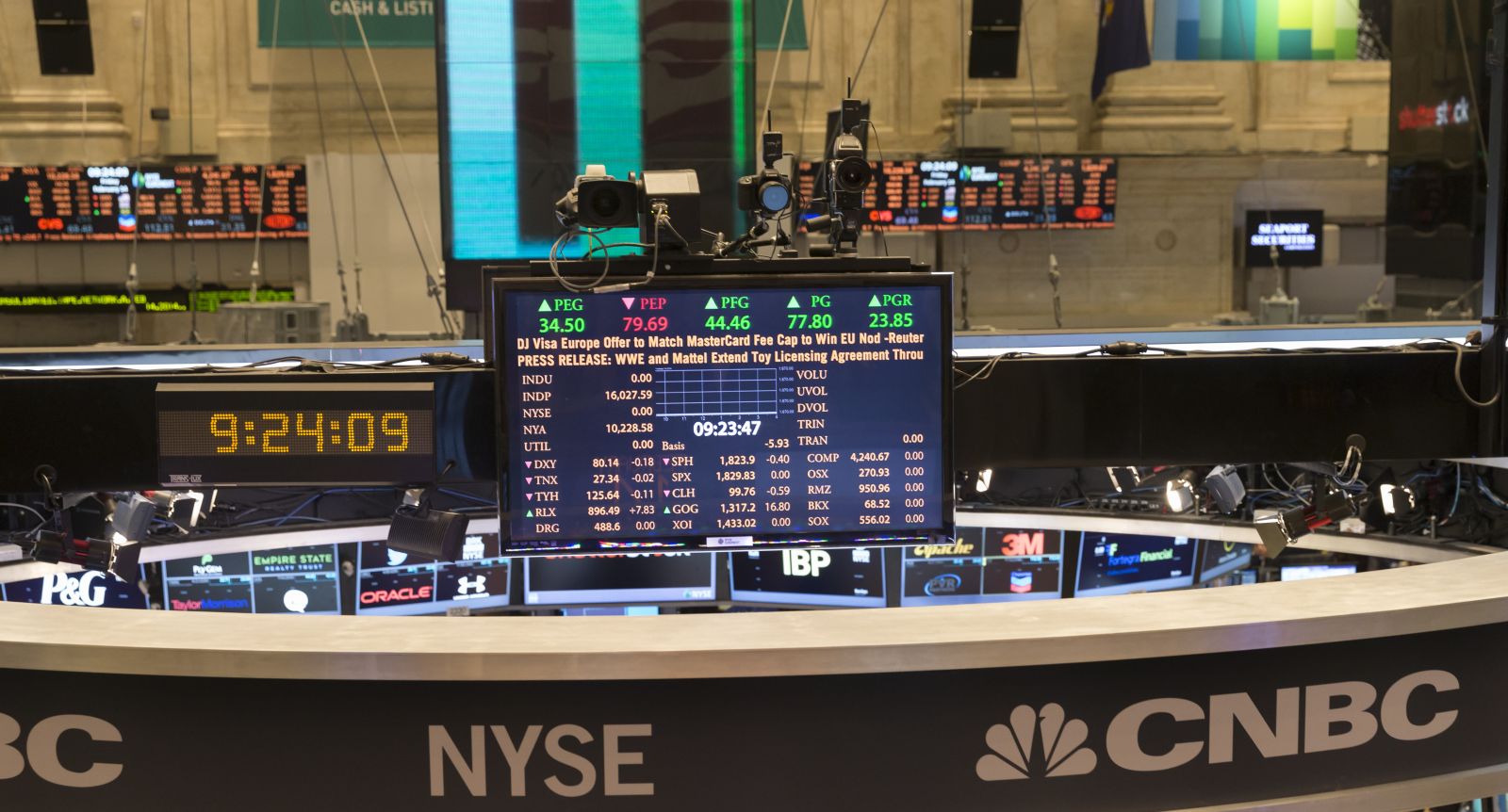
- Market Surge: The S&P 500 rose by 1.28% and the Nasdaq 100 reached an all-time high, reflecting investor optimism driven by peace talks between the US and Iran, which may enhance risk appetite and bolster overall market confidence.
- Oil Price Plunge: WTI crude oil prices fell over 13% to a five-week low after the Strait of Hormuz reopened, easing inflation concerns and causing the 10-year Treasury yield to drop by 8 basis points, further supporting the bond market.
- Earnings Growth Expectations: Q1 earnings for the S&P 500 are projected to increase by 12% year-over-year, although excluding the tech sector, growth is only 3%, indicating resilience in corporate performance amid economic recovery and providing market support.
- Airline Stocks Soar: With reduced fuel costs, Alaska Air Group and United Airlines surged by over 14% and 11%, respectively, demonstrating the positive impact of falling oil prices on the airline industry, which could enhance profitability for related companies.
See More

Energy Stocks Plummet While Travel Stocks Rally

- Energy Stocks Plummet: Energy stocks fell sharply as oil prices dropped over 12% after Iran opened the Strait of Hormuz during the ceasefire between Israel and Lebanon, with APA Corporation down more than 9% and Valero Energy falling over 8.5%, negatively impacting overall confidence in the energy sector.
- Travel Stocks Rally: Following Iran's announcement to open the Strait of Hormuz for commercial shipping, Royal Caribbean surged 9.7%, United Airlines jumped over 9%, and Expedia gained 5%, reflecting optimistic market sentiment regarding travel recovery.
- Critical Metals Surge: Greenland's government approved the transfer of a 50.5% interest in Tanbreez Mining to Critical Metals, increasing its stake in the rare earths mine to 92.5%, which propelled the company's shares up over 40%, highlighting the strategic importance of rare earth resources.
- Netflix Disappoints: Streaming giant Netflix saw its stock drop 9% as it projected second-quarter earnings of 78 cents per share, missing the 84 cents forecast by analysts, compounded by co-founder Reed Hastings' announcement to leave the board in June, further dampening investor confidence.
See More
American Airlines CEO Denies Merger Talks with United Airlines
- Merger Rumors Dismissed: American Airlines' CEO stated that the company is not engaged in any merger discussions with United Airlines, leading to a swift decline in market expectations and a stock drop of approximately 3.3%.
- Trump's Statement Impact: Trump's comments against the merger, emphasizing the strong performance of both airlines, further dampened investor hopes for a deal, likely prompting more sell-offs in the stock market.
- Rising Oil Price Pressure: Renewed tensions between the U.S. and Iran have driven oil prices higher, increasing fuel costs for airlines and potentially stunting consumer demand, which could hinder the recovery of the airline sector.
- Upcoming Earnings Report: American Airlines is set to report its first-quarter earnings for 2026 on Thursday, which will provide investors with more insights into pricing pressures observed in March and management's outlook on the future environment.
See More
ALCOA CORP - NOTICE OF OFFICER INTEREST CHANGE
Change of Officers: ALCORP has announced a change in its officer's interest, indicating a shift in leadership or management structure.
Notice Issued: A formal notice regarding the change has been issued, likely to inform stakeholders and comply with regulatory requirements.
See More
US Stocks Surge as Oil Prices Plunge Amid Peace Talks
- Market Rally: The S&P 500 rose 1.20% and the Nasdaq 100 increased by 1.29%, reaching all-time highs, reflecting investor optimism regarding US-Iran peace talks, which may enhance risk appetite in the markets.
- Oil Price Plunge: WTI crude prices fell over 11% to a five-week low after Iran announced the Strait of Hormuz is fully open, easing inflation concerns and causing the 10-year T-note yield to drop 7 basis points to 4.24%.
- Strong Earnings Season: The earnings season started robustly, with 81% of the 48 S&P 500 companies reporting Q1 earnings exceeding estimates, projecting a 12% year-over-year increase in earnings, providing strong support for the stock market.
- Airline Stocks Surge: Airline stocks surged as fuel costs decreased, with Alaska Air Group (ALK) rising over 10% and Royal Caribbean Cruises Ltd (RCL) up more than 7%, indicating market confidence in the recovery of the airline industry.
See More
Alcoa Reports Q1 Earnings Miss, Shares Drop Over 6%
- Earnings Decline: Alcoa (AA) reported an adjusted EPS of $1.40 for Q1, missing estimates by $0.15, with revenue of $3.19 billion reflecting a 5% year-over-year decline, indicating significant pressure from lower alumina shipments and pricing on its financial performance.
- ETF Ranking Analysis: Among 12 ETFs with exposure to Alcoa, the State Street SPDR S&P Metals & Mining ETF (XME) leads with a Quant Rating of 4.39, suggesting strong market confidence in this ETF, which may attract investor interest.
- Diverse Investment Opportunities: The ETF list includes a variety of strategies, from basic materials to momentum-focused ETFs, providing diverse investment options, particularly with mid-cap value index funds from reputable firms like Vanguard and iShares, reflecting market demand for different investment styles.
- Rating System Insights: Seeking Alpha's Quant Rating system evaluates funds based on critical metrics such as valuation, growth, stock momentum, and profitability, with ratings ranging from 1 to 5, where scores above 3.5 are bullish and below 2.5 are bearish, indicating a cautious market sentiment towards investments related to Alcoa.
See More
US Stocks Rally as Oil Prices Plunge Amid Peace Talks
- Market Surge: The S&P 500 rose by 1.28% and the Nasdaq 100 reached an all-time high, reflecting investor optimism driven by peace talks between the US and Iran, which may enhance risk appetite and bolster overall market confidence.
- Oil Price Plunge: WTI crude oil prices fell over 13% to a five-week low after the Strait of Hormuz reopened, easing inflation concerns and causing the 10-year Treasury yield to drop by 8 basis points, further supporting the bond market.
- Earnings Growth Expectations: Q1 earnings for the S&P 500 are projected to increase by 12% year-over-year, although excluding the tech sector, growth is only 3%, indicating resilience in corporate performance amid economic recovery and providing market support.
- Airline Stocks Soar: With reduced fuel costs, Alaska Air Group and United Airlines surged by over 14% and 11%, respectively, demonstrating the positive impact of falling oil prices on the airline industry, which could enhance profitability for related companies.
See More
Energy Stocks Plummet While Travel Stocks Rally
- Energy Stocks Plummet: Energy stocks fell sharply as oil prices dropped over 12% after Iran opened the Strait of Hormuz during the ceasefire between Israel and Lebanon, with APA Corporation down more than 9% and Valero Energy falling over 8.5%, negatively impacting overall confidence in the energy sector.
- Travel Stocks Rally: Following Iran's announcement to open the Strait of Hormuz for commercial shipping, Royal Caribbean surged 9.7%, United Airlines jumped over 9%, and Expedia gained 5%, reflecting optimistic market sentiment regarding travel recovery.
- Critical Metals Surge: Greenland's government approved the transfer of a 50.5% interest in Tanbreez Mining to Critical Metals, increasing its stake in the rare earths mine to 92.5%, which propelled the company's shares up over 40%, highlighting the strategic importance of rare earth resources.
- Netflix Disappoints: Streaming giant Netflix saw its stock drop 9% as it projected second-quarter earnings of 78 cents per share, missing the 84 cents forecast by analysts, compounded by co-founder Reed Hastings' announcement to leave the board in June, further dampening investor confidence.
See More