75-Year-Old Fast Food Chain Shuts Down 200 Locations in Struggle for Survival


Impact of Consumer Spending: Lower-income Americans are visiting quick-service restaurants (QSRs) less frequently due to tightened budgets, with over 40% reporting reduced visits, contrasting with only 30% of higher-income individuals.
Jack in the Box Struggles: The fast-food chain Jack in the Box is facing significant challenges, including a 7.4% decline in same-store sales and a drop in restaurant-level margins, prompting a need for operational restructuring.
Debt and Divestiture: Jack in the Box has sold its Del Taco brand for $115 million, a substantial loss compared to its acquisition cost, as part of a strategy to reduce debt and focus on its core business.
Future Plans: The company is implementing a "Jack on Track" plan aimed at improving operational efficiency, closing underperforming locations, and stabilizing its financial situation to drive growth in the coming years.
Trade with 70% Backtested Accuracy
Analyst Views on SBUX

About SBUX
About the author

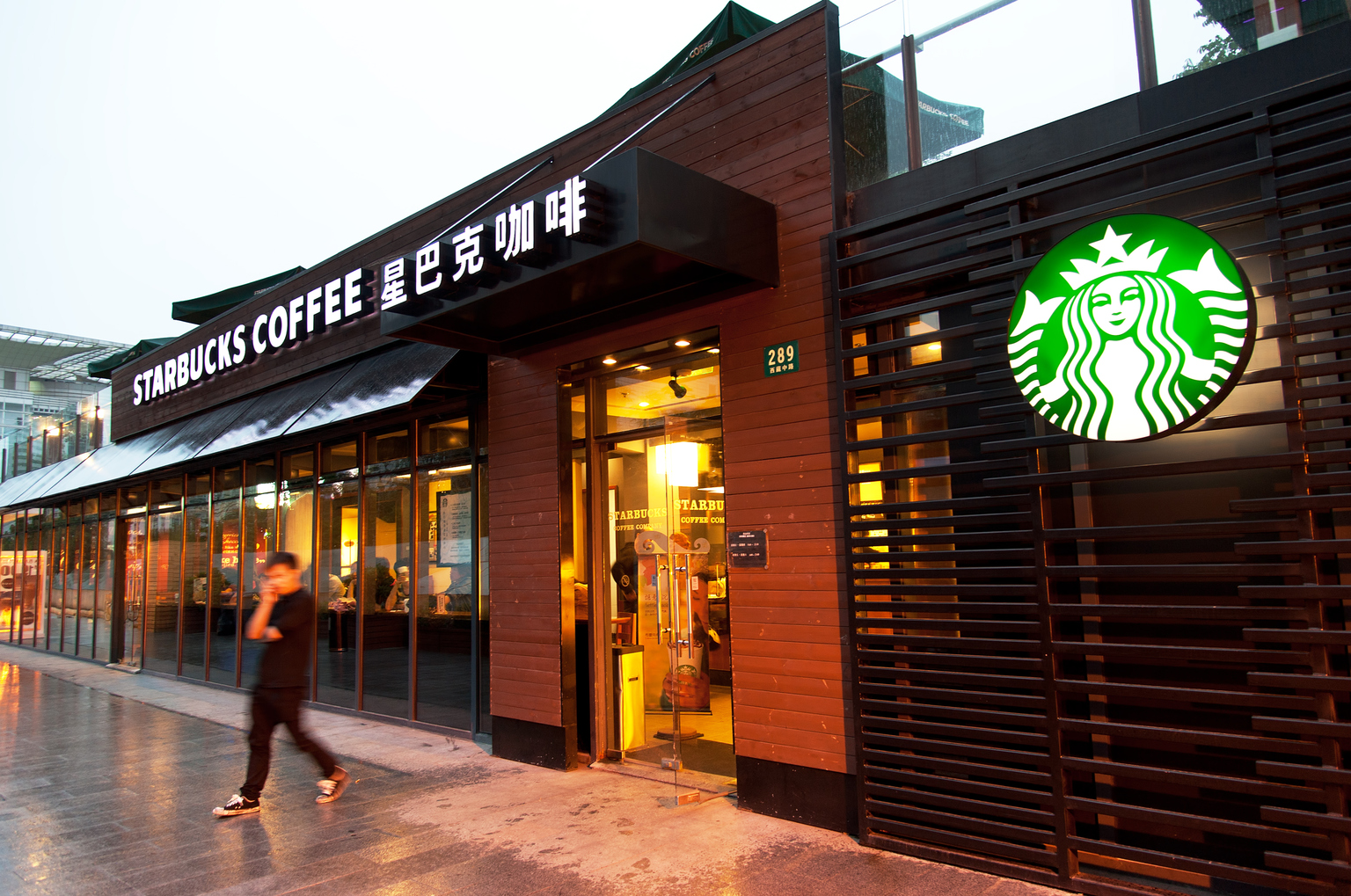
Starbucks Finalizes Deal with Boyu Capital for China Operations

- Ownership Structure Change: Starbucks has finalized an agreement with Boyu Capital, granting Boyu-managed funds a 60% stake in Starbucks China's retail operations, while Starbucks retains a 40% ownership, ensuring brand and intellectual property integrity.
- Business Model Transformation: The deal transitions Starbucks to a licensed operating model, aiming to expand from approximately 8,000 stores to 20,000, significantly enhancing market coverage and customer experience.
- Market Valuation Increase: Starbucks projects its China retail business to be valued at over $13 billion, with the deal's enterprise value set at around $4 billion, indicating strong long-term growth potential in the Chinese market.
- Strategic Partnership Significance: The joint venture aims to enhance Starbucks' expansion capabilities and local relevance in China while elevating customer experience, reflecting the company's strategic focus on the Chinese market's future growth.
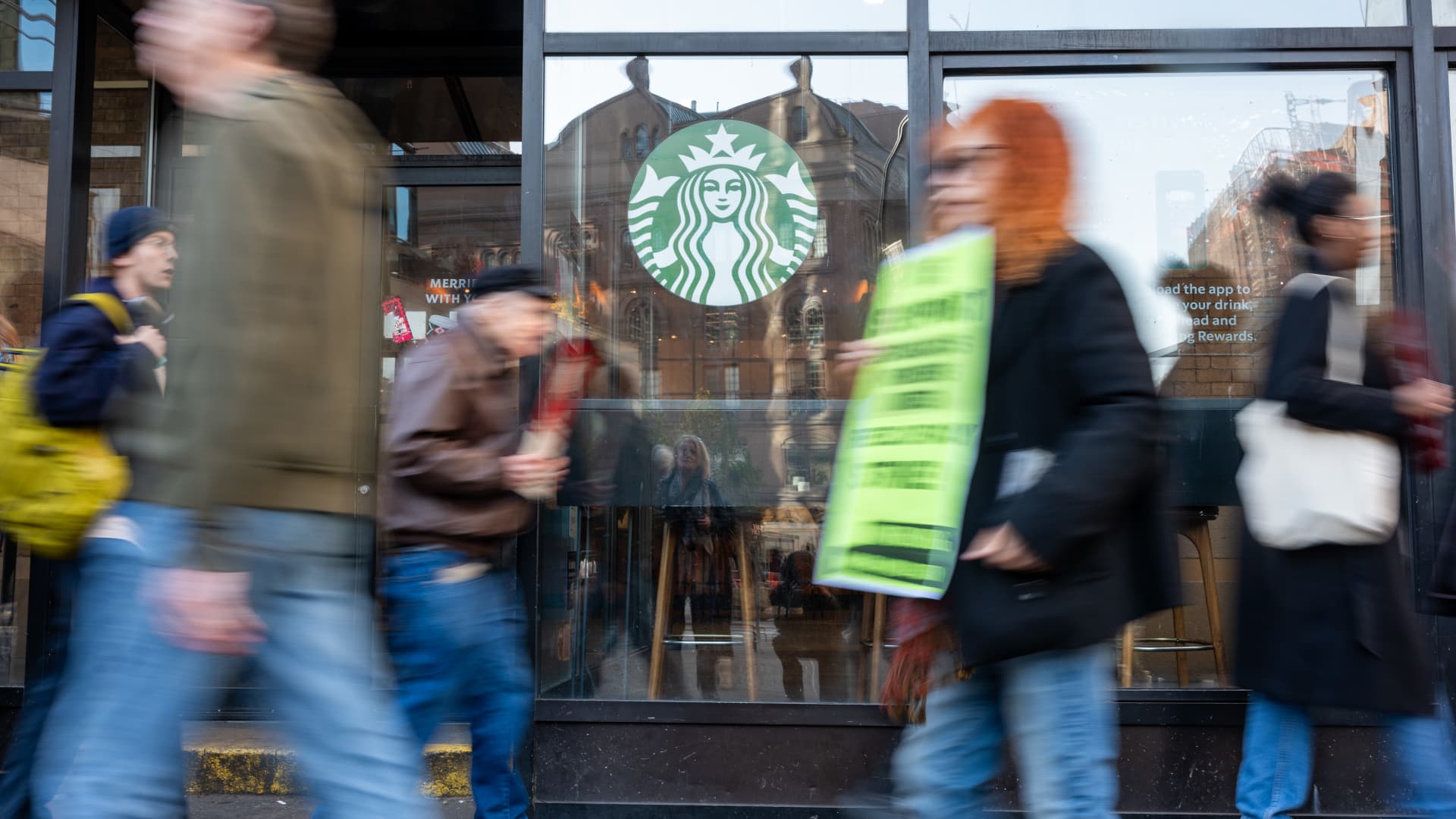
Starbucks Introduces Quarterly Bonus Program for Baristas
- Quarterly Bonus Incentive: Starbucks has announced a quarterly bonus of $300 for baristas and shift supervisors who meet specific sales, operational, and customer service metrics, supporting the company's ongoing turnaround efforts, with the first payout expected in the fall.
- Union Impact: Baristas at union-represented locations may not receive the quarterly bonuses until a collective bargaining agreement is reached, affecting approximately 5% of U.S. stores, highlighting the complexities of negotiations between the company and the union.
- Employee Pay Increase: Combined with the new bonus program, baristas could see their pay rise by as much as 8%, and all U.S. employees will be paid weekly starting in August, which will help improve employee satisfaction and retention rates.
- New Tipping Methods: Starbucks also announced new tipping options for customers, allowing those who pay through the mobile app to tip, which will further enhance barista earnings and improve the overall customer experience.

Starbucks Closes Joint Venture with Boyu Capital
- Joint Venture Formation: Starbucks officially closes its joint venture with Boyu Capital, with Boyu holding a 60% stake and Starbucks retaining 40%, marking a significant milestone in Starbucks' long-term strategy for sustainable growth in China.
- Market Expansion Plans: The joint venture will oversee approximately 8,000 coffeehouses, with aspirations to grow to 20,000 locations over time, enhancing customer experience through localization strategies and solidifying Starbucks' leadership in the Chinese market.
- Executive Confidence: CEO Brian Niccol expressed that this partnership will accelerate growth in China, combining the trusted global brand with local expertise to better serve customers and enter more cities.
- Strategic Partnership Outlook: Boyu Capital partner Alex Wong emphasized that supporting Starbucks' growth in China will enhance brand relevance, with the joint venture focusing on innovation and expansion to improve profitability and meet the needs of diverse communities.
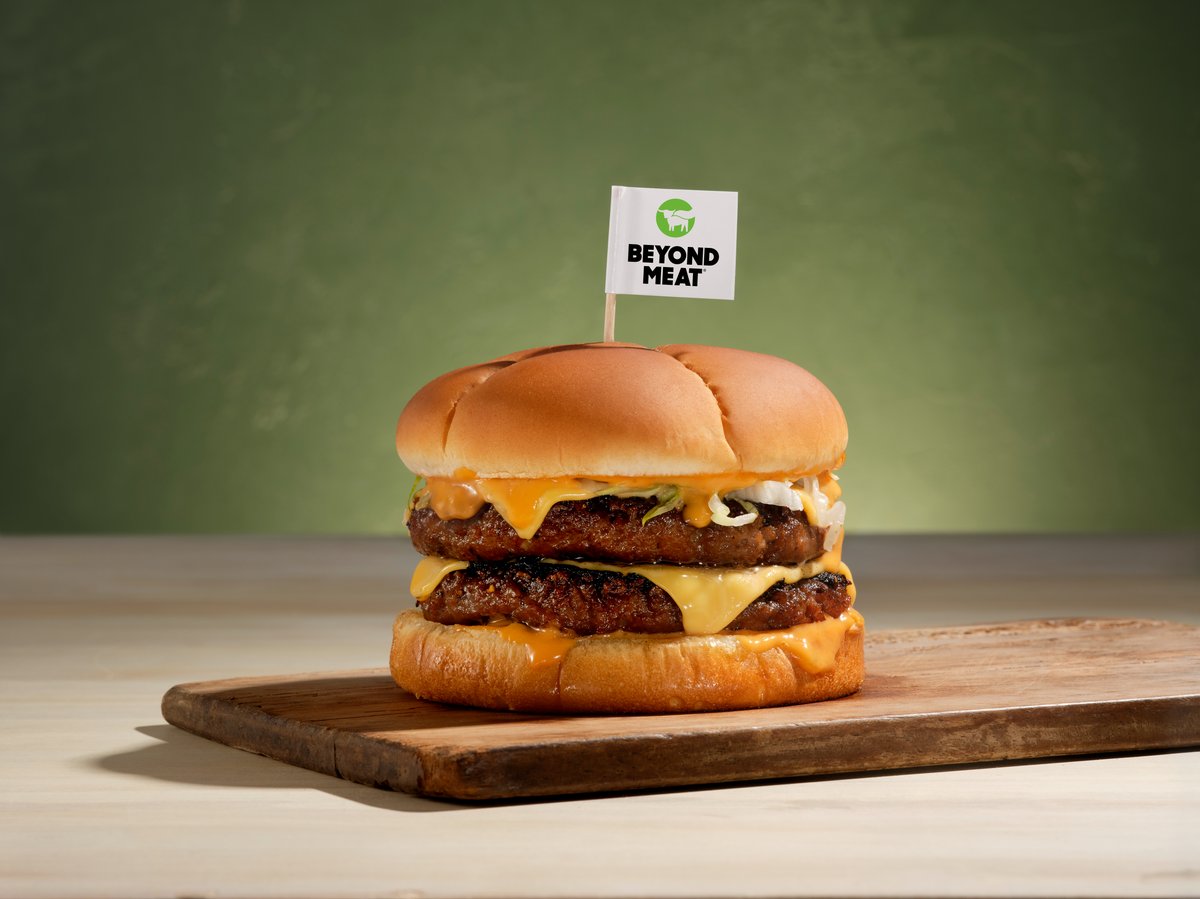
Beyond Meat Faces Financial Crisis Amid Accounting Issues

- Delayed Financial Reporting: Beyond Meat has postponed its fourth-quarter earnings report and 10-K filing due to identified material weaknesses in financial reporting, raising significant investor concerns about transparency and negatively impacting stock performance.
- Severe Inventory Issues: The company has identified major weaknesses in accounting controls related to inventory, leading to understatements of costs and expenses in the first three quarters, reflecting deep-rooted financial management issues that could further erode market confidence.
- Significant Performance Decline: Revenue for the fourth quarter fell by 19.7% to $61.6 million, with gross profit plummeting from $10 million to $1.4 million, and adjusted EBITDA losses widening to $69 million, highlighting the company's vulnerability in a competitive market.
- Persistent Stock Decline: Beyond Meat's stock has now fallen below $1, with projected revenue for Q1 2026 expected to decline by 15%, and with compounding financial issues and business challenges, the prospects for recovery appear increasingly bleak.

Beyond Meat Faces Major Financial Reporting Weaknesses
- Financial Reporting Weakness: Beyond Meat identified significant weaknesses in its financial reporting, leading to a delay in its 10-K filing, which raises concerns about the company's inventory accounting controls and could undermine investor confidence.
- Revenue Decline: The company reported a 19.7% year-over-year revenue drop in Q4, down to $61.6 million, with gross profit plummeting from $10 million to $1.4 million, indicating weak market demand and deteriorating profitability.
- Widening Losses: Adjusted EBITDA losses widened from $26 million to $69 million, highlighting major challenges in cost control and operational efficiency, casting a dim outlook for any potential recovery.
- Stock Price Plunge: Amid financial troubles and negative market sentiment, Beyond Meat's stock fell 24% last month and dropped another 11.6% on April 1, now trading below $1, reflecting investors' pessimism about its future prospects.
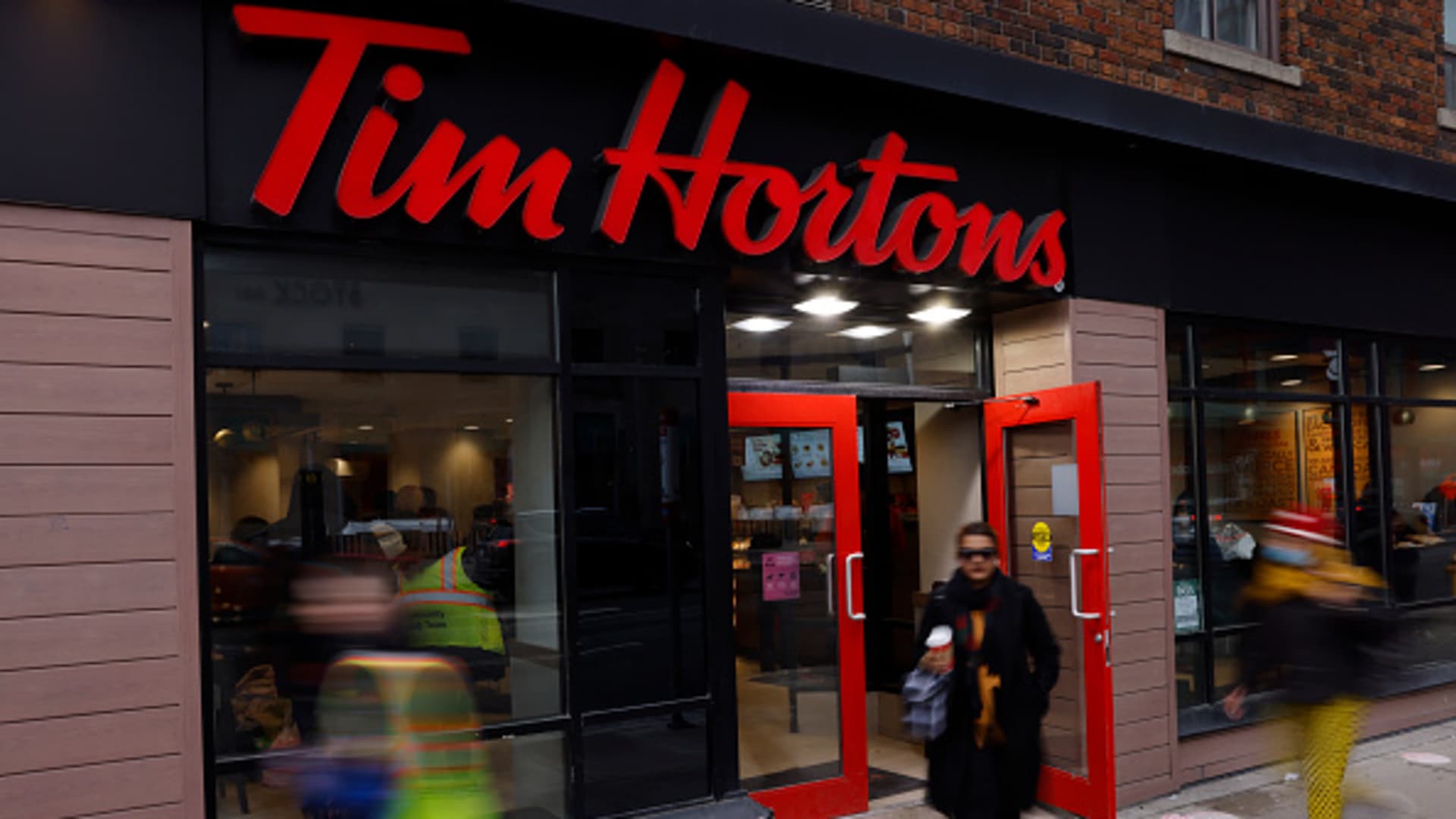
Restaurant Brands International Shows Positive Outlook


- Brand Diversity: Restaurant Brands International operates 33,000 restaurants across 125 markets under four major brands—Popeye's, Burger King, Tim Hortons, and Firehouse Subs—with over 95% being franchised, showcasing strong market penetration and brand value.
- Financial Growth Expectations: The upcoming May quarter is projected to achieve 6% revenue growth, 35% EBIT growth, and 10% EPS growth, indicating robust performance and enhanced profitability in international markets.
- International Expansion Strategy: The company plans to open 1,800 net new restaurants annually by 2028, with over 1,400 coming from outside North America, which will further boost overall royalty income and profitability, strengthening its competitive position globally.
- Management Changes: New Executive Chairman Patrick Doyle, leveraging his success at Domino's Pizza, aims to improve Burger King's store economics and execution, with early signs of positive same-store sales in the U.S., suggesting that management strategies are beginning to take effect.
Starbucks Finalizes Deal with Boyu Capital for China Operations
- Ownership Structure Change: Starbucks has finalized an agreement with Boyu Capital, granting Boyu-managed funds a 60% stake in Starbucks China's retail operations, while Starbucks retains a 40% ownership, ensuring brand and intellectual property integrity.
- Business Model Transformation: The deal transitions Starbucks to a licensed operating model, aiming to expand from approximately 8,000 stores to 20,000, significantly enhancing market coverage and customer experience.
- Market Valuation Increase: Starbucks projects its China retail business to be valued at over $13 billion, with the deal's enterprise value set at around $4 billion, indicating strong long-term growth potential in the Chinese market.
- Strategic Partnership Significance: The joint venture aims to enhance Starbucks' expansion capabilities and local relevance in China while elevating customer experience, reflecting the company's strategic focus on the Chinese market's future growth.
Starbucks Introduces Quarterly Bonus Program for Baristas
- Quarterly Bonus Incentive: Starbucks has announced a quarterly bonus of $300 for baristas and shift supervisors who meet specific sales, operational, and customer service metrics, supporting the company's ongoing turnaround efforts, with the first payout expected in the fall.
- Union Impact: Baristas at union-represented locations may not receive the quarterly bonuses until a collective bargaining agreement is reached, affecting approximately 5% of U.S. stores, highlighting the complexities of negotiations between the company and the union.
- Employee Pay Increase: Combined with the new bonus program, baristas could see their pay rise by as much as 8%, and all U.S. employees will be paid weekly starting in August, which will help improve employee satisfaction and retention rates.
- New Tipping Methods: Starbucks also announced new tipping options for customers, allowing those who pay through the mobile app to tip, which will further enhance barista earnings and improve the overall customer experience.
Starbucks Closes Joint Venture with Boyu Capital
- Joint Venture Formation: Starbucks officially closes its joint venture with Boyu Capital, with Boyu holding a 60% stake and Starbucks retaining 40%, marking a significant milestone in Starbucks' long-term strategy for sustainable growth in China.
- Market Expansion Plans: The joint venture will oversee approximately 8,000 coffeehouses, with aspirations to grow to 20,000 locations over time, enhancing customer experience through localization strategies and solidifying Starbucks' leadership in the Chinese market.
- Executive Confidence: CEO Brian Niccol expressed that this partnership will accelerate growth in China, combining the trusted global brand with local expertise to better serve customers and enter more cities.
- Strategic Partnership Outlook: Boyu Capital partner Alex Wong emphasized that supporting Starbucks' growth in China will enhance brand relevance, with the joint venture focusing on innovation and expansion to improve profitability and meet the needs of diverse communities.
Beyond Meat Faces Financial Crisis Amid Accounting Issues
- Delayed Financial Reporting: Beyond Meat has postponed its fourth-quarter earnings report and 10-K filing due to identified material weaknesses in financial reporting, raising significant investor concerns about transparency and negatively impacting stock performance.
- Severe Inventory Issues: The company has identified major weaknesses in accounting controls related to inventory, leading to understatements of costs and expenses in the first three quarters, reflecting deep-rooted financial management issues that could further erode market confidence.
- Significant Performance Decline: Revenue for the fourth quarter fell by 19.7% to $61.6 million, with gross profit plummeting from $10 million to $1.4 million, and adjusted EBITDA losses widening to $69 million, highlighting the company's vulnerability in a competitive market.
- Persistent Stock Decline: Beyond Meat's stock has now fallen below $1, with projected revenue for Q1 2026 expected to decline by 15%, and with compounding financial issues and business challenges, the prospects for recovery appear increasingly bleak.
Beyond Meat Faces Major Financial Reporting Weaknesses
- Financial Reporting Weakness: Beyond Meat identified significant weaknesses in its financial reporting, leading to a delay in its 10-K filing, which raises concerns about the company's inventory accounting controls and could undermine investor confidence.
- Revenue Decline: The company reported a 19.7% year-over-year revenue drop in Q4, down to $61.6 million, with gross profit plummeting from $10 million to $1.4 million, indicating weak market demand and deteriorating profitability.
- Widening Losses: Adjusted EBITDA losses widened from $26 million to $69 million, highlighting major challenges in cost control and operational efficiency, casting a dim outlook for any potential recovery.
- Stock Price Plunge: Amid financial troubles and negative market sentiment, Beyond Meat's stock fell 24% last month and dropped another 11.6% on April 1, now trading below $1, reflecting investors' pessimism about its future prospects.
Restaurant Brands International Shows Positive Outlook
- Brand Diversity: Restaurant Brands International operates 33,000 restaurants across 125 markets under four major brands—Popeye's, Burger King, Tim Hortons, and Firehouse Subs—with over 95% being franchised, showcasing strong market penetration and brand value.
- Financial Growth Expectations: The upcoming May quarter is projected to achieve 6% revenue growth, 35% EBIT growth, and 10% EPS growth, indicating robust performance and enhanced profitability in international markets.
- International Expansion Strategy: The company plans to open 1,800 net new restaurants annually by 2028, with over 1,400 coming from outside North America, which will further boost overall royalty income and profitability, strengthening its competitive position globally.
- Management Changes: New Executive Chairman Patrick Doyle, leveraging his success at Domino's Pizza, aims to improve Burger King's store economics and execution, with early signs of positive same-store sales in the U.S., suggesting that management strategies are beginning to take effect.