2026 Video Game Market Set for Boom with Delayed GTA VI Release
Written by Emily J. Thompson, Senior Investment Analyst
Updated: Jan 03 2026
0mins


Should l Buy WBD?
Source: Yahoo Finance
- Market Trend Analysis: Michael Pachter from Wedbush Securities forecasts a significant increase in video game sales for 2026, with expectations to surpass levels from 2016 to 2025, primarily driven by the delayed release of Grand Theft Auto VI to fall 2026, despite unreliable overall sales data.
- Rise of Subscription Models: Microsoft's push for Game Pass is expected to lead to a year-over-year decline in Call of Duty sales, yet it simultaneously provides new momentum for software sales growth, particularly in the spring of 2026.
- Changing Competitive Landscape: Netflix is actively positioning itself in the gaming market, and while its success remains uncertain, its financial resources and strategic initiatives could give it a competitive edge in the evolving gaming industry.
- Industry Expectations: 2026 is anticipated to be the strongest year in the past decade, although it may not exceed the peak of 2011, it is projected to significantly outperform the average levels from 2016 to 2025, reflecting strong consumer demand for new games.
Trade with 70% Backtested Accuracy
Stop guessing "Should I Buy WBD?" and start using high-conviction signals backed by rigorous historical data.
Sign up today to access powerful investing tools and make smarter, data-driven decisions.
Analyst Views on WBD
Wall Street analysts forecast WBD stock price to fall
14 Analyst Rating
5 Buy
9 Hold
0 Sell
Moderate Buy
Current: 26.900

Low
14.75
Averages
24.98
High
30.00
Current: 26.900
Low
14.75
Averages
24.98
High
30.00
About WBD
Warner Bros. Discovery, Inc. is a global media and entertainment company that creates and distributes a portfolio of branded content across television, film, streaming and gaming. The Company's segments include Streaming, Studios and Global Linear Networks. The streaming segment primarily consists of its premium pay-television and streaming services. The studios segment primarily consists of the production and release of feature films for initial exhibition in theaters, production and initial licensing of television programs to third parties and its networks/streaming services, distribution of its films and television programs to various third party and internal television and streaming services, distribution through the home entertainment market (physical and digital), related consumer products and themed experience licensing, and interactive gaming. The Global Linear Networks segment primarily consists of its domestic and international television networks.
About the author

Emily J. Thompson
Emily J. Thompson, a Chartered Financial Analyst (CFA) with 12 years in investment research, graduated with honors from the Wharton School. Specializing in industrial and technology stocks, she provides in-depth analysis for Intellectia’s earnings and market brief reports.

Warner Bros. Discovery Updates Q1 2026 Earnings Call Schedule

- Earnings Report Schedule: Warner Bros. Discovery has announced that it will release its Q1 2026 earnings report on May 6, 2026, after market close, reflecting the company's commitment to transparency and investor communication.
- Conference Call Timing: The company will host a conference call at 4:30 PM ET on the same day to discuss the earnings results, aiming to enhance interaction with investors and provide detailed performance analysis.
- Live Webcast Links: Links to the live webcast of the earnings call and related materials will be available in the Investor Relations section of the company's website, ensuring timely access to information and demonstrating the company's commitment to information disclosure.
- Replay Availability: A replay of the conference call will be available on the company's website for twelve months, further enhancing investor engagement and understanding of the company's financial performance.
See More

Analyst Downgrades Comcast Rating, Stock Plummets


- Significant Stock Drop: Following its quarterly earnings report, Comcast's stock plummeted nearly 13% on Friday, starkly contrasting with the healthy gains seen on earnings day, indicating market concerns about future performance.
- Rating Downgrade Impact: Deutsche Bank analyst Bryan Craft downgraded Comcast's rating from 'Buy' to 'Hold' and reduced the price target from $35 to $34 per share, reflecting a cautious outlook on the company's future profitability.
- Earnings Forecast Reduction: Craft's downgrade is based on lowered estimates for EBITDA and free cash flow beyond 2027; while Comcast exceeded expectations in the first quarter, he lacks confidence in its ability to sustain this performance amid increasing competition.
- Intensifying Market Competition: With growing competition in the broadband sector, Comcast's stock has become less compelling, particularly after recent price increases, leading analysts to suggest that current valuations do not present a strong buying opportunity.
See More

Comcast Stock Plummets Following Analyst Downgrade
- Earnings Beat: Comcast reported first-quarter earnings that exceeded both revenue and profit expectations, yet the stock suffered a nearly 13% drop on Friday due to an analyst downgrade, indicating market concerns about future performance.
- Analyst Downgrade Impact: Deutsche Bank analyst Bryan Craft downgraded Comcast's rating from 'Buy' to 'Hold' and reduced the price target from $35 to $34, reflecting lowered expectations for the company's future EBITDA and free cash flow.
- Increased Competitive Pressure: Craft highlighted stiff competition in the broadband market as a significant challenge for Comcast, expressing skepticism about the company's ability to sustain its recent growth, which could undermine investor confidence.
- Market Volatility Intensifies: Amid the backdrop of the Paramount-Skydance deal, the media sector is experiencing heightened volatility, with Comcast appearing relatively weak compared to emerging competitors, leading analysts to suggest that its current valuations lack appeal and advising caution for investors.
See More

Warner Bros. Discovery Updates Earnings Call Schedule
- Earnings Report Schedule: Warner Bros. Discovery has announced that it will release its Q1 2026 earnings on May 6, 2026, after market close, reflecting the company's commitment to transparency and timely communication.
- Conference Call Timing: The company will host a conference call at 4:30 PM ET on the same day to discuss the earnings results, aiming to enhance investor understanding and confidence in the company's performance.
- Webcast Link Availability: Links to the live webcast of the earnings call and related materials will be available in the 'Investor Relations' section of the company's website, ensuring easy access to information for investors and improving information accessibility.
- Replay Availability: The replay of the conference call will be available on the company's website for twelve months, demonstrating the company's commitment to ongoing communication with investors and enhancing their engagement and convenience in accessing information.
See More

Warner Bros. Discovery Updates Q1 2026 Earnings Call Schedule
- Earnings Release Schedule: Warner Bros. Discovery will report its Q1 2026 results on May 6, 2026, after market close, reflecting the company's commitment to transparency and timely communication.
- Conference Call Timing: The company will host a conference call at 4:30 PM ET on the same day to discuss the results, aiming to enhance investor understanding and confidence in the company's performance.
- Webcast Link Availability: Links to the live webcast and earnings materials will be available in the Investor Relations section of the company's website, ensuring investors can access timely information and improving information accessibility.
- Replay Availability: The webcast replay will be accessible for twelve months on the company's website, demonstrating the company's commitment to ongoing communication with investors and enhancing investor relations management.
See More
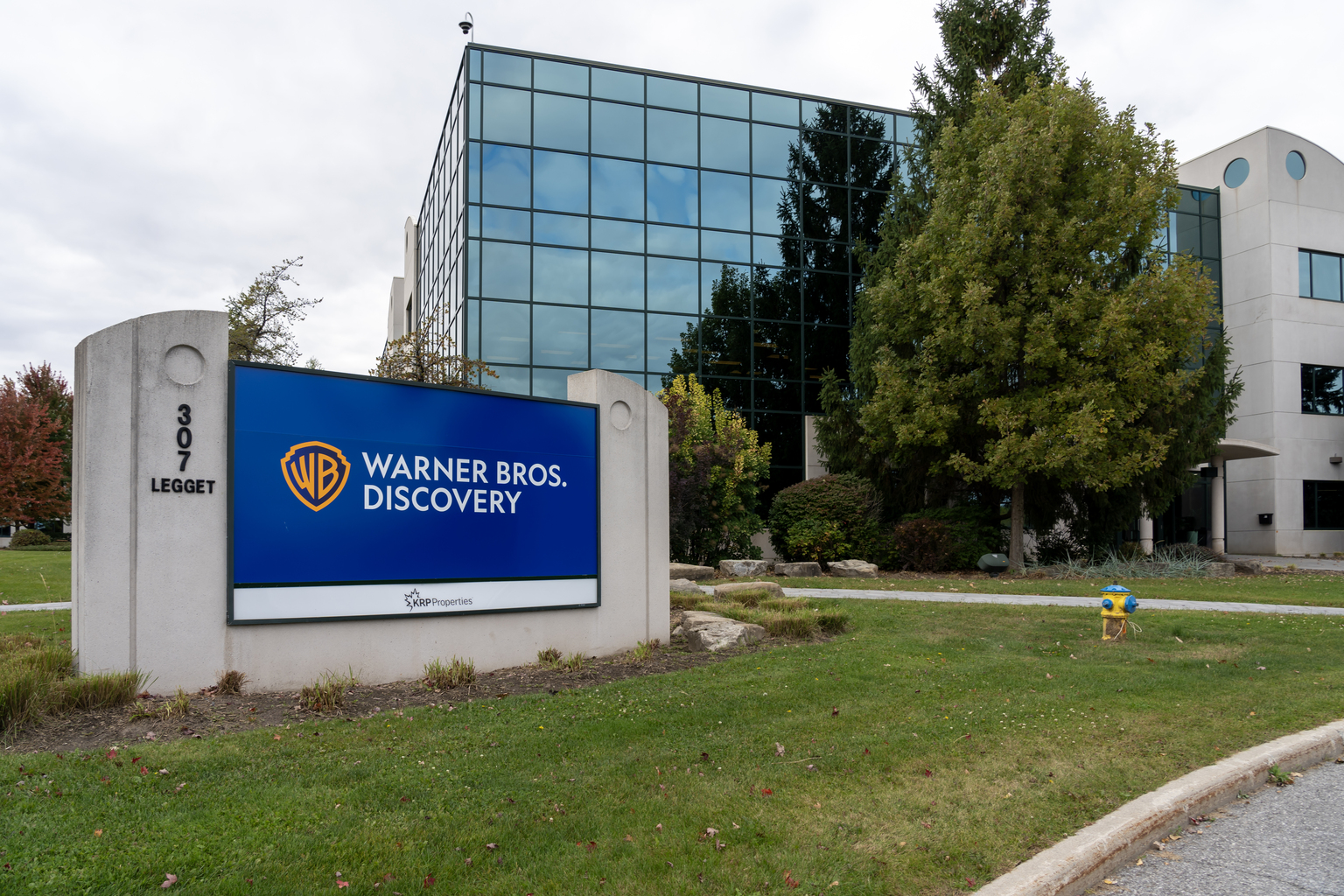
Warner Bros. Discovery Merger Faces Investigation

- Investigation Launched: California Attorney General Rob Bonta announced an investigation into the $110 billion merger between Warner Bros. Discovery and Paramount Skydance, citing multiple red flags that could affect market competition and consumer prices.
- Shareholder Approval: Despite the ongoing investigation, Warner Bros. Discovery shareholders approved the merger with Paramount Skydance at a special meeting on Thursday, indicating support for the deal, though uncertainty remains about its future.
- Growing Opposition: Senator Elizabeth Warren reiterated her opposition to the merger, stating that state attorneys general are ramping up efforts to block this antitrust deal, suggesting that political pressure may impact the merger's progress.
- Market Impact Warning: Bonta warned that the merger could lead to higher consumer prices and lower wages for workers, reflecting the potential negative implications of the deal on the labor market and consumers.
See More
Warner Bros. Discovery Updates Q1 2026 Earnings Call Schedule
- Earnings Report Schedule: Warner Bros. Discovery has announced that it will release its Q1 2026 earnings report on May 6, 2026, after market close, reflecting the company's commitment to transparency and investor communication.
- Conference Call Timing: The company will host a conference call at 4:30 PM ET on the same day to discuss the earnings results, aiming to enhance interaction with investors and provide detailed performance analysis.
- Live Webcast Links: Links to the live webcast of the earnings call and related materials will be available in the Investor Relations section of the company's website, ensuring timely access to information and demonstrating the company's commitment to information disclosure.
- Replay Availability: A replay of the conference call will be available on the company's website for twelve months, further enhancing investor engagement and understanding of the company's financial performance.
See More
Analyst Downgrades Comcast Rating, Stock Plummets
- Significant Stock Drop: Following its quarterly earnings report, Comcast's stock plummeted nearly 13% on Friday, starkly contrasting with the healthy gains seen on earnings day, indicating market concerns about future performance.
- Rating Downgrade Impact: Deutsche Bank analyst Bryan Craft downgraded Comcast's rating from 'Buy' to 'Hold' and reduced the price target from $35 to $34 per share, reflecting a cautious outlook on the company's future profitability.
- Earnings Forecast Reduction: Craft's downgrade is based on lowered estimates for EBITDA and free cash flow beyond 2027; while Comcast exceeded expectations in the first quarter, he lacks confidence in its ability to sustain this performance amid increasing competition.
- Intensifying Market Competition: With growing competition in the broadband sector, Comcast's stock has become less compelling, particularly after recent price increases, leading analysts to suggest that current valuations do not present a strong buying opportunity.
See More
Comcast Stock Plummets Following Analyst Downgrade
- Earnings Beat: Comcast reported first-quarter earnings that exceeded both revenue and profit expectations, yet the stock suffered a nearly 13% drop on Friday due to an analyst downgrade, indicating market concerns about future performance.
- Analyst Downgrade Impact: Deutsche Bank analyst Bryan Craft downgraded Comcast's rating from 'Buy' to 'Hold' and reduced the price target from $35 to $34, reflecting lowered expectations for the company's future EBITDA and free cash flow.
- Increased Competitive Pressure: Craft highlighted stiff competition in the broadband market as a significant challenge for Comcast, expressing skepticism about the company's ability to sustain its recent growth, which could undermine investor confidence.
- Market Volatility Intensifies: Amid the backdrop of the Paramount-Skydance deal, the media sector is experiencing heightened volatility, with Comcast appearing relatively weak compared to emerging competitors, leading analysts to suggest that its current valuations lack appeal and advising caution for investors.
See More
Warner Bros. Discovery Updates Earnings Call Schedule
- Earnings Report Schedule: Warner Bros. Discovery has announced that it will release its Q1 2026 earnings on May 6, 2026, after market close, reflecting the company's commitment to transparency and timely communication.
- Conference Call Timing: The company will host a conference call at 4:30 PM ET on the same day to discuss the earnings results, aiming to enhance investor understanding and confidence in the company's performance.
- Webcast Link Availability: Links to the live webcast of the earnings call and related materials will be available in the 'Investor Relations' section of the company's website, ensuring easy access to information for investors and improving information accessibility.
- Replay Availability: The replay of the conference call will be available on the company's website for twelve months, demonstrating the company's commitment to ongoing communication with investors and enhancing their engagement and convenience in accessing information.
See More
Warner Bros. Discovery Updates Q1 2026 Earnings Call Schedule
- Earnings Release Schedule: Warner Bros. Discovery will report its Q1 2026 results on May 6, 2026, after market close, reflecting the company's commitment to transparency and timely communication.
- Conference Call Timing: The company will host a conference call at 4:30 PM ET on the same day to discuss the results, aiming to enhance investor understanding and confidence in the company's performance.
- Webcast Link Availability: Links to the live webcast and earnings materials will be available in the Investor Relations section of the company's website, ensuring investors can access timely information and improving information accessibility.
- Replay Availability: The webcast replay will be accessible for twelve months on the company's website, demonstrating the company's commitment to ongoing communication with investors and enhancing investor relations management.
See More
Warner Bros. Discovery Merger Faces Investigation
- Investigation Launched: California Attorney General Rob Bonta announced an investigation into the $110 billion merger between Warner Bros. Discovery and Paramount Skydance, citing multiple red flags that could affect market competition and consumer prices.
- Shareholder Approval: Despite the ongoing investigation, Warner Bros. Discovery shareholders approved the merger with Paramount Skydance at a special meeting on Thursday, indicating support for the deal, though uncertainty remains about its future.
- Growing Opposition: Senator Elizabeth Warren reiterated her opposition to the merger, stating that state attorneys general are ramping up efforts to block this antitrust deal, suggesting that political pressure may impact the merger's progress.
- Market Impact Warning: Bonta warned that the merger could lead to higher consumer prices and lower wages for workers, reflecting the potential negative implications of the deal on the labor market and consumers.
See More