1 Stock to Purchase and 1 to Divest If the Conflict in Iran Concludes
Oil Market Dynamics: The recent surge in Brent crude prices, driven by tensions in the Middle East and the closure of the Strait of Hormuz, has created significant market divergences, with prices rising over 60% to around $110 per barrel.
Impact on American Airlines: American Airlines has seen its stock drop approximately 30% since early February, making it one of the most affected companies by rising fuel costs, which are among the highest in the industry.
Exxon Mobil's Performance: Exxon Mobil has benefited from higher oil prices, with its stock up 50% year-to-date, although it has recently pulled back over 10% amid concerns about potential resolutions to ongoing conflicts.
Investment Outlook: Analysts suggest that the market may be underestimating how quickly airlines can rebound if fuel costs decrease, while Exxon Mobil's recent stock performance indicates a cooling sentiment, highlighting the need for investors to be cautious and disciplined in their strategies.
Trade with 70% Backtested Accuracy
Analyst Views on AAL

About AAL
About the author

Middle East Conflict Impacts Airline Stock Performance

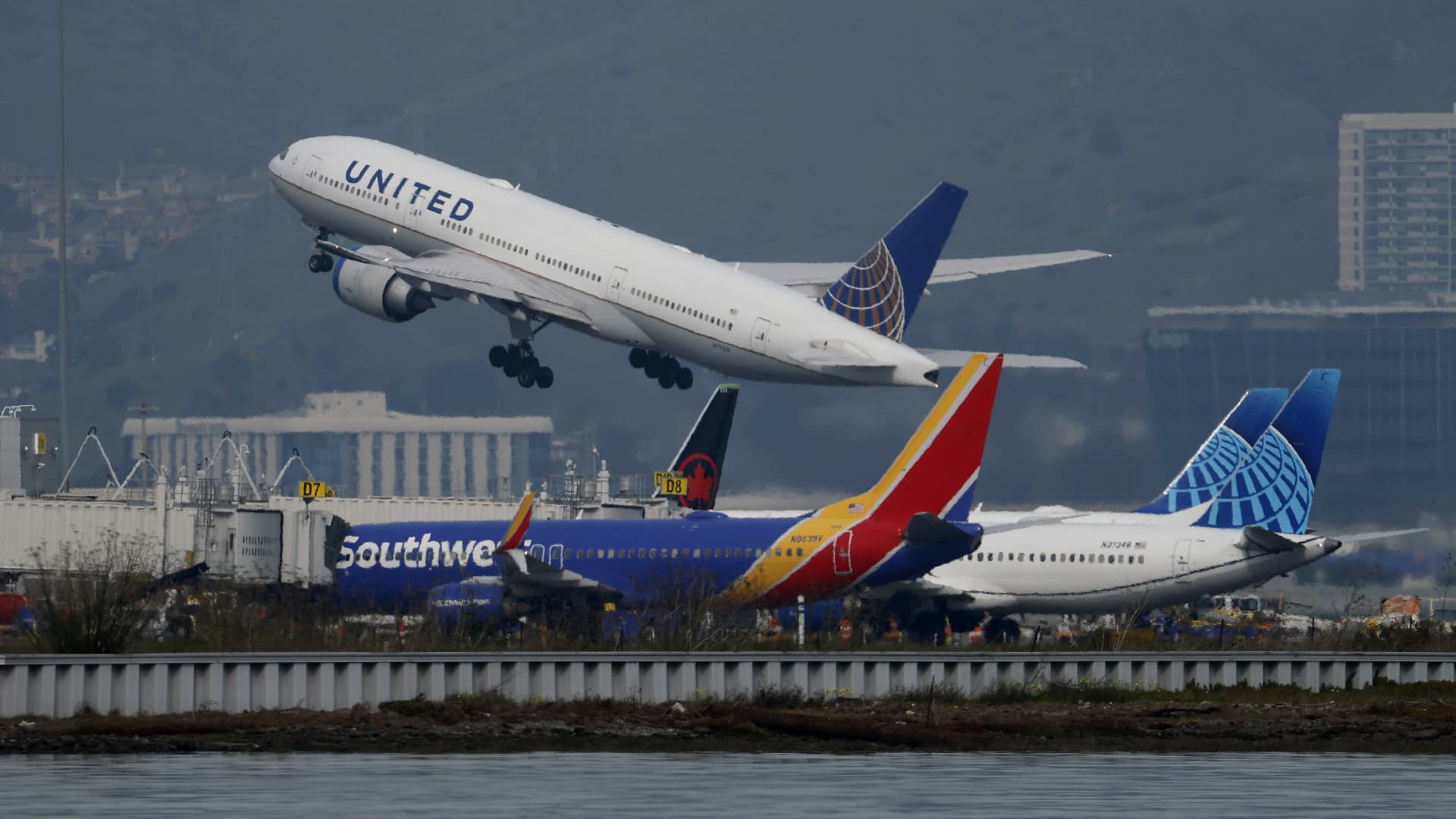
- Airline Stock Decline: During the Middle East conflict, domestic airline stocks, except for Delta, fell between 16% and 28% since the war began, indicating market concerns over high oil prices and declining consumer demand.
- Fuel Cost Projections: Delta Air Lines projected average jet fuel costs to reach $4.30 per gallon in Q2, although this estimate was based on data prior to the ceasefire, highlighting ongoing pressure from elevated fuel prices on the airline industry.
- Signs of Weak Demand: While Delta reported no signs of weakened demand, Bank of America data indicated a slowdown in airline transactions by late March, with year-over-year growth turning negative, suggesting consumer reactions to higher fares could impact future revenue.
- M&A Potential: Analysts noted that historical surges in oil prices often lead to mergers among airlines, and given the current high fuel prices, similar consolidation trends may emerge, particularly as market competition intensifies.
United Airlines Considers Merger with American Airlines

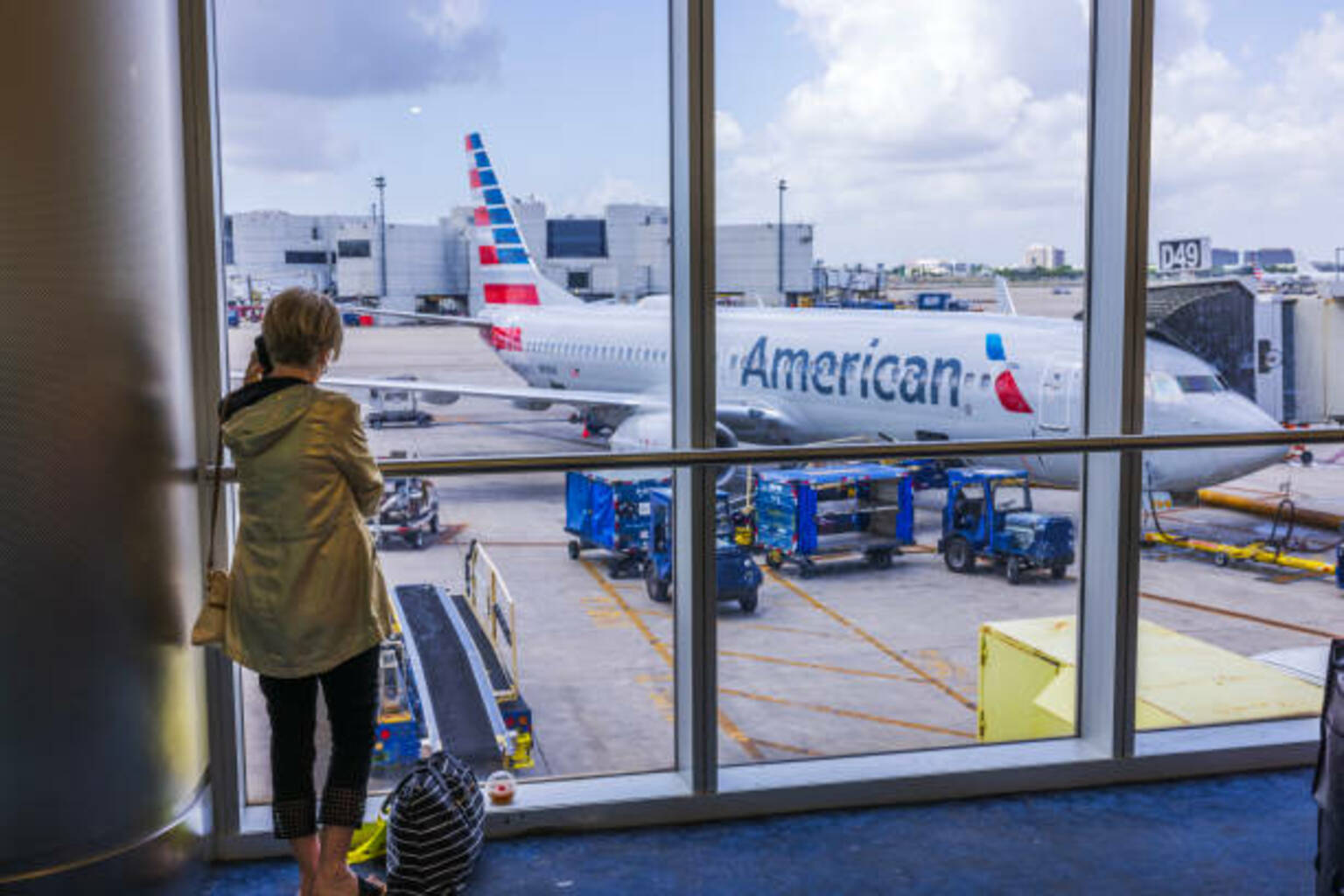
- Merger Interest: United Airlines (UAL) is reportedly considering a merger with rival American Airlines (AAL), following comments from the Transportation Secretary about potential M&A activity in the sector, indicating a shift towards industry consolidation.
- Regulatory Challenges: While UAL may pursue asset purchases, the likelihood of fully acquiring AAL is low due to regulatory hurdles and significant debt, highlighting the complexities faced by major airlines in merger scenarios.
- Opportunities for Smaller Airlines: Analysts suggest that smaller and low-cost carriers are more likely to pursue mergers, driven by the need for better cost amortization amidst rising fuel costs, which pressures their competitive positioning.
- Changing Market Environment: Government officials are now more favorable towards M&A, recognizing that previous blocks did not enhance competition, leading to current merger activities being driven more by necessity than by market strength.

JETS ETF 52-Week Price Analysis
- Price Range Analysis: The JETS ETF has a 52-week low of $18.22 and a high of $31.33, with the latest trade at $27.04, indicating relative stability in the current market environment that may attract investor interest.
- Technical Analysis Tool: Comparing the latest share price to the 200-day moving average provides valuable technical analysis insights for investors, helping them assess market trends and potential buy or sell opportunities.
- Unit Trading Mechanism: Exchange-traded funds (ETFs) trade in units, meaning investors are buying and selling these 'units', which allows ETFs to flexibly respond to market demand, enhancing their liquidity and appeal.
- Inflows and Outflows Monitoring: Weekly monitoring of changes in shares outstanding focuses on notable inflows (new units created) or outflows (old units destroyed), which directly impacts the ETF's underlying holdings and consequently its market performance.

U.S. Stock Market Rebounds, Driven by Tech Stocks


- Tax Refund Increase: According to IRS data, the average tax refund this year is over 10% higher than last year, which could stimulate consumer spending and drive economic growth.
- Positive Market Trends: The S&P 500 is nearing its all-time high after climbing for the second consecutive day, fueled by investor optimism regarding a potential U.S.-Iran peace deal, enhancing market sentiment.
- Strong Banking Performance: Both Bank of America and Morgan Stanley exceeded expectations, with Bank of America reporting its highest earnings per share in nearly 20 years, leading to a 1.2% rise in premarket trading.
- Broadcom and Meta Partnership: Broadcom's shares rose over 3% after Meta announced an expanded partnership, committing to deploy 1 gigawatt of custom AI chips, indicating ongoing investment in AI technology.

Positive Market Outlook and Earnings Highlights in U.S. Stocks


- Tax Refund Increase: According to IRS data, the average tax refund this year is over 10% higher than last year, which is expected to provide additional support for consumer spending and drive economic recovery.
- Strong Bank Earnings: Bank of America exceeded expectations in its earnings report, with shares rising 1.2% in premarket trading, achieving its highest earnings per share in nearly 20 years, showcasing robust performance in equity sales and trading.
- Tech Stocks Shine: Oracle's stock rose nearly 5% due to its expanded partnership with Bloom Energy, while Nvidia saw its shares increase for the tenth consecutive day, marking the longest winning streak since 2023, reflecting strong market confidence in tech stocks.
- Aviation Merger Potential: United Airlines CEO Scott Kirby pitched a merger with American Airlines to the Trump administration, which could create the world's largest airline controlling about 40% of domestic capacity, although regulatory bodies remain cautious about such a tie-up.

United Airlines Explores Merger with American Airlines
- Merger Proposal: United Airlines CEO Scott Kirby proposed a merger with American Airlines to the Trump administration this year, although analysts believe the regulatory hurdles are too high to achieve this combination, which would create the world's largest airline.
- Market Control: American, United, Delta Air Lines, and Southwest Airlines currently control about 80% of the domestic market share, and Kirby argues that airlines need to merge to enhance their competitiveness in the global market.
- Global Competition Strategy: Kirby noted that increased scale would help compete on U.S. outbound flights, particularly in the Middle East market, where customers prefer airlines that offer more flight options.
- Partnerships: Despite U.S. airlines previously complaining about unfair government subsidies received by Middle Eastern carriers, United Airlines has established a partnership with Emirates, indicating a strategic shift for U.S. airlines in the global market.
Middle East Conflict Impacts Airline Stock Performance
- Airline Stock Decline: During the Middle East conflict, domestic airline stocks, except for Delta, fell between 16% and 28% since the war began, indicating market concerns over high oil prices and declining consumer demand.
- Fuel Cost Projections: Delta Air Lines projected average jet fuel costs to reach $4.30 per gallon in Q2, although this estimate was based on data prior to the ceasefire, highlighting ongoing pressure from elevated fuel prices on the airline industry.
- Signs of Weak Demand: While Delta reported no signs of weakened demand, Bank of America data indicated a slowdown in airline transactions by late March, with year-over-year growth turning negative, suggesting consumer reactions to higher fares could impact future revenue.
- M&A Potential: Analysts noted that historical surges in oil prices often lead to mergers among airlines, and given the current high fuel prices, similar consolidation trends may emerge, particularly as market competition intensifies.
United Airlines Considers Merger with American Airlines
- Merger Interest: United Airlines (UAL) is reportedly considering a merger with rival American Airlines (AAL), following comments from the Transportation Secretary about potential M&A activity in the sector, indicating a shift towards industry consolidation.
- Regulatory Challenges: While UAL may pursue asset purchases, the likelihood of fully acquiring AAL is low due to regulatory hurdles and significant debt, highlighting the complexities faced by major airlines in merger scenarios.
- Opportunities for Smaller Airlines: Analysts suggest that smaller and low-cost carriers are more likely to pursue mergers, driven by the need for better cost amortization amidst rising fuel costs, which pressures their competitive positioning.
- Changing Market Environment: Government officials are now more favorable towards M&A, recognizing that previous blocks did not enhance competition, leading to current merger activities being driven more by necessity than by market strength.
JETS ETF 52-Week Price Analysis
- Price Range Analysis: The JETS ETF has a 52-week low of $18.22 and a high of $31.33, with the latest trade at $27.04, indicating relative stability in the current market environment that may attract investor interest.
- Technical Analysis Tool: Comparing the latest share price to the 200-day moving average provides valuable technical analysis insights for investors, helping them assess market trends and potential buy or sell opportunities.
- Unit Trading Mechanism: Exchange-traded funds (ETFs) trade in units, meaning investors are buying and selling these 'units', which allows ETFs to flexibly respond to market demand, enhancing their liquidity and appeal.
- Inflows and Outflows Monitoring: Weekly monitoring of changes in shares outstanding focuses on notable inflows (new units created) or outflows (old units destroyed), which directly impacts the ETF's underlying holdings and consequently its market performance.
U.S. Stock Market Rebounds, Driven by Tech Stocks
- Tax Refund Increase: According to IRS data, the average tax refund this year is over 10% higher than last year, which could stimulate consumer spending and drive economic growth.
- Positive Market Trends: The S&P 500 is nearing its all-time high after climbing for the second consecutive day, fueled by investor optimism regarding a potential U.S.-Iran peace deal, enhancing market sentiment.
- Strong Banking Performance: Both Bank of America and Morgan Stanley exceeded expectations, with Bank of America reporting its highest earnings per share in nearly 20 years, leading to a 1.2% rise in premarket trading.
- Broadcom and Meta Partnership: Broadcom's shares rose over 3% after Meta announced an expanded partnership, committing to deploy 1 gigawatt of custom AI chips, indicating ongoing investment in AI technology.
Positive Market Outlook and Earnings Highlights in U.S. Stocks
- Tax Refund Increase: According to IRS data, the average tax refund this year is over 10% higher than last year, which is expected to provide additional support for consumer spending and drive economic recovery.
- Strong Bank Earnings: Bank of America exceeded expectations in its earnings report, with shares rising 1.2% in premarket trading, achieving its highest earnings per share in nearly 20 years, showcasing robust performance in equity sales and trading.
- Tech Stocks Shine: Oracle's stock rose nearly 5% due to its expanded partnership with Bloom Energy, while Nvidia saw its shares increase for the tenth consecutive day, marking the longest winning streak since 2023, reflecting strong market confidence in tech stocks.
- Aviation Merger Potential: United Airlines CEO Scott Kirby pitched a merger with American Airlines to the Trump administration, which could create the world's largest airline controlling about 40% of domestic capacity, although regulatory bodies remain cautious about such a tie-up.
United Airlines Explores Merger with American Airlines
- Merger Proposal: United Airlines CEO Scott Kirby proposed a merger with American Airlines to the Trump administration this year, although analysts believe the regulatory hurdles are too high to achieve this combination, which would create the world's largest airline.
- Market Control: American, United, Delta Air Lines, and Southwest Airlines currently control about 80% of the domestic market share, and Kirby argues that airlines need to merge to enhance their competitiveness in the global market.
- Global Competition Strategy: Kirby noted that increased scale would help compete on U.S. outbound flights, particularly in the Middle East market, where customers prefer airlines that offer more flight options.
- Partnerships: Despite U.S. airlines previously complaining about unfair government subsidies received by Middle Eastern carriers, United Airlines has established a partnership with Emirates, indicating a strategic shift for U.S. airlines in the global market.