Wingstop Expands Stock Buyback Program by $300 Million
Wingstop Inc. shares fell 5.19% and hit a 52-week low amid a broader market decline, with the Nasdaq-100 down 1.38% and the S&P 500 down 1.17%.
The company has authorized an additional $300 million for stock buybacks, continuing its commitment to enhancing shareholder value. This buyback program, which has already seen nearly $700 million in repurchases since 2023, is funded through existing cash and anticipated operational cash flow. CFO Alex Kaleida emphasized that this initiative is part of a disciplined capital allocation strategy aimed at supporting long-term growth.
Despite the current market conditions, Wingstop's proactive approach to capital management and shareholder returns reflects its confidence in its financial health and future growth prospects.
Trade with 70% Backtested Accuracy
Analyst Views on WING

About WING
About the author

BNP Paribas Launches Comprehensive Coverage on Restaurant Sector

- High-Quality Concepts: Analyst Steve McManus from BNP Paribas emphasizes that high-quality restaurant concepts like Wingstop, Shake Shack, and Dutch Bros possess strong unit economics and unique growth drivers, outperforming those reliant on macro recovery.
- Wingstop Investment Opportunity: BNP Paribas initiated coverage on Wingstop with an Outperform rating and a price target of $275, based on a 30X EV/EBITDA multiple, anticipating a sales acceleration in 2027, with current share prices reflecting understood near-term sales pressures.
- Shake Shack Earnings Growth: Shake Shack also received an Outperform rating, with analysts noting that after several years of volatility, it is entering a more durable earnings growth phase, improving the risk/reward profile as execution stabilizes.
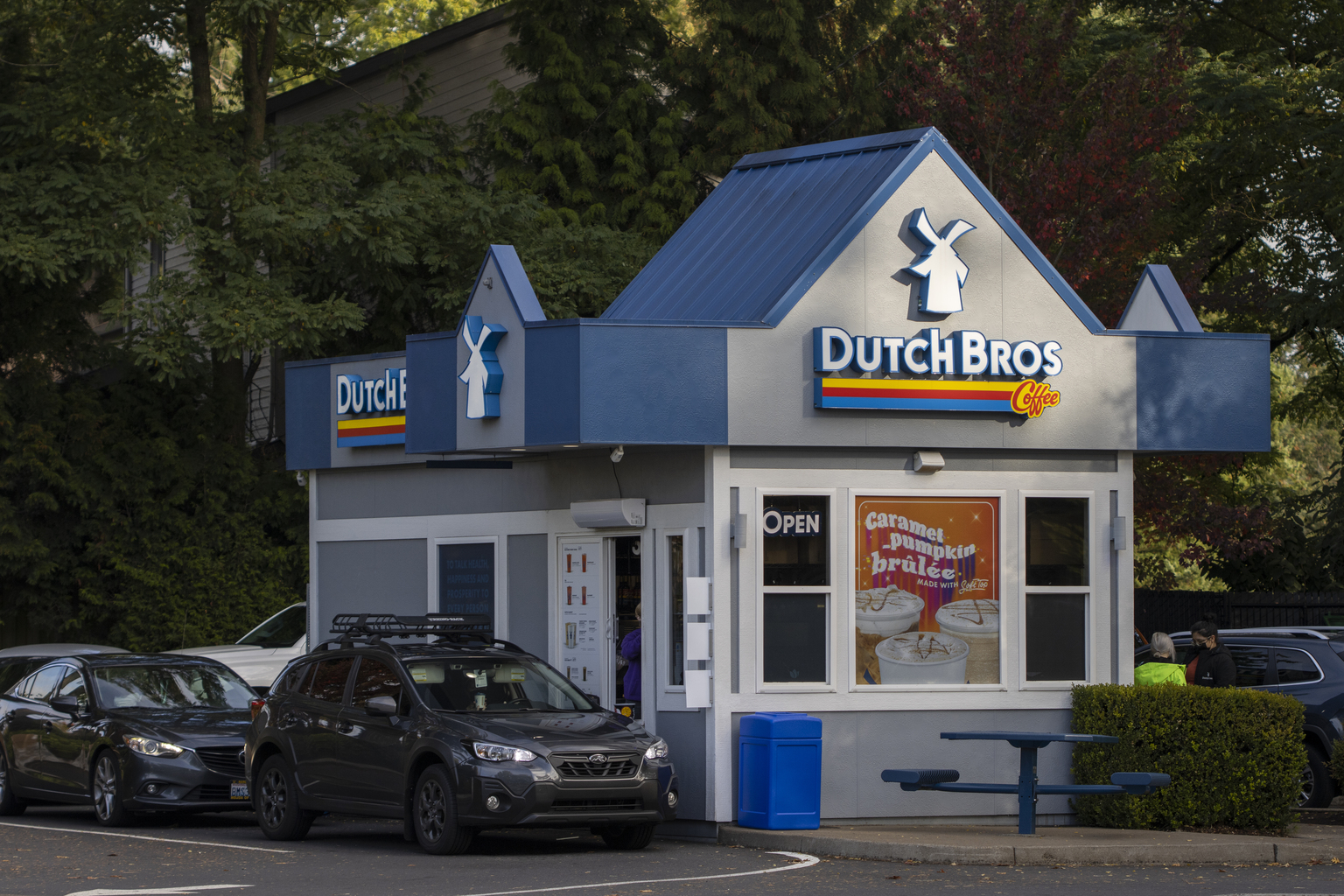
- Dutch Bros Market Potential: BNP Paribas is bullish on Dutch Bros, highlighting its unique drive-thru beverage platform and loyal Gen Z customer base, which positions it as a durable share gainer in the fast-growing specialty beverage market, with a price target of $73.

WINGSTOP INC: STIFEL LOWERS TARGET PRICE FROM $325 TO $250
- Stifel Cuts Target Price: Stifel has reduced its target price for WINGSTOP from $325 to $250.
- Market Impact: This adjustment reflects a significant change in the valuation of the company, potentially influencing investor sentiment.

Investment Outlook for Bitcoin vs. Dogecoin

- Bitcoin's Scarcity: Bitcoin's total supply is capped at 21 million units, a feature that has remained unchanged since its inception over 17 years ago, ensuring its unique position in the digital asset space and providing strong support for long-term investors.
- Dogecoin's Supply Issue: Unlike Bitcoin, Dogecoin has no supply cap, adding 10,000 tokens every minute, which translates to over 5 billion new tokens annually; this unlimited supply could lead to a decline in long-term value, necessitating cautious evaluation by investors.
- Market Acceptance Disparity: Bitcoin is accepted by over 22,200 merchants globally, reflecting a 74% increase from the end of 2024 to the end of 2025, indicating its growing popularity as a financial asset, while Dogecoin lags significantly in acceptance.
- Ten-Year Outlook: By 2036, Dogecoin's value may be lower than today due to a lack of sustained price momentum, whereas Bitcoin, supported by solid fundamentals and historical trends, is likely to achieve greater value in the next decade.

Investment Outlook for Bitcoin vs. Dogecoin
- Scarcity of Bitcoin: Bitcoin's total supply is capped at 21 million units, a feature unchanged since its inception over 17 years ago, ensuring its long-term advantage amid rising money supply and sovereign debt levels.
- Supply Issues with Dogecoin: Unlike Bitcoin, Dogecoin has no supply cap, adding 10,000 tokens every minute, resulting in over 5 billion new tokens annually, which undermines its appeal as a scarce digital asset for future investments.
- Market Acceptance Discrepancy: Bitcoin is accepted by over 22,200 merchants globally, a 74% increase from the end of 2024, while Dogecoin's adoption lags significantly, highlighting Bitcoin's dominant position as a financial asset.
- Future Outlook: Despite Dogecoin peaking in 2021, its lack of sustained price momentum suggests it may be worth less by 2036, whereas Bitcoin is poised for appreciation over the next decade, drawing investor interest due to its strong fundamentals.

Three Long-Term Growth Stocks to Consider


- MercadoLibre's Growth Potential: Since 2007, MercadoLibre has achieved an annualized total return of 25%, with 100 million active buyers and 61 million monthly active users significantly impacting the Latin American market; despite a 30% short-term stock price pullback, its extensive ecosystem in e-commerce and fintech offers substantial growth opportunities.
- Casey's General Stores Expansion: With an 18% annual return since 1990, Casey's has doubled its store count to nearly 3,000 since 2010, and plans to open at least 80 new stores by 2026, with two-thirds of its gross profits coming from inside sales, indicating strong growth momentum in the convenience store sector.
- Wingstop's Market Outlook: Since its IPO in 2015, Wingstop has generated a 23% annualized total return; despite facing its first decline in same-store sales, it plans to increase its store count by 15% in 2026, with average unit volumes rising from $1.1 million to $2.1 million, showcasing significant profitability improvements.
- Long-Term Investment Opportunities: Although these three stocks have experienced short-term volatility, their long-term growth potential and market positions make them attractive investment choices, especially during current market adjustments, providing investors with opportunities to buy quality stocks.

Restaurant Stocks Face Inflation and Economic Volatility Challenges

- Industry Decline: The S&P 500 Hotels, Restaurants, and Leisure sector is down approximately 4% in 2026, while the broader benchmark index has fallen 1.8%, indicating the restaurant industry's struggles amid inflation and uneven economic growth.
- Fast-Food Chains Struggling: DoorDash's stock has plummeted over 27%, Chipotle is down nearly 12%, and Wendy's has lost 15% year-to-date, reflecting shifts in consumer spending habits and the impact of GLP-1 drugs on dining out.
- Impact of GLP-1 Drugs: Research indicates that households with GLP-1 users experienced an 8% short-term decline in food-away-from-home spending, which could significantly affect sales at quick-service and fast-casual restaurants, particularly among lower-income consumers.
- Labor Market Volatility: The unemployment rate rose slightly to 4.4% in February, correlating with weak restaurant demand, as fast-casual and quick-service restaurants reported stagnant or declining same-store sales, highlighting the sensitivity of younger consumers to labor market changes.
BNP Paribas Launches Comprehensive Coverage on Restaurant Sector
- High-Quality Concepts: Analyst Steve McManus from BNP Paribas emphasizes that high-quality restaurant concepts like Wingstop, Shake Shack, and Dutch Bros possess strong unit economics and unique growth drivers, outperforming those reliant on macro recovery.
- Wingstop Investment Opportunity: BNP Paribas initiated coverage on Wingstop with an Outperform rating and a price target of $275, based on a 30X EV/EBITDA multiple, anticipating a sales acceleration in 2027, with current share prices reflecting understood near-term sales pressures.
- Shake Shack Earnings Growth: Shake Shack also received an Outperform rating, with analysts noting that after several years of volatility, it is entering a more durable earnings growth phase, improving the risk/reward profile as execution stabilizes.
- Dutch Bros Market Potential: BNP Paribas is bullish on Dutch Bros, highlighting its unique drive-thru beverage platform and loyal Gen Z customer base, which positions it as a durable share gainer in the fast-growing specialty beverage market, with a price target of $73.
WINGSTOP INC: STIFEL LOWERS TARGET PRICE FROM $325 TO $250
- Stifel Cuts Target Price: Stifel has reduced its target price for WINGSTOP from $325 to $250.
- Market Impact: This adjustment reflects a significant change in the valuation of the company, potentially influencing investor sentiment.
Investment Outlook for Bitcoin vs. Dogecoin
- Bitcoin's Scarcity: Bitcoin's total supply is capped at 21 million units, a feature that has remained unchanged since its inception over 17 years ago, ensuring its unique position in the digital asset space and providing strong support for long-term investors.
- Dogecoin's Supply Issue: Unlike Bitcoin, Dogecoin has no supply cap, adding 10,000 tokens every minute, which translates to over 5 billion new tokens annually; this unlimited supply could lead to a decline in long-term value, necessitating cautious evaluation by investors.
- Market Acceptance Disparity: Bitcoin is accepted by over 22,200 merchants globally, reflecting a 74% increase from the end of 2024 to the end of 2025, indicating its growing popularity as a financial asset, while Dogecoin lags significantly in acceptance.
- Ten-Year Outlook: By 2036, Dogecoin's value may be lower than today due to a lack of sustained price momentum, whereas Bitcoin, supported by solid fundamentals and historical trends, is likely to achieve greater value in the next decade.
Investment Outlook for Bitcoin vs. Dogecoin
- Scarcity of Bitcoin: Bitcoin's total supply is capped at 21 million units, a feature unchanged since its inception over 17 years ago, ensuring its long-term advantage amid rising money supply and sovereign debt levels.
- Supply Issues with Dogecoin: Unlike Bitcoin, Dogecoin has no supply cap, adding 10,000 tokens every minute, resulting in over 5 billion new tokens annually, which undermines its appeal as a scarce digital asset for future investments.
- Market Acceptance Discrepancy: Bitcoin is accepted by over 22,200 merchants globally, a 74% increase from the end of 2024, while Dogecoin's adoption lags significantly, highlighting Bitcoin's dominant position as a financial asset.
- Future Outlook: Despite Dogecoin peaking in 2021, its lack of sustained price momentum suggests it may be worth less by 2036, whereas Bitcoin is poised for appreciation over the next decade, drawing investor interest due to its strong fundamentals.
Three Long-Term Growth Stocks to Consider
- MercadoLibre's Growth Potential: Since 2007, MercadoLibre has achieved an annualized total return of 25%, with 100 million active buyers and 61 million monthly active users significantly impacting the Latin American market; despite a 30% short-term stock price pullback, its extensive ecosystem in e-commerce and fintech offers substantial growth opportunities.
- Casey's General Stores Expansion: With an 18% annual return since 1990, Casey's has doubled its store count to nearly 3,000 since 2010, and plans to open at least 80 new stores by 2026, with two-thirds of its gross profits coming from inside sales, indicating strong growth momentum in the convenience store sector.
- Wingstop's Market Outlook: Since its IPO in 2015, Wingstop has generated a 23% annualized total return; despite facing its first decline in same-store sales, it plans to increase its store count by 15% in 2026, with average unit volumes rising from $1.1 million to $2.1 million, showcasing significant profitability improvements.
- Long-Term Investment Opportunities: Although these three stocks have experienced short-term volatility, their long-term growth potential and market positions make them attractive investment choices, especially during current market adjustments, providing investors with opportunities to buy quality stocks.
Restaurant Stocks Face Inflation and Economic Volatility Challenges
- Industry Decline: The S&P 500 Hotels, Restaurants, and Leisure sector is down approximately 4% in 2026, while the broader benchmark index has fallen 1.8%, indicating the restaurant industry's struggles amid inflation and uneven economic growth.
- Fast-Food Chains Struggling: DoorDash's stock has plummeted over 27%, Chipotle is down nearly 12%, and Wendy's has lost 15% year-to-date, reflecting shifts in consumer spending habits and the impact of GLP-1 drugs on dining out.
- Impact of GLP-1 Drugs: Research indicates that households with GLP-1 users experienced an 8% short-term decline in food-away-from-home spending, which could significantly affect sales at quick-service and fast-casual restaurants, particularly among lower-income consumers.
- Labor Market Volatility: The unemployment rate rose slightly to 4.4% in February, correlating with weak restaurant demand, as fast-casual and quick-service restaurants reported stagnant or declining same-store sales, highlighting the sensitivity of younger consumers to labor market changes.