Southwest Airlines Faces Challenges Amid Rising Fuel Costs

Southwest Airlines Co's stock fell 5.02% as it crossed below the 5-day SMA, reflecting broader challenges in the airline industry.
The airline sector is grappling with a surge in fuel prices, which have increased over 60% recently due to geopolitical tensions. This rise in operational costs is expected to impact financial results significantly, with airlines like Cathay Pacific and Qantas raising fares to cope with these expenses. Despite strong travel demand, analysts predict that airlines will face the most acute financial impacts in the coming months as they adjust to these rising costs.
The implications for Southwest Airlines are significant, as the company must navigate these rising costs while maintaining customer demand. The upcoming J.P. Morgan Conference may provide an opportunity for the company to reassure investors about its strategies in this challenging environment.
Trade with 70% Backtested Accuracy
Analyst Views on LUV

About LUV
About the author


Stock Markets Decline Amid Soaring Oil Prices and Geopolitical Tensions


- Oil Price Surge Impacts Markets: The S&P 500 index fell 0.24%, the Dow Jones Industrial Average dropped 0.01%, and the Nasdaq 100 index declined 0.31% on Monday as WTI crude prices surged over 6%, indicating market sensitivity to rising energy costs amid geopolitical tensions.
- Geopolitical Risks Escalate: The closure of the Strait of Hormuz by Iran has raised market concerns, especially following U.S. Navy actions against Iranian tankers, which could exacerbate global oil and fuel shortages, further unsettling investor sentiment.
- Earnings Season Continues: So far, 81% of the 48 S&P 500 companies that reported earnings exceeded expectations, with Q1 earnings projected to rise 12% year-over-year; however, excluding the tech sector, growth is only expected at 3%, highlighting signs of economic weakness.
- Airline Stocks Under Pressure: Airline stocks retreated as rising oil prices weighed on profits, with American Airlines and Alaska Air both down over 4%, reflecting the direct impact of fuel costs on company earnings and potential downward revisions in future profit expectations.

U.S. Stocks Decline Amid Soaring Oil Prices

- Oil Price Surge Impacts Markets: The S&P 500 index fell 0.41%, the Dow Jones Industrial Average dropped 0.31%, and the Nasdaq 100 index declined 0.66% as WTI crude oil prices surged over 5%, indicating market sensitivity to rising energy costs amid doubts about peace talks regarding the Iran war.
- Geopolitical Risks Escalate: Iran's closure of the Strait of Hormuz has raised market concerns, especially following U.S. Navy actions against Iranian tankers, which could exacerbate global oil and fuel shortages, further increasing market uncertainty.
- Earnings Season Continues: So far, 81% of the 48 S&P 500 companies that reported earnings have beaten estimates, with Q1 earnings projected to rise 12% year-over-year; however, excluding the tech sector, the growth is only 3%, indicating signs of overall economic weakness.
- Airline Stocks Under Pressure: Airline and cruise line stocks are broadly down due to rising oil prices, with Norwegian Cruise Line Holdings down over 5% and American Airlines Group down over 4%, reflecting the negative impact of high fuel costs on company profits.
Oil Price Surge Leads to Market Decline
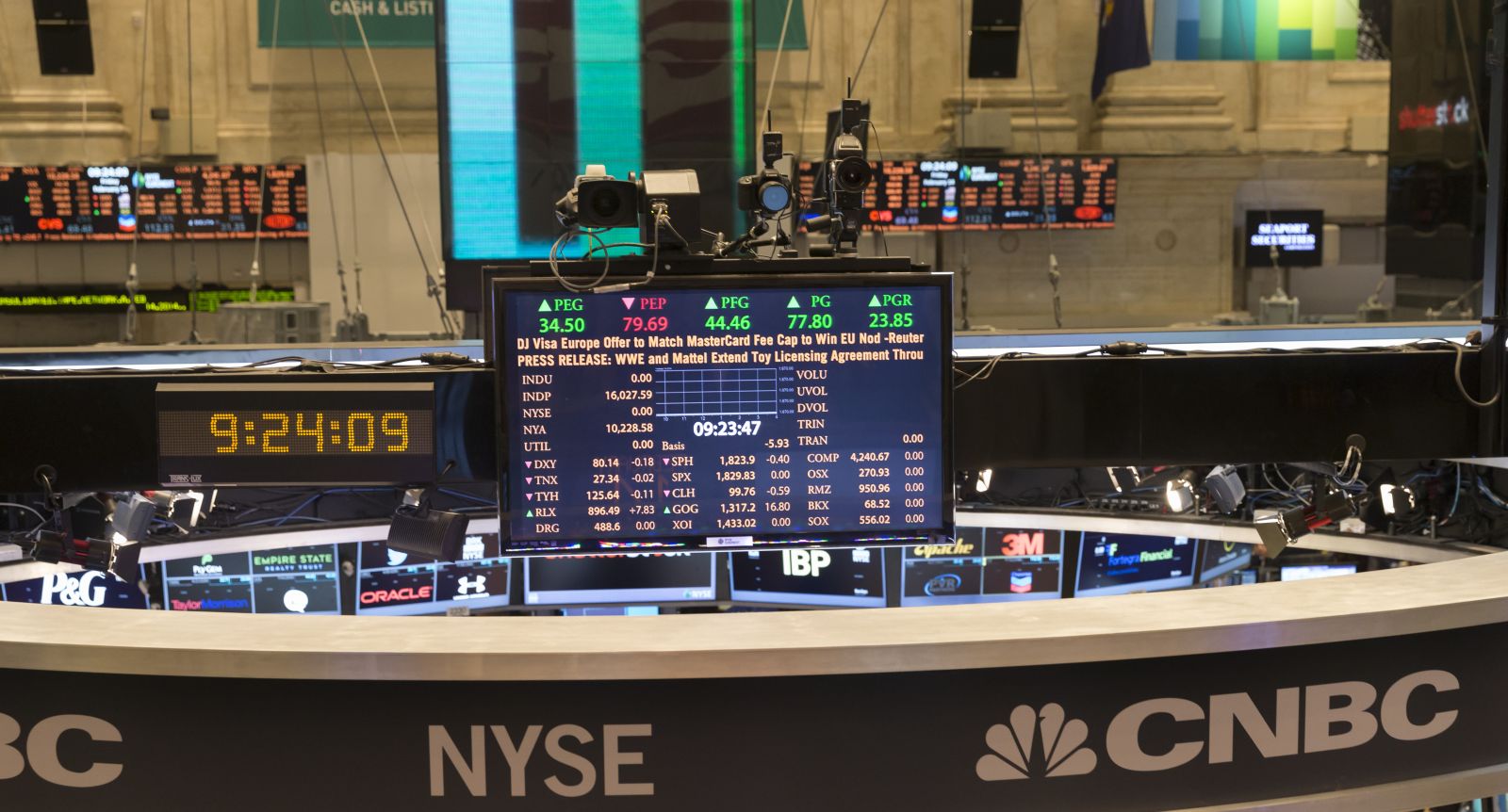
- Market Decline: The S&P 500 index fell by 0.21%, the Dow Jones Industrial Average by 0.04%, and the Nasdaq 100 by 0.24%, indicating investor concerns over rising oil prices that could impact corporate earnings and overall market confidence.
- Oil Price Surge: WTI crude oil prices increased by over 5% due to the closure of the Strait of Hormuz following the US's refusal to lift its naval blockade on Iranian vessels, which could exacerbate global oil and fuel shortages and raise operational costs for affected industries.
- Earnings Expectations: So far, 81% of the 48 S&P 500 companies that reported earnings have exceeded estimates, with Q1 earnings projected to rise by 12% year-over-year; however, excluding the tech sector, growth is only expected to be 3%, indicating signs of an overall economic slowdown.
- Airline and Chip Stocks Under Pressure: Airline stocks are down due to rising fuel costs, with Norwegian Cruise Line Holdings falling over 6%, while chipmakers like Intel are also down more than 2%, reflecting the negative impact of high oil prices across multiple sectors.

US Navy Seizes Iranian Cargo Ship, Sparking Market Concerns


- Navy Seizure Incident: President Trump announced the U.S. Navy seized an Iranian cargo ship, leading to a cautious market sentiment as investor concerns about Middle Eastern tensions rise, causing oil prices to increase and potentially impacting consumer spending.
- Oil Price Warning: The Energy Secretary warned that gas prices could remain above $3 per gallon until next year, which would negatively affect consumers already feeling the pinch of high costs, further impacting economic recovery.
- Tech and Finance Intersection: Kevin Warsh, Trump's nominee for Federal Reserve Chair, is set for a Senate confirmation hearing, and his close ties to Silicon Valley could change the interaction between tech giants and the Fed, influencing future monetary policy.
- Automotive Dealer Consolidation Trend: Data shows that the top 150 auto dealers in the U.S. increased their market share from 21.2% a decade ago to 27%, reflecting the rise of mega-dealers and the struggles of smaller competitors, potentially leading to significant industry structural changes.

US Navy Seizes Iranian Cargo Ship, Market Sentiment Shifts


- Navy Seizure Incident: President Trump announced that the U.S. Navy seized an Iranian cargo ship in the Gulf of Oman, shifting market sentiment to a defensive stance as investor concerns about Middle Eastern tensions rise, leading to higher oil prices and downward pressure on stock futures.
- Oil Price Warning: Amid fears of escalating tensions in the Middle East, oil prices are rising, with the Energy Secretary warning that gas prices could remain above $3 per gallon until next year, further straining consumers already facing higher costs.
- Tech Ties and Fed: Kevin Warsh, Trump's nominee for the Federal Reserve chair, will face confirmation hearings tomorrow, with his close ties to Silicon Valley raising questions about potential access for tech moguls to the Fed, a point of significant market interest.
- Dealer Consolidation: Data shows that the top 150 car dealerships in the U.S. increased their market share from 21.2% a decade ago to 27%, reflecting a trend of consolidation that benefits larger dealers like Lithia Motors and AutoNation.
American Airlines Rejects Merger Talks with United Airlines
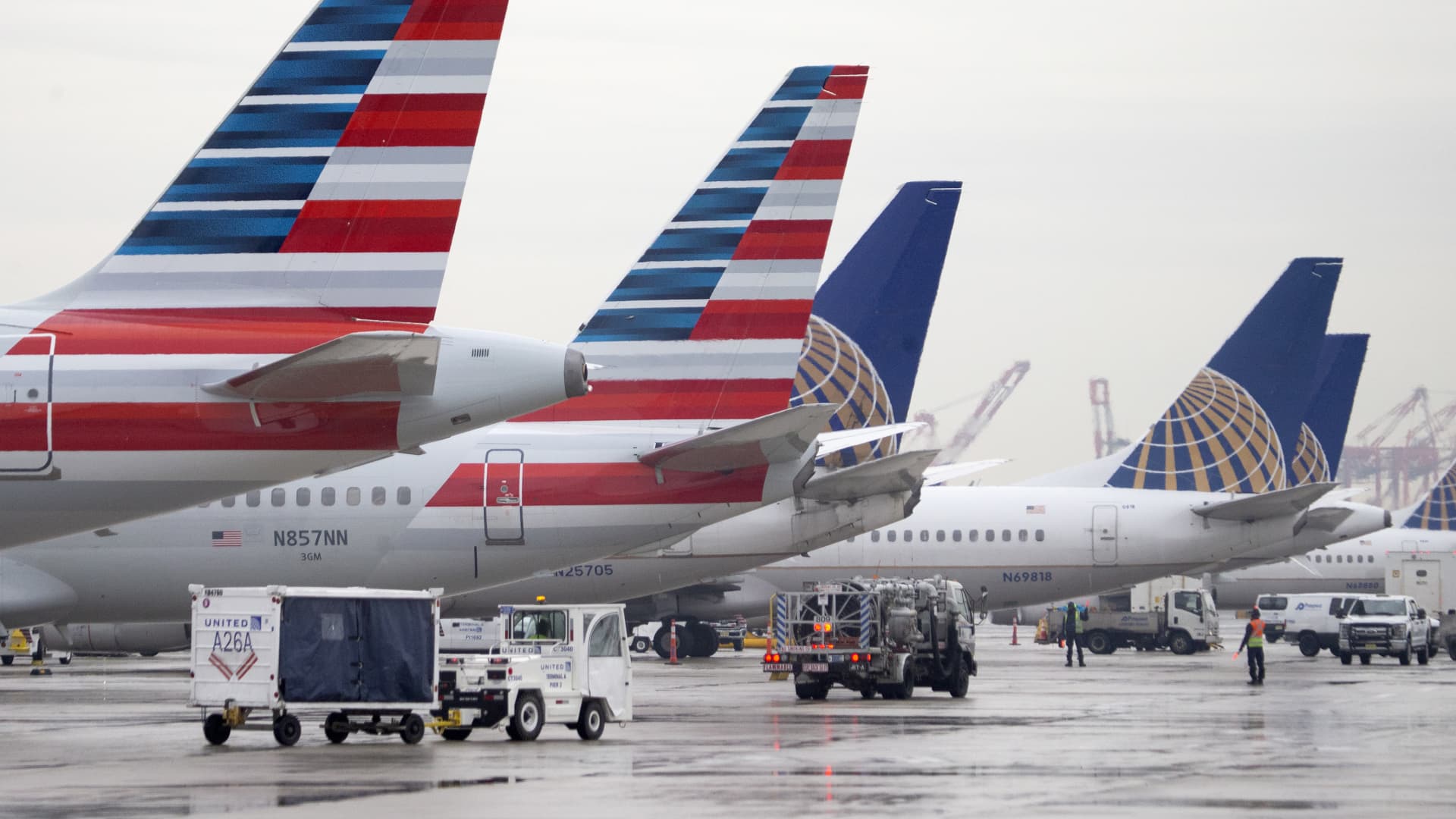
- Merger Talks Rejected: American Airlines issued a statement after market close last Friday, clearly stating it is not engaged in discussions with United Airlines regarding a merger, citing concerns that such a move would negatively impact competition and consumers, thus reflecting its commitment to antitrust principles.
- Stock Price Fluctuation: Following the merger speculation, American Airlines' stock fell nearly 3% in premarket trading, reversing gains made during Friday's market rally, indicating investor apprehension regarding the merger's implications.
- Market Share Impact: Should a merger occur, the combined entity would control approximately 40% of the domestic market share, raising significant concerns about potential monopolistic practices and likely triggering intense regulatory scrutiny.
- Industry Consolidation Outlook: While the Transportation Secretary noted there is room for mergers in the airline industry, he cautioned that any merger among major airlines would necessitate divesting certain assets to prevent adverse effects on pricing and competition in the long run.
Stock Markets Decline Amid Soaring Oil Prices and Geopolitical Tensions
- Oil Price Surge Impacts Markets: The S&P 500 index fell 0.24%, the Dow Jones Industrial Average dropped 0.01%, and the Nasdaq 100 index declined 0.31% on Monday as WTI crude prices surged over 6%, indicating market sensitivity to rising energy costs amid geopolitical tensions.
- Geopolitical Risks Escalate: The closure of the Strait of Hormuz by Iran has raised market concerns, especially following U.S. Navy actions against Iranian tankers, which could exacerbate global oil and fuel shortages, further unsettling investor sentiment.
- Earnings Season Continues: So far, 81% of the 48 S&P 500 companies that reported earnings exceeded expectations, with Q1 earnings projected to rise 12% year-over-year; however, excluding the tech sector, growth is only expected at 3%, highlighting signs of economic weakness.
- Airline Stocks Under Pressure: Airline stocks retreated as rising oil prices weighed on profits, with American Airlines and Alaska Air both down over 4%, reflecting the direct impact of fuel costs on company earnings and potential downward revisions in future profit expectations.
U.S. Stocks Decline Amid Soaring Oil Prices
- Oil Price Surge Impacts Markets: The S&P 500 index fell 0.41%, the Dow Jones Industrial Average dropped 0.31%, and the Nasdaq 100 index declined 0.66% as WTI crude oil prices surged over 5%, indicating market sensitivity to rising energy costs amid doubts about peace talks regarding the Iran war.
- Geopolitical Risks Escalate: Iran's closure of the Strait of Hormuz has raised market concerns, especially following U.S. Navy actions against Iranian tankers, which could exacerbate global oil and fuel shortages, further increasing market uncertainty.
- Earnings Season Continues: So far, 81% of the 48 S&P 500 companies that reported earnings have beaten estimates, with Q1 earnings projected to rise 12% year-over-year; however, excluding the tech sector, the growth is only 3%, indicating signs of overall economic weakness.
- Airline Stocks Under Pressure: Airline and cruise line stocks are broadly down due to rising oil prices, with Norwegian Cruise Line Holdings down over 5% and American Airlines Group down over 4%, reflecting the negative impact of high fuel costs on company profits.
Oil Price Surge Leads to Market Decline
- Market Decline: The S&P 500 index fell by 0.21%, the Dow Jones Industrial Average by 0.04%, and the Nasdaq 100 by 0.24%, indicating investor concerns over rising oil prices that could impact corporate earnings and overall market confidence.
- Oil Price Surge: WTI crude oil prices increased by over 5% due to the closure of the Strait of Hormuz following the US's refusal to lift its naval blockade on Iranian vessels, which could exacerbate global oil and fuel shortages and raise operational costs for affected industries.
- Earnings Expectations: So far, 81% of the 48 S&P 500 companies that reported earnings have exceeded estimates, with Q1 earnings projected to rise by 12% year-over-year; however, excluding the tech sector, growth is only expected to be 3%, indicating signs of an overall economic slowdown.
- Airline and Chip Stocks Under Pressure: Airline stocks are down due to rising fuel costs, with Norwegian Cruise Line Holdings falling over 6%, while chipmakers like Intel are also down more than 2%, reflecting the negative impact of high oil prices across multiple sectors.
US Navy Seizes Iranian Cargo Ship, Sparking Market Concerns
- Navy Seizure Incident: President Trump announced the U.S. Navy seized an Iranian cargo ship, leading to a cautious market sentiment as investor concerns about Middle Eastern tensions rise, causing oil prices to increase and potentially impacting consumer spending.
- Oil Price Warning: The Energy Secretary warned that gas prices could remain above $3 per gallon until next year, which would negatively affect consumers already feeling the pinch of high costs, further impacting economic recovery.
- Tech and Finance Intersection: Kevin Warsh, Trump's nominee for Federal Reserve Chair, is set for a Senate confirmation hearing, and his close ties to Silicon Valley could change the interaction between tech giants and the Fed, influencing future monetary policy.
- Automotive Dealer Consolidation Trend: Data shows that the top 150 auto dealers in the U.S. increased their market share from 21.2% a decade ago to 27%, reflecting the rise of mega-dealers and the struggles of smaller competitors, potentially leading to significant industry structural changes.
US Navy Seizes Iranian Cargo Ship, Market Sentiment Shifts
- Navy Seizure Incident: President Trump announced that the U.S. Navy seized an Iranian cargo ship in the Gulf of Oman, shifting market sentiment to a defensive stance as investor concerns about Middle Eastern tensions rise, leading to higher oil prices and downward pressure on stock futures.
- Oil Price Warning: Amid fears of escalating tensions in the Middle East, oil prices are rising, with the Energy Secretary warning that gas prices could remain above $3 per gallon until next year, further straining consumers already facing higher costs.
- Tech Ties and Fed: Kevin Warsh, Trump's nominee for the Federal Reserve chair, will face confirmation hearings tomorrow, with his close ties to Silicon Valley raising questions about potential access for tech moguls to the Fed, a point of significant market interest.
- Dealer Consolidation: Data shows that the top 150 car dealerships in the U.S. increased their market share from 21.2% a decade ago to 27%, reflecting a trend of consolidation that benefits larger dealers like Lithia Motors and AutoNation.
American Airlines Rejects Merger Talks with United Airlines
- Merger Talks Rejected: American Airlines issued a statement after market close last Friday, clearly stating it is not engaged in discussions with United Airlines regarding a merger, citing concerns that such a move would negatively impact competition and consumers, thus reflecting its commitment to antitrust principles.
- Stock Price Fluctuation: Following the merger speculation, American Airlines' stock fell nearly 3% in premarket trading, reversing gains made during Friday's market rally, indicating investor apprehension regarding the merger's implications.
- Market Share Impact: Should a merger occur, the combined entity would control approximately 40% of the domestic market share, raising significant concerns about potential monopolistic practices and likely triggering intense regulatory scrutiny.
- Industry Consolidation Outlook: While the Transportation Secretary noted there is room for mergers in the airline industry, he cautioned that any merger among major airlines would necessitate divesting certain assets to prevent adverse effects on pricing and competition in the long run.