Serve Robotics Expands Delivery Service to Fort Lauderdale
Written by Emily J. Thompson, Senior Investment Analyst
Updated: Dec 08 2025
0mins

Should l Buy SERV?
Source: NASDAQ.COM
Serve Robotics Inc. saw a price increase of 5.23% as it reached a 20-day high, following its announcement of expansion into Fort Lauderdale.
The company's move to deploy 2,000 delivery robots in South Florida is part of a strategic growth plan, enhancing its competitive edge in the rapidly growing delivery market. This expansion is supported by a partnership with Uber Eats, aiming to provide efficient delivery solutions for local restaurants.
This development not only strengthens Serve Robotics' market position but also reflects the increasing demand for innovative delivery solutions, positioning the company for future growth in the robotics sector.
Trade with 70% Backtested Accuracy
Stop guessing "Should I Buy SERV?" and start using high-conviction signals backed by rigorous historical data.
Sign up today to access powerful investing tools and make smarter, data-driven decisions.
Analyst Views on SERV
Wall Street analysts forecast SERV stock price to rise
5 Analyst Rating
5 Buy
0 Hold
0 Sell
Strong Buy
Current: 9.270

Low
15.00
Averages
20.00
High
26.00
Current: 9.270
Low
15.00
Averages
20.00
High
26.00
About SERV
Serve Robotics, Inc. is engaged in developing next generation robots for last-mile delivery services. The Company designs, develops and operates low-emission robots on its artificial intelligence (AI)-powered robotics mobility platform that serves people in public spaces, starting with food delivery. The Company’s fleet consists of over 100 robots. It has platform-level integrations with Uber Eats, which allows serve robots to provide real-time presence and status updates on those platforms and receive requests to perform deliveries with respect to customer orders placed on those platforms as needed. Its capabilities include automatic emergency braking, vehicle collision avoidance, and fail-safe mechanical braking. It uses AI methodologies to design, train and deploy a host of models on serve robots and these models are used to perform a variety of tasks, including identification of sidewalk surfaces, intersections, traffic signals, obstacles, pedestrians and vehicles, and others.
About the author

Emily J. Thompson
Emily J. Thompson, a Chartered Financial Analyst (CFA) with 12 years in investment research, graduated with honors from the Wharton School. Specializing in industrial and technology stocks, she provides in-depth analysis for Intellectia’s earnings and market brief reports.
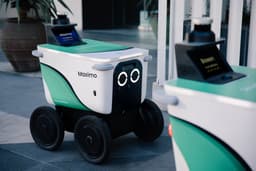
Serve Robotics Acquires Diligent, Expanding into Healthcare Robotics Market

- Market Expansion: Serve Robotics has deployed over 2,000 delivery robots across multiple U.S. cities, rapidly entering markets like Los Angeles and Atlanta, significantly enhancing its market share in last-mile delivery.
- Technological Innovation: By acquiring Diligent Robotics, the company is expanding its autonomy platform into indoor environments for the first time, with Diligent's Moxi robot already deployed in 25 hospitals across the U.S., improving efficiency in medical deliveries.
- Industry Outlook: The global humanoid robot market is projected to grow from $2.92 billion in 2025 to $15.26 billion by 2030, with a CAGR of 39.2%, providing a strong market foundation for Serve Robotics' long-term growth.
- Analyst Optimism: Although covered by fewer than 10 Wall Street analysts, Northland Capital Markets' Michael Latimore considers Serve a top pick for 2026 with a price target of $26, implying nearly a double from current levels.
See More

Serve Robotics Acquires Diligent Robotics, Expanding into Healthcare Market
- Market Expansion: Serve Robotics' acquisition of Diligent Robotics marks its first entry into indoor environments, significantly enhancing its market share in the healthcare sector, particularly in hospitals.
- Robot Deployment: With over 2,000 delivery robots currently deployed across the U.S., the acquisition is expected to accelerate growth in key markets like Los Angeles and Atlanta, strengthening Serve's position in the competitive delivery robot landscape.
- Industry Outlook: The global humanoid robot market is projected to grow from $2.92 billion in 2025 to $15.26 billion by 2030, with a nearly 40% CAGR, providing Serve Robotics with substantial market opportunities, especially in personal assistance and healthcare applications.
- Analyst Optimism: Although fewer than 10 Wall Street analysts currently cover Serve, Northland Capital Markets' Michael Latimore considers it a top pick for 2026 with a price target of $26 per share, suggesting nearly a doubling potential from current levels.
See More

SERV Options Analysis: Put Contract Yield Boost of 6.80%
- Put Contract Yield: Selling a put contract at a $12.50 strike price with a current bid of 85 cents allows investors to commit to buying shares at $12.50 while collecting a premium, effectively lowering their cost basis to $11.65, presenting an attractive alternative to the current share price of $13.74.
- Expiration Risk Analysis: The put contract's strike price is approximately 9% below the current stock price, with current analytics indicating a 67% chance of it expiring worthless; if it does, the premium would yield a 6.80% return on cash commitment, or an annualized 57.72%.
- Call Contract Returns: Selling a call contract at a $16.50 strike price with a current bid of 29 cents, if shares are purchased at $13.74 and the stock is called away at expiration, could yield a total return of 22.20%, but if the contract expires worthless, the investor retains both the shares and the premium.
- Volatility Comparison: The implied volatility for the put contract is 154%, while for the call contract it is 138%, with an actual trailing twelve-month volatility of 117%, providing investors with critical insights for assessing market risks and potential returns.
See More

Serve Robotics Acquires Diligent Robotics for $29 Million, Expanding into Healthcare
- Acquisition Agreement: Serve Robotics has signed an agreement to acquire Diligent Robotics for $29 million, marking its first foray into healthcare robotics and expected to significantly enhance its market share in hospital environments.
- Market Potential: Diligent Robotics' Moxi robots have completed over 1.25 million autonomous deliveries across 25 U.S. hospitals, with annual sales per facility projected between $200,000 and $400,000, indicating strong market demand and profitability potential.
- Technology Integration: The acquisition will leverage a shared autonomy and AI stack to enhance Serve's Physical AI platform, facilitating expansion into indoor environments, particularly in the healthcare sector.
- Short-Term Trends: Although Serve Robotics' stock briefly rose 4% post-announcement, it currently trades below both its 20-day and 100-day simple moving averages, reflecting market caution regarding its future performance.
See More

Realbotix Partners with Ericsson to Deploy Humanoid Robots, Driving Market Growth
- Market Growth Potential: The global humanoid robot market is projected to grow from $2.92 billion in 2025 to $15.26 billion by 2030, with a CAGR of 39.2%, indicating a surge in demand for humanoid robots in personal assistance and healthcare, driving revenue growth for related companies.
- Technological Application Innovation: Realbotix's partnership with Ericsson to deploy advanced humanoid robots utilizing proprietary vision technology enhances workforce training and visitor engagement, underscoring the increasing significance of humanoid robots in real-world applications and solidifying Realbotix's leadership in the industry.
- Acquisition Expansion Strategy: Serve Robotics' acquisition of Diligent Robotics marks the first expansion of its autonomy platform into indoor environments, particularly in high-impact settings like hospitals, which is expected to significantly enhance its market competitiveness and technological capabilities.
- Future Development Vision: Tesla's Optimus project is expected to launch at a price of around $20,000, and if successful in selling one million units, it would support Musk's $1 trillion compensation plan, highlighting the immense potential and transformative impact of humanoid robots in future markets.
See More

Serve Robotics (SERV) Acquires Diligent Robotics for $29 Million in Stock
- Acquisition Agreement: Serve Robotics has announced an agreement to acquire Diligent Robotics for $29 million in stock, marking its expansion into indoor and healthcare environments, with the deal expected to close in Q1.
- Technology Integration: The acquisition will integrate Serve's autonomous mobility platform with Diligent's manipulation and indoor navigation capabilities, creating a safe and efficient physical AI ecosystem that enhances hospital operations.
- Market Potential: Diligent's Moxi robot, deployed in over 25 U.S. hospitals, generates approximately $200,000 to $400,000 annually per hospital, providing Serve with significant growth opportunities to further expand its business.
- Strategic Transformation: Serve Robotics CEO Ali Kashani stated that this acquisition accelerates the company's evolution from a robotic delivery service to a full-stack autonomy platform, enhancing its operational capabilities in complex environments and increasing overall value creation potential.
See More
Serve Robotics Acquires Diligent, Expanding into Healthcare Robotics Market
- Market Expansion: Serve Robotics has deployed over 2,000 delivery robots across multiple U.S. cities, rapidly entering markets like Los Angeles and Atlanta, significantly enhancing its market share in last-mile delivery.
- Technological Innovation: By acquiring Diligent Robotics, the company is expanding its autonomy platform into indoor environments for the first time, with Diligent's Moxi robot already deployed in 25 hospitals across the U.S., improving efficiency in medical deliveries.
- Industry Outlook: The global humanoid robot market is projected to grow from $2.92 billion in 2025 to $15.26 billion by 2030, with a CAGR of 39.2%, providing a strong market foundation for Serve Robotics' long-term growth.
- Analyst Optimism: Although covered by fewer than 10 Wall Street analysts, Northland Capital Markets' Michael Latimore considers Serve a top pick for 2026 with a price target of $26, implying nearly a double from current levels.
See More
Serve Robotics Acquires Diligent Robotics, Expanding into Healthcare Market
- Market Expansion: Serve Robotics' acquisition of Diligent Robotics marks its first entry into indoor environments, significantly enhancing its market share in the healthcare sector, particularly in hospitals.
- Robot Deployment: With over 2,000 delivery robots currently deployed across the U.S., the acquisition is expected to accelerate growth in key markets like Los Angeles and Atlanta, strengthening Serve's position in the competitive delivery robot landscape.
- Industry Outlook: The global humanoid robot market is projected to grow from $2.92 billion in 2025 to $15.26 billion by 2030, with a nearly 40% CAGR, providing Serve Robotics with substantial market opportunities, especially in personal assistance and healthcare applications.
- Analyst Optimism: Although fewer than 10 Wall Street analysts currently cover Serve, Northland Capital Markets' Michael Latimore considers it a top pick for 2026 with a price target of $26 per share, suggesting nearly a doubling potential from current levels.
See More
SERV Options Analysis: Put Contract Yield Boost of 6.80%
- Put Contract Yield: Selling a put contract at a $12.50 strike price with a current bid of 85 cents allows investors to commit to buying shares at $12.50 while collecting a premium, effectively lowering their cost basis to $11.65, presenting an attractive alternative to the current share price of $13.74.
- Expiration Risk Analysis: The put contract's strike price is approximately 9% below the current stock price, with current analytics indicating a 67% chance of it expiring worthless; if it does, the premium would yield a 6.80% return on cash commitment, or an annualized 57.72%.
- Call Contract Returns: Selling a call contract at a $16.50 strike price with a current bid of 29 cents, if shares are purchased at $13.74 and the stock is called away at expiration, could yield a total return of 22.20%, but if the contract expires worthless, the investor retains both the shares and the premium.
- Volatility Comparison: The implied volatility for the put contract is 154%, while for the call contract it is 138%, with an actual trailing twelve-month volatility of 117%, providing investors with critical insights for assessing market risks and potential returns.
See More
Serve Robotics Acquires Diligent Robotics for $29 Million, Expanding into Healthcare
- Acquisition Agreement: Serve Robotics has signed an agreement to acquire Diligent Robotics for $29 million, marking its first foray into healthcare robotics and expected to significantly enhance its market share in hospital environments.
- Market Potential: Diligent Robotics' Moxi robots have completed over 1.25 million autonomous deliveries across 25 U.S. hospitals, with annual sales per facility projected between $200,000 and $400,000, indicating strong market demand and profitability potential.
- Technology Integration: The acquisition will leverage a shared autonomy and AI stack to enhance Serve's Physical AI platform, facilitating expansion into indoor environments, particularly in the healthcare sector.
- Short-Term Trends: Although Serve Robotics' stock briefly rose 4% post-announcement, it currently trades below both its 20-day and 100-day simple moving averages, reflecting market caution regarding its future performance.
See More
Realbotix Partners with Ericsson to Deploy Humanoid Robots, Driving Market Growth
- Market Growth Potential: The global humanoid robot market is projected to grow from $2.92 billion in 2025 to $15.26 billion by 2030, with a CAGR of 39.2%, indicating a surge in demand for humanoid robots in personal assistance and healthcare, driving revenue growth for related companies.
- Technological Application Innovation: Realbotix's partnership with Ericsson to deploy advanced humanoid robots utilizing proprietary vision technology enhances workforce training and visitor engagement, underscoring the increasing significance of humanoid robots in real-world applications and solidifying Realbotix's leadership in the industry.
- Acquisition Expansion Strategy: Serve Robotics' acquisition of Diligent Robotics marks the first expansion of its autonomy platform into indoor environments, particularly in high-impact settings like hospitals, which is expected to significantly enhance its market competitiveness and technological capabilities.
- Future Development Vision: Tesla's Optimus project is expected to launch at a price of around $20,000, and if successful in selling one million units, it would support Musk's $1 trillion compensation plan, highlighting the immense potential and transformative impact of humanoid robots in future markets.
See More
Serve Robotics (SERV) Acquires Diligent Robotics for $29 Million in Stock
- Acquisition Agreement: Serve Robotics has announced an agreement to acquire Diligent Robotics for $29 million in stock, marking its expansion into indoor and healthcare environments, with the deal expected to close in Q1.
- Technology Integration: The acquisition will integrate Serve's autonomous mobility platform with Diligent's manipulation and indoor navigation capabilities, creating a safe and efficient physical AI ecosystem that enhances hospital operations.
- Market Potential: Diligent's Moxi robot, deployed in over 25 U.S. hospitals, generates approximately $200,000 to $400,000 annually per hospital, providing Serve with significant growth opportunities to further expand its business.
- Strategic Transformation: Serve Robotics CEO Ali Kashani stated that this acquisition accelerates the company's evolution from a robotic delivery service to a full-stack autonomy platform, enhancing its operational capabilities in complex environments and increasing overall value creation potential.
See More