Seagate Technology's Target Price Raised Amid Tech Sector Rally
Seagate Technology Holdings PLC's stock rose by 3.00%, reaching a 52-week high, as the tech sector experienced a significant rally following positive market developments.
The catalyst for this movement includes Mizuho's recent announcement of an increased target price for Seagate from $475 to $565, reflecting strong confidence in the company's growth potential amid a booming tech market. This news comes as tech stocks, including major players like Oracle and Nvidia, have surged, indicating robust investor sentiment in the sector.
The implications of this target price increase suggest that Seagate is well-positioned to capitalize on the ongoing demand for AI-related technologies and semiconductor products, further enhancing its market presence and investor appeal.
Trade with 70% Backtested Accuracy
Analyst Views on STX

About STX
About the author

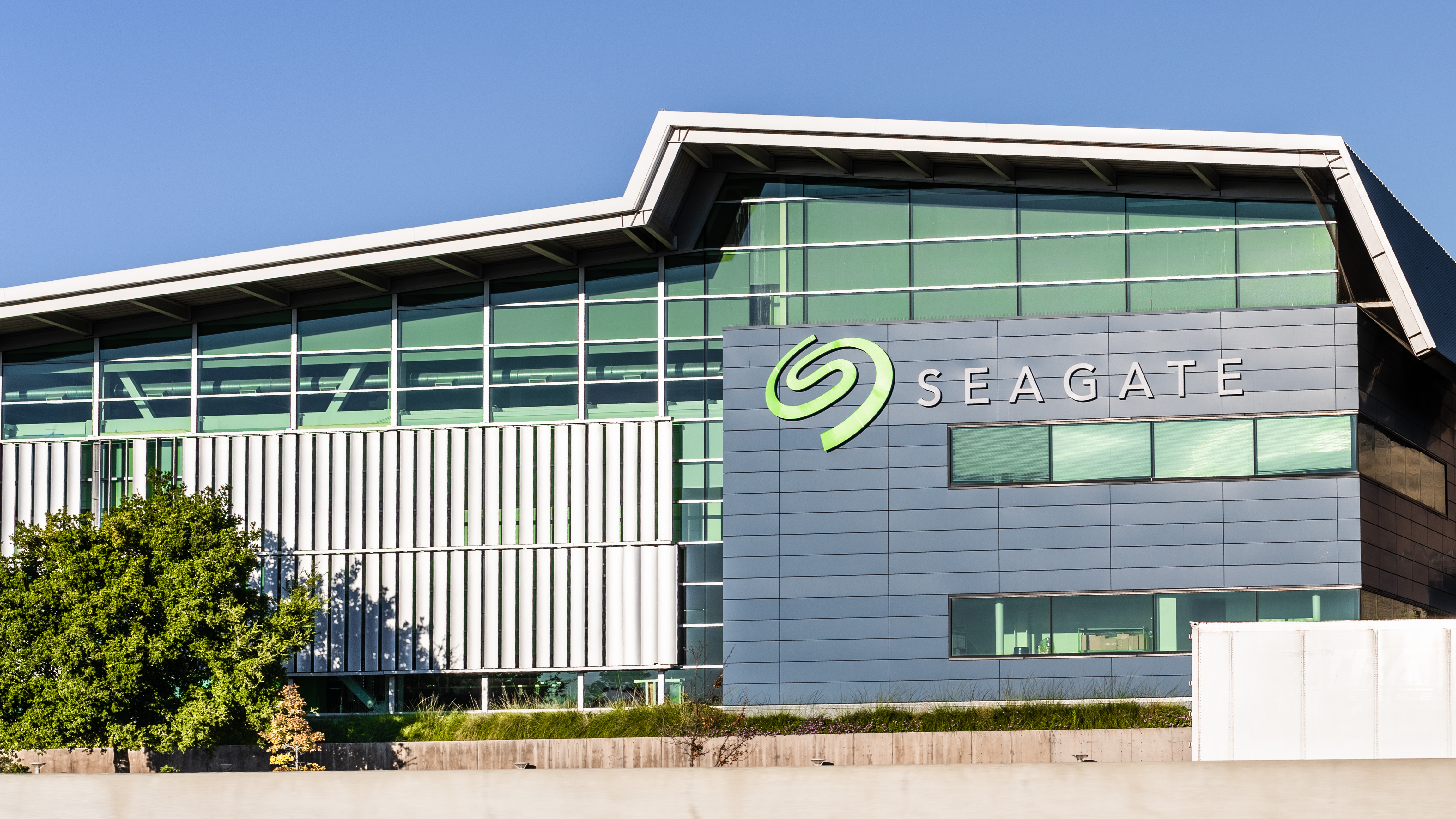
Seagate Technology Added to J.P. Morgan's Positive Catalyst Watch List
- Positive Industry Outlook: J.P. Morgan's inclusion of Seagate Technology on its 'Positive Catalyst Watch' list indicates the company's strong positioning to benefit from robust data center demand and pricing tailwinds, which is expected to drive future performance growth.
- Price Target Increase: The firm raised Seagate's price target from $525 to $600, reflecting analysts' confidence in the company's technological transition, particularly as it has begun shipping next-generation HAMR solutions to data center customers.
- Financial Performance Expectations: Seagate is anticipated to report adjusted EPS of $3.48 and revenue of $2.95 billion in its fiscal 2026 Q3 earnings, a significant increase from $1.90 EPS and $2.16 billion revenue in the same quarter last year, indicating ongoing improvement in profitability.
- Risk Factors Noted: Despite the optimistic outlook, analysts caution that a slowdown in cloud capital expenditure on AI infrastructure could pose risks to demand growth forecasts for the HDD industry, necessitating close monitoring of market dynamics.

Global Helium Shortage Crisis Intensifies

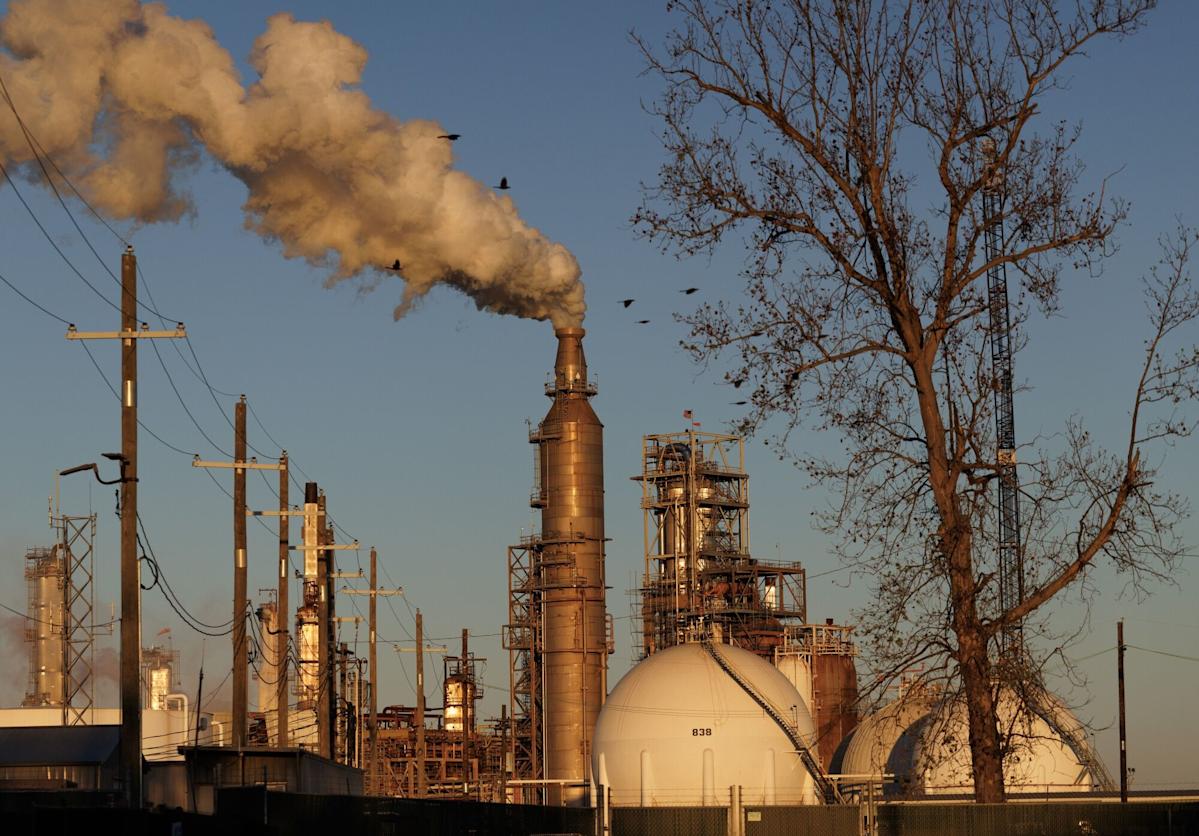
- Helium Supply Disruption: QatarEnergy declared force majeure on March 2 at its Ras Laffan facility, which produces 30% to 38% of the world's helium, due to damage from Iranian drone strikes, with repairs expected to take three to five years, leading to a significant crisis in the semiconductor industry.
- Semiconductor Industry Risks: Helium is irreplaceable in semiconductor manufacturing, particularly during the etching process, and any disruption in the supply chain could result in decreased chip yields, with industry associations warning that the current supply crisis will exacerbate shortages and impact future production capabilities.
- Transport Bottlenecks: Approximately 200 specialized cryogenic shipping containers, valued at about $1 million each, are stranded in Qatar or in transit, and even if traffic through the Strait of Hormuz resumes, these containers will need to be repositioned and refilled before Asian chip foundries can receive new supplies.
- Market Reactions: Companies like Micron Technology are directly impacted due to their reliance on helium for DRAM and high-bandwidth memory chip production, with production slowdowns expected to worsen current shortages, while firms like ExxonMobil may benefit from soaring helium prices, which have risen from $500 to between $1,000 and $1,200.

Qatar's Helium Supply Shortage Has Far-Reaching Impacts
- Infrastructure Damage: Qatar's helium extraction infrastructure has been severely damaged due to Iranian drone and missile strikes, leading to a global helium supply shortage with repair timelines extending three to five years, directly impacting critical semiconductor production processes.
- Supply Chain Crisis: Qatar accounts for approximately 30% to 38% of the world's helium supply, and the force majeure declaration at its Ras Laffan facility has halted operations, causing chip manufacturers to face raw material shortages that could lead to reduced chip yields and increased market prices.
- Price Surge: Following the shutdown of Ras Laffan, spot helium prices surged from around $500 per thousand cubic feet to between $1,000 and $1,200, benefiting major suppliers like ExxonMobil while companies like Micron Technology face increased pressure due to helium dependency.
- Industry Impact: As helium supply tightens, companies like Micron, Seagate, and Western Digital have reported price increases of 20% to 30% on their 2026 production allocations, exacerbating the crisis in the tech sector and affecting overall market stability.

US Stocks Surge as Oil Prices Plunge Amid Peace Talks


- Market Rally: The S&P 500 rose 1.20% and the Nasdaq 100 increased by 1.29%, reaching all-time highs, reflecting investor optimism regarding US-Iran peace talks, which may enhance risk appetite in the markets.
- Oil Price Plunge: WTI crude prices fell over 11% to a five-week low after Iran announced the Strait of Hormuz is fully open, easing inflation concerns and causing the 10-year T-note yield to drop 7 basis points to 4.24%.
- Strong Earnings Season: The earnings season started robustly, with 81% of the 48 S&P 500 companies reporting Q1 earnings exceeding estimates, projecting a 12% year-over-year increase in earnings, providing strong support for the stock market.
- Airline Stocks Surge: Airline stocks surged as fuel costs decreased, with Alaska Air Group (ALK) rising over 10% and Royal Caribbean Cruises Ltd (RCL) up more than 7%, indicating market confidence in the recovery of the airline industry.
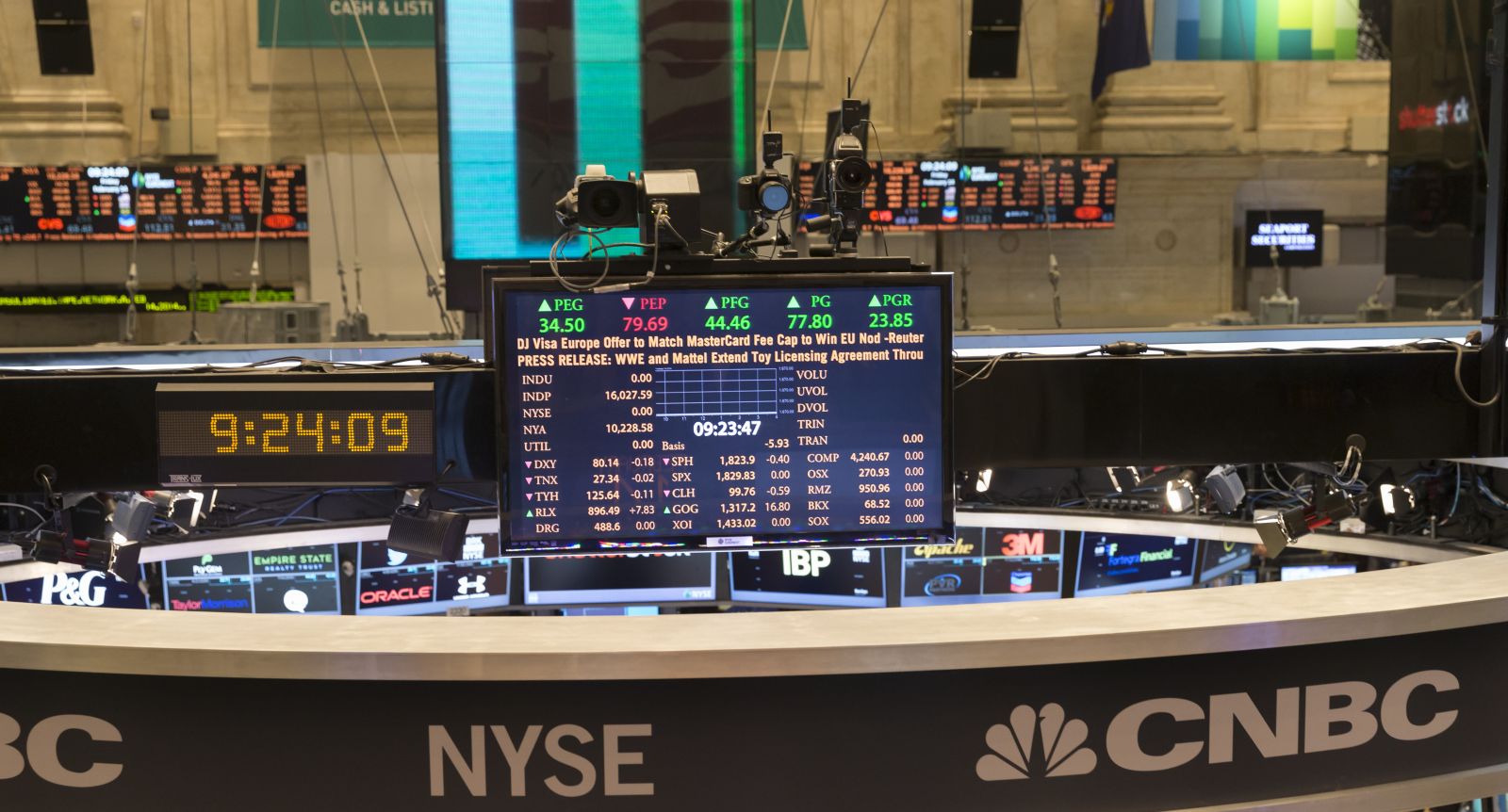
US Stocks Rally as Oil Prices Plunge Amid Peace Talks
- Market Surge: The S&P 500 rose by 1.28% and the Nasdaq 100 reached an all-time high, reflecting investor optimism driven by peace talks between the US and Iran, which may enhance risk appetite and bolster overall market confidence.
- Oil Price Plunge: WTI crude oil prices fell over 13% to a five-week low after the Strait of Hormuz reopened, easing inflation concerns and causing the 10-year Treasury yield to drop by 8 basis points, further supporting the bond market.
- Earnings Growth Expectations: Q1 earnings for the S&P 500 are projected to increase by 12% year-over-year, although excluding the tech sector, growth is only 3%, indicating resilience in corporate performance amid economic recovery and providing market support.
- Airline Stocks Soar: With reduced fuel costs, Alaska Air Group and United Airlines surged by over 14% and 11%, respectively, demonstrating the positive impact of falling oil prices on the airline industry, which could enhance profitability for related companies.

Tech Stocks Rebound, Nvidia on 11-Day Winning Streak


- Nvidia's Strong Performance: Nvidia shares rose about 1% as investors returned to tech stocks, positioning the company for an 11th consecutive winning session, marking the longest streak on record and reflecting renewed market confidence in the tech sector.
- Caterpillar Acquisition News: Caterpillar's stock dropped approximately 5% following reports of its acquisition of Monarch Tractor, a self-driving electric tractor company, which, while pressuring short-term stock performance, may enhance its competitive edge in the automated agricultural equipment market.
- Nike Insider Transactions: Nike shares advanced over 3% after CEO Elliott Hill and director Tim Cook disclosed purchases of over 23,000 and 25,000 shares, respectively, totaling around $2.1 million, indicating strong executive confidence in the company's future and potentially attracting more investor interest.
- DoorDash's Technological Outlook: DoorDash shares surged 8% after Barclays analysts highlighted its leadership in autonomous food delivery technology, which is expected to further drive market share growth and strengthen its competitive position in the industry.
Seagate Technology Added to J.P. Morgan's Positive Catalyst Watch List
- Positive Industry Outlook: J.P. Morgan's inclusion of Seagate Technology on its 'Positive Catalyst Watch' list indicates the company's strong positioning to benefit from robust data center demand and pricing tailwinds, which is expected to drive future performance growth.
- Price Target Increase: The firm raised Seagate's price target from $525 to $600, reflecting analysts' confidence in the company's technological transition, particularly as it has begun shipping next-generation HAMR solutions to data center customers.
- Financial Performance Expectations: Seagate is anticipated to report adjusted EPS of $3.48 and revenue of $2.95 billion in its fiscal 2026 Q3 earnings, a significant increase from $1.90 EPS and $2.16 billion revenue in the same quarter last year, indicating ongoing improvement in profitability.
- Risk Factors Noted: Despite the optimistic outlook, analysts caution that a slowdown in cloud capital expenditure on AI infrastructure could pose risks to demand growth forecasts for the HDD industry, necessitating close monitoring of market dynamics.
Global Helium Shortage Crisis Intensifies
- Helium Supply Disruption: QatarEnergy declared force majeure on March 2 at its Ras Laffan facility, which produces 30% to 38% of the world's helium, due to damage from Iranian drone strikes, with repairs expected to take three to five years, leading to a significant crisis in the semiconductor industry.
- Semiconductor Industry Risks: Helium is irreplaceable in semiconductor manufacturing, particularly during the etching process, and any disruption in the supply chain could result in decreased chip yields, with industry associations warning that the current supply crisis will exacerbate shortages and impact future production capabilities.
- Transport Bottlenecks: Approximately 200 specialized cryogenic shipping containers, valued at about $1 million each, are stranded in Qatar or in transit, and even if traffic through the Strait of Hormuz resumes, these containers will need to be repositioned and refilled before Asian chip foundries can receive new supplies.
- Market Reactions: Companies like Micron Technology are directly impacted due to their reliance on helium for DRAM and high-bandwidth memory chip production, with production slowdowns expected to worsen current shortages, while firms like ExxonMobil may benefit from soaring helium prices, which have risen from $500 to between $1,000 and $1,200.
Qatar's Helium Supply Shortage Has Far-Reaching Impacts
- Infrastructure Damage: Qatar's helium extraction infrastructure has been severely damaged due to Iranian drone and missile strikes, leading to a global helium supply shortage with repair timelines extending three to five years, directly impacting critical semiconductor production processes.
- Supply Chain Crisis: Qatar accounts for approximately 30% to 38% of the world's helium supply, and the force majeure declaration at its Ras Laffan facility has halted operations, causing chip manufacturers to face raw material shortages that could lead to reduced chip yields and increased market prices.
- Price Surge: Following the shutdown of Ras Laffan, spot helium prices surged from around $500 per thousand cubic feet to between $1,000 and $1,200, benefiting major suppliers like ExxonMobil while companies like Micron Technology face increased pressure due to helium dependency.
- Industry Impact: As helium supply tightens, companies like Micron, Seagate, and Western Digital have reported price increases of 20% to 30% on their 2026 production allocations, exacerbating the crisis in the tech sector and affecting overall market stability.
US Stocks Surge as Oil Prices Plunge Amid Peace Talks
- Market Rally: The S&P 500 rose 1.20% and the Nasdaq 100 increased by 1.29%, reaching all-time highs, reflecting investor optimism regarding US-Iran peace talks, which may enhance risk appetite in the markets.
- Oil Price Plunge: WTI crude prices fell over 11% to a five-week low after Iran announced the Strait of Hormuz is fully open, easing inflation concerns and causing the 10-year T-note yield to drop 7 basis points to 4.24%.
- Strong Earnings Season: The earnings season started robustly, with 81% of the 48 S&P 500 companies reporting Q1 earnings exceeding estimates, projecting a 12% year-over-year increase in earnings, providing strong support for the stock market.
- Airline Stocks Surge: Airline stocks surged as fuel costs decreased, with Alaska Air Group (ALK) rising over 10% and Royal Caribbean Cruises Ltd (RCL) up more than 7%, indicating market confidence in the recovery of the airline industry.
US Stocks Rally as Oil Prices Plunge Amid Peace Talks
- Market Surge: The S&P 500 rose by 1.28% and the Nasdaq 100 reached an all-time high, reflecting investor optimism driven by peace talks between the US and Iran, which may enhance risk appetite and bolster overall market confidence.
- Oil Price Plunge: WTI crude oil prices fell over 13% to a five-week low after the Strait of Hormuz reopened, easing inflation concerns and causing the 10-year Treasury yield to drop by 8 basis points, further supporting the bond market.
- Earnings Growth Expectations: Q1 earnings for the S&P 500 are projected to increase by 12% year-over-year, although excluding the tech sector, growth is only 3%, indicating resilience in corporate performance amid economic recovery and providing market support.
- Airline Stocks Soar: With reduced fuel costs, Alaska Air Group and United Airlines surged by over 14% and 11%, respectively, demonstrating the positive impact of falling oil prices on the airline industry, which could enhance profitability for related companies.
Tech Stocks Rebound, Nvidia on 11-Day Winning Streak
- Nvidia's Strong Performance: Nvidia shares rose about 1% as investors returned to tech stocks, positioning the company for an 11th consecutive winning session, marking the longest streak on record and reflecting renewed market confidence in the tech sector.
- Caterpillar Acquisition News: Caterpillar's stock dropped approximately 5% following reports of its acquisition of Monarch Tractor, a self-driving electric tractor company, which, while pressuring short-term stock performance, may enhance its competitive edge in the automated agricultural equipment market.
- Nike Insider Transactions: Nike shares advanced over 3% after CEO Elliott Hill and director Tim Cook disclosed purchases of over 23,000 and 25,000 shares, respectively, totaling around $2.1 million, indicating strong executive confidence in the company's future and potentially attracting more investor interest.
- DoorDash's Technological Outlook: DoorDash shares surged 8% after Barclays analysts highlighted its leadership in autonomous food delivery technology, which is expected to further drive market share growth and strengthen its competitive position in the industry.