Seagate Technology stock declines amid tech sector weakness
Written by Emily J. Thompson, Senior Investment Analyst
Updated: Dec 18 2024
0mins
Should l Buy STX?
Seagate Technology Holdings PLC's stock fell by 5.03% as it crossed below its 5-day SMA, reflecting a challenging day for technology stocks.
The decline comes amid a broader tech stock retreat, with the Nasdaq-100 down 0.11% and investor sentiment cautious following recent gains. Despite UBS raising Seagate's target price to $440, the overall market conditions have led to a sector rotation impacting the stock negatively.
This movement indicates that while there is optimism about Seagate's future, particularly with analysts' positive outlook, the current market dynamics are overshadowing these expectations.
Trade with 70% Backtested Accuracy
Stop guessing "Should I Buy STX?" and start using high-conviction signals backed by rigorous historical data.
Sign up today to access powerful investing tools and make smarter, data-driven decisions.
Analyst Views on STX
Wall Street analysts forecast STX stock price to fall
18 Analyst Rating
14 Buy
3 Hold
1 Sell
Moderate Buy
Current: 384.290

Low
150.00
Averages
310.39
High
465.00
Current: 384.290
Low
150.00
Averages
310.39
High
465.00
About STX
Seagate Technology Holdings plc provides mass-data storage infrastructure solution. The Company’s principal products are hard disk drives, commonly referred to as disk drives, hard drives (HDDs). In addition to HDDs, the Company produces a range of data storage products, including solid state drives (SSDs), solid state hybrid drives, storage subsystems, as well as a scalable edge-to-cloud mass data platform. Its HDD products are designed for mass capacity storage and legacy markets. Mass capacity storage involves use cases, such as hyperscale data centers and public clouds, as well as emerging use cases. The Company’s HDD and SSD product portfolio includes Serial Advanced Technology Attachment, Serial Attached SCSI and Non-Volatile Memory Express based designs to support a variety of mass capacity and legacy applications. Its systems portfolio includes storage subsystems for enterprises, cloud service providers, scale-out storage servers and original equipment manufacturers.
About the author

Emily J. Thompson
Emily J. Thompson, a Chartered Financial Analyst (CFA) with 12 years in investment research, graduated with honors from the Wharton School. Specializing in industrial and technology stocks, she provides in-depth analysis for Intellectia’s earnings and market brief reports.

Stocks Decline as Crude Oil Prices Surge Amid Iran Conflict


- Crude Oil Surge: Despite a record release of reserves by the IEA, crude oil prices have surged, leading to a decline in market sentiment as investors grow increasingly concerned about the potential impact on future economic growth.
- Market Decline: Major stock indices fell broadly in response to rising oil prices, reflecting worries that increased energy costs could negatively affect corporate profits, particularly in a high-inflation environment.
- AI Stocks Shine: In contrast to the overall market downturn, positive news from Nvidia and Oracle boosted AI-related stocks, indicating that investor confidence in this sector remains robust despite broader market challenges.
- Geopolitical Impact: The ongoing tensions from the Iran conflict have heightened market uncertainty, with investors expressing concerns over potential disruptions to energy supply chains, thereby affecting overall market performance.
See More

AI Demand Drives Transformation in Memory Industry


- Price Surge Trend: The memory industry is experiencing a price increase as a new norm driven by surging AI demand, with Micron's stock rising over 370% and Sandisk's soaring more than 1100% in the past year, indicating strong market demand and future growth potential for memory products.
- Preference for Long-term Contracts: SK Hynix reports that customers are increasingly favoring long-term contracts to secure memory supply, replacing the previously common one-year agreements, reflecting a structural shift in the industry that suggests sustained price increases in the coming years.
- Supply Shortage Phenomenon: HPE CEO Antonio Neri highlights that memory supply cannot meet demand, predicting continued price hikes in the industry, which not only impacts memory manufacturers' profits but may also lead to increased costs for downstream customers.
- Changing AI Architecture Demand: Meta VP Yee Jiun Song notes that AI workloads require higher bandwidth memory, and despite growing concerns over HBM supply, the company has secured the necessary supply for future builds, indicating that advancements in AI technology are reshaping the demand structure in the memory market.
See More
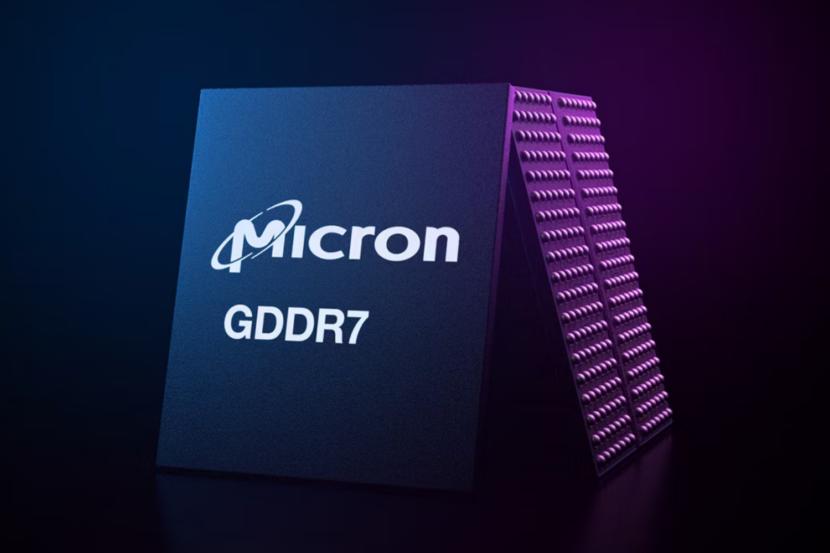
Memory Stocks Surge as AI Demand Soars
- Surge in Memory Prices: The demand from AI chipmakers has led to a significant increase in memory prices, with Micron's shares rising over 370% in the past year and Sandisk's soaring more than 1100%, indicating a structural shift in market demand for memory.
- Long-Term Contract Trend: As hyperscalers increasingly prefer long-term contracts to secure supply, the traditional short-term contract model in the memory industry is being disrupted; HPE CEO Antonio Neri noted that the imbalance between supply and demand will continue to drive prices upward.
- Industry Structural Change: SK Hynix reported that the entire memory industry is undergoing structural changes, with customers' preference for long-term contracts reflecting the urgency of memory supply, and price hikes are expected to become the
See More

Morgan Stanley Bullish on Multiple Tech Companies Post Conference


- Deepening AI Discussions: At Morgan Stanley's tech conference in San Francisco, nearly every company delved into their AI strategies, indicating a significant shift towards deeper AI deployment across multiple business units, reflecting the market's heightened focus on AI technologies.
- Optimistic Outlook for Amazon: Analysts set a $300 price target for Amazon, believing its high-margin businesses will drive greater profits and support investments in last-mile delivery and cloud services, despite a recent 7% stock drop due to quarterly earnings misses.
- Strong Demand for Nvidia: Morgan Stanley remains bullish on Nvidia, with analysts noting robust demand for its Blackwell chip series, which is expected to continue pushing upward estimates, while the upcoming Rubin platform is anticipated to maintain Nvidia's leadership in AI computing architecture.
- Growth Potential for Spotify: Analysts highlight Spotify's 15% penetration in the global smartphone market of 3 billion, alongside its advertising business being just a fraction of the $20 billion global radio ad market, indicating substantial future growth opportunities, especially as user engagement continues to rise.
See More

Oil Price Retreat Supports Market Recovery

- Market Impact of Oil Prices: Oil prices retreated from approximately $119 per barrel late Sunday to about $100 at market open on Monday, sliding further to around $95, which eased selling pressure in equities and highlighted the significance of crude during the Iran conflict.
- Government Response Measures: The Trump administration is reviewing options to stabilize the market, including potential strategic oil reserve releases in coordination with G7 countries; while these steps are positive, their effectiveness in offsetting supply disruptions from Gulf States remains uncertain.
- Pressure on Sensitive Sectors: Financials, consumer discretionary, and materials were the worst-performing sectors in the S&P 500, as rising oil prices typically lead to higher gasoline costs, reducing disposable income for consumers and putting pressure on economic growth.
- Tech Stocks Lead Recovery: Despite oil price volatility, technology and AI-related stocks are leading the market's recovery on Monday, indicating confidence in this investment cycle; Broadcom is up over 4%, reflecting strong post-earnings performance.
See More

US Stocks Plunge Amid Rising Energy Prices and Labor Market Concerns


- Market Weakness: The S&P 500 index fell by 1.33%, and the Dow Jones Industrial Average hit a 3.5-month low, reflecting investor concerns over the Middle East conflict potentially driving energy prices higher and sparking inflation risks, which dampens market confidence.
- Disappointing Employment Data: The US nonfarm payrolls unexpectedly dropped by 92,000 in February, with the unemployment rate rising to 4.4%, indicating a weakening labor market that raises doubts about economic health and may lead the Fed to adopt a more cautious approach in future policy adjustments.
- Surge in Energy Prices: WTI crude oil prices surged over 12% to a 2.5-year high as the ongoing Middle East conflict exacerbates supply concerns, which is expected to push global oil prices even higher, impacting profitability across related sectors.
- Corporate Earnings Resilience: Despite the overall market decline, 74% of S&P 500 companies reported earnings that exceeded expectations, with Q4 earnings growth projected at 8.4%, demonstrating a degree of resilience among businesses that may support future market recovery.
See More
Stocks Decline as Crude Oil Prices Surge Amid Iran Conflict
- Crude Oil Surge: Despite a record release of reserves by the IEA, crude oil prices have surged, leading to a decline in market sentiment as investors grow increasingly concerned about the potential impact on future economic growth.
- Market Decline: Major stock indices fell broadly in response to rising oil prices, reflecting worries that increased energy costs could negatively affect corporate profits, particularly in a high-inflation environment.
- AI Stocks Shine: In contrast to the overall market downturn, positive news from Nvidia and Oracle boosted AI-related stocks, indicating that investor confidence in this sector remains robust despite broader market challenges.
- Geopolitical Impact: The ongoing tensions from the Iran conflict have heightened market uncertainty, with investors expressing concerns over potential disruptions to energy supply chains, thereby affecting overall market performance.
See More
AI Demand Drives Transformation in Memory Industry
- Price Surge Trend: The memory industry is experiencing a price increase as a new norm driven by surging AI demand, with Micron's stock rising over 370% and Sandisk's soaring more than 1100% in the past year, indicating strong market demand and future growth potential for memory products.
- Preference for Long-term Contracts: SK Hynix reports that customers are increasingly favoring long-term contracts to secure memory supply, replacing the previously common one-year agreements, reflecting a structural shift in the industry that suggests sustained price increases in the coming years.
- Supply Shortage Phenomenon: HPE CEO Antonio Neri highlights that memory supply cannot meet demand, predicting continued price hikes in the industry, which not only impacts memory manufacturers' profits but may also lead to increased costs for downstream customers.
- Changing AI Architecture Demand: Meta VP Yee Jiun Song notes that AI workloads require higher bandwidth memory, and despite growing concerns over HBM supply, the company has secured the necessary supply for future builds, indicating that advancements in AI technology are reshaping the demand structure in the memory market.
See More
Memory Stocks Surge as AI Demand Soars
- Surge in Memory Prices: The demand from AI chipmakers has led to a significant increase in memory prices, with Micron's shares rising over 370% in the past year and Sandisk's soaring more than 1100%, indicating a structural shift in market demand for memory.
- Long-Term Contract Trend: As hyperscalers increasingly prefer long-term contracts to secure supply, the traditional short-term contract model in the memory industry is being disrupted; HPE CEO Antonio Neri noted that the imbalance between supply and demand will continue to drive prices upward.
- Industry Structural Change: SK Hynix reported that the entire memory industry is undergoing structural changes, with customers' preference for long-term contracts reflecting the urgency of memory supply, and price hikes are expected to become the
See More
Morgan Stanley Bullish on Multiple Tech Companies Post Conference
- Deepening AI Discussions: At Morgan Stanley's tech conference in San Francisco, nearly every company delved into their AI strategies, indicating a significant shift towards deeper AI deployment across multiple business units, reflecting the market's heightened focus on AI technologies.
- Optimistic Outlook for Amazon: Analysts set a $300 price target for Amazon, believing its high-margin businesses will drive greater profits and support investments in last-mile delivery and cloud services, despite a recent 7% stock drop due to quarterly earnings misses.
- Strong Demand for Nvidia: Morgan Stanley remains bullish on Nvidia, with analysts noting robust demand for its Blackwell chip series, which is expected to continue pushing upward estimates, while the upcoming Rubin platform is anticipated to maintain Nvidia's leadership in AI computing architecture.
- Growth Potential for Spotify: Analysts highlight Spotify's 15% penetration in the global smartphone market of 3 billion, alongside its advertising business being just a fraction of the $20 billion global radio ad market, indicating substantial future growth opportunities, especially as user engagement continues to rise.
See More
Oil Price Retreat Supports Market Recovery
- Market Impact of Oil Prices: Oil prices retreated from approximately $119 per barrel late Sunday to about $100 at market open on Monday, sliding further to around $95, which eased selling pressure in equities and highlighted the significance of crude during the Iran conflict.
- Government Response Measures: The Trump administration is reviewing options to stabilize the market, including potential strategic oil reserve releases in coordination with G7 countries; while these steps are positive, their effectiveness in offsetting supply disruptions from Gulf States remains uncertain.
- Pressure on Sensitive Sectors: Financials, consumer discretionary, and materials were the worst-performing sectors in the S&P 500, as rising oil prices typically lead to higher gasoline costs, reducing disposable income for consumers and putting pressure on economic growth.
- Tech Stocks Lead Recovery: Despite oil price volatility, technology and AI-related stocks are leading the market's recovery on Monday, indicating confidence in this investment cycle; Broadcom is up over 4%, reflecting strong post-earnings performance.
See More
US Stocks Plunge Amid Rising Energy Prices and Labor Market Concerns
- Market Weakness: The S&P 500 index fell by 1.33%, and the Dow Jones Industrial Average hit a 3.5-month low, reflecting investor concerns over the Middle East conflict potentially driving energy prices higher and sparking inflation risks, which dampens market confidence.
- Disappointing Employment Data: The US nonfarm payrolls unexpectedly dropped by 92,000 in February, with the unemployment rate rising to 4.4%, indicating a weakening labor market that raises doubts about economic health and may lead the Fed to adopt a more cautious approach in future policy adjustments.
- Surge in Energy Prices: WTI crude oil prices surged over 12% to a 2.5-year high as the ongoing Middle East conflict exacerbates supply concerns, which is expected to push global oil prices even higher, impacting profitability across related sectors.
- Corporate Earnings Resilience: Despite the overall market decline, 74% of S&P 500 companies reported earnings that exceeded expectations, with Q4 earnings growth projected at 8.4%, demonstrating a degree of resilience among businesses that may support future market recovery.
See More