NVR Inc hits a 20-day low amid market strength
Written by Emily J. Thompson, Senior Investment Analyst
Updated: Nov 26 2024
0mins

Should l Buy NVR?
Source: Benzinga
NVR Inc experienced a price decline of 3.02%, hitting a 20-day low during regular trading hours. This movement occurred despite the broader market's positive performance, with the Nasdaq-100 up 0.67% and the S&P 500 up 0.40%.
The decline in NVR's stock price is attributed to sector rotation, as investors are shifting their focus towards other sectors that are currently outperforming. This shift indicates a cautious sentiment towards NVR, despite the overall market strength.
The implications of this price movement suggest that NVR may face continued pressure unless it can demonstrate stronger performance or positive developments in its business operations.
Trade with 70% Backtested Accuracy
Stop guessing "Should I Buy NVR?" and start using high-conviction signals backed by rigorous historical data.
Sign up today to access powerful investing tools and make smarter, data-driven decisions.
Analyst Views on NVR
Wall Street analysts forecast NVR stock price to rise
4 Analyst Rating
2 Buy
2 Hold
0 Sell
Moderate Buy
Current: 7000.920

Low
7910
Averages
8658
High
9200
Current: 7000.920
Low
7910
Averages
8658
High
9200
About NVR
NVR, Inc. is engaged in the construction and sale of single-family detached homes, townhomes, and condominium buildings. The Company operates through two segments: homebuilding and mortgage banking. The homebuilding operations primarily construct and sell single-family detached homes, townhomes and condominium buildings under three trade names: Ryan Homes, NVHomes and Heartland Homes, and operate in 37 metropolitan areas in 16 states and Washington, District of Columbia (D.C.). Its mortgage banking operations primarily operate in the homebuilding operations market. Its mortgage banking business consists of origination fees, gains on sales of loans, and title fees. The homebuilding segments are comprised of operating divisions, such as Mid Atlantic, North East, Mid East and South East. Its Mid Atlantic divisions operate in Maryland, Virginia, West Virginia, Delaware and Washington, District of Columbia (D.C.). Its North East division operates in New Jersey and Eastern Pennsylvania.
About the author

Emily J. Thompson
Emily J. Thompson, a Chartered Financial Analyst (CFA) with 12 years in investment research, graduated with honors from the Wharton School. Specializing in industrial and technology stocks, she provides in-depth analysis for Intellectia’s earnings and market brief reports.

Buffett Retires, Abel Takes Over as CEO of Berkshire Hathaway


- Leadership Transition: Warren Buffett retired on December 31, 2025, with Greg Abel stepping in to manage Berkshire Hathaway's $320 billion investment portfolio, marking a significant new era for the company.
- Investment Concentration: Abel's portfolio is heavily weighted, with 10 core holdings accounting for nearly 79% of assets, including Apple at $60 billion, highlighting the company's focus on high-quality assets and long-term growth potential.
- Sustainable Competitive Advantages: Among the 20 billion-dollar investments Abel oversees, many companies like Visa and Sirius XM operate as legal monopolies, ensuring stable revenue streams and risk resilience, reflecting Berkshire's investment strategy.
- Smaller Holdings Adjustment: Abel also manages 18 relatively smaller investments, with significant reductions like the 77% cut in Amazon's stake, indicating a focus on optimizing the portfolio and potentially paving the way for future trading opportunities.
See More

Warren Buffett Retires, Greg Abel Takes Over as CEO of Berkshire Hathaway
- Leadership Transition: Warren Buffett retired as CEO on December 31, 2025, with Greg Abel taking over the management of a $320 billion investment portfolio, marking a new era for Berkshire Hathaway, although Buffett remains as chairman of the board.
- Investment Philosophy Continuity: Abel shares a similar investment philosophy with Buffett, emphasizing value investing and sustainable competitive advantages, particularly by allocating a significant portion of the company's capital to their best ideas.
- Core Holdings Concentration: The ten core positions account for nearly 79% of Berkshire's invested assets, all of which pay dividends and engage in share repurchases, demonstrating strong capital return capabilities, with Abel's management style reflected in these choices.
- Smaller Investment Dynamics: Abel oversees 18 smaller holdings ranging from $5 million to approximately $692 million, many of which are being reduced or removed from the portfolio, indicating a dynamic adjustment strategy in response to market conditions.
See More
Latest Rating Changes on Wall Street


- Apple Performance: Evercore ISI reiterates Apple as outperform despite slowing App Store growth, expecting AAPL to compensate through higher growth areas like Apple Pay, iCloud, and Licensing, with a target price of $330.
- Homebuilders Downgrade: Seaport downgrades Toll Brothers and D.R. Horton to neutral, anticipating a 15% downside due to ongoing demand pressures and book valuations below 2013 levels.
- MercadoLibre Investment Upgrade: Jefferies upgrades MercadoLibre from hold to buy, citing its growth investment strategy in Latin America as a driver for long-term growth.
- Rocket Lab Rating Upgrade: Citizens upgrades Rocket Lab from market perform to market outperform with an $85 price target, highlighting its favorable positioning in the space economy and improved risk/reward dynamics.
See More

Impact of Iran War on US Housing Market


- Rising Mortgage Rates: The average rate for a 30-year fixed mortgage has surged from 5.99% to 6.5% due to the war with Iran, severely undermining the anticipated improvement in housing affordability and leading to a 5% drop in mortgage applications.
- Sales Forecast Downgrade: Zillow initially projected a 4.3% increase in existing home sales for 2026, but rising energy prices and inflation concerns have introduced new uncertainties, potentially reducing the sales growth to just 1.21%.
- New Construction Market Struggles: KB Home has lowered its full-year sales forecast following disappointing quarterly earnings, citing that net orders in Q1 fell below necessary levels, reflecting heightened consumer challenges exacerbated by the Middle East conflict.
- Supply-Demand Imbalance: The cancellation rate of home contracts has reached its highest since 2017, with approximately 13.7% of contracts canceled in February, resulting in over 600,000 more sellers than buyers in the market, creating a precarious and unstable housing environment.
See More
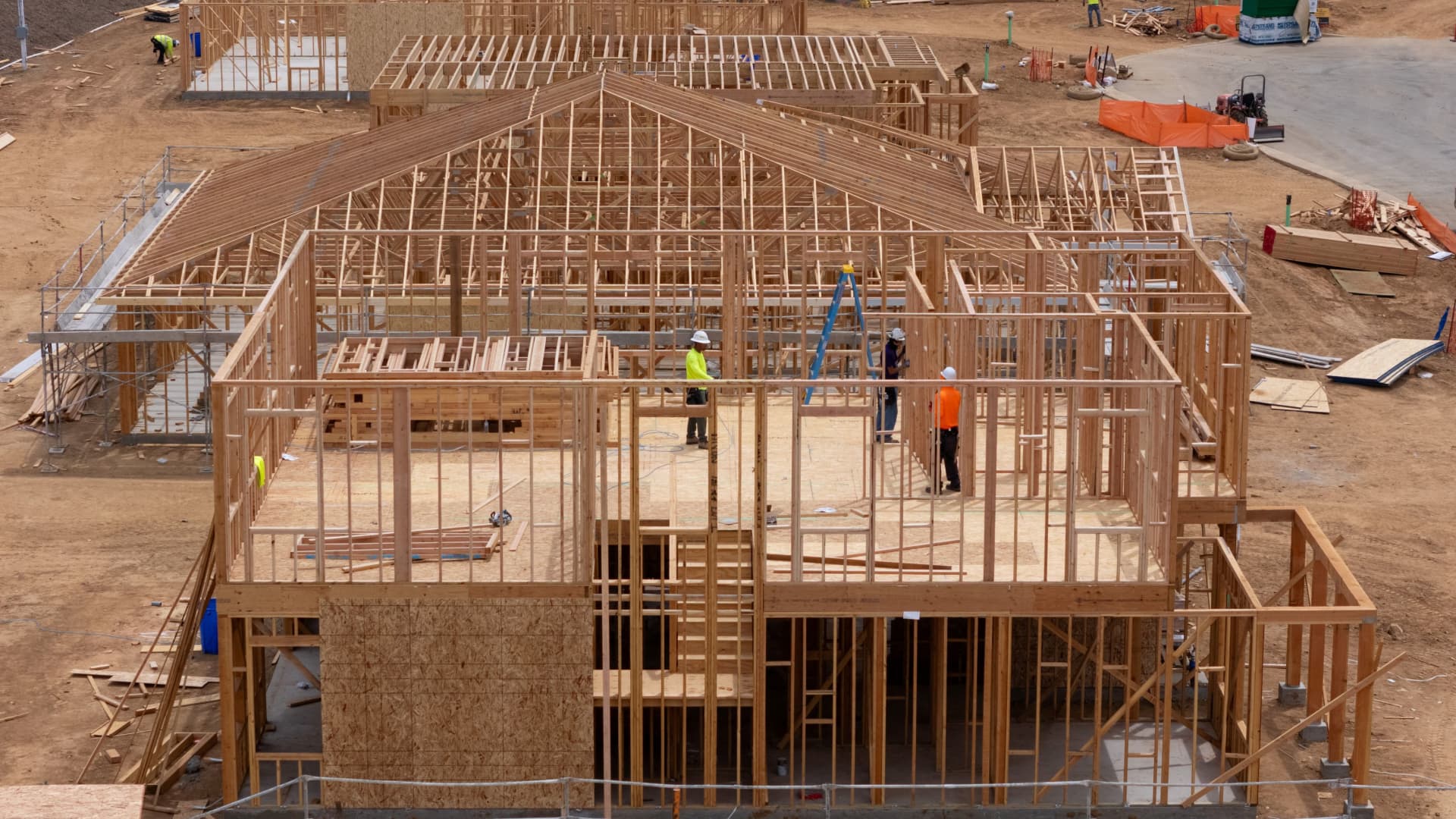
KB Home's Strategic Shift May Drive Profit Growth

- Market Performance Rating: Citizens JMP Securities initiates coverage on KB Home with an outperform rating and a 12-month price target of $77, indicating a potential upside of approximately 45%, reflecting the analyst's view that the stock is undervalued at current levels.
- Product Mix Adjustment: KB Home is shifting its product mix back towards build-to-order homes, which are expected to provide a long-term gross margin tailwind, particularly as demand for BTO homes has improved recently, indicating the effectiveness of the company's strategic pivot.
- Competitive Advantage: KB Home's operations in California face muted competition in most markets, providing opportunities for further market share and profit enhancement, especially with a potential rebound in gross profit margins anticipated in the fiscal year ending November 30, 2027.
- Analyst Opinion Divergence: Despite Citizens' contrarian view, only three out of 17 analysts covering KB Home on Wall Street rate it a buy, highlighting a significant divergence in market sentiment, with an average price target of $60 suggesting a 13% upside.
See More

Spring Market Dynamics in U.S. Real Estate

- Rising Mortgage Rates: The U.S. 30-year fixed mortgage rate surged to 6.53% on the first day of spring due to rising oil prices from the Iran war, just 18 basis points lower than last year, which will impact buyer affordability and potentially dampen market activity.
- Supply-Demand Imbalance: While active inventory rose 5.6% year-over-year, new listings fell by 1.4%, indicating homes are sitting unsold as potential sellers hold back due to war concerns, creating a tense supply-demand dynamic.
- Regional Disparities: Cities like Las Vegas and Washington D.C. saw active listings increase over 20% year-over-year, while areas like San Francisco and Miami experienced declines, highlighting significant market fragmentation and imbalance.
- New Construction Challenges: Builders are grappling with a 9.7-month supply of homes due to the lowest sales levels since 2022, and although many are cutting prices in March to attract buyers, high land and construction costs remain major hurdles.
See More
Buffett Retires, Abel Takes Over as CEO of Berkshire Hathaway
- Leadership Transition: Warren Buffett retired on December 31, 2025, with Greg Abel stepping in to manage Berkshire Hathaway's $320 billion investment portfolio, marking a significant new era for the company.
- Investment Concentration: Abel's portfolio is heavily weighted, with 10 core holdings accounting for nearly 79% of assets, including Apple at $60 billion, highlighting the company's focus on high-quality assets and long-term growth potential.
- Sustainable Competitive Advantages: Among the 20 billion-dollar investments Abel oversees, many companies like Visa and Sirius XM operate as legal monopolies, ensuring stable revenue streams and risk resilience, reflecting Berkshire's investment strategy.
- Smaller Holdings Adjustment: Abel also manages 18 relatively smaller investments, with significant reductions like the 77% cut in Amazon's stake, indicating a focus on optimizing the portfolio and potentially paving the way for future trading opportunities.
See More
Warren Buffett Retires, Greg Abel Takes Over as CEO of Berkshire Hathaway
- Leadership Transition: Warren Buffett retired as CEO on December 31, 2025, with Greg Abel taking over the management of a $320 billion investment portfolio, marking a new era for Berkshire Hathaway, although Buffett remains as chairman of the board.
- Investment Philosophy Continuity: Abel shares a similar investment philosophy with Buffett, emphasizing value investing and sustainable competitive advantages, particularly by allocating a significant portion of the company's capital to their best ideas.
- Core Holdings Concentration: The ten core positions account for nearly 79% of Berkshire's invested assets, all of which pay dividends and engage in share repurchases, demonstrating strong capital return capabilities, with Abel's management style reflected in these choices.
- Smaller Investment Dynamics: Abel oversees 18 smaller holdings ranging from $5 million to approximately $692 million, many of which are being reduced or removed from the portfolio, indicating a dynamic adjustment strategy in response to market conditions.
See More
Latest Rating Changes on Wall Street
- Apple Performance: Evercore ISI reiterates Apple as outperform despite slowing App Store growth, expecting AAPL to compensate through higher growth areas like Apple Pay, iCloud, and Licensing, with a target price of $330.
- Homebuilders Downgrade: Seaport downgrades Toll Brothers and D.R. Horton to neutral, anticipating a 15% downside due to ongoing demand pressures and book valuations below 2013 levels.
- MercadoLibre Investment Upgrade: Jefferies upgrades MercadoLibre from hold to buy, citing its growth investment strategy in Latin America as a driver for long-term growth.
- Rocket Lab Rating Upgrade: Citizens upgrades Rocket Lab from market perform to market outperform with an $85 price target, highlighting its favorable positioning in the space economy and improved risk/reward dynamics.
See More
Impact of Iran War on US Housing Market
- Rising Mortgage Rates: The average rate for a 30-year fixed mortgage has surged from 5.99% to 6.5% due to the war with Iran, severely undermining the anticipated improvement in housing affordability and leading to a 5% drop in mortgage applications.
- Sales Forecast Downgrade: Zillow initially projected a 4.3% increase in existing home sales for 2026, but rising energy prices and inflation concerns have introduced new uncertainties, potentially reducing the sales growth to just 1.21%.
- New Construction Market Struggles: KB Home has lowered its full-year sales forecast following disappointing quarterly earnings, citing that net orders in Q1 fell below necessary levels, reflecting heightened consumer challenges exacerbated by the Middle East conflict.
- Supply-Demand Imbalance: The cancellation rate of home contracts has reached its highest since 2017, with approximately 13.7% of contracts canceled in February, resulting in over 600,000 more sellers than buyers in the market, creating a precarious and unstable housing environment.
See More
KB Home's Strategic Shift May Drive Profit Growth
- Market Performance Rating: Citizens JMP Securities initiates coverage on KB Home with an outperform rating and a 12-month price target of $77, indicating a potential upside of approximately 45%, reflecting the analyst's view that the stock is undervalued at current levels.
- Product Mix Adjustment: KB Home is shifting its product mix back towards build-to-order homes, which are expected to provide a long-term gross margin tailwind, particularly as demand for BTO homes has improved recently, indicating the effectiveness of the company's strategic pivot.
- Competitive Advantage: KB Home's operations in California face muted competition in most markets, providing opportunities for further market share and profit enhancement, especially with a potential rebound in gross profit margins anticipated in the fiscal year ending November 30, 2027.
- Analyst Opinion Divergence: Despite Citizens' contrarian view, only three out of 17 analysts covering KB Home on Wall Street rate it a buy, highlighting a significant divergence in market sentiment, with an average price target of $60 suggesting a 13% upside.
See More
Spring Market Dynamics in U.S. Real Estate
- Rising Mortgage Rates: The U.S. 30-year fixed mortgage rate surged to 6.53% on the first day of spring due to rising oil prices from the Iran war, just 18 basis points lower than last year, which will impact buyer affordability and potentially dampen market activity.
- Supply-Demand Imbalance: While active inventory rose 5.6% year-over-year, new listings fell by 1.4%, indicating homes are sitting unsold as potential sellers hold back due to war concerns, creating a tense supply-demand dynamic.
- Regional Disparities: Cities like Las Vegas and Washington D.C. saw active listings increase over 20% year-over-year, while areas like San Francisco and Miami experienced declines, highlighting significant market fragmentation and imbalance.
- New Construction Challenges: Builders are grappling with a 9.7-month supply of homes due to the lowest sales levels since 2022, and although many are cutting prices in March to attract buyers, high land and construction costs remain major hurdles.
See More