Lululemon Faces Challenges Amid Tariff Uncertainty and Market Weakness

Lululemon Athletica Inc (LULU) has seen its stock price decline by 3.05%, hitting a 20-day low, as broader market indices like the Nasdaq-100 and S&P 500 fell by over 1%.
The recent sell-off in stocks, including Lululemon, is largely attributed to the Supreme Court's delay in ruling on Trump's tariffs, which has created uncertainty in the market. This situation has led to a negative sentiment affecting retail stocks, despite Lululemon's optimistic financial guidance for Q4, where it expects revenue to reach up to $3.585 billion. The company is also experiencing strong international sales growth, which contrasts with a slight decline in the Americas.
Despite the current market pressures, Lululemon's management remains focused on improving its U.S. business performance and capitalizing on its international growth potential. Investors are advised to monitor upcoming earnings reports for signs of recovery.
Trade with 70% Backtested Accuracy
Analyst Views on LULU

About LULU
About the author


Nike's Earnings Report Triggers Stock Plunge


- Sales Decline in China: Nike's guidance indicates a projected 20% sales decline in China, leading to a stock drop of over 15%, which reflects market concerns about its future performance in a highly competitive consumer goods sector.
- Earnings Beat Expectations: Despite reporting earnings per share of $0.35, surpassing Wall Street's expectation of $0.28, and approximately $11.3 billion in sales, Nike's overall revenue fell 3% year-over-year, highlighting challenges in the global market.
- Comparison with Lululemon and Tapestry: In contrast to Nike, Lululemon achieved a 28% sales growth in China and is expected to maintain double-digit growth, while Tapestry reported a 34% increase in its Chinese sales, illustrating the varying performances of brands in the Chinese market.
- Market Reaction and Investor Focus: Nike's weak performance has drawn attention to other consumer goods companies, particularly Lululemon and Tapestry, as investors closely monitor these firms' results to assess the overall health of the Chinese market.
Nike Reports Disappointing Earnings, Stock Plummets
- Weak Sales: Nike's fiscal Q3 2026 results showed flat year-over-year sales and a 35% decline in net income to $520 million, primarily due to rising tariffs in North America and sluggish performance in China, indicating significant challenges during the company's turnaround phase.
- Narrowing Gross Margin: The company's gross margin contracted by 130 basis points to 40.2%, which not only impacted profitability but also led to a 35% drop in earnings per share to $0.35, reflecting pressures on cost control and market competition.
- Bleak Outlook for China: Management's guidance for a 20% year-over-year decline in sales in China is startling, especially after a 10% drop in Q3, highlighting Nike's loss of market share to competitors in the region.
- Wholesale Channel Growth: Despite challenges, Nike's wholesale revenues increased by 5% year-over-year to $6.5 billion, demonstrating that the company's renewed focus on the wholesale channel is yielding revenue stability in North America and strengthening its financial foundation.

Nike Reports 35% Decline in Q3 Net Income Amid Tariff Pressures
- Significant Net Income Drop: Nike's net income for fiscal Q3 2026 plummeted 35% year-over-year to $520 million, primarily due to a 130 basis point contraction in gross margin to 40.2% from increased North American tariffs, posing considerable pressure on the company's financial health.
- Wholesale Revenue Growth: Despite flat overall sales, Nike's wholesale revenue rose 5% year-over-year to $6.5 billion, indicating a resurgence in the wholesale channel that could support future revenue growth amid ongoing challenges.
- Challenges in China Market: Nike anticipates a startling 20% decline in Greater China sales, particularly concerning given that sales had already fallen 10% in Q3, reflecting the urgency of the company's efforts to clean up market inventory.
- Strong Financial Foundation: Ending the quarter with $8.1 billion in cash and short-term investments, Nike managed to return $609 million to shareholders via dividends in Q3, demonstrating its financial resilience even in the face of significant challenges.
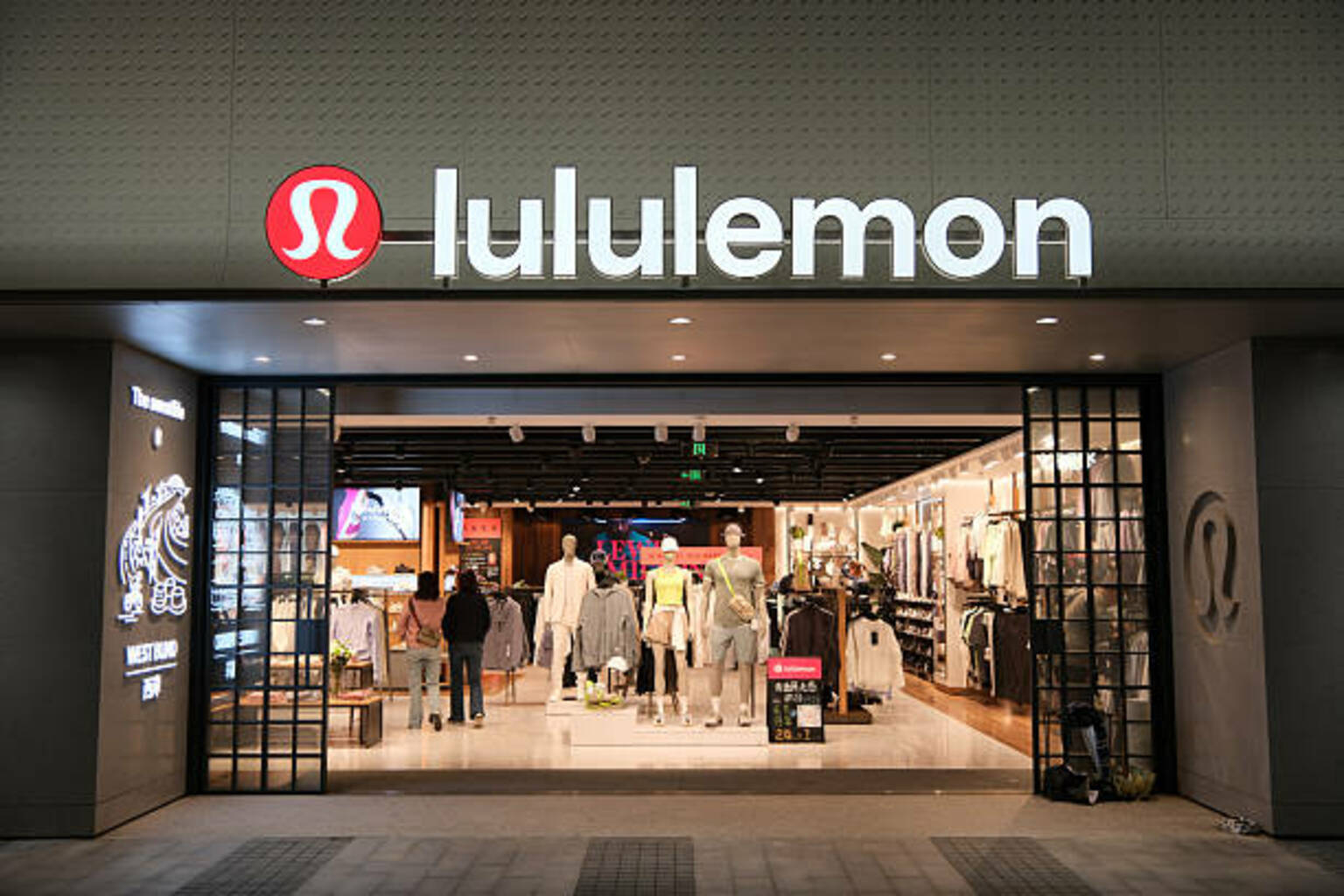
Lululemon Founder Advocates for Management Change
- Shareholder Letter Issued: Lululemon founder Chip Wilson has issued a letter to shareholders urging support for his campaign to implement board changes and new leadership, reflecting his dissatisfaction with the current management team.
- Call for Brand Return: Wilson and his allies argue that Lululemon has drifted from the creative, brand-driven culture they established, seeking shareholder backing for a fresh slate of board nominees to restore the company's original spirit.
- Stock Price Warning: The letter highlights the sharp decline in share price following the Breezethrough and Gte Loe recalls, emphasizing the urgency and necessity for management change, which could impact investor confidence.
- Proxy Voting Strategy: Wilson plans to utilize a universal proxy card, allowing shareholders to mix and match candidates from both sides, indicating a more flexible approach in his push for change to enhance shareholder engagement and support.
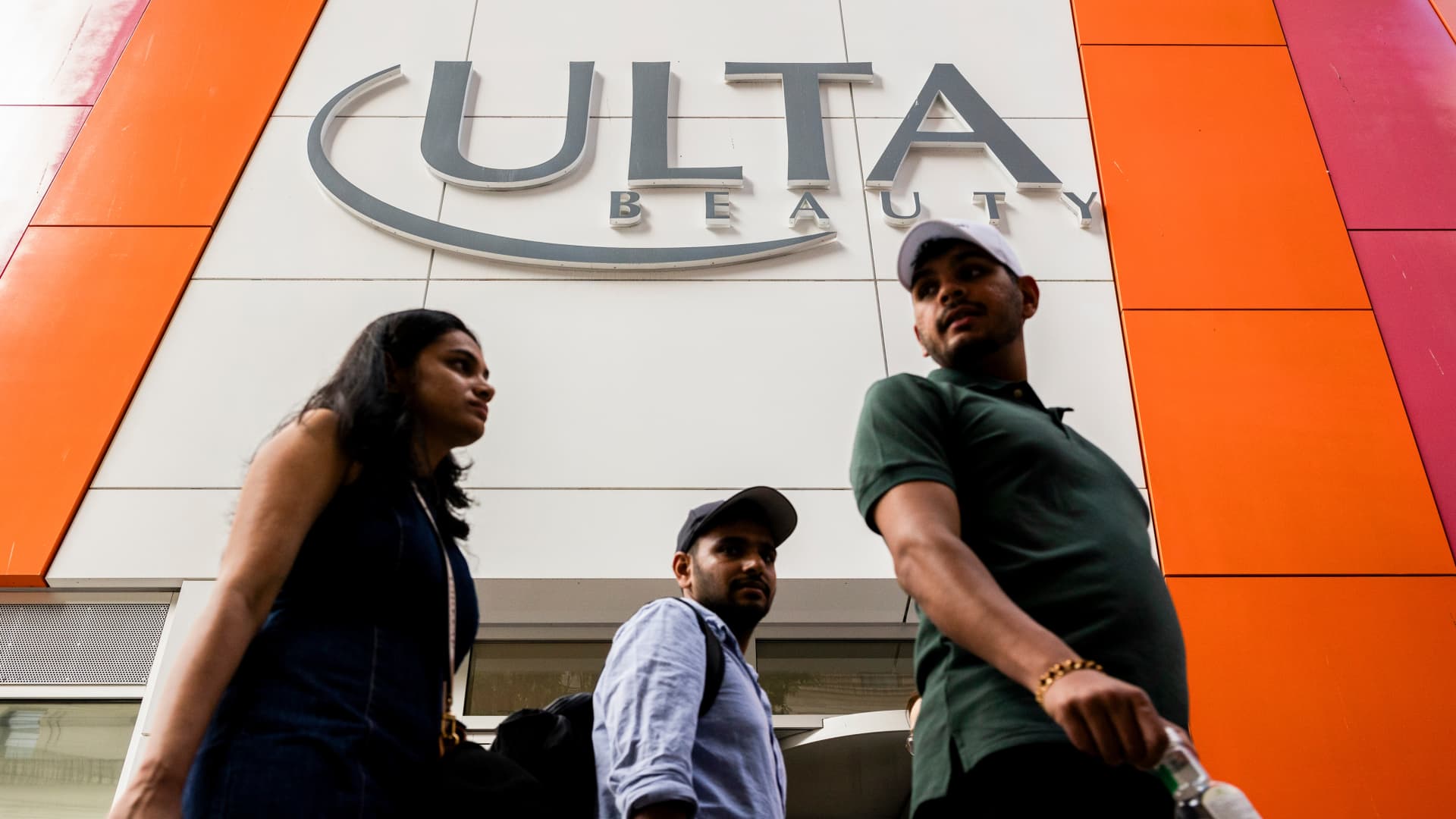
Analysis of Retail Sector Impact from Rising Oil Prices

- Impact of Rising Oil Prices: Brent crude futures have surged above $110 per barrel due to the ongoing Middle East conflict, with diesel prices exceeding $5 per gallon for the first time since 2022, potentially imposing secondary effects on the U.S. retail sector and increasing household budget pressures.
- Advantage of Higher-Income Customers: Deutsche Bank analysts noted that retailers like Ulta Beauty and Costco, which cater to higher-income demographics, have historically shown a positive correlation between sales and rising oil prices, indicating better sales performance in such environments.
- Pressure on Lower-Income Customers: Conversely, retailers like BJ's Wholesale Club and Burlington Stores, which primarily serve lower-income customers, exhibit negative sales correlations with rising gas prices, highlighting a trend where lower-income consumers reduce spending as fuel costs increase.
- Inventory Management Strategy: Despite the risks associated with rising input costs, many global brands, including Amer Sports and Birkenstock, maintain over 200 days of finished goods inventory, which helps mitigate near-term margin pressures and ensures market stability amid supply chain disruptions.

Nike's Dividend Yield Surpasses 3%, Attracting Attention

- Dividend Yield Increase: Nike's current dividend yield stands at 3.2%, primarily driven by a decline in stock price post-pandemic rather than dividend hikes, indicating the company's resilience in adversity.
- Profit Decline Pressure: Nike's stock has plummeted 71% from its all-time high in 2021 and continues to slide due to global economic turmoil and rising oil prices, with profits expected to fall further, impacting investor confidence.
- Management Change and Strategic Shift: New CEO Elliott Hill has been working to rectify the missteps of former CEO John Donahoe for the past 18 months, and despite macroeconomic challenges, Nike has achieved modest growth in its running category, suggesting potential recovery.
- Future Outlook and Market Reaction: Analysts expect Nike's Q3 revenue to decline by 0.4% to $11.2 billion, with earnings per share dropping from $0.54 to $0.28; however, this low bar may provide an opportunity for rebound, with investor focus on future guidance and commentary.
Nike's Earnings Report Triggers Stock Plunge
- Sales Decline in China: Nike's guidance indicates a projected 20% sales decline in China, leading to a stock drop of over 15%, which reflects market concerns about its future performance in a highly competitive consumer goods sector.
- Earnings Beat Expectations: Despite reporting earnings per share of $0.35, surpassing Wall Street's expectation of $0.28, and approximately $11.3 billion in sales, Nike's overall revenue fell 3% year-over-year, highlighting challenges in the global market.
- Comparison with Lululemon and Tapestry: In contrast to Nike, Lululemon achieved a 28% sales growth in China and is expected to maintain double-digit growth, while Tapestry reported a 34% increase in its Chinese sales, illustrating the varying performances of brands in the Chinese market.
- Market Reaction and Investor Focus: Nike's weak performance has drawn attention to other consumer goods companies, particularly Lululemon and Tapestry, as investors closely monitor these firms' results to assess the overall health of the Chinese market.
Nike Reports Disappointing Earnings, Stock Plummets
- Weak Sales: Nike's fiscal Q3 2026 results showed flat year-over-year sales and a 35% decline in net income to $520 million, primarily due to rising tariffs in North America and sluggish performance in China, indicating significant challenges during the company's turnaround phase.
- Narrowing Gross Margin: The company's gross margin contracted by 130 basis points to 40.2%, which not only impacted profitability but also led to a 35% drop in earnings per share to $0.35, reflecting pressures on cost control and market competition.
- Bleak Outlook for China: Management's guidance for a 20% year-over-year decline in sales in China is startling, especially after a 10% drop in Q3, highlighting Nike's loss of market share to competitors in the region.
- Wholesale Channel Growth: Despite challenges, Nike's wholesale revenues increased by 5% year-over-year to $6.5 billion, demonstrating that the company's renewed focus on the wholesale channel is yielding revenue stability in North America and strengthening its financial foundation.
Nike Reports 35% Decline in Q3 Net Income Amid Tariff Pressures
- Significant Net Income Drop: Nike's net income for fiscal Q3 2026 plummeted 35% year-over-year to $520 million, primarily due to a 130 basis point contraction in gross margin to 40.2% from increased North American tariffs, posing considerable pressure on the company's financial health.
- Wholesale Revenue Growth: Despite flat overall sales, Nike's wholesale revenue rose 5% year-over-year to $6.5 billion, indicating a resurgence in the wholesale channel that could support future revenue growth amid ongoing challenges.
- Challenges in China Market: Nike anticipates a startling 20% decline in Greater China sales, particularly concerning given that sales had already fallen 10% in Q3, reflecting the urgency of the company's efforts to clean up market inventory.
- Strong Financial Foundation: Ending the quarter with $8.1 billion in cash and short-term investments, Nike managed to return $609 million to shareholders via dividends in Q3, demonstrating its financial resilience even in the face of significant challenges.
Lululemon Founder Advocates for Management Change
- Shareholder Letter Issued: Lululemon founder Chip Wilson has issued a letter to shareholders urging support for his campaign to implement board changes and new leadership, reflecting his dissatisfaction with the current management team.
- Call for Brand Return: Wilson and his allies argue that Lululemon has drifted from the creative, brand-driven culture they established, seeking shareholder backing for a fresh slate of board nominees to restore the company's original spirit.
- Stock Price Warning: The letter highlights the sharp decline in share price following the Breezethrough and Gte Loe recalls, emphasizing the urgency and necessity for management change, which could impact investor confidence.
- Proxy Voting Strategy: Wilson plans to utilize a universal proxy card, allowing shareholders to mix and match candidates from both sides, indicating a more flexible approach in his push for change to enhance shareholder engagement and support.
Analysis of Retail Sector Impact from Rising Oil Prices
- Impact of Rising Oil Prices: Brent crude futures have surged above $110 per barrel due to the ongoing Middle East conflict, with diesel prices exceeding $5 per gallon for the first time since 2022, potentially imposing secondary effects on the U.S. retail sector and increasing household budget pressures.
- Advantage of Higher-Income Customers: Deutsche Bank analysts noted that retailers like Ulta Beauty and Costco, which cater to higher-income demographics, have historically shown a positive correlation between sales and rising oil prices, indicating better sales performance in such environments.
- Pressure on Lower-Income Customers: Conversely, retailers like BJ's Wholesale Club and Burlington Stores, which primarily serve lower-income customers, exhibit negative sales correlations with rising gas prices, highlighting a trend where lower-income consumers reduce spending as fuel costs increase.
- Inventory Management Strategy: Despite the risks associated with rising input costs, many global brands, including Amer Sports and Birkenstock, maintain over 200 days of finished goods inventory, which helps mitigate near-term margin pressures and ensures market stability amid supply chain disruptions.
Nike's Dividend Yield Surpasses 3%, Attracting Attention
- Dividend Yield Increase: Nike's current dividend yield stands at 3.2%, primarily driven by a decline in stock price post-pandemic rather than dividend hikes, indicating the company's resilience in adversity.
- Profit Decline Pressure: Nike's stock has plummeted 71% from its all-time high in 2021 and continues to slide due to global economic turmoil and rising oil prices, with profits expected to fall further, impacting investor confidence.
- Management Change and Strategic Shift: New CEO Elliott Hill has been working to rectify the missteps of former CEO John Donahoe for the past 18 months, and despite macroeconomic challenges, Nike has achieved modest growth in its running category, suggesting potential recovery.
- Future Outlook and Market Reaction: Analysts expect Nike's Q3 revenue to decline by 0.4% to $11.2 billion, with earnings per share dropping from $0.54 to $0.28; however, this low bar may provide an opportunity for rebound, with investor focus on future guidance and commentary.