

Lockheed Martin Reports Record F-35 Deliveries, Boosting Stock
Lockheed Martin Corp's stock surged by 8.02% in pre-market trading as it crossed above the 5-day SMA. This increase follows the company's announcement of delivering a record 191 F-35s in 2025, significantly enhancing its production capacity and solidifying its leadership in the global defense market.
The surge is attributed to the record delivery of F-35s, which underscores the program's enhanced production capabilities and growing international demand, particularly from Italy and Denmark. This strong performance reflects Lockheed Martin's ability to meet global defense needs and positions the company favorably for future growth.
As Lockheed Martin continues to expand its production capabilities and secure large contracts, investor confidence is likely to grow, potentially leading to further stock price appreciation. The company's strategic advancements in the F-35 program are expected to drive sustained interest from investors.
Trade with 70% Backtested Accuracy
Analyst Views on LMT

About LMT
About the author


Lockheed Martin Leads Bid for Ultra Maritime Amid Rising Defense Spending

- Acquisition Bid Dynamics: Lockheed Martin (LMT) is leading the bid to acquire Ultra Maritime, with a potential deal valued at approximately $3.5 billion, reflecting the strategic need for defense companies to expand their military technology portfolios amid rising geopolitical tensions.
- Market Reaction: Following the acquisition news, LMT's stock rose by 4.62% on Thursday, although it edged down by 0.3% in after-hours trading, indicating a cautiously optimistic market sentiment regarding the deal.
- Competitive Landscape: While LMT is the frontrunner, several other bidders remain interested, highlighting Ultra Maritime's market appeal and potential value, which could drive the bidding price higher.
- Industry Context: The acquisition talks are taking place against a backdrop of increased global defense spending, particularly due to conflicts like the war in Ukraine and fighting in the Middle East, prompting defense contractors to seek acquisitions to enhance their technological capabilities for future challenges.

Lockheed Martin Poised to Acquire Naval Defense Firm Ultra Maritime for $3.5B
- Acquisition Potential: Lockheed Martin (LMT) has emerged as the frontrunner to acquire Advent-owned naval defense firm Ultra Maritime for approximately $3.5 billion, with an announcement expected as soon as next week, which would significantly enhance its naval technology capabilities.
- Technological Edge: Ultra Maritime specializes in manufacturing naval technologies such as buoys that detect torpedoes and submarines, widely utilized by the U.S. Navy and the Royal Navy, and the acquisition would bolster Lockheed's competitive position in the global naval market.
- Market Dynamics: Advent put Ultra Maritime up for sale earlier this year, indicating an acceleration in M&A activity within the defense sector, and Lockheed's acquisition would further solidify its leadership in naval defense.
- Investment Outlook: This acquisition is expected to not only enhance Lockheed's product portfolio but also attract more investor interest in its long-term growth potential in the defense industry, especially amid escalating global security concerns.
Lockheed Martin Secures $347.5M U.S. Army Contract
- Contract Value: Lockheed Martin's Missile and Fire Control segment has secured a $347.5 million cost-plus-incentive-fee contract from the U.S. Army, aimed at developing, fabricating, and testing improvements to prototype air and missile defense systems, indicating strong demand in the defense sector.
- Project Timeline: The project is expected to be completed by December 31, 2028, reflecting the company's ongoing commitment to long-term defense projects, which may lay the groundwork for future revenue growth.
- Funding Allocation: The work locations and funding will be determined with each order, providing flexibility that allows Lockheed Martin to quickly adjust resource allocation based on market demand, thereby enhancing operational efficiency.
- Contract Management: The Army Contracting Command is overseeing the contract, further solidifying Lockheed Martin's partnership with the U.S. government and potentially creating opportunities for securing additional contracts in the future.
Citi Upgrades Lockheed Martin to Buy with $582 Target

- Rating Upgrade: Citi upgraded Lockheed Martin from Neutral to Buy with a price target raised from $571 to $582, reflecting its cheap valuation and improving fundamentals, indicating the stock's potential in fast-growing themes.
- Market Rebound Expectation: Despite many defense stocks facing one of the worst quarterly declines in modern history, Citi analyst John Godyn notes that Lockheed Martin is a strong defense stock that typically rebounds sharply after such declines, suggesting an attractive risk/reward profile.
- Karman Holdings Watch: Citi maintains a Buy rating on Karman Holdings with a $76 price target, believing the stock could experience asymmetric upside if organic growth accelerates, highlighting its unique advantages in the defense sector.
- Earnings Outlook Improvement: Analysts expect Karman to significantly beat Q2 earnings estimates, citing a compressed valuation compared to aerospace and defense peers, which enhances its investment appeal and potential for tactical rebound.
Key Takeaways from Wednesday's Investing Club Meeting


- Market Dynamics: The S&P 500 is up at the start of the new month, while the Nasdaq faces pressure as investors take profits in semiconductor stocks like Micron, Sandisk, Nvidia, and Broadcom, indicating volatility in market sentiment.
- Nike Exit: Jim Cramer exited his position in Nike after a disappointing quarter, acknowledging a 40% loss, and despite previous confidence in a turnaround, he opted to reallocate funds to FedEx Freight for potentially better returns.
- Salesforce Stock Surge: Salesforce shares jumped over 5% after Guggenheim upgraded the stock to buy with a $228 price target, although Jim Cramer remains cautious about the company's growth prospects, noting that AI pressure won't be fatal but overall business growth is lacking.
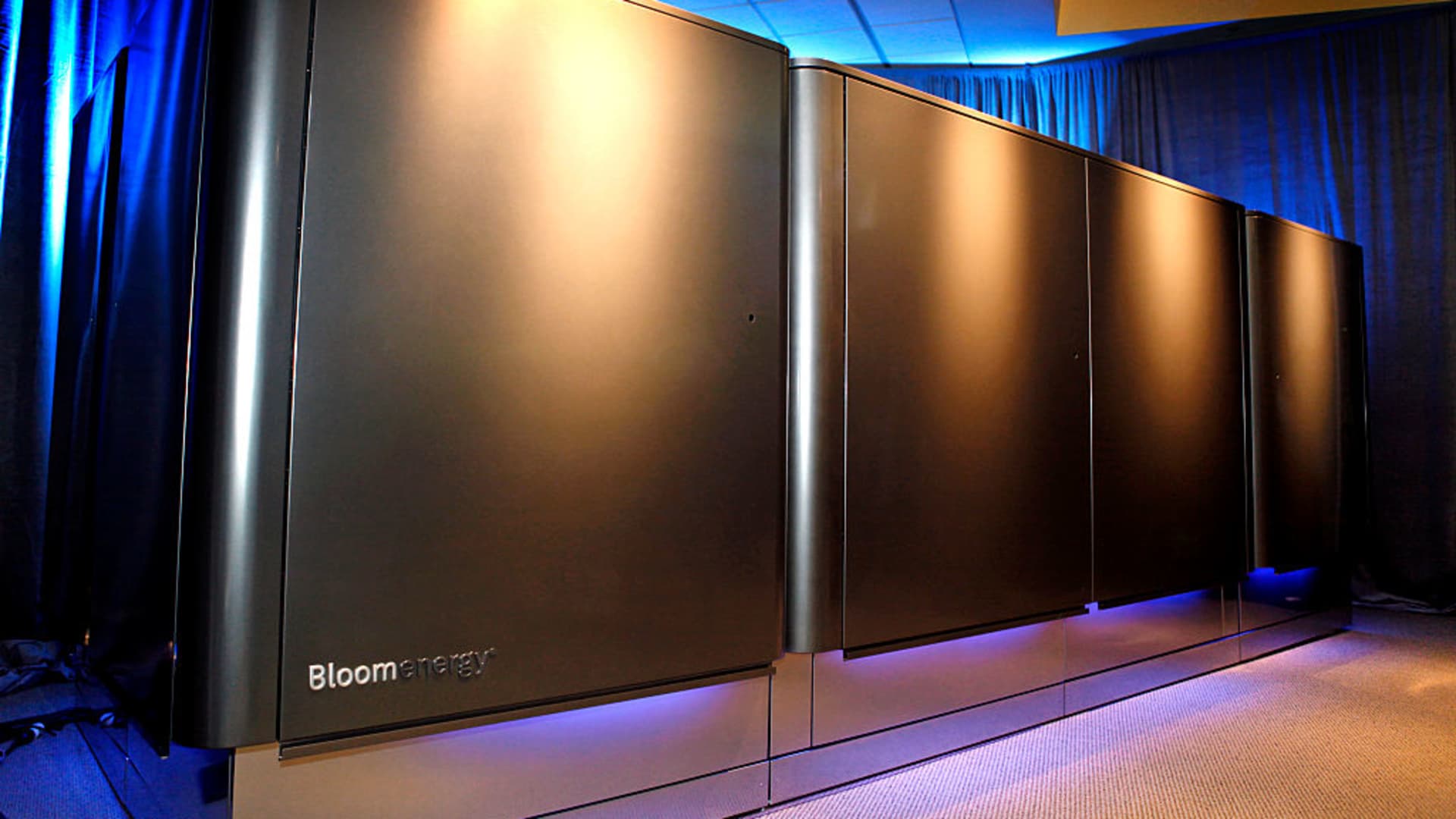
- Rapid Trade Review: Stocks mentioned at the end of the video include Micron, Constellation Brands, General Mills, Lockheed Martin, and Bloom Energy, reflecting Jim Cramer's focus on a diversified investment portfolio.

Lockheed Martin to Webcast Q2 2026 Earnings Results
- Earnings Call Schedule: Lockheed Martin will host a live webcast of its Q2 2026 earnings results on July 23, 2026, at 8:30 a.m. ET, where executives will discuss financial outcomes and key topics, ensuring timely information for investors.
- Webcast Access and Materials: Investors can access the live webcast and relevant presentation slides and financial charts on the company’s website prior to the earnings release, enhancing transparency and information sharing.
- Replay and Podcast Availability: The webcast will be available for on-demand replay until August 6, 2026, allowing investors who missed the live event to catch up on the earnings report, with additional podcast content provided to broaden information dissemination.
- Company Overview: Lockheed Martin is a global defense technology leader focused on driving innovation and scientific discovery, with its all-domain mission solutions and 21st Century Security® vision aimed at accelerating the delivery of transformative technologies to keep its clients ahead.
Lockheed Martin Leads Bid for Ultra Maritime Amid Rising Defense Spending
- Acquisition Bid Dynamics: Lockheed Martin (LMT) is leading the bid to acquire Ultra Maritime, with a potential deal valued at approximately $3.5 billion, reflecting the strategic need for defense companies to expand their military technology portfolios amid rising geopolitical tensions.
- Market Reaction: Following the acquisition news, LMT's stock rose by 4.62% on Thursday, although it edged down by 0.3% in after-hours trading, indicating a cautiously optimistic market sentiment regarding the deal.
- Competitive Landscape: While LMT is the frontrunner, several other bidders remain interested, highlighting Ultra Maritime's market appeal and potential value, which could drive the bidding price higher.
- Industry Context: The acquisition talks are taking place against a backdrop of increased global defense spending, particularly due to conflicts like the war in Ukraine and fighting in the Middle East, prompting defense contractors to seek acquisitions to enhance their technological capabilities for future challenges.
Lockheed Martin Poised to Acquire Naval Defense Firm Ultra Maritime for $3.5B
- Acquisition Potential: Lockheed Martin (LMT) has emerged as the frontrunner to acquire Advent-owned naval defense firm Ultra Maritime for approximately $3.5 billion, with an announcement expected as soon as next week, which would significantly enhance its naval technology capabilities.
- Technological Edge: Ultra Maritime specializes in manufacturing naval technologies such as buoys that detect torpedoes and submarines, widely utilized by the U.S. Navy and the Royal Navy, and the acquisition would bolster Lockheed's competitive position in the global naval market.
- Market Dynamics: Advent put Ultra Maritime up for sale earlier this year, indicating an acceleration in M&A activity within the defense sector, and Lockheed's acquisition would further solidify its leadership in naval defense.
- Investment Outlook: This acquisition is expected to not only enhance Lockheed's product portfolio but also attract more investor interest in its long-term growth potential in the defense industry, especially amid escalating global security concerns.
Lockheed Martin Secures $347.5M U.S. Army Contract
- Contract Value: Lockheed Martin's Missile and Fire Control segment has secured a $347.5 million cost-plus-incentive-fee contract from the U.S. Army, aimed at developing, fabricating, and testing improvements to prototype air and missile defense systems, indicating strong demand in the defense sector.
- Project Timeline: The project is expected to be completed by December 31, 2028, reflecting the company's ongoing commitment to long-term defense projects, which may lay the groundwork for future revenue growth.
- Funding Allocation: The work locations and funding will be determined with each order, providing flexibility that allows Lockheed Martin to quickly adjust resource allocation based on market demand, thereby enhancing operational efficiency.
- Contract Management: The Army Contracting Command is overseeing the contract, further solidifying Lockheed Martin's partnership with the U.S. government and potentially creating opportunities for securing additional contracts in the future.
Citi Upgrades Lockheed Martin to Buy with $582 Target
- Rating Upgrade: Citi upgraded Lockheed Martin from Neutral to Buy with a price target raised from $571 to $582, reflecting its cheap valuation and improving fundamentals, indicating the stock's potential in fast-growing themes.
- Market Rebound Expectation: Despite many defense stocks facing one of the worst quarterly declines in modern history, Citi analyst John Godyn notes that Lockheed Martin is a strong defense stock that typically rebounds sharply after such declines, suggesting an attractive risk/reward profile.
- Karman Holdings Watch: Citi maintains a Buy rating on Karman Holdings with a $76 price target, believing the stock could experience asymmetric upside if organic growth accelerates, highlighting its unique advantages in the defense sector.
- Earnings Outlook Improvement: Analysts expect Karman to significantly beat Q2 earnings estimates, citing a compressed valuation compared to aerospace and defense peers, which enhances its investment appeal and potential for tactical rebound.
Key Takeaways from Wednesday's Investing Club Meeting
- Market Dynamics: The S&P 500 is up at the start of the new month, while the Nasdaq faces pressure as investors take profits in semiconductor stocks like Micron, Sandisk, Nvidia, and Broadcom, indicating volatility in market sentiment.
- Nike Exit: Jim Cramer exited his position in Nike after a disappointing quarter, acknowledging a 40% loss, and despite previous confidence in a turnaround, he opted to reallocate funds to FedEx Freight for potentially better returns.
- Salesforce Stock Surge: Salesforce shares jumped over 5% after Guggenheim upgraded the stock to buy with a $228 price target, although Jim Cramer remains cautious about the company's growth prospects, noting that AI pressure won't be fatal but overall business growth is lacking.
- Rapid Trade Review: Stocks mentioned at the end of the video include Micron, Constellation Brands, General Mills, Lockheed Martin, and Bloom Energy, reflecting Jim Cramer's focus on a diversified investment portfolio.
Lockheed Martin to Webcast Q2 2026 Earnings Results
- Earnings Call Schedule: Lockheed Martin will host a live webcast of its Q2 2026 earnings results on July 23, 2026, at 8:30 a.m. ET, where executives will discuss financial outcomes and key topics, ensuring timely information for investors.
- Webcast Access and Materials: Investors can access the live webcast and relevant presentation slides and financial charts on the company’s website prior to the earnings release, enhancing transparency and information sharing.
- Replay and Podcast Availability: The webcast will be available for on-demand replay until August 6, 2026, allowing investors who missed the live event to catch up on the earnings report, with additional podcast content provided to broaden information dissemination.
- Company Overview: Lockheed Martin is a global defense technology leader focused on driving innovation and scientific discovery, with its all-domain mission solutions and 21st Century Security® vision aimed at accelerating the delivery of transformative technologies to keep its clients ahead.





