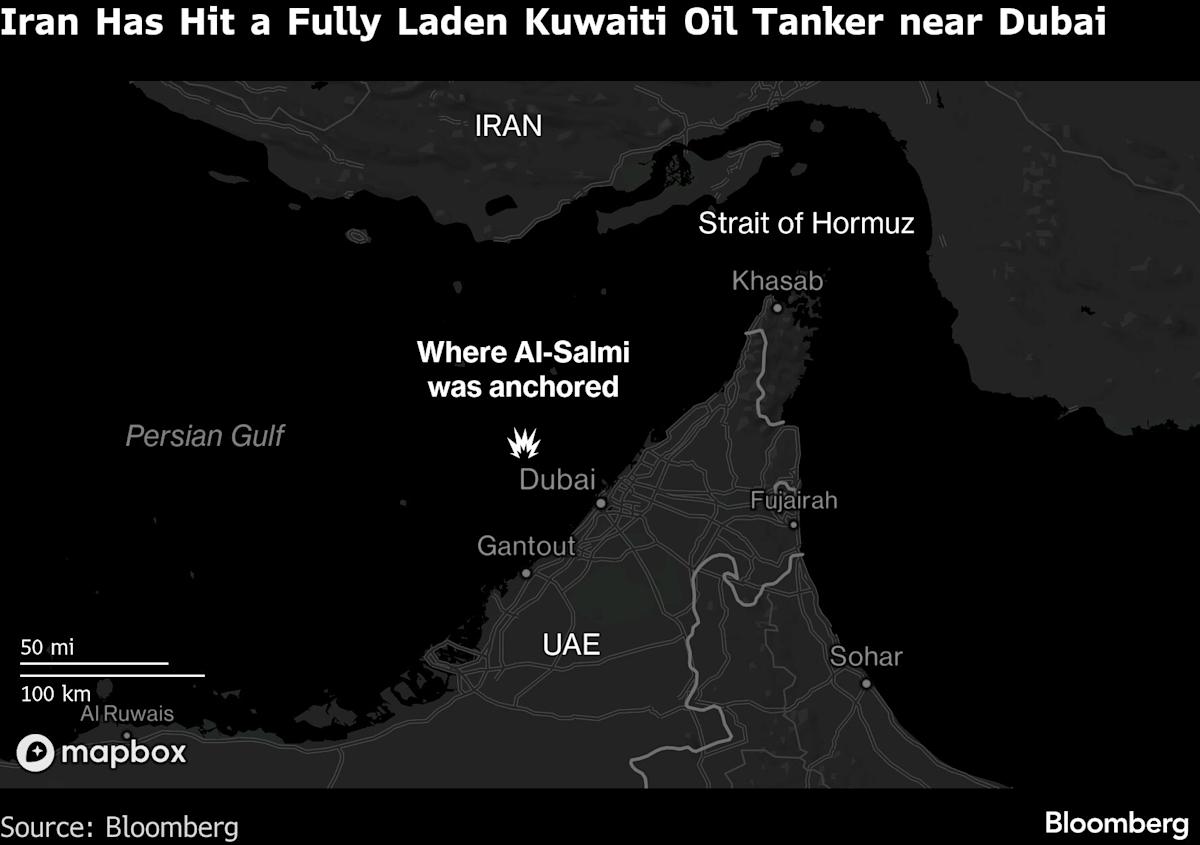
Lockheed Martin boosts PAC-3 MSE production capacity with U.S. contract

Lockheed Martin Corp's stock rose by 3.01% and reached a 52-week high, reflecting positive investor sentiment amid broader market gains with the Nasdaq-100 up 0.31% and the S&P 500 up 0.11%.
This increase is attributed to Lockheed Martin's recent agreement with the U.S. Department of War to boost PAC-3 MSE missile production from 600 to 2,000 annually over the next seven years. This significant contract not only enhances defense capabilities but is also expected to create thousands of jobs, ensuring long-term demand certainty for the industry.
The implications of this agreement are substantial, as it aligns with the U.S. strategy to improve production efficiency and meet the rising global demand for advanced missile systems, thereby reinforcing national security and Lockheed Martin's market position.
Trade with 70% Backtested Accuracy
Analyst Views on LMT

About LMT
About the author

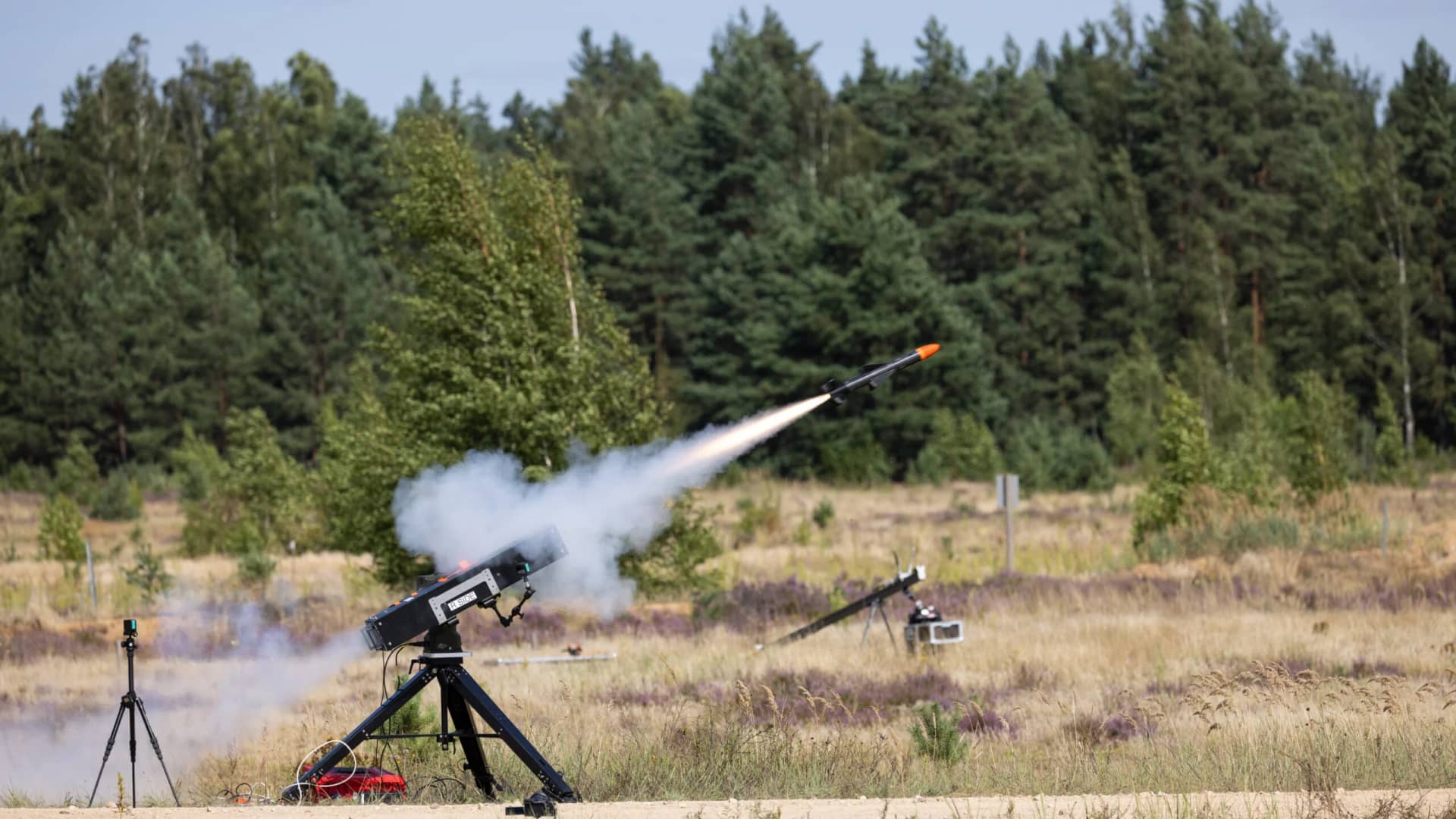
European Defense Tech Startups Accelerate Engagement with Middle East Governments

- Surge in Commercial Discussions: Since the onset of the Iran war, European defense tech startups have significantly ramped up commercial discussions with Middle Eastern countries, particularly Gulf states, which are experiencing skyrocketing demand for drone and missile interception technologies, potentially leading to order volumes in the thousands of missiles.
- Expedited Delivery Plans: CEO of Frankenburg Technologies noted that commercial conversations with Gulf states have accelerated, with ongoing discussions about procuring their technology and plans to meet demand under an 'expedited delivery schedule', highlighting the urgent market need for defense technologies.
- Emerging Market Opportunities: Uforce's CEO indicated that interest from Gulf states in their defense technologies has 'skyrocketed' since the Iran war began, with plans to establish a permanent team in the Middle East to address the growing demand, reflecting the region's thirst for advanced defense solutions.
- Funding and Investment Surge: According to Dealroom, European defense tech startups raised $1.8 billion in 2025, nearly three times the previous highest annual figure, indicating that rising global geopolitical tensions are driving a surge in investment in defense technologies.
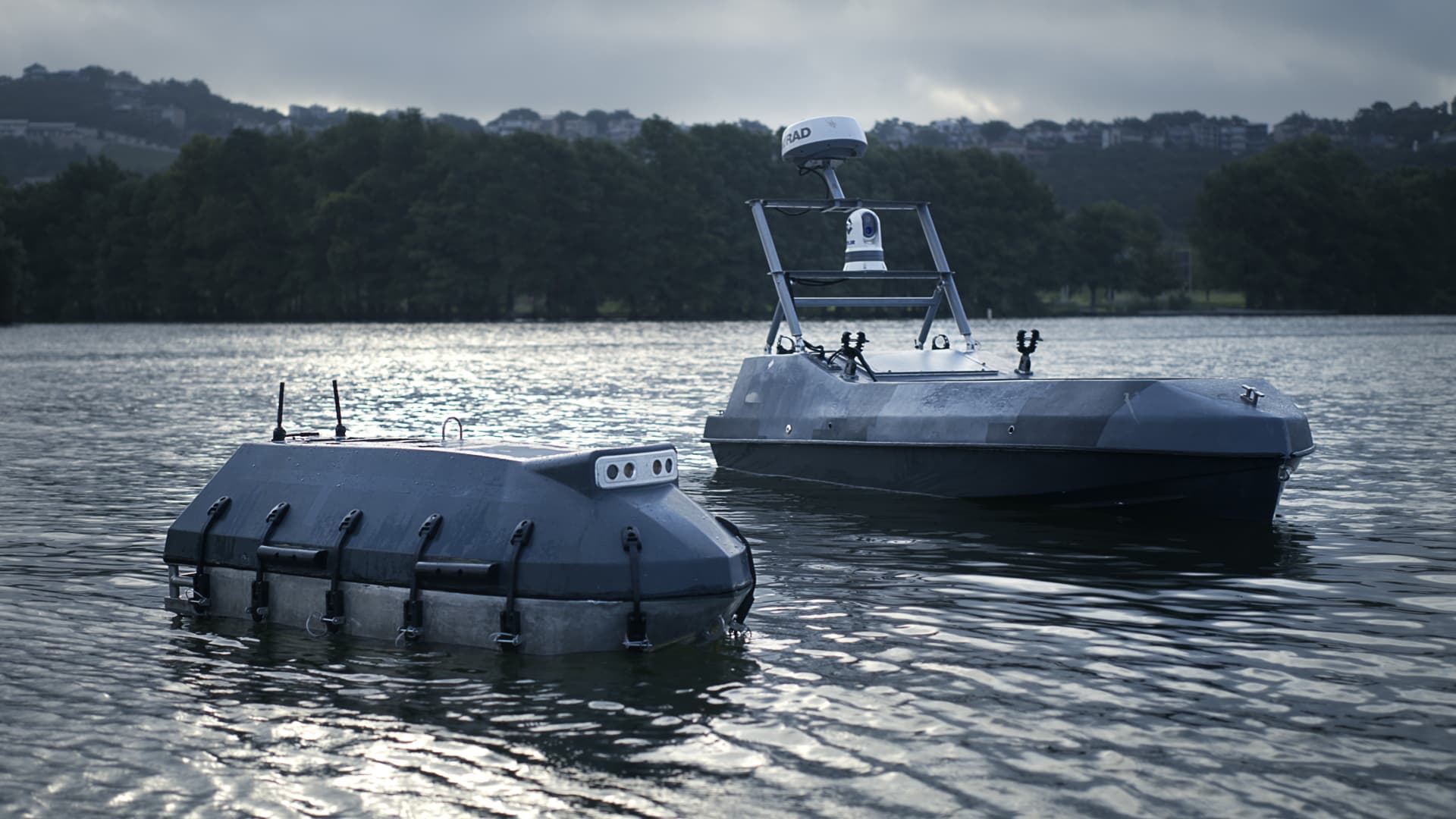
Saronic Raises $1.75 Billion to Expand Autonomous Ship Production


- Funding Milestone: Saronic has successfully raised $1.75 billion, more than doubling its valuation from $4 billion to $9.25 billion, indicating strong market demand for its autonomous vessel technology amid U.S. military modernization efforts.
- Production Expansion: The company aims to build over 20 ships annually by 2027, scaling its supply chain and establishing the new Port Alpha shipyard in Texas to meet increasing military demands and enhance U.S. naval defense capabilities.
- Intensifying Market Competition: Saronic's autonomous vessel designs are intended to mitigate military risks and assist the U.S. in regaining dominance over China, reflecting a rapid shift towards unmanned systems in modern warfare environments.
- Historic Production Goals: Mavrookas stated that the company is on track to quintuple production at its main shipyard in Franklin, Louisiana, over the next 12 months, marking production levels not seen in the U.S. since World War II and further driving innovation in defense technology.
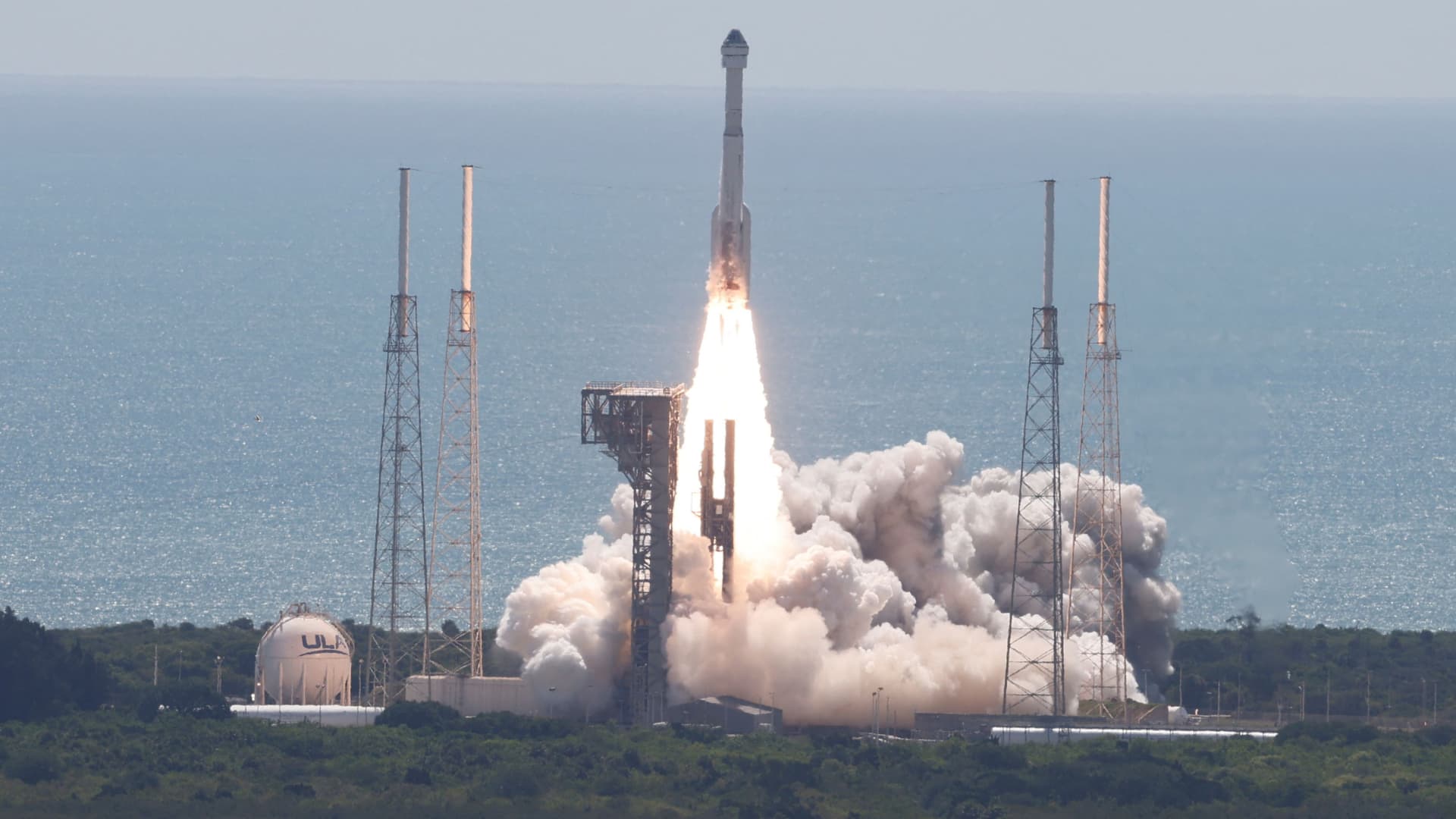
Saronic Raises $1.75 Billion to Scale Autonomous Ship Production
- Significant Funding: Autonomous ship maker Saronic has successfully raised $1.75 billion, more than doubling its valuation to $9.25 billion from $4 billion after a $600 million raise last year, indicating strong market demand for its innovative defense technologies.
- Production Capacity Expansion: Saronic plans to build over 20 ships annually by 2027, utilizing the funding to scale its supply chain and construct the new Port Alpha shipyard in Texas, aimed at meeting the increasing demands of the U.S. military.
- Global Challenge Response: The U.S. government is leaning on innovative defense technologies like Saronic's to counter low-cost drone threats from Iran and to modernize its military, ensuring maritime supremacy in competition with China.
- Historic Production Goals: CEO Dino Mavrookas stated that Saronic aims to help the U.S. achieve production levels not seen since World War II by reconfiguring vessel designs for autonomy, thereby reducing risks to military forces in dangerous environments.

Iran War Triggers Market Turmoil Amid Conflicting Statements

- Market Uncertainty: The oil markets are experiencing volatility due to conflicting statements regarding the Iran war, with both WTI and Brent crude prices initially rising before pulling back, indicating investor concerns about future developments.
- Defense Secretary Investment Controversy: U.S. Defense Secretary Pete Hegseth's broker reportedly sought to make multimillion-dollar investments in major defense companies before the war, raising questions about potential insider trading, although the Pentagon has dismissed these claims.
- Trump's Tough Rhetoric: President Trump threatened to destroy Iran's oil wells and power plants if a peace deal is not reached, which has heightened market anxiety and complicated investor expectations regarding the conflict's trajectory.
- Fed's Inflation Outlook: Federal Reserve Chair Jerome Powell stated that inflation expectations remain grounded despite rising energy prices, suggesting that the central bank does not need to respond with higher interest rates, which could influence market perceptions of future monetary policy.

Palantir Stock Retreats as Market Sentiment Turns Bearish
- Significant Stock Decline: Palantir (PLTR) shares have cumulatively dropped 12.6% over recent sessions, reaching their lowest level since March 2, indicating a waning investor confidence in defense stocks that could impact the company's future financing capabilities.
- Shift in Market Sentiment: Since mid-March, sentiment on Stocktwits for PLTR has turned ‘bearish’, reflecting growing investor concerns about the company's outlook, which may lead to increased selling pressure and exacerbate the stock's downward trajectory.
- P/E Ratio Hits Five-Month Low: Palantir's 12-month forward P/E ratio has plummeted from 270.3x last November to 104x, signaling a lack of confidence in its future profitability despite remaining above the software sector average, which could hinder its ability to attract new investors.
- Business Expansion and Partnerships: Despite stock price pressures, Palantir has renewed a five-year partnership with automaker Stellantis to enhance the use of its data management software across various business units, indicating ongoing market share expansion that may lay the groundwork for future growth.

Pentagon Denies Defense Secretary's Investment Rumors
- Investment Rumors Surface: According to the Financial Times, U.S. Defense Secretary Pete Hegseth's broker sought to make a large investment in major defense companies ahead of the Iran war, although the Pentagon denied the report, labeling it as 'entirely false.'
- ETF Investment Plan: Hegseth's broker contacted BlackRock to discuss a multimillion-dollar investment in its iShares Defense Industrials Active ETF, which has approximately $3.1 billion in assets and includes stocks from major defense firms like Lockheed Martin.
- Poor Market Performance: The Defense ETF has lost 12.4% in the past month since the onset of the Iran war, reflecting cautious sentiment in the defense investment landscape, despite Hegseth's investment plans not materializing.
- Conflict Escalation: With U.S. Marines arriving in the region, the Pentagon is preparing for weeks of ground operations in Iran, indicating a potential escalation of the conflict that could further impact defense industry investment sentiment.
European Defense Tech Startups Accelerate Engagement with Middle East Governments
- Surge in Commercial Discussions: Since the onset of the Iran war, European defense tech startups have significantly ramped up commercial discussions with Middle Eastern countries, particularly Gulf states, which are experiencing skyrocketing demand for drone and missile interception technologies, potentially leading to order volumes in the thousands of missiles.
- Expedited Delivery Plans: CEO of Frankenburg Technologies noted that commercial conversations with Gulf states have accelerated, with ongoing discussions about procuring their technology and plans to meet demand under an 'expedited delivery schedule', highlighting the urgent market need for defense technologies.
- Emerging Market Opportunities: Uforce's CEO indicated that interest from Gulf states in their defense technologies has 'skyrocketed' since the Iran war began, with plans to establish a permanent team in the Middle East to address the growing demand, reflecting the region's thirst for advanced defense solutions.
- Funding and Investment Surge: According to Dealroom, European defense tech startups raised $1.8 billion in 2025, nearly three times the previous highest annual figure, indicating that rising global geopolitical tensions are driving a surge in investment in defense technologies.
Saronic Raises $1.75 Billion to Expand Autonomous Ship Production
- Funding Milestone: Saronic has successfully raised $1.75 billion, more than doubling its valuation from $4 billion to $9.25 billion, indicating strong market demand for its autonomous vessel technology amid U.S. military modernization efforts.
- Production Expansion: The company aims to build over 20 ships annually by 2027, scaling its supply chain and establishing the new Port Alpha shipyard in Texas to meet increasing military demands and enhance U.S. naval defense capabilities.
- Intensifying Market Competition: Saronic's autonomous vessel designs are intended to mitigate military risks and assist the U.S. in regaining dominance over China, reflecting a rapid shift towards unmanned systems in modern warfare environments.
- Historic Production Goals: Mavrookas stated that the company is on track to quintuple production at its main shipyard in Franklin, Louisiana, over the next 12 months, marking production levels not seen in the U.S. since World War II and further driving innovation in defense technology.
Saronic Raises $1.75 Billion to Scale Autonomous Ship Production
- Significant Funding: Autonomous ship maker Saronic has successfully raised $1.75 billion, more than doubling its valuation to $9.25 billion from $4 billion after a $600 million raise last year, indicating strong market demand for its innovative defense technologies.
- Production Capacity Expansion: Saronic plans to build over 20 ships annually by 2027, utilizing the funding to scale its supply chain and construct the new Port Alpha shipyard in Texas, aimed at meeting the increasing demands of the U.S. military.
- Global Challenge Response: The U.S. government is leaning on innovative defense technologies like Saronic's to counter low-cost drone threats from Iran and to modernize its military, ensuring maritime supremacy in competition with China.
- Historic Production Goals: CEO Dino Mavrookas stated that Saronic aims to help the U.S. achieve production levels not seen since World War II by reconfiguring vessel designs for autonomy, thereby reducing risks to military forces in dangerous environments.
Iran War Triggers Market Turmoil Amid Conflicting Statements
- Market Uncertainty: The oil markets are experiencing volatility due to conflicting statements regarding the Iran war, with both WTI and Brent crude prices initially rising before pulling back, indicating investor concerns about future developments.
- Defense Secretary Investment Controversy: U.S. Defense Secretary Pete Hegseth's broker reportedly sought to make multimillion-dollar investments in major defense companies before the war, raising questions about potential insider trading, although the Pentagon has dismissed these claims.
- Trump's Tough Rhetoric: President Trump threatened to destroy Iran's oil wells and power plants if a peace deal is not reached, which has heightened market anxiety and complicated investor expectations regarding the conflict's trajectory.
- Fed's Inflation Outlook: Federal Reserve Chair Jerome Powell stated that inflation expectations remain grounded despite rising energy prices, suggesting that the central bank does not need to respond with higher interest rates, which could influence market perceptions of future monetary policy.
Palantir Stock Retreats as Market Sentiment Turns Bearish
- Significant Stock Decline: Palantir (PLTR) shares have cumulatively dropped 12.6% over recent sessions, reaching their lowest level since March 2, indicating a waning investor confidence in defense stocks that could impact the company's future financing capabilities.
- Shift in Market Sentiment: Since mid-March, sentiment on Stocktwits for PLTR has turned ‘bearish’, reflecting growing investor concerns about the company's outlook, which may lead to increased selling pressure and exacerbate the stock's downward trajectory.
- P/E Ratio Hits Five-Month Low: Palantir's 12-month forward P/E ratio has plummeted from 270.3x last November to 104x, signaling a lack of confidence in its future profitability despite remaining above the software sector average, which could hinder its ability to attract new investors.
- Business Expansion and Partnerships: Despite stock price pressures, Palantir has renewed a five-year partnership with automaker Stellantis to enhance the use of its data management software across various business units, indicating ongoing market share expansion that may lay the groundwork for future growth.
Pentagon Denies Defense Secretary's Investment Rumors
- Investment Rumors Surface: According to the Financial Times, U.S. Defense Secretary Pete Hegseth's broker sought to make a large investment in major defense companies ahead of the Iran war, although the Pentagon denied the report, labeling it as 'entirely false.'
- ETF Investment Plan: Hegseth's broker contacted BlackRock to discuss a multimillion-dollar investment in its iShares Defense Industrials Active ETF, which has approximately $3.1 billion in assets and includes stocks from major defense firms like Lockheed Martin.
- Poor Market Performance: The Defense ETF has lost 12.4% in the past month since the onset of the Iran war, reflecting cautious sentiment in the defense investment landscape, despite Hegseth's investment plans not materializing.
- Conflict Escalation: With U.S. Marines arriving in the region, the Pentagon is preparing for weeks of ground operations in Iran, indicating a potential escalation of the conflict that could further impact defense industry investment sentiment.