Lennar Shares Surge on Trump Mortgage Proposal Hopes

Lennar Corp's stock rose by 3.00% as it reached a 20-day high, reflecting positive investor sentiment following recent market developments.
The surge in Lennar's shares can be attributed to investor optimism surrounding President Trump's proposal for the federal government to purchase approximately $200 billion in mortgage-backed securities. This initiative aims to lower 30-year mortgage rates below 6%, which is expected to boost demand for new construction, benefiting Lennar as a leading builder of entry-level and move-up single-family homes. Additionally, the proposal could redirect demand from institutional investors to individual buyers, enhancing Lennar's market share in the housing sector.
This positive market reaction highlights the potential for a housing market reset, which could lead to increased construction activity and improved financial performance for Lennar in the coming quarters.
Trade with 70% Backtested Accuracy
Analyst Views on LEN

About LEN
About the author


Housing Affordability Bill Faces Legislative Hurdles


- Legislative Stalemate: Despite the housing affordability bill receiving over 80 votes in the Senate, House Majority Leader Scalise predicts that differences between the House and Senate versions will likely bog down the bill, necessitating weeks or months of negotiations before a final agreement can be reached.
- Investor Ban Controversy: President Trump has called for a ban on major investors purchasing single-family homes to be included in the bill; while the Senate agreed to language limiting companies to owning no more than 350 homes, concerns have been raised about potential capital shortages for new home construction, which could affect market pricing.
- Bipartisan Cooperation Outlook: House Financial Services Chair Hill stated that House lawmakers have communicated their members' concerns to the Senate and look forward to achieving a bicameral success in housing policy that will provide more supply and lower construction costs for the American people.
- Key Provisions Integration: Senate Banking Committee Chair Scott noted that the Senate has adopted 20 of the House bill's main provisions, including a five-year ban on central bank digital currency demanded by the right-wing Freedom Caucus, indicating a potential for collaborative progress on housing policy between the two chambers.
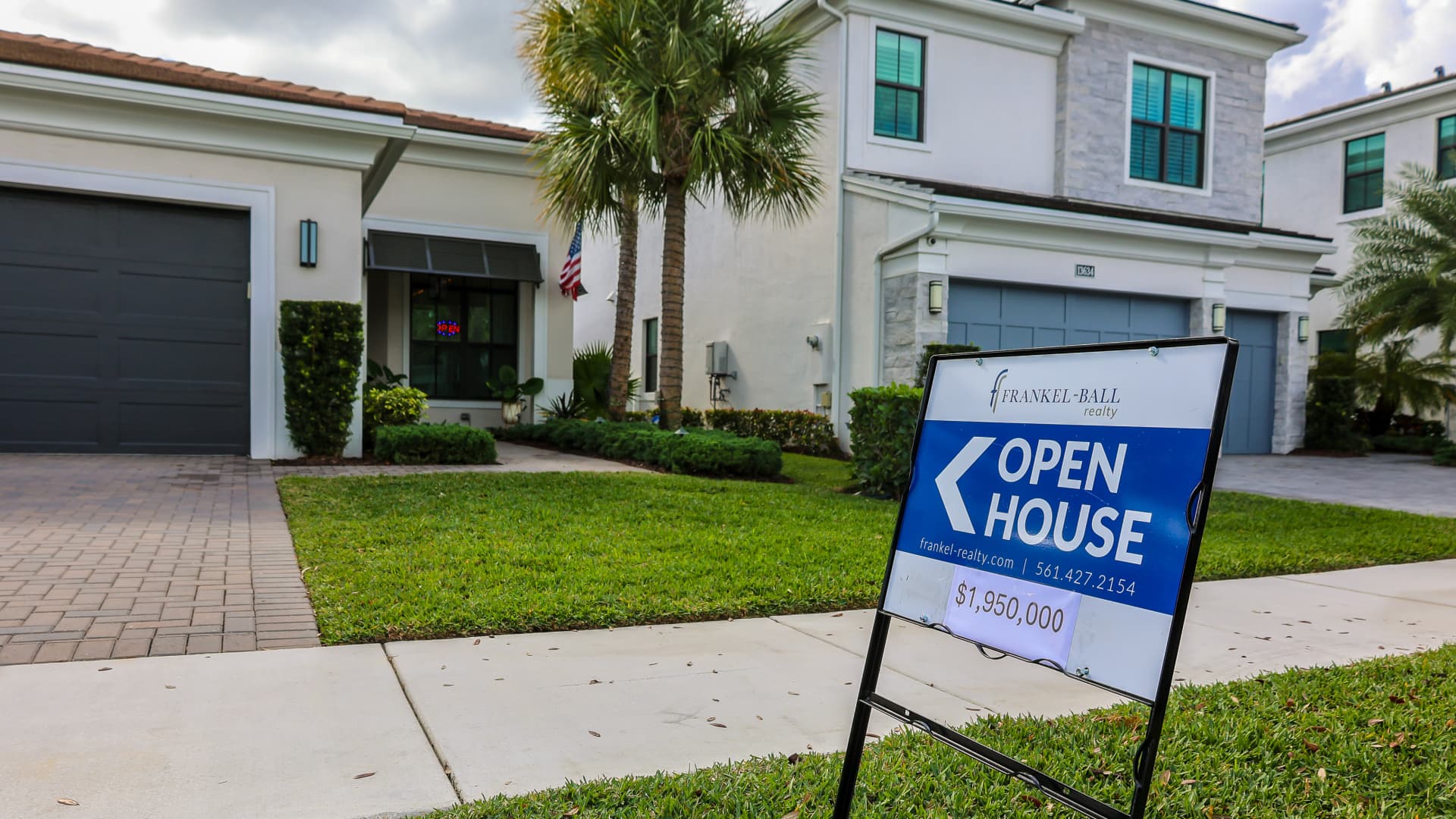
February Home Sales Show Modest Rebound Amid Challenges


- Sales Increase: Existing home sales in February rose by 1.7% from January to an annualized rate of 4.09 million units, according to the National Association of Realtors, although this reflects a 1.4% decline year-over-year, indicating ongoing market weakness.
- Wage vs. Price Growth: Chief Economist Lawrence Yun highlighted that wage growth is now outpacing home price growth by nearly four percentage points, and while mortgage rates are significantly lower than last year, actual housing demand remains muted.
- Inventory Levels: There were 1.29 million units for sale at the end of February, a 2.4% increase from January, yet this remains below the six-month supply considered balanced, reflecting a sluggish supply growth trend.
- First-Time Buyer Share: First-time buyers accounted for 34% of total sales, up from 31% a year ago, indicating an increase in market participation among new buyers despite low inventory and high prices.

Earnings Season Strong, Investors Eye AI-Driven Demand


- Earnings Season Dynamics: This week’s earnings season is strong, with retailers, tech giants, and AI winners taking center stage, as investors closely monitor how guidance and AI-driven demand will shape market direction.
- Oracle Cloud Infrastructure: Oracle Cloud Infrastructure (OCI) saw a 68% surge last quarter, and investors are keen to see if its massive $523 billion contract backlog is beginning to translate into realized revenue, particularly as capital expenditures soar.
- UiPath Earnings Expectations: UiPath is set to report after Wednesday’s close, with analysts expecting earnings of 26 cents per share on revenue of $464.49 million, as investors will focus on the durability of growth and profitability stabilization and the impact of AI on net new ARR.
- Adobe Earnings Outlook: Adobe anticipates earnings of $5.87 per share and revenue of approximately $6.28 billion, reflecting a year-over-year increase of about 10%, with investors watching how generative AI features drive upside in net new ARR and Digital Media growth.

Opendoor Accelerates Acquisitions and Restructuring Efforts

- Acquisition Acceleration: Opendoor's weekly home acquisitions surged from approximately 131 to 442, indicating a proactive market expansion despite the stock's 50% decline since last September, reflecting skepticism about its growth potential.
- Organizational Restructuring: Under new CEO Kaz Nejatian, Opendoor has reduced its workforce by 40%, aiming to enhance operational efficiency, although Wall Street has not fully accounted for the operational leverage from these cuts.
- Mortgage Business Innovation: The launch of a 4.99% mortgage rate product and the acquisition of HomeBuyer.com could serve as key growth drivers for Opendoor's mortgage business, despite market skepticism regarding subsidized mortgages.
- Market Sentiment Decline: Despite Nejatian's acceleration on several fronts, retail traders' interest in Opendoor has waned, with Stocktwits sentiment predominantly bearish over the past three months and message volume declining by 87% in the last 30 days, indicating a pullback in retail activity.

Key Focus This Week: Inflation and Labor Reports, Oracle, Hewlett Packard, Adobe, and More


Market Concerns: Wall Street is apprehensive about stagflation due to a surprising decline in nonfarm payrolls and rising oil prices.
Upcoming Data: Investors are anticipating significant data releases that will provide insights into price growth trends.

U.S. Housing Affordability Gradually Improves

- Increased Buying Power: According to Zillow, U.S. households with a median income of approximately $86,300 can now afford a home priced at $331,483, which is an increase of $30,302 from last year, allowing buyers to access better neighborhoods or larger homes.
- Interest Rate Impact: Although the average rate for a 30-year fixed mortgage has risen from 5.99% to 6.14%, it remains lower than last year's 6.79%, and this gradual decline still enables buyers to save about $1,000 annually, enhancing their purchasing power.
- Income Requirement Changes: The NAR's affordability index indicates that buyers need an annual income of $94,032 to afford a median-priced single-family home at $400,300, which is a decrease from last year, reflecting slight market improvement but still below actual home prices.
- Market Supply and Demand: Despite a 6% increase in available homes, a broader housing shortage persists, and more potential buyers entering the market could drive prices up, as noted by NAR's chief economist, emphasizing the need for increased housing supply to prevent further price hikes.
Housing Affordability Bill Faces Legislative Hurdles
- Legislative Stalemate: Despite the housing affordability bill receiving over 80 votes in the Senate, House Majority Leader Scalise predicts that differences between the House and Senate versions will likely bog down the bill, necessitating weeks or months of negotiations before a final agreement can be reached.
- Investor Ban Controversy: President Trump has called for a ban on major investors purchasing single-family homes to be included in the bill; while the Senate agreed to language limiting companies to owning no more than 350 homes, concerns have been raised about potential capital shortages for new home construction, which could affect market pricing.
- Bipartisan Cooperation Outlook: House Financial Services Chair Hill stated that House lawmakers have communicated their members' concerns to the Senate and look forward to achieving a bicameral success in housing policy that will provide more supply and lower construction costs for the American people.
- Key Provisions Integration: Senate Banking Committee Chair Scott noted that the Senate has adopted 20 of the House bill's main provisions, including a five-year ban on central bank digital currency demanded by the right-wing Freedom Caucus, indicating a potential for collaborative progress on housing policy between the two chambers.
February Home Sales Show Modest Rebound Amid Challenges
- Sales Increase: Existing home sales in February rose by 1.7% from January to an annualized rate of 4.09 million units, according to the National Association of Realtors, although this reflects a 1.4% decline year-over-year, indicating ongoing market weakness.
- Wage vs. Price Growth: Chief Economist Lawrence Yun highlighted that wage growth is now outpacing home price growth by nearly four percentage points, and while mortgage rates are significantly lower than last year, actual housing demand remains muted.
- Inventory Levels: There were 1.29 million units for sale at the end of February, a 2.4% increase from January, yet this remains below the six-month supply considered balanced, reflecting a sluggish supply growth trend.
- First-Time Buyer Share: First-time buyers accounted for 34% of total sales, up from 31% a year ago, indicating an increase in market participation among new buyers despite low inventory and high prices.
Earnings Season Strong, Investors Eye AI-Driven Demand
- Earnings Season Dynamics: This week’s earnings season is strong, with retailers, tech giants, and AI winners taking center stage, as investors closely monitor how guidance and AI-driven demand will shape market direction.
- Oracle Cloud Infrastructure: Oracle Cloud Infrastructure (OCI) saw a 68% surge last quarter, and investors are keen to see if its massive $523 billion contract backlog is beginning to translate into realized revenue, particularly as capital expenditures soar.
- UiPath Earnings Expectations: UiPath is set to report after Wednesday’s close, with analysts expecting earnings of 26 cents per share on revenue of $464.49 million, as investors will focus on the durability of growth and profitability stabilization and the impact of AI on net new ARR.
- Adobe Earnings Outlook: Adobe anticipates earnings of $5.87 per share and revenue of approximately $6.28 billion, reflecting a year-over-year increase of about 10%, with investors watching how generative AI features drive upside in net new ARR and Digital Media growth.
Opendoor Accelerates Acquisitions and Restructuring Efforts
- Acquisition Acceleration: Opendoor's weekly home acquisitions surged from approximately 131 to 442, indicating a proactive market expansion despite the stock's 50% decline since last September, reflecting skepticism about its growth potential.
- Organizational Restructuring: Under new CEO Kaz Nejatian, Opendoor has reduced its workforce by 40%, aiming to enhance operational efficiency, although Wall Street has not fully accounted for the operational leverage from these cuts.
- Mortgage Business Innovation: The launch of a 4.99% mortgage rate product and the acquisition of HomeBuyer.com could serve as key growth drivers for Opendoor's mortgage business, despite market skepticism regarding subsidized mortgages.
- Market Sentiment Decline: Despite Nejatian's acceleration on several fronts, retail traders' interest in Opendoor has waned, with Stocktwits sentiment predominantly bearish over the past three months and message volume declining by 87% in the last 30 days, indicating a pullback in retail activity.
Key Focus This Week: Inflation and Labor Reports, Oracle, Hewlett Packard, Adobe, and More
Market Concerns: Wall Street is apprehensive about stagflation due to a surprising decline in nonfarm payrolls and rising oil prices.
Upcoming Data: Investors are anticipating significant data releases that will provide insights into price growth trends.
U.S. Housing Affordability Gradually Improves
- Increased Buying Power: According to Zillow, U.S. households with a median income of approximately $86,300 can now afford a home priced at $331,483, which is an increase of $30,302 from last year, allowing buyers to access better neighborhoods or larger homes.
- Interest Rate Impact: Although the average rate for a 30-year fixed mortgage has risen from 5.99% to 6.14%, it remains lower than last year's 6.79%, and this gradual decline still enables buyers to save about $1,000 annually, enhancing their purchasing power.
- Income Requirement Changes: The NAR's affordability index indicates that buyers need an annual income of $94,032 to afford a median-priced single-family home at $400,300, which is a decrease from last year, reflecting slight market improvement but still below actual home prices.
- Market Supply and Demand: Despite a 6% increase in available homes, a broader housing shortage persists, and more potential buyers entering the market could drive prices up, as noted by NAR's chief economist, emphasizing the need for increased housing supply to prevent further price hikes.