Lennar Corp to Release Q1 2026 Earnings on March 12

Lennar Corp's stock fell 4.17% and hit a 20-day low amid a broader market decline, with the Nasdaq-100 down 2.52% and the S&P 500 down 2.28%.
The company announced it will release its Q1 2026 earnings after market close on March 12, which is expected to provide insights into its financial performance and market trends. This upcoming earnings report is crucial for investors as it will help assess the company's operational health and market conditions. Additionally, a conference call is scheduled for March 13, 2026, to discuss the earnings report, enhancing transparency and communication with shareholders.
The decline in Lennar's stock price reflects the overall weakness in the housing sector, influenced by cautious forecasts from major retailers like Lowe's and Home Depot, which have indicated limited prospects for housing market improvement this spring.
Trade with 70% Backtested Accuracy
Analyst Views on LEN

About LEN
About the author

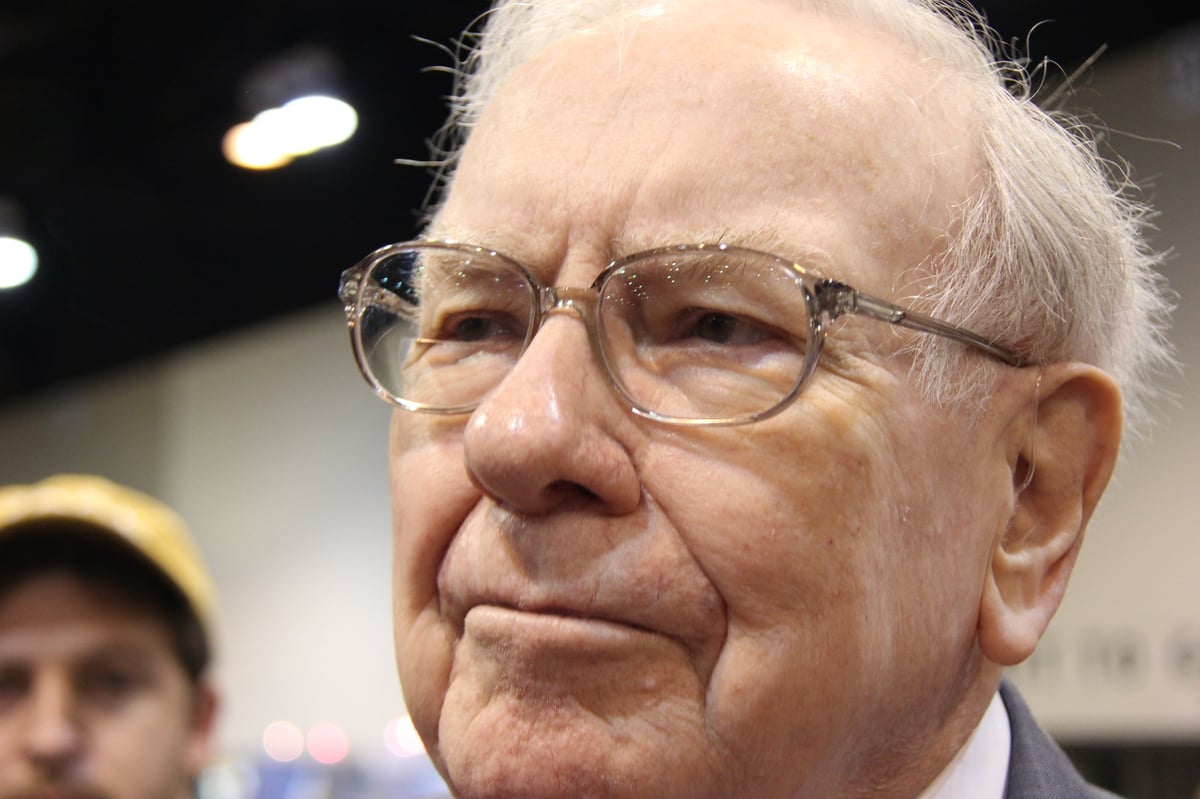
Buffett Retires, Abel Takes Over as CEO of Berkshire Hathaway


- Leadership Transition: Warren Buffett retired on December 31, 2025, with Greg Abel stepping in to manage Berkshire Hathaway's $320 billion investment portfolio, marking a significant new era for the company.
- Investment Concentration: Abel's portfolio is heavily weighted, with 10 core holdings accounting for nearly 79% of assets, including Apple at $60 billion, highlighting the company's focus on high-quality assets and long-term growth potential.
- Sustainable Competitive Advantages: Among the 20 billion-dollar investments Abel oversees, many companies like Visa and Sirius XM operate as legal monopolies, ensuring stable revenue streams and risk resilience, reflecting Berkshire's investment strategy.
- Smaller Holdings Adjustment: Abel also manages 18 relatively smaller investments, with significant reductions like the 77% cut in Amazon's stake, indicating a focus on optimizing the portfolio and potentially paving the way for future trading opportunities.

Warren Buffett Retires, Greg Abel Takes Over as CEO of Berkshire Hathaway
- Leadership Transition: Warren Buffett retired as CEO on December 31, 2025, with Greg Abel taking over the management of a $320 billion investment portfolio, marking a new era for Berkshire Hathaway, although Buffett remains as chairman of the board.
- Investment Philosophy Continuity: Abel shares a similar investment philosophy with Buffett, emphasizing value investing and sustainable competitive advantages, particularly by allocating a significant portion of the company's capital to their best ideas.
- Core Holdings Concentration: The ten core positions account for nearly 79% of Berkshire's invested assets, all of which pay dividends and engage in share repurchases, demonstrating strong capital return capabilities, with Abel's management style reflected in these choices.
- Smaller Investment Dynamics: Abel oversees 18 smaller holdings ranging from $5 million to approximately $692 million, many of which are being reduced or removed from the portfolio, indicating a dynamic adjustment strategy in response to market conditions.

U.S. Homebuilders Face Significant Challenges Amid Rising Costs and Inflation

- Market Pressures Intensify: U.S. home sales have continued to decline over the past few quarters due to labor shortages and restrictive land zoning, with analysts noting that new tariffs and Middle Eastern conflicts further squeeze margins, leading to greater challenges for the industry.
- Rising Cost Impact: CEOs of Lennar and KB Home have indicated that tariffs and immigration issues are driving up material and labor costs, and despite efforts to manage these pressures through trade partner relationships, the industry's cost structure is continuously rising, making it difficult to cope.
- Sales Incentives: To protect sales volumes, many builders are relying on incentives like mortgage rate buydowns, and analysts expect this trend to continue; although the 30-year fixed rate briefly dipped below 6% in late February, it quickly rebounded to around 6.5%, further pressuring customer affordability.
- Disappointing Spring Sales: Geopolitical tensions and economic uncertainty have led to lower-than-expected buyer activity during the crucial spring selling season, with Evercore ISI analysts calling this year's season

Lennar Corporation Declares Quarterly Dividend
- Quarterly Dividend Announcement: Lennar Corporation has declared a quarterly dividend of $0.50 per share, consistent with previous distributions, indicating the company's stability in the current market environment.
- Dividend Yield: The forward yield of 2.31% provides investors with a relatively stable return, reflecting the company's resilience amid economic fluctuations.
- Payment Schedule: The dividend is payable on May 6, with a record date of April 22 and an ex-dividend date also set for April 22, ensuring shareholders receive their earnings promptly.
- Market Response: Despite ongoing margin pressures, Lennar's decision to maintain its dividend payment signals confidence in future market conditions, potentially attracting investors seeking stable income.

Opendoor Stock Continues Decline as Analysts Recommend Hold


- Stock Performance Weakness: Opendoor's stock has declined 20.4% year-to-date, falling 1% in Thursday's premarket session, indicating ongoing market concerns about its prolonged weakness, with retail investors expressing frustration and a lack of confidence.
- Analyst Rating Divergence: Among analysts covering Opendoor, five recommend 'Hold', two suggest 'Sell', and only one rates it as 'Strong Buy', with an average price target of $4.64, approximately 7% below the last closing price, reflecting cautious sentiment about its future performance.
- Investor Dynamics: Morgan Stanley recently disclosed acquiring a 10.2% stake in Opendoor, amounting to nearly 98 million shares, yet the stock remains under pressure, indicating that even significant investor interest has not alleviated market sentiment.
- Increased Acquisition Activity: Opendoor reported a 21% week-over-week increase in weekly acquisition contracts, reaching 658, and also acquired Doma to expedite real estate transactions, yet the market response remains muted, with investors adopting a wait-and-see approach regarding future prospects.
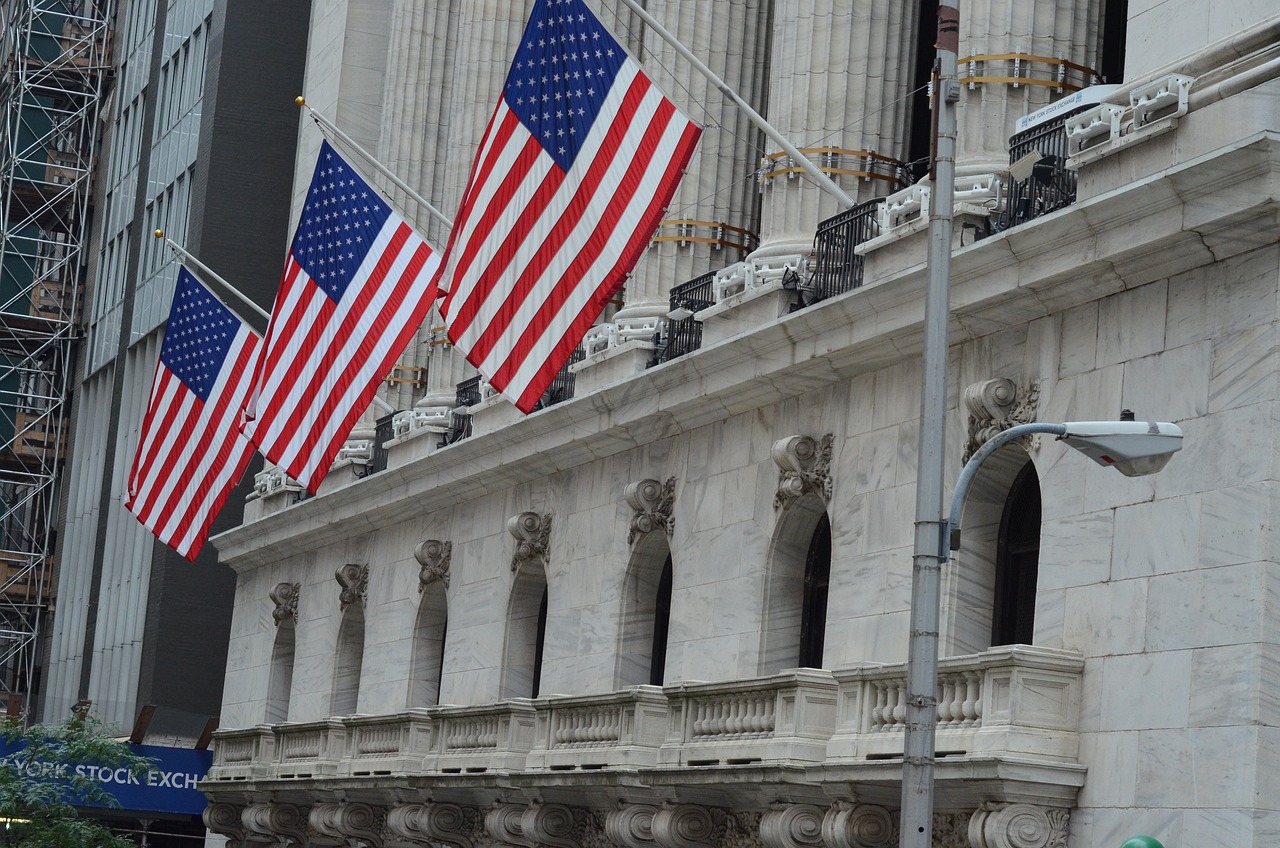
Global Stock Markets Surge on Iran Ceasefire Agreement


- Market Sentiment Rebound: Global stock markets surged on Wednesday as the US and Iran agreed to a two-week ceasefire, with the S&P 500 rising 2.51%, the Dow Jones up 2.85%, and the Nasdaq 100 increasing by 2.90%, reflecting a positive market response to easing geopolitical tensions.
- Crude Oil Price Plunge: The ceasefire news led to a more than 15% drop in crude oil prices to a 1.5-week low, alleviating inflation concerns and sparking a rally in global government bond markets, with the German 10-year Bund yield falling to a 3-week low, indicating a more optimistic outlook for the economy.
- Fed Policy Expectations: Although the market discounts only a 1% chance of a 25 bp rate hike at the upcoming April 28-29 FOMC meeting, the minutes from the March FOMC indicated heightened concerns among participants regarding upside risks to inflation and downside risks to employment, suggesting a more cautious approach to future monetary policy.
- Strong Tech Stock Performance: Chipmakers and AI infrastructure stocks saw significant gains on Wednesday, with Intel rising over 11%, driving the Nasdaq 100's increase, highlighting the tech sector's crucial role in the market recovery and further boosting investor confidence in technology stocks.
Buffett Retires, Abel Takes Over as CEO of Berkshire Hathaway
- Leadership Transition: Warren Buffett retired on December 31, 2025, with Greg Abel stepping in to manage Berkshire Hathaway's $320 billion investment portfolio, marking a significant new era for the company.
- Investment Concentration: Abel's portfolio is heavily weighted, with 10 core holdings accounting for nearly 79% of assets, including Apple at $60 billion, highlighting the company's focus on high-quality assets and long-term growth potential.
- Sustainable Competitive Advantages: Among the 20 billion-dollar investments Abel oversees, many companies like Visa and Sirius XM operate as legal monopolies, ensuring stable revenue streams and risk resilience, reflecting Berkshire's investment strategy.
- Smaller Holdings Adjustment: Abel also manages 18 relatively smaller investments, with significant reductions like the 77% cut in Amazon's stake, indicating a focus on optimizing the portfolio and potentially paving the way for future trading opportunities.
Warren Buffett Retires, Greg Abel Takes Over as CEO of Berkshire Hathaway
- Leadership Transition: Warren Buffett retired as CEO on December 31, 2025, with Greg Abel taking over the management of a $320 billion investment portfolio, marking a new era for Berkshire Hathaway, although Buffett remains as chairman of the board.
- Investment Philosophy Continuity: Abel shares a similar investment philosophy with Buffett, emphasizing value investing and sustainable competitive advantages, particularly by allocating a significant portion of the company's capital to their best ideas.
- Core Holdings Concentration: The ten core positions account for nearly 79% of Berkshire's invested assets, all of which pay dividends and engage in share repurchases, demonstrating strong capital return capabilities, with Abel's management style reflected in these choices.
- Smaller Investment Dynamics: Abel oversees 18 smaller holdings ranging from $5 million to approximately $692 million, many of which are being reduced or removed from the portfolio, indicating a dynamic adjustment strategy in response to market conditions.
U.S. Homebuilders Face Significant Challenges Amid Rising Costs and Inflation
- Market Pressures Intensify: U.S. home sales have continued to decline over the past few quarters due to labor shortages and restrictive land zoning, with analysts noting that new tariffs and Middle Eastern conflicts further squeeze margins, leading to greater challenges for the industry.
- Rising Cost Impact: CEOs of Lennar and KB Home have indicated that tariffs and immigration issues are driving up material and labor costs, and despite efforts to manage these pressures through trade partner relationships, the industry's cost structure is continuously rising, making it difficult to cope.
- Sales Incentives: To protect sales volumes, many builders are relying on incentives like mortgage rate buydowns, and analysts expect this trend to continue; although the 30-year fixed rate briefly dipped below 6% in late February, it quickly rebounded to around 6.5%, further pressuring customer affordability.
- Disappointing Spring Sales: Geopolitical tensions and economic uncertainty have led to lower-than-expected buyer activity during the crucial spring selling season, with Evercore ISI analysts calling this year's season
Lennar Corporation Declares Quarterly Dividend
- Quarterly Dividend Announcement: Lennar Corporation has declared a quarterly dividend of $0.50 per share, consistent with previous distributions, indicating the company's stability in the current market environment.
- Dividend Yield: The forward yield of 2.31% provides investors with a relatively stable return, reflecting the company's resilience amid economic fluctuations.
- Payment Schedule: The dividend is payable on May 6, with a record date of April 22 and an ex-dividend date also set for April 22, ensuring shareholders receive their earnings promptly.
- Market Response: Despite ongoing margin pressures, Lennar's decision to maintain its dividend payment signals confidence in future market conditions, potentially attracting investors seeking stable income.
Opendoor Stock Continues Decline as Analysts Recommend Hold
- Stock Performance Weakness: Opendoor's stock has declined 20.4% year-to-date, falling 1% in Thursday's premarket session, indicating ongoing market concerns about its prolonged weakness, with retail investors expressing frustration and a lack of confidence.
- Analyst Rating Divergence: Among analysts covering Opendoor, five recommend 'Hold', two suggest 'Sell', and only one rates it as 'Strong Buy', with an average price target of $4.64, approximately 7% below the last closing price, reflecting cautious sentiment about its future performance.
- Investor Dynamics: Morgan Stanley recently disclosed acquiring a 10.2% stake in Opendoor, amounting to nearly 98 million shares, yet the stock remains under pressure, indicating that even significant investor interest has not alleviated market sentiment.
- Increased Acquisition Activity: Opendoor reported a 21% week-over-week increase in weekly acquisition contracts, reaching 658, and also acquired Doma to expedite real estate transactions, yet the market response remains muted, with investors adopting a wait-and-see approach regarding future prospects.
Global Stock Markets Surge on Iran Ceasefire Agreement
- Market Sentiment Rebound: Global stock markets surged on Wednesday as the US and Iran agreed to a two-week ceasefire, with the S&P 500 rising 2.51%, the Dow Jones up 2.85%, and the Nasdaq 100 increasing by 2.90%, reflecting a positive market response to easing geopolitical tensions.
- Crude Oil Price Plunge: The ceasefire news led to a more than 15% drop in crude oil prices to a 1.5-week low, alleviating inflation concerns and sparking a rally in global government bond markets, with the German 10-year Bund yield falling to a 3-week low, indicating a more optimistic outlook for the economy.
- Fed Policy Expectations: Although the market discounts only a 1% chance of a 25 bp rate hike at the upcoming April 28-29 FOMC meeting, the minutes from the March FOMC indicated heightened concerns among participants regarding upside risks to inflation and downside risks to employment, suggesting a more cautious approach to future monetary policy.
- Strong Tech Stock Performance: Chipmakers and AI infrastructure stocks saw significant gains on Wednesday, with Intel rising over 11%, driving the Nasdaq 100's increase, highlighting the tech sector's crucial role in the market recovery and further boosting investor confidence in technology stocks.