Flutter Entertainment's Market Position Amid Regulatory Concerns

Flutter Entertainment PLC's stock has hit a 52-week low, reflecting broader market weakness as the Nasdaq-100 and S&P 500 both decline over 1%.
The recent discussions surrounding prediction markets, particularly the warnings from New York Attorney General Letitia James about the risks associated with unregulated platforms, have raised concerns for Flutter's operations. Despite holding a significant 47% share in the U.S. online sports betting market, the lack of regulatory safeguards and the NFL's ban on prediction market ads during the Super Bowl could impact Flutter's brand exposure and market participation.
As Flutter navigates these regulatory challenges, its strong market position and projected revenue growth of 18% by 2025 may help it maintain its leadership in the online sports betting sector, but the current environment poses risks that could affect investor confidence.
Trade with 70% Backtested Accuracy
Analyst Views on FLUT

About FLUT
About the author


Polymarket Partners with Palantir for Insider Trading Monitoring


- Compliance Monitoring Upgrade: Polymarket collaborates with Palantir Technologies and TWG AI to implement the Vergence AI system for monitoring sports contracts, aiming to enhance compliance and market integrity by flagging suspicious activities and screening users.
- Market Context: This initiative comes amid credibility issues in prediction markets, as rival Kalshi disclosed two insider trading cases last month and reported them to the Commodity Futures Trading Commission, highlighting the industry's urgent need for compliance.
- Volume Analysis: Over $580 million was traded across contracts related to Iran, indicating significant market interest in such contracts, which has led to senators calling for a ban on death and war-related contracts.
- Palantir's Market Positioning: With Palantir trading around $154 and a price-to-earnings ratio of 240, its potential to become the default infrastructure layer for rigorous data analysis could solidify its role in financial services, particularly in compliance monitoring applications.

Market Update: Oil Price Drop and Tech Stock Upgrades


- Oil Price Fluctuations: U.S. benchmark WTI crude prices have fallen below $90 a barrel, despite being up over 50% year-to-date, indicating market optimism regarding improved U.S.-Iran relations, yet geopolitical risks continue to loom over oil prices.
- Tech Stock Rating Changes: Intuit was upgraded to buy from hold by Rothschild & Co Redburn, with its stock rising over 30% since late February, although it remains down 28.5% for the year, reflecting a recovery in market confidence in its software products.
- Cybersecurity Stock Bounce: Morgan Stanley upgraded CrowdStrike from hold to buy, with its stock up over 20% from last month's low, highlighting the positive impact of AI technology on the cybersecurity sector and indicating optimistic market expectations for future growth.
- Hewlett Packard Enterprise's Positive Outlook: Despite memory cost pressures, the company raised its full-year earnings outlook, with reported quarterly revenues slightly below expectations but gross margins and adjusted EPS exceeding forecasts, demonstrating strong demand in the data center buildout.

Regulatory Controversy Between Prediction Markets and Gambling

- Regulatory Challenges: Former New Jersey Governor Chris Christie warns that prediction market platforms may face lawsuits from all 50 states, highlighting the regulatory scrutiny over the blurred lines between prediction markets and gambling, which could hinder industry growth.
- Market Growth: Robinhood CEO Vlad Tenev states that prediction markets represent the fastest-growing business in the company's history, with over 12 billion event contracts traded in 2025 and more than 4 billion in January 2026 alone, indicating strong market demand and potential profitability.
- Leverage Potential: Tenev flagged leverage as the missing piece in prediction markets, which is currently not permissible; however, if regulatory clarity is achieved, it could attract more traders and enhance capital efficiency, akin to how options markets operate.
- Product Integration: Tenev plans to integrate prediction markets directly into the Robinhood platform, allowing users to see related event contracts when viewing specific stocks, which will enhance user experience and potentially increase trading volume.
Impact of Prediction Markets on S&P 500

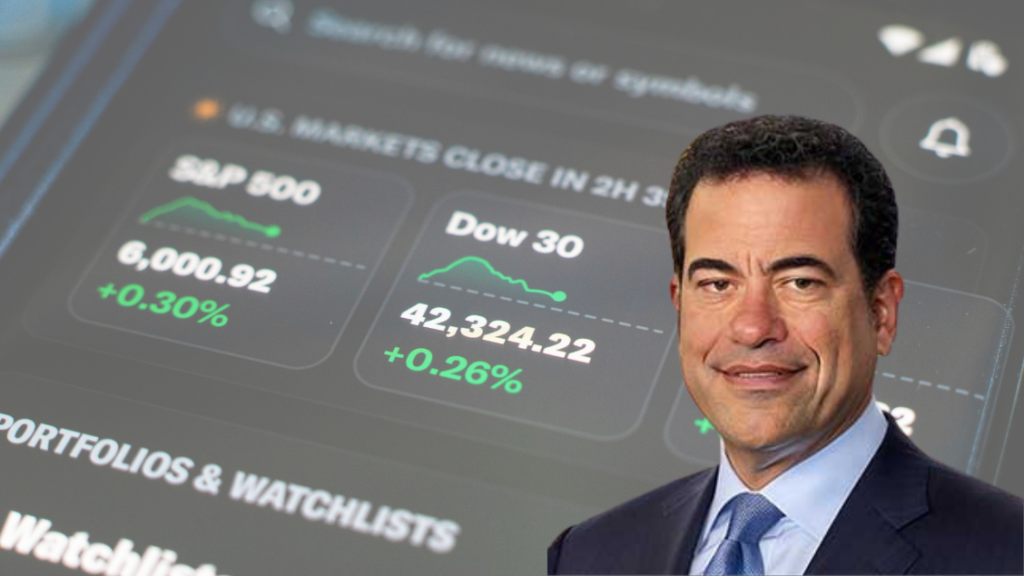
- Market Prediction Opportunities: Danny Moses highlights that prediction markets reduce the intimidation factor of betting on the S&P 500, with the index currently at 6,740 points; Kalshi's contract indicates a 4% chance of finishing between 8,000 and 8,200 by year-end 2026, suggesting a $2,190 investment could yield nearly $44,000, showcasing the potential returns of prediction markets.
- Volume Comparison: Since late December, Kalshi users have traded over $1 million in S&P 500 year-end contracts, while the options market sees over $100 million in notional volume daily; despite the significant volume disparity, the pricing remains surprisingly close, indicating a consensus on future trends.
- Wall Street's Response: Major exchanges like Nasdaq and Cboe are actively positioning themselves, with Nasdaq filing to list binary options on the Nasdaq-100 and Cboe targeting a Q2 launch for a similar product, reflecting growing interest from traditional financial markets in prediction markets.
- Regulatory Challenges: Kalshi operates under CFTC oversight, but Cboe's CEO suggests these contracts may be classified as securities, indicating uncertainty in the regulatory framework for prediction markets, with mounting political pressure highlighting the complex attitudes towards emerging financial instruments.

Analysis of FLUT Options Contracts and Yield Potential
- Put Option Appeal: The current bid for the $105.00 put option is $17.60, and if an investor sells this contract, they commit to buying FLUT shares at $105.00, resulting in an effective cost basis of $87.40, which is a 2% discount to the current price of $106.88, making it attractive for potential buyers.
- Yield Potential Analysis: Should the put option expire worthless, the premium would yield a 16.76% return on cash commitment, or 21.54% annualized, highlighting the YieldBoost potential of this contract, appealing to yield-seeking investors.
- Call Option Returns: The $110.00 call option has a current bid of $19.60, and if an investor buys FLUT shares at $106.88 and sells this call, they could achieve a total return of 21.26% if the stock is called away at expiration, showcasing the attractiveness of this strategy.
- Risk-Reward Trade-off: The $110.00 call option has a 39% chance of expiring worthless, allowing investors to retain both their shares and the premium collected, with an additional return potential of 18.34%, or 23.57% annualized, providing a favorable risk-reward balance for investors.

Emerging Prediction Markets Pressure DraftKings and Flutter Stocks
- Stock Decline: DraftKings shares fell 1.6% and Flutter shares dropped 2.2% in Monday's premarket, reflecting market concerns over emerging prediction market platforms, particularly as Kalshi and Polymarket are in fundraising talks.
- Increased Market Competition: The rise of Kalshi and Polymarket intensifies competition for DraftKings and Flutter, despite both companies launching their own prediction market offerings, leaving demand for their core iGaming and sports betting businesses uncertain.
- Neutral Investor Sentiment: According to Stocktwits data, investor sentiment for both DraftKings and Flutter is 'neutral', indicating a lack of clear outlook on their future performance, which may affect short-term stock price volatility.
- Poor Year-to-Date Performance: Year-to-date, DraftKings stock is down 27% and Flutter stock has declined 47%, highlighting the challenges both companies face amid fierce competition and market uncertainty, especially with the rise of prediction markets.
Polymarket Partners with Palantir for Insider Trading Monitoring
- Compliance Monitoring Upgrade: Polymarket collaborates with Palantir Technologies and TWG AI to implement the Vergence AI system for monitoring sports contracts, aiming to enhance compliance and market integrity by flagging suspicious activities and screening users.
- Market Context: This initiative comes amid credibility issues in prediction markets, as rival Kalshi disclosed two insider trading cases last month and reported them to the Commodity Futures Trading Commission, highlighting the industry's urgent need for compliance.
- Volume Analysis: Over $580 million was traded across contracts related to Iran, indicating significant market interest in such contracts, which has led to senators calling for a ban on death and war-related contracts.
- Palantir's Market Positioning: With Palantir trading around $154 and a price-to-earnings ratio of 240, its potential to become the default infrastructure layer for rigorous data analysis could solidify its role in financial services, particularly in compliance monitoring applications.
Market Update: Oil Price Drop and Tech Stock Upgrades
- Oil Price Fluctuations: U.S. benchmark WTI crude prices have fallen below $90 a barrel, despite being up over 50% year-to-date, indicating market optimism regarding improved U.S.-Iran relations, yet geopolitical risks continue to loom over oil prices.
- Tech Stock Rating Changes: Intuit was upgraded to buy from hold by Rothschild & Co Redburn, with its stock rising over 30% since late February, although it remains down 28.5% for the year, reflecting a recovery in market confidence in its software products.
- Cybersecurity Stock Bounce: Morgan Stanley upgraded CrowdStrike from hold to buy, with its stock up over 20% from last month's low, highlighting the positive impact of AI technology on the cybersecurity sector and indicating optimistic market expectations for future growth.
- Hewlett Packard Enterprise's Positive Outlook: Despite memory cost pressures, the company raised its full-year earnings outlook, with reported quarterly revenues slightly below expectations but gross margins and adjusted EPS exceeding forecasts, demonstrating strong demand in the data center buildout.
Regulatory Controversy Between Prediction Markets and Gambling
- Regulatory Challenges: Former New Jersey Governor Chris Christie warns that prediction market platforms may face lawsuits from all 50 states, highlighting the regulatory scrutiny over the blurred lines between prediction markets and gambling, which could hinder industry growth.
- Market Growth: Robinhood CEO Vlad Tenev states that prediction markets represent the fastest-growing business in the company's history, with over 12 billion event contracts traded in 2025 and more than 4 billion in January 2026 alone, indicating strong market demand and potential profitability.
- Leverage Potential: Tenev flagged leverage as the missing piece in prediction markets, which is currently not permissible; however, if regulatory clarity is achieved, it could attract more traders and enhance capital efficiency, akin to how options markets operate.
- Product Integration: Tenev plans to integrate prediction markets directly into the Robinhood platform, allowing users to see related event contracts when viewing specific stocks, which will enhance user experience and potentially increase trading volume.
Impact of Prediction Markets on S&P 500
- Market Prediction Opportunities: Danny Moses highlights that prediction markets reduce the intimidation factor of betting on the S&P 500, with the index currently at 6,740 points; Kalshi's contract indicates a 4% chance of finishing between 8,000 and 8,200 by year-end 2026, suggesting a $2,190 investment could yield nearly $44,000, showcasing the potential returns of prediction markets.
- Volume Comparison: Since late December, Kalshi users have traded over $1 million in S&P 500 year-end contracts, while the options market sees over $100 million in notional volume daily; despite the significant volume disparity, the pricing remains surprisingly close, indicating a consensus on future trends.
- Wall Street's Response: Major exchanges like Nasdaq and Cboe are actively positioning themselves, with Nasdaq filing to list binary options on the Nasdaq-100 and Cboe targeting a Q2 launch for a similar product, reflecting growing interest from traditional financial markets in prediction markets.
- Regulatory Challenges: Kalshi operates under CFTC oversight, but Cboe's CEO suggests these contracts may be classified as securities, indicating uncertainty in the regulatory framework for prediction markets, with mounting political pressure highlighting the complex attitudes towards emerging financial instruments.
Analysis of FLUT Options Contracts and Yield Potential
- Put Option Appeal: The current bid for the $105.00 put option is $17.60, and if an investor sells this contract, they commit to buying FLUT shares at $105.00, resulting in an effective cost basis of $87.40, which is a 2% discount to the current price of $106.88, making it attractive for potential buyers.
- Yield Potential Analysis: Should the put option expire worthless, the premium would yield a 16.76% return on cash commitment, or 21.54% annualized, highlighting the YieldBoost potential of this contract, appealing to yield-seeking investors.
- Call Option Returns: The $110.00 call option has a current bid of $19.60, and if an investor buys FLUT shares at $106.88 and sells this call, they could achieve a total return of 21.26% if the stock is called away at expiration, showcasing the attractiveness of this strategy.
- Risk-Reward Trade-off: The $110.00 call option has a 39% chance of expiring worthless, allowing investors to retain both their shares and the premium collected, with an additional return potential of 18.34%, or 23.57% annualized, providing a favorable risk-reward balance for investors.
Emerging Prediction Markets Pressure DraftKings and Flutter Stocks
- Stock Decline: DraftKings shares fell 1.6% and Flutter shares dropped 2.2% in Monday's premarket, reflecting market concerns over emerging prediction market platforms, particularly as Kalshi and Polymarket are in fundraising talks.
- Increased Market Competition: The rise of Kalshi and Polymarket intensifies competition for DraftKings and Flutter, despite both companies launching their own prediction market offerings, leaving demand for their core iGaming and sports betting businesses uncertain.
- Neutral Investor Sentiment: According to Stocktwits data, investor sentiment for both DraftKings and Flutter is 'neutral', indicating a lack of clear outlook on their future performance, which may affect short-term stock price volatility.
- Poor Year-to-Date Performance: Year-to-date, DraftKings stock is down 27% and Flutter stock has declined 47%, highlighting the challenges both companies face amid fierce competition and market uncertainty, especially with the rise of prediction markets.