Eaton Partners with Flexnode to Enhance Data Center Infrastructure

Eaton Corporation PLC's stock rose by 3.04% as it reached a 20-day high, reflecting positive market sentiment following its recent partnership announcement.
The partnership with Flexnode aims to deliver modular, scalable rack and power infrastructure that helps data centers reduce deployment schedules by an average of 35%. This collaboration is expected to enhance Eaton's competitiveness in the market, particularly as demand for high-density power and cooling systems increases with large-scale data center buildouts. The integration of Eaton's technologies into Flexnode's NX Compute Module will enable rapid deployment of data halls, significantly improving customer responsiveness and flexibility.
This strategic move positions Eaton favorably in the growing data center sector, especially with the rising demand for AI infrastructure. The collaboration not only strengthens Eaton's product offerings but also aligns with the industry's shift towards more efficient and scalable solutions.
Trade with 70% Backtested Accuracy
Analyst Views on ETN

About ETN
About the author


Nebius Plans to Build Major AI Data Center in Finland

- Data Center Construction: Nebius announced plans to build an AI data center in Lappeenranta, Finland, with a capacity of up to 310 MW, expected to start serving customers by 2027, marking a significant step in the company's global AI infrastructure expansion.
- Market Demand Response: As demand for AI infrastructure surges across Europe, Nebius's new facility is set to become one of the largest AI data centers in the region, aimed at meeting the growing need for computational power, thereby enhancing the company's competitive edge in the industry.
- Strategic Expansion: Nebius CEO Arkady Volozh stated that this expansion will significantly bolster the company's presence in Finland, further driving its strategic goals in the global AI sector.
- Industry Dynamics: This announcement aligns with other significant AI infrastructure investments in Europe, such as Mistral's $830 million financing for a data center near Paris, highlighting the industry's focus and investment surge in AI computing capabilities.

Bharti Airtel Raises $1 Billion for Data Center Expansion


- Significant Fundraising: Bharti Airtel successfully raised $1 billion from private equity firms Alpha Wave, Carlyle, and Anchorage Capital, with Nxtra Data expected to be valued at approximately $3.1 billion upon transaction completion, highlighting strong global interest in India's data center market.
- Market Expansion Plans: The new capital will support Nxtra's expansion across India, aiming to scale its existing 300MW data center capacity to 1GW in the coming years, targeting approximately 25% market share, thereby enhancing its competitiveness amid surging AI and cloud computing demands.
- Surge in Global Data Center Demand: The global data center market attracted over $61 billion in investment in 2025, driven by the explosion of AI workloads, necessitating significant growth in India's data center capacity to meet the needs of hyperscalers and large language models.
- Policy Support for Growth: The Indian government has announced a 20-year tax exemption for hyperscalers using data centers, and combined with low infrastructure costs, this makes India increasingly attractive compared to rival hubs like Singapore, the UAE, and Ireland, facilitating rapid growth in the data center industry.

Market Volatility and TJX Dividend Increase

- Market Volatility: The S&P 500 struggled to maintain gains at the start of the holiday-shortened trading week, initially rising after President Trump's comments on the Iran war but subsequently falling, with the tech-heavy Nasdaq leading the decline, indicating market uncertainty.
- Oil Price Impact: U.S. West Texas Intermediate crude oil prices rose over 3% to above $100 per barrel; however, despite this typically leading to higher bond yields, the 10-year Treasury yield fell about 10 basis points to 4.32%, reflecting a cautious market response to short-term energy cost spikes.
- TJX Dividend and Buyback: TJX Companies announced a 14% increase in its quarterly dividend to $0.48 per share and plans to repurchase approximately $2.5 billion to $2.75 billion of stock in the current fiscal year, signaling confidence in future earnings and cash flow growth, despite a modest dividend yield of 1.2%.
- Strong Long-term Performance: TJX shares have risen 298% over the past decade, with a total return of 358% when including reinvested dividends, demonstrating the company's consistent execution and off-price model's effectiveness in attracting value-seeking shoppers.
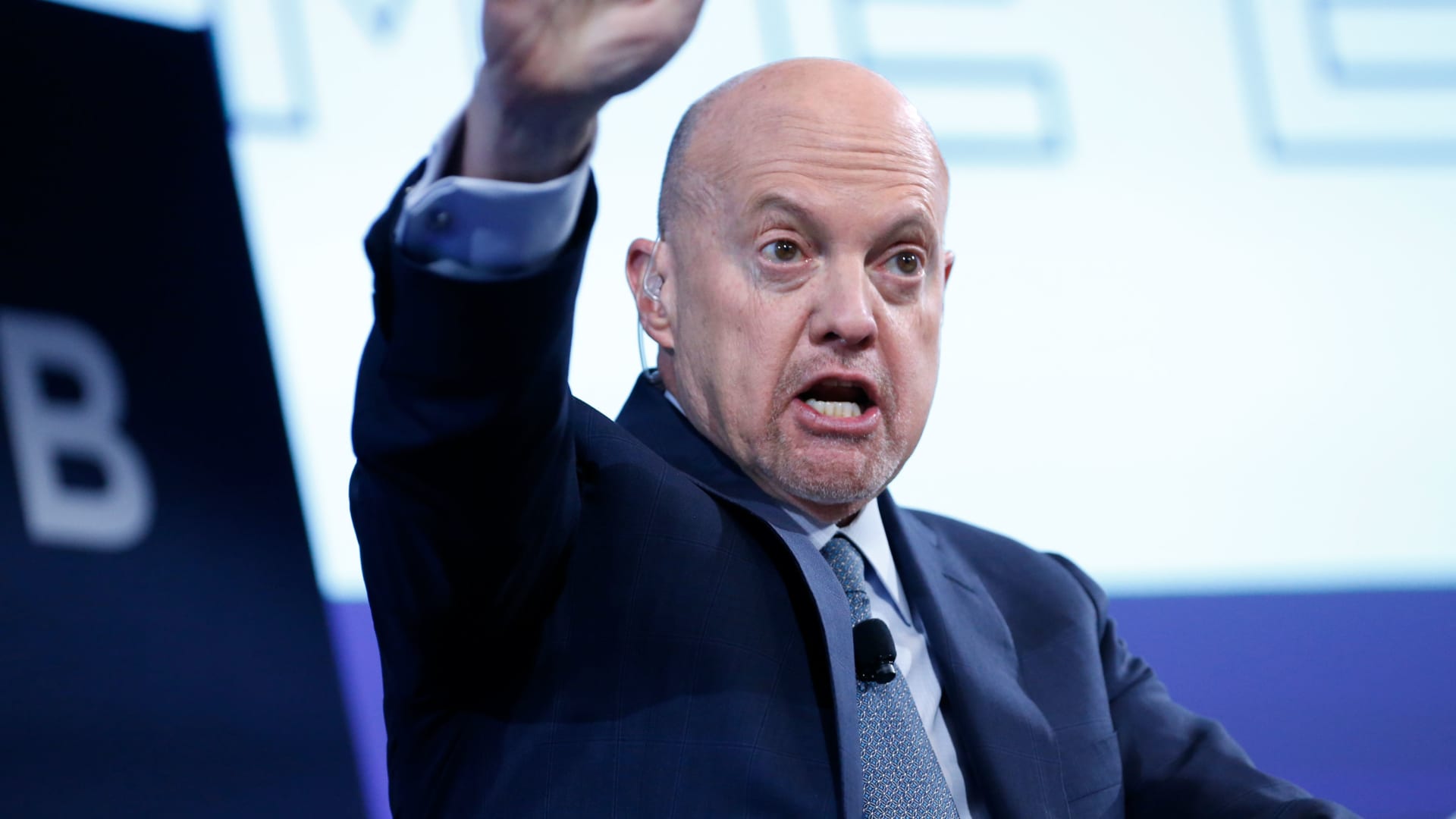
CNBC Investing Club March Meeting Overview

- Energy Stocks Surge: Following the outbreak of war in Iran, energy stocks, particularly fertilizer manufacturers, have shown strong performance, indicating robust market demand that could drive profitability for related companies.
- AWS Growth Acceleration: Amazon's cloud unit AWS is no longer lagging behind Microsoft Azure, thanks to its partnership with Anthropic, with expectations for next quarter's margins to exceed market forecasts, boosting investor confidence.
- Cybersecurity Challenges: CrowdStrike has been affected by turmoil in the software market, but the CEO highlighted the positive impact of AI on cyberattacks, indicating long-term growth potential in the security sector, despite high stock prices.
- Healthcare Sector Risks: Eli Lilly faces pricing pressure from competitor Novo Nordisk, but the company is prepared to counter this by increasing volume, with the upcoming launch of its GLP-1 obesity drug expected to drive growth.

Market Dynamics and Investment Opportunities Analysis


- Oil Prices and Market Reaction: Oil prices are rising while stock futures are down, as President Trump's extension of the pause on attacking Iranian energy infrastructure until April 6 is interpreted as a signal for troop buildup in the Middle East, potentially affecting energy-related stocks' performance.
- Social Media Platform Pressure: JPMorgan noted that the court ruling against Meta and YouTube could force significant changes in social media platforms, leading to a nearly 8% drop in Meta's stock yesterday, which may impact user engagement and profitability, potentially eroding investor confidence.
- Netflix Price Hike Expectations: Citi anticipates Netflix will raise its outlook for 2026 following its announcement of price increases across all subscription tiers, with JPMorgan estimating an additional $1.7 billion in annual revenue for 2025, although much of this increase is already factored into sales guidance.
- Brown-Forman Merger Talks: Citi upgraded Brown-Forman from sell to hold and raised its price target from $24 to $28, while JPMorgan also moved to hold, suggesting that merger prospects will support the stock price, despite the company's historical disinterest in takeover offers.

Sturm, Ruger CFO Steps Down; Andrew Wieland Appointed Successor

- Executive Change: Sturm, Ruger announced that CFO Tom Dineen will step down on March 31, with Andrew Wieland appointed as the new CFO, ensuring a smooth transition until April 30 to maintain continuity in financial operations.
- New CFO Background: Andrew Wieland joins from Eaton Corp, where he served as Vice President of Finance and Controller for the Electrical Sector Americas, bringing extensive financial management experience that is expected to provide new perspectives and strategic direction for Sturm, Ruger.
- Financial Function Restructuring: Wieland will oversee financial operations, including forecasting, budgeting, financial reporting, and investment evaluation, and this adjustment in roles may influence the company's financial decision-making and future investment strategies.
- Market Reaction: In pre-market trading on the New York Stock Exchange, Sturm, Ruger’s stock rose by 2.30% to $42.81, indicating a positive market sentiment towards the appointment of the new CFO.
Nebius Plans to Build Major AI Data Center in Finland
- Data Center Construction: Nebius announced plans to build an AI data center in Lappeenranta, Finland, with a capacity of up to 310 MW, expected to start serving customers by 2027, marking a significant step in the company's global AI infrastructure expansion.
- Market Demand Response: As demand for AI infrastructure surges across Europe, Nebius's new facility is set to become one of the largest AI data centers in the region, aimed at meeting the growing need for computational power, thereby enhancing the company's competitive edge in the industry.
- Strategic Expansion: Nebius CEO Arkady Volozh stated that this expansion will significantly bolster the company's presence in Finland, further driving its strategic goals in the global AI sector.
- Industry Dynamics: This announcement aligns with other significant AI infrastructure investments in Europe, such as Mistral's $830 million financing for a data center near Paris, highlighting the industry's focus and investment surge in AI computing capabilities.
Bharti Airtel Raises $1 Billion for Data Center Expansion
- Significant Fundraising: Bharti Airtel successfully raised $1 billion from private equity firms Alpha Wave, Carlyle, and Anchorage Capital, with Nxtra Data expected to be valued at approximately $3.1 billion upon transaction completion, highlighting strong global interest in India's data center market.
- Market Expansion Plans: The new capital will support Nxtra's expansion across India, aiming to scale its existing 300MW data center capacity to 1GW in the coming years, targeting approximately 25% market share, thereby enhancing its competitiveness amid surging AI and cloud computing demands.
- Surge in Global Data Center Demand: The global data center market attracted over $61 billion in investment in 2025, driven by the explosion of AI workloads, necessitating significant growth in India's data center capacity to meet the needs of hyperscalers and large language models.
- Policy Support for Growth: The Indian government has announced a 20-year tax exemption for hyperscalers using data centers, and combined with low infrastructure costs, this makes India increasingly attractive compared to rival hubs like Singapore, the UAE, and Ireland, facilitating rapid growth in the data center industry.
Market Volatility and TJX Dividend Increase
- Market Volatility: The S&P 500 struggled to maintain gains at the start of the holiday-shortened trading week, initially rising after President Trump's comments on the Iran war but subsequently falling, with the tech-heavy Nasdaq leading the decline, indicating market uncertainty.
- Oil Price Impact: U.S. West Texas Intermediate crude oil prices rose over 3% to above $100 per barrel; however, despite this typically leading to higher bond yields, the 10-year Treasury yield fell about 10 basis points to 4.32%, reflecting a cautious market response to short-term energy cost spikes.
- TJX Dividend and Buyback: TJX Companies announced a 14% increase in its quarterly dividend to $0.48 per share and plans to repurchase approximately $2.5 billion to $2.75 billion of stock in the current fiscal year, signaling confidence in future earnings and cash flow growth, despite a modest dividend yield of 1.2%.
- Strong Long-term Performance: TJX shares have risen 298% over the past decade, with a total return of 358% when including reinvested dividends, demonstrating the company's consistent execution and off-price model's effectiveness in attracting value-seeking shoppers.
CNBC Investing Club March Meeting Overview
- Energy Stocks Surge: Following the outbreak of war in Iran, energy stocks, particularly fertilizer manufacturers, have shown strong performance, indicating robust market demand that could drive profitability for related companies.
- AWS Growth Acceleration: Amazon's cloud unit AWS is no longer lagging behind Microsoft Azure, thanks to its partnership with Anthropic, with expectations for next quarter's margins to exceed market forecasts, boosting investor confidence.
- Cybersecurity Challenges: CrowdStrike has been affected by turmoil in the software market, but the CEO highlighted the positive impact of AI on cyberattacks, indicating long-term growth potential in the security sector, despite high stock prices.
- Healthcare Sector Risks: Eli Lilly faces pricing pressure from competitor Novo Nordisk, but the company is prepared to counter this by increasing volume, with the upcoming launch of its GLP-1 obesity drug expected to drive growth.
Market Dynamics and Investment Opportunities Analysis
- Oil Prices and Market Reaction: Oil prices are rising while stock futures are down, as President Trump's extension of the pause on attacking Iranian energy infrastructure until April 6 is interpreted as a signal for troop buildup in the Middle East, potentially affecting energy-related stocks' performance.
- Social Media Platform Pressure: JPMorgan noted that the court ruling against Meta and YouTube could force significant changes in social media platforms, leading to a nearly 8% drop in Meta's stock yesterday, which may impact user engagement and profitability, potentially eroding investor confidence.
- Netflix Price Hike Expectations: Citi anticipates Netflix will raise its outlook for 2026 following its announcement of price increases across all subscription tiers, with JPMorgan estimating an additional $1.7 billion in annual revenue for 2025, although much of this increase is already factored into sales guidance.
- Brown-Forman Merger Talks: Citi upgraded Brown-Forman from sell to hold and raised its price target from $24 to $28, while JPMorgan also moved to hold, suggesting that merger prospects will support the stock price, despite the company's historical disinterest in takeover offers.
Sturm, Ruger CFO Steps Down; Andrew Wieland Appointed Successor
- Executive Change: Sturm, Ruger announced that CFO Tom Dineen will step down on March 31, with Andrew Wieland appointed as the new CFO, ensuring a smooth transition until April 30 to maintain continuity in financial operations.
- New CFO Background: Andrew Wieland joins from Eaton Corp, where he served as Vice President of Finance and Controller for the Electrical Sector Americas, bringing extensive financial management experience that is expected to provide new perspectives and strategic direction for Sturm, Ruger.
- Financial Function Restructuring: Wieland will oversee financial operations, including forecasting, budgeting, financial reporting, and investment evaluation, and this adjustment in roles may influence the company's financial decision-making and future investment strategies.
- Market Reaction: In pre-market trading on the New York Stock Exchange, Sturm, Ruger’s stock rose by 2.30% to $42.81, indicating a positive market sentiment towards the appointment of the new CFO.