Dollar General Launches Holiday Promotions

Dollar General Corp has launched its holiday promotions, offering discounts of up to 50% on home goods and holiday décor. This initiative, named Jolly Good Deals, runs from Thanksgiving through Cyber Monday, aiming to attract more customers during the peak shopping season.
The three-day sales event from November 27 to 29 features popular items at discounted prices, such as the Pyrex® 10-Ct. Simply Store Set for $10 and the Toastmaster® Electric Griddle for $15. Additionally, the company is enhancing customer engagement by offering free delivery for the first 10,000 myDG customers on Cyber Monday.
With over 20,000 stores nationwide, Dollar General is positioning itself as a key player in the retail market, especially in rural areas. The expansion of delivery services through partnerships with DoorDash and UberEats further strengthens its market presence, likely contributing to the positive stock movement.
Trade with 70% Backtested Accuracy
Analyst Views on DG

About DG
About the author


Earnings Season Strong, Investors Eye AI-Driven Demand


- Earnings Season Dynamics: This week’s earnings season is strong, with retailers, tech giants, and AI winners taking center stage, as investors closely monitor how guidance and AI-driven demand will shape market direction.
- Oracle Cloud Infrastructure: Oracle Cloud Infrastructure (OCI) saw a 68% surge last quarter, and investors are keen to see if its massive $523 billion contract backlog is beginning to translate into realized revenue, particularly as capital expenditures soar.
- UiPath Earnings Expectations: UiPath is set to report after Wednesday’s close, with analysts expecting earnings of 26 cents per share on revenue of $464.49 million, as investors will focus on the durability of growth and profitability stabilization and the impact of AI on net new ARR.
- Adobe Earnings Outlook: Adobe anticipates earnings of $5.87 per share and revenue of approximately $6.28 billion, reflecting a year-over-year increase of about 10%, with investors watching how generative AI features drive upside in net new ARR and Digital Media growth.

Iran War Pressures Off-Price Retailers Amid Rising Oil Prices

- Oil Price Surge Impact: Since the onset of the U.S.-Iran conflict earlier this month, crude oil prices have surged to levels not seen since 2022, with WTI and Brent crude nearing $120 per barrel, leading to a 70 basis point decline in consumer spending among lower-income shoppers, exacerbating economic pressures.
- Retailer Pressure: According to Wolfe Research, off-price retailers like Dollar General and Walmart, which primarily serve low-income consumers, are expected to face greater pressure as rising oil prices may force these shoppers to tighten their budgets, impacting sales performance.
- Stock Price Declines: Dollar General's shares have fallen 5% over the past week, while Walmart and Advance Auto Parts have seen declines of nearly 3% and 7%, respectively, indicating a market sensitivity to rising energy prices and their impact on consumer confidence.
- Challenges from Import Dependence: Retailers reliant on Chinese imports, particularly in flooring and decor, may face significant headwinds as the Shanghai Containerized Index rises due to logistical issues in Southeast Asian ports, further complicating product shipments to the Middle East.

Surge in Oil Prices Triggers Market Turmoil


- Oil Price Surge: U.S. crude futures have surged above $100 per barrel for the first time since mid-2022, driven by Iran's threats to close the Strait of Hormuz, with a staggering 35.6% increase last week marking the largest weekly gain in futures history, which has directly impacted the stock market, leading to the Dow's worst week in nearly a year.
- Economic Pressure Intensifies: The rising oil prices have prompted Democrats to frame the conflict as a catalyst for increased living costs, potentially affecting the upcoming midterm elections negatively, while Republicans hope for a swift resolution to avoid economic fallout, highlighting the intersection of politics and economics.
- FDA Leadership Change: Vinay Prasad, the FDA's vaccine chief, announced his resignation effective at the end of April following widespread criticism of his decisions from the biotech and pharmaceutical sectors, illustrating the challenges and pressures regulatory bodies face in managing public health crises.
- Changing Canadian Consumption Trends: Canadians continue to boycott U.S. goods, with data indicating a shift towards domestic brands and increased local tourism spending, a trend that could significantly impact Canada's GDP and inflation rates in the long term.

Surge in Oil Prices Triggers Market Turmoil


- Oil Price Surge: U.S. crude futures have surpassed $100 per barrel for the first time since mid-2022, driven by output cuts from Iraq, Kuwait, and the UAE, which could have significant implications for the global economy.
- Economic Pressure Intensifies: The rising oil prices are being framed by Democrats as a threat to everyday Americans' living costs, potentially forcing the Trump administration to reconsider its stance on the Iran conflict ahead of the midterm elections.
- FDA Leadership Change: Vinay Prasad, the FDA's vaccine chief, announced his resignation effective at the end of April following widespread criticism of his decisions, which may impact the FDA's vaccine policies and public trust.
- Canadian Consumption Trends: Canadians continue to boycott U.S. goods, with data showing increased spending on domestic brands and tourism, which could affect Canada's GDP and inflation, indicating structural changes in the country's economy.

Key Focus This Week: Inflation and Labor Reports, Oracle, Hewlett Packard, Adobe, and More

Market Concerns: Wall Street is apprehensive about stagflation due to a surprising decline in nonfarm payrolls and rising oil prices.
Upcoming Data: Investors are anticipating significant data releases that will provide insights into price growth trends.
Iran War Impacts Economic Data and Markets
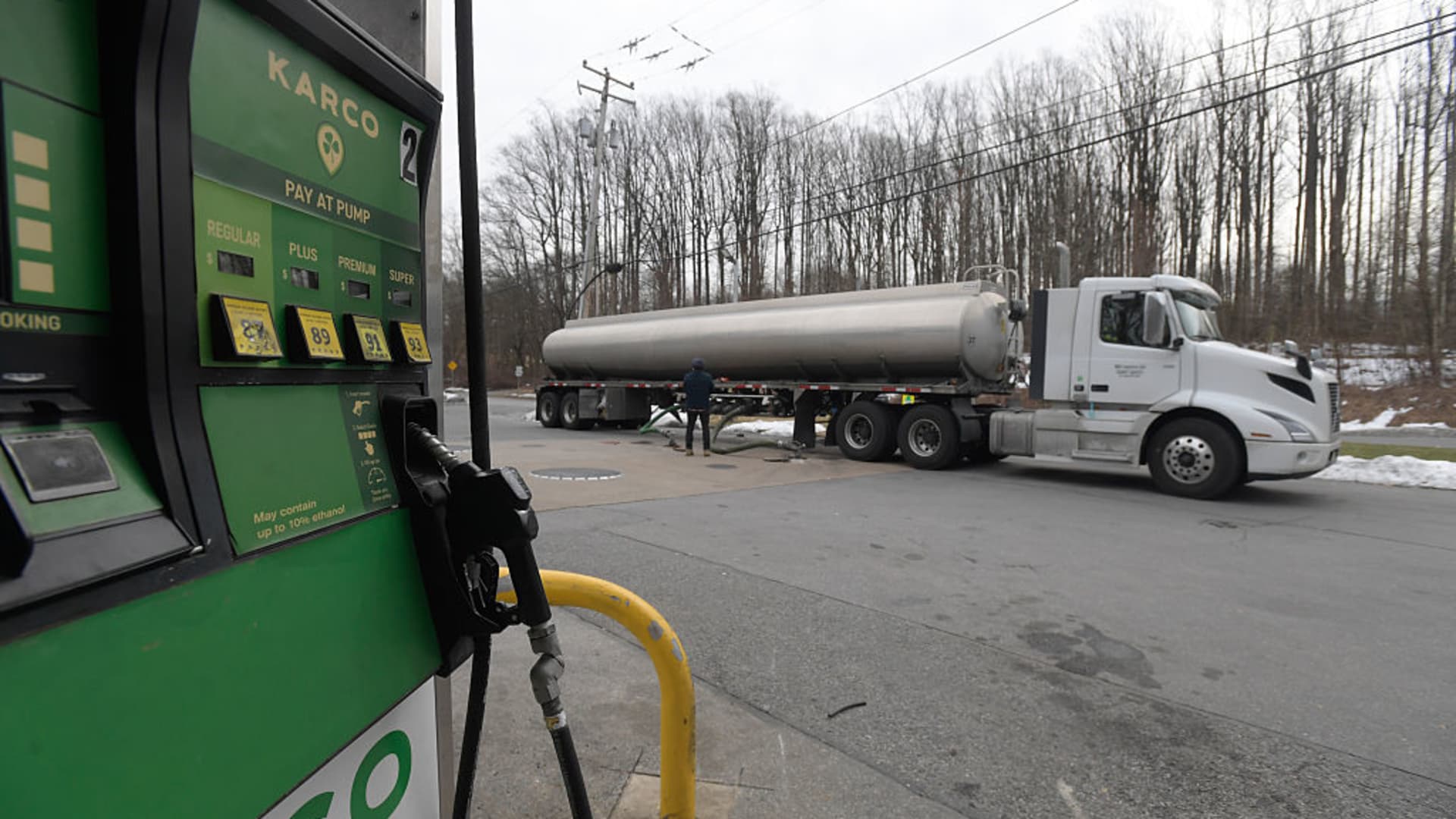
- Rising Energy Prices: The ongoing war in Iran has exacerbated conditions in the Strait of Hormuz, leading to rising oil prices that are expected to pressure consumer spending and increase production costs for companies, potentially impacting profitability.
- Inflation Data Focus: The Consumer Price Index (CPI) set to be released on Wednesday is projected to show a 2.4% year-over-year increase; however, due to the war's impact, the data may not accurately reflect the current economic situation, prompting investors to interpret it cautiously.
- Labor Market Tightness: The JOLTS report will reveal the tightness of the labor market, with the loss of 92,000 jobs in February raising concerns about potential future layoffs, particularly in the context of increasing AI adoption.
- Market Concerns Over Economic Outlook: The president of the Chicago Fed has warned of stagflation risks, as the dual pressures of rising oil prices and a weak labor market create a policy dilemma for the Fed, leaving the market uneasy about future economic trends.
Earnings Season Strong, Investors Eye AI-Driven Demand
- Earnings Season Dynamics: This week’s earnings season is strong, with retailers, tech giants, and AI winners taking center stage, as investors closely monitor how guidance and AI-driven demand will shape market direction.
- Oracle Cloud Infrastructure: Oracle Cloud Infrastructure (OCI) saw a 68% surge last quarter, and investors are keen to see if its massive $523 billion contract backlog is beginning to translate into realized revenue, particularly as capital expenditures soar.
- UiPath Earnings Expectations: UiPath is set to report after Wednesday’s close, with analysts expecting earnings of 26 cents per share on revenue of $464.49 million, as investors will focus on the durability of growth and profitability stabilization and the impact of AI on net new ARR.
- Adobe Earnings Outlook: Adobe anticipates earnings of $5.87 per share and revenue of approximately $6.28 billion, reflecting a year-over-year increase of about 10%, with investors watching how generative AI features drive upside in net new ARR and Digital Media growth.
Iran War Pressures Off-Price Retailers Amid Rising Oil Prices
- Oil Price Surge Impact: Since the onset of the U.S.-Iran conflict earlier this month, crude oil prices have surged to levels not seen since 2022, with WTI and Brent crude nearing $120 per barrel, leading to a 70 basis point decline in consumer spending among lower-income shoppers, exacerbating economic pressures.
- Retailer Pressure: According to Wolfe Research, off-price retailers like Dollar General and Walmart, which primarily serve low-income consumers, are expected to face greater pressure as rising oil prices may force these shoppers to tighten their budgets, impacting sales performance.
- Stock Price Declines: Dollar General's shares have fallen 5% over the past week, while Walmart and Advance Auto Parts have seen declines of nearly 3% and 7%, respectively, indicating a market sensitivity to rising energy prices and their impact on consumer confidence.
- Challenges from Import Dependence: Retailers reliant on Chinese imports, particularly in flooring and decor, may face significant headwinds as the Shanghai Containerized Index rises due to logistical issues in Southeast Asian ports, further complicating product shipments to the Middle East.
Surge in Oil Prices Triggers Market Turmoil
- Oil Price Surge: U.S. crude futures have surged above $100 per barrel for the first time since mid-2022, driven by Iran's threats to close the Strait of Hormuz, with a staggering 35.6% increase last week marking the largest weekly gain in futures history, which has directly impacted the stock market, leading to the Dow's worst week in nearly a year.
- Economic Pressure Intensifies: The rising oil prices have prompted Democrats to frame the conflict as a catalyst for increased living costs, potentially affecting the upcoming midterm elections negatively, while Republicans hope for a swift resolution to avoid economic fallout, highlighting the intersection of politics and economics.
- FDA Leadership Change: Vinay Prasad, the FDA's vaccine chief, announced his resignation effective at the end of April following widespread criticism of his decisions from the biotech and pharmaceutical sectors, illustrating the challenges and pressures regulatory bodies face in managing public health crises.
- Changing Canadian Consumption Trends: Canadians continue to boycott U.S. goods, with data indicating a shift towards domestic brands and increased local tourism spending, a trend that could significantly impact Canada's GDP and inflation rates in the long term.
Surge in Oil Prices Triggers Market Turmoil
- Oil Price Surge: U.S. crude futures have surpassed $100 per barrel for the first time since mid-2022, driven by output cuts from Iraq, Kuwait, and the UAE, which could have significant implications for the global economy.
- Economic Pressure Intensifies: The rising oil prices are being framed by Democrats as a threat to everyday Americans' living costs, potentially forcing the Trump administration to reconsider its stance on the Iran conflict ahead of the midterm elections.
- FDA Leadership Change: Vinay Prasad, the FDA's vaccine chief, announced his resignation effective at the end of April following widespread criticism of his decisions, which may impact the FDA's vaccine policies and public trust.
- Canadian Consumption Trends: Canadians continue to boycott U.S. goods, with data showing increased spending on domestic brands and tourism, which could affect Canada's GDP and inflation, indicating structural changes in the country's economy.
Key Focus This Week: Inflation and Labor Reports, Oracle, Hewlett Packard, Adobe, and More
Market Concerns: Wall Street is apprehensive about stagflation due to a surprising decline in nonfarm payrolls and rising oil prices.
Upcoming Data: Investors are anticipating significant data releases that will provide insights into price growth trends.
Iran War Impacts Economic Data and Markets
- Rising Energy Prices: The ongoing war in Iran has exacerbated conditions in the Strait of Hormuz, leading to rising oil prices that are expected to pressure consumer spending and increase production costs for companies, potentially impacting profitability.
- Inflation Data Focus: The Consumer Price Index (CPI) set to be released on Wednesday is projected to show a 2.4% year-over-year increase; however, due to the war's impact, the data may not accurately reflect the current economic situation, prompting investors to interpret it cautiously.
- Labor Market Tightness: The JOLTS report will reveal the tightness of the labor market, with the loss of 92,000 jobs in February raising concerns about potential future layoffs, particularly in the context of increasing AI adoption.
- Market Concerns Over Economic Outlook: The president of the Chicago Fed has warned of stagflation risks, as the dual pressures of rising oil prices and a weak labor market create a policy dilemma for the Fed, leaving the market uneasy about future economic trends.