ConocoPhillips Upgraded to Overweight by Wells Fargo

ConocoPhillips (COP) saw a price increase of 5.02% as it crossed above its 5-day SMA, indicating positive momentum despite broader market declines.
The stock's rise follows an upgrade from Wells Fargo, which raised its rating from Equal Weight to Overweight and set a new price target of $132. The upgrade is based on expectations of significant dividend growth potential, with forecasts indicating over $6 in cumulative dividend capacity growth from 2026 to 2029. Additionally, the anticipated startup of the Willow project in 2029 is expected to enhance free cash flow significantly, contributing approximately $4 billion in net change in the first year at $65 Brent prices.
This upgrade reflects a strong outlook for ConocoPhillips, positioning it favorably in a challenging market environment, especially as it continues to pursue organic growth through various projects, including Qatar LNG and Port Arthur LNG.
Trade with 70% Backtested Accuracy
Analyst Views on COP

About COP
About the author


Energy Stock Restructuring and Dividend Dynamics


- Oil Price Surge Impact: Brent crude oil prices have surged 70% this year, surpassing $100 per barrel, driving energy stocks higher and resulting in the Schwab U.S. Dividend Equity ETF (SCHD) gaining over 10% since the beginning of the year, significantly outperforming the S&P 500's decline of over 5%.
- Annual Reconstitution Adjustment: The Schwab U.S. Dividend Equity ETF recently completed its annual reconstitution, deleting 22 stocks and adding 25 new ones, with its energy allocation decreasing from 23.5% to 16.3%, indicating a reassessment of the energy market.
- Comparison of New and Old Holdings: The Schwab ETF exited three energy stocks—Valero, Haliburton, and Ovintiv—due to their slow dividend growth and yields below the fund's average of 3.4%, reflecting a stringent selection for high-yield stocks.
- New Potential Addition: Devon Energy, newly added to the fund, is expected to increase its dividend to $0.315 per share following its merger with Coterra Energy, raising its yield to 2.4% post-merger, thereby providing strong growth potential for the fund's returns.

Schwab U.S. Dividend ETF Reduces Energy Stock Exposure
- Energy Stock Reduction: The Schwab U.S. Dividend ETF has reduced its energy stock allocation from 23.5% to 16.3% post-annual reconstitution, reflecting a cautious stance towards future market volatility while still maintaining significant exposure to the sector.
- New Holdings Added: The fund has added Devon Energy with an initial allocation of 0.8%, which is expected to rise to 2.4% following its merger with Coterra Energy, indicating a preference for high-growth dividend stocks amidst changing market conditions.
- Dividend Growth Potential: Devon Energy plans to increase its quarterly dividend by 31% post-merger, enhancing its attractiveness, particularly against the backdrop of rising oil prices, which is expected to yield substantial returns for investors.
- Key Holdings Performance: Despite reducing energy stock exposure, the fund's top two holdings remain Chevron and ConocoPhillips, with allocations of 4.6% and 4.3%, respectively, both of which demonstrate strong dividend growth potential, likely to continue driving the fund's overall returns.

U.S. Treasury Yields Edge Lower Amid Fed Rate Outlook
- Yield Movements: The yield on the 10-year Treasury fell by over 2 basis points to 4.313%, while the 2-year and 30-year yields dropped to 3.803% and 4.892%, respectively, indicating a market reassessment of the Federal Reserve's interest rate outlook.
- Geopolitical Impact: The ongoing U.S.-Iran conflict continues to capture investor attention, with soaring oil prices raising inflation concerns and recession risks, thereby clouding the outlook for monetary policy and affecting market sentiment.
- Rate Expectations: According to the CME's FedWatch tool, money markets overwhelmingly price in no rate cuts from the Federal Reserve for the remainder of the year, reflecting a cautious investor stance on future monetary policy.
- Economic Data Focus: Investors will closely monitor the upcoming February JOLTs job openings data, set to be released at 10 a.m. ET, which could further influence market sentiment.

South Korea Proposes ₩26.2 Trillion Budget to Address Energy Crisis
- Budget Proposal: The South Korean government has proposed a supplementary budget of ₩26.2 trillion (approximately $17.1 billion) to address rising energy prices due to the Middle East conflict, aiming to alleviate economic pressure on households and industries.
- Key Measures: Of this, ₩10.1 trillion will be specifically allocated to ease high oil prices, alongside support for exporters and increased grants to local governments, all aimed at fostering economic recovery.
- Need for Fiscal Support: Minister of Planning and Budget Park Hong-geun emphasized the necessity of swift fiscal support to alleviate hardships faced by citizens, ensuring that the momentum of economic recovery is not lost.
- Funding Sources: The budget will be financed through tax revenues from booming chip exports and a rally in the stock market, with expectations for parliamentary approval by April 10, reflecting the government's strong commitment to economic stability.
Trump Considers Ending War in Iran Amid Oil Price Fluctuations

- Oil Price Fluctuations: Oil prices reversed course as traders reacted to Trump's statements about potentially ending U.S. operations against Iran, with WTI futures dropping 0.72% to $102.14 per barrel and Brent crude falling 1% to $111.55, indicating market sensitivity to geopolitical risks.
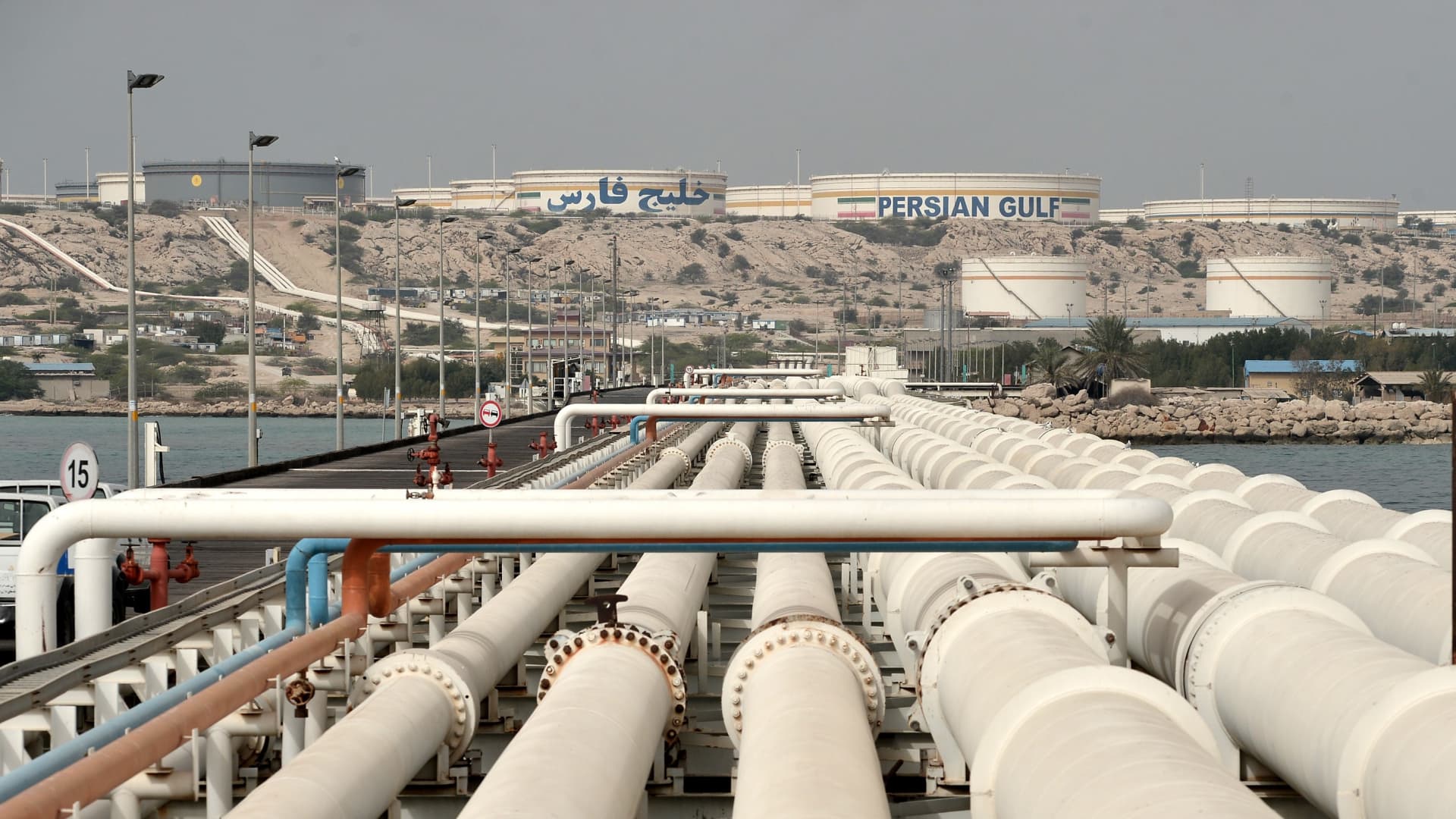
- Escalating Military Threats: Trump threatened to attack Iran's energy infrastructure if Tehran does not reopen the Strait of Hormuz, which could escalate regional tensions and disrupt global energy supply chains, reflecting the precarious balance of power in the region.
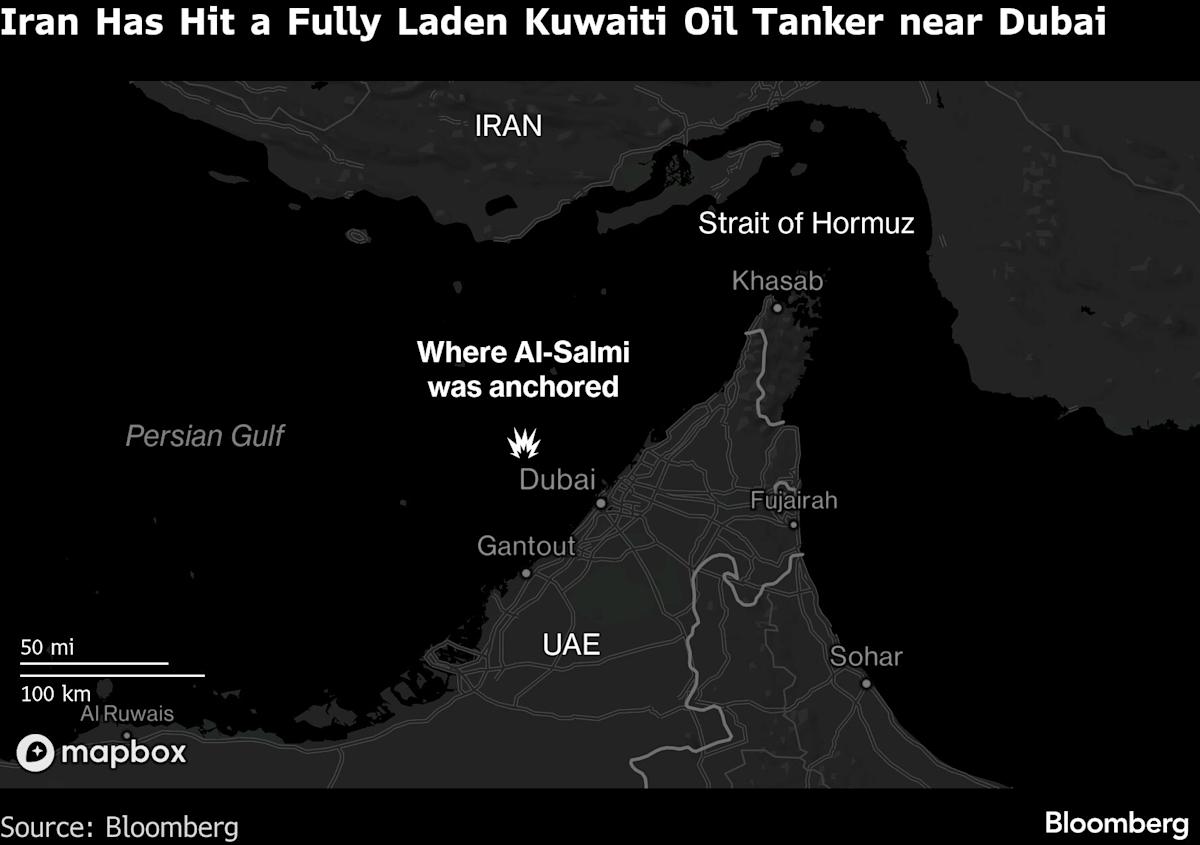
- Ongoing Conflict: The Iran war has entered its fifth week, with Tehran striking a fully laden Kuwaiti oil tanker, prompting firefighting operations in Dubai's port, although no injuries were reported, highlighting the conflict's expanding impact on maritime security.
- Ground Troop Considerations: Trump is reportedly weighing the option of deploying ground forces to seize Kharg Island, a critical fuel hub, which could increase U.S. casualties and extend the war's duration and costs, raising concerns among experts about the potential consequences of such actions.

Strait of Hormuz Closure Triggers Oil Price Shock

- Energy Supply Crisis: The closure of the Strait of Hormuz significantly reduces global oil and natural gas supplies, leading to anticipated fuel shortages in regions like Europe, India, and East Asia, which in turn drives up oil prices and heightens market anxiety.
- Historical Parallel: This situation echoes the 1973 oil embargo when prices surged from $2.90 to $11.35 per barrel, resulting in recession and stagflation, with the stock market crashing by 50%, serving as a cautionary tale for today's economic landscape.
- Market Environment Shift: Unlike in 1973, the current global oil market is less reliant on Middle Eastern supplies, with the U.S. now the world's largest oil and gas producer, and a more diverse energy consumption landscape makes the impact of rising oil prices more manageable.
- Investment Strategy Advice: In light of a potential Middle East-induced energy crisis, investors are advised to focus on energy producers with significant exposure to more secure regions like the U.S., such as ConocoPhillips, Occidental Petroleum, and Diamondback Energy, to hedge their portfolios effectively.
Energy Stock Restructuring and Dividend Dynamics
- Oil Price Surge Impact: Brent crude oil prices have surged 70% this year, surpassing $100 per barrel, driving energy stocks higher and resulting in the Schwab U.S. Dividend Equity ETF (SCHD) gaining over 10% since the beginning of the year, significantly outperforming the S&P 500's decline of over 5%.
- Annual Reconstitution Adjustment: The Schwab U.S. Dividend Equity ETF recently completed its annual reconstitution, deleting 22 stocks and adding 25 new ones, with its energy allocation decreasing from 23.5% to 16.3%, indicating a reassessment of the energy market.
- Comparison of New and Old Holdings: The Schwab ETF exited three energy stocks—Valero, Haliburton, and Ovintiv—due to their slow dividend growth and yields below the fund's average of 3.4%, reflecting a stringent selection for high-yield stocks.
- New Potential Addition: Devon Energy, newly added to the fund, is expected to increase its dividend to $0.315 per share following its merger with Coterra Energy, raising its yield to 2.4% post-merger, thereby providing strong growth potential for the fund's returns.
Schwab U.S. Dividend ETF Reduces Energy Stock Exposure
- Energy Stock Reduction: The Schwab U.S. Dividend ETF has reduced its energy stock allocation from 23.5% to 16.3% post-annual reconstitution, reflecting a cautious stance towards future market volatility while still maintaining significant exposure to the sector.
- New Holdings Added: The fund has added Devon Energy with an initial allocation of 0.8%, which is expected to rise to 2.4% following its merger with Coterra Energy, indicating a preference for high-growth dividend stocks amidst changing market conditions.
- Dividend Growth Potential: Devon Energy plans to increase its quarterly dividend by 31% post-merger, enhancing its attractiveness, particularly against the backdrop of rising oil prices, which is expected to yield substantial returns for investors.
- Key Holdings Performance: Despite reducing energy stock exposure, the fund's top two holdings remain Chevron and ConocoPhillips, with allocations of 4.6% and 4.3%, respectively, both of which demonstrate strong dividend growth potential, likely to continue driving the fund's overall returns.
U.S. Treasury Yields Edge Lower Amid Fed Rate Outlook
- Yield Movements: The yield on the 10-year Treasury fell by over 2 basis points to 4.313%, while the 2-year and 30-year yields dropped to 3.803% and 4.892%, respectively, indicating a market reassessment of the Federal Reserve's interest rate outlook.
- Geopolitical Impact: The ongoing U.S.-Iran conflict continues to capture investor attention, with soaring oil prices raising inflation concerns and recession risks, thereby clouding the outlook for monetary policy and affecting market sentiment.
- Rate Expectations: According to the CME's FedWatch tool, money markets overwhelmingly price in no rate cuts from the Federal Reserve for the remainder of the year, reflecting a cautious investor stance on future monetary policy.
- Economic Data Focus: Investors will closely monitor the upcoming February JOLTs job openings data, set to be released at 10 a.m. ET, which could further influence market sentiment.
South Korea Proposes ₩26.2 Trillion Budget to Address Energy Crisis
- Budget Proposal: The South Korean government has proposed a supplementary budget of ₩26.2 trillion (approximately $17.1 billion) to address rising energy prices due to the Middle East conflict, aiming to alleviate economic pressure on households and industries.
- Key Measures: Of this, ₩10.1 trillion will be specifically allocated to ease high oil prices, alongside support for exporters and increased grants to local governments, all aimed at fostering economic recovery.
- Need for Fiscal Support: Minister of Planning and Budget Park Hong-geun emphasized the necessity of swift fiscal support to alleviate hardships faced by citizens, ensuring that the momentum of economic recovery is not lost.
- Funding Sources: The budget will be financed through tax revenues from booming chip exports and a rally in the stock market, with expectations for parliamentary approval by April 10, reflecting the government's strong commitment to economic stability.
Trump Considers Ending War in Iran Amid Oil Price Fluctuations
- Oil Price Fluctuations: Oil prices reversed course as traders reacted to Trump's statements about potentially ending U.S. operations against Iran, with WTI futures dropping 0.72% to $102.14 per barrel and Brent crude falling 1% to $111.55, indicating market sensitivity to geopolitical risks.
- Escalating Military Threats: Trump threatened to attack Iran's energy infrastructure if Tehran does not reopen the Strait of Hormuz, which could escalate regional tensions and disrupt global energy supply chains, reflecting the precarious balance of power in the region.
- Ongoing Conflict: The Iran war has entered its fifth week, with Tehran striking a fully laden Kuwaiti oil tanker, prompting firefighting operations in Dubai's port, although no injuries were reported, highlighting the conflict's expanding impact on maritime security.
- Ground Troop Considerations: Trump is reportedly weighing the option of deploying ground forces to seize Kharg Island, a critical fuel hub, which could increase U.S. casualties and extend the war's duration and costs, raising concerns among experts about the potential consequences of such actions.
Strait of Hormuz Closure Triggers Oil Price Shock
- Energy Supply Crisis: The closure of the Strait of Hormuz significantly reduces global oil and natural gas supplies, leading to anticipated fuel shortages in regions like Europe, India, and East Asia, which in turn drives up oil prices and heightens market anxiety.
- Historical Parallel: This situation echoes the 1973 oil embargo when prices surged from $2.90 to $11.35 per barrel, resulting in recession and stagflation, with the stock market crashing by 50%, serving as a cautionary tale for today's economic landscape.
- Market Environment Shift: Unlike in 1973, the current global oil market is less reliant on Middle Eastern supplies, with the U.S. now the world's largest oil and gas producer, and a more diverse energy consumption landscape makes the impact of rising oil prices more manageable.
- Investment Strategy Advice: In light of a potential Middle East-induced energy crisis, investors are advised to focus on energy producers with significant exposure to more secure regions like the U.S., such as ConocoPhillips, Occidental Petroleum, and Diamondback Energy, to hedge their portfolios effectively.