Coeur Mining Stock Declines Amid Falling Gold Prices
Coeur Mining, Inc. shares fell by 6.3% to $22.11, hitting a 20-day low, as gold prices declined amid rising inflation concerns.
The U.S. Bureau of Labor Statistics reported a 2.4% increase in the Consumer Price Index (CPI) for February, raising fears of inflation that could negatively impact gold prices. As gold prices fell by 1.3% to $5,174 per ounce, Coeur Mining's stock faced pressure due to its reliance on these precious metals. Analysts suggest that the stock's appeal diminishes amid these inflationary pressures and unstable gold prices, leading to a recommendation for investors to consider other gold stocks.
The decline in Coeur Mining's stock reflects broader market concerns about profitability in the face of falling commodity prices, indicating potential challenges ahead for the company.
Trade with 70% Backtested Accuracy
Analyst Views on CDE

About CDE
About the author


Nord Precious Metals Acquires High-Grade Silver Mining Area

- Historic Acquisition: Nord Precious Metals has acquired four mining leases in the Gowganda Silver Camp, consolidating nearly 4 kilometers of historic boundary, which is expected to drive new mineralization discoveries and enhance production potential.
- Surging Silver Prices: Silver prices surpassed $100 for the first time in 2026, reaching a historic high of $121.67 in January, driving demand for high-grade mining areas and likely accelerating mining investments.
- Significant Resource Potential: The acquired leases host a historical NI 43-101 indicated tailings resource of approximately 1.94 million tonnes grading 47.5 g/t Ag, expected to yield about 2.96 million ounces of silver, indicating substantial economic value.
- Infrastructure Advantage: Nord already possesses a permitted high-grade milling facility and a 600-ton-per-day gravity plant, enabling rapid tailings recovery, which is anticipated to expedite project advancement and enhance profitability.

Nord Precious Metals Acquires High-Grade Silver Mining Leases
- Historic Acquisition: Nord Precious Metals has consolidated nearly 4 kilometers of historic property boundaries in the Gowganda Silver Camp by acquiring four mining leases, encompassing three past-producing mines that collectively yielded over 42 million ounces of silver, significantly enhancing the company's resource base and future extraction potential.
- Surging Silver Prices: Silver prices soared above $100 per ounce for the first time in 2026, reaching a historic high of $121.67 on January 29, which has driven demand for high-grade mining areas, making Nord's acquisition strategically significant in strengthening its market competitiveness.
- Modern Exploration Techniques: Utilizing a 3D geological model developed from 75,000 meters of historical drilling data, Nord has identified 29 discrete vein structures and plans to conduct new exploration across the consolidated land package, aiming to uncover additional mineralization opportunities.
- Infrastructure Advantage: With the only permitted high-grade milling facility and a 600-ton-per-day gravity plant in place, Nord is poised to accelerate the development and production of its silver assets, thereby enhancing its position within the silver mining sector.

Global Stock Markets Surge on Iran Ceasefire Agreement


- Market Sentiment Rebound: Global stock markets surged on Wednesday as the US and Iran agreed to a two-week ceasefire, with the S&P 500 rising 2.51%, the Dow Jones up 2.85%, and the Nasdaq 100 increasing by 2.90%, reflecting a positive market response to easing geopolitical tensions.
- Crude Oil Price Plunge: The ceasefire news led to a more than 15% drop in crude oil prices to a 1.5-week low, alleviating inflation concerns and sparking a rally in global government bond markets, with the German 10-year Bund yield falling to a 3-week low, indicating a more optimistic outlook for the economy.
- Fed Policy Expectations: Although the market discounts only a 1% chance of a 25 bp rate hike at the upcoming April 28-29 FOMC meeting, the minutes from the March FOMC indicated heightened concerns among participants regarding upside risks to inflation and downside risks to employment, suggesting a more cautious approach to future monetary policy.
- Strong Tech Stock Performance: Chipmakers and AI infrastructure stocks saw significant gains on Wednesday, with Intel rising over 11%, driving the Nasdaq 100's increase, highlighting the tech sector's crucial role in the market recovery and further boosting investor confidence in technology stocks.
Coeur Mining to Report Q1 2026 Results on May 6, 2026
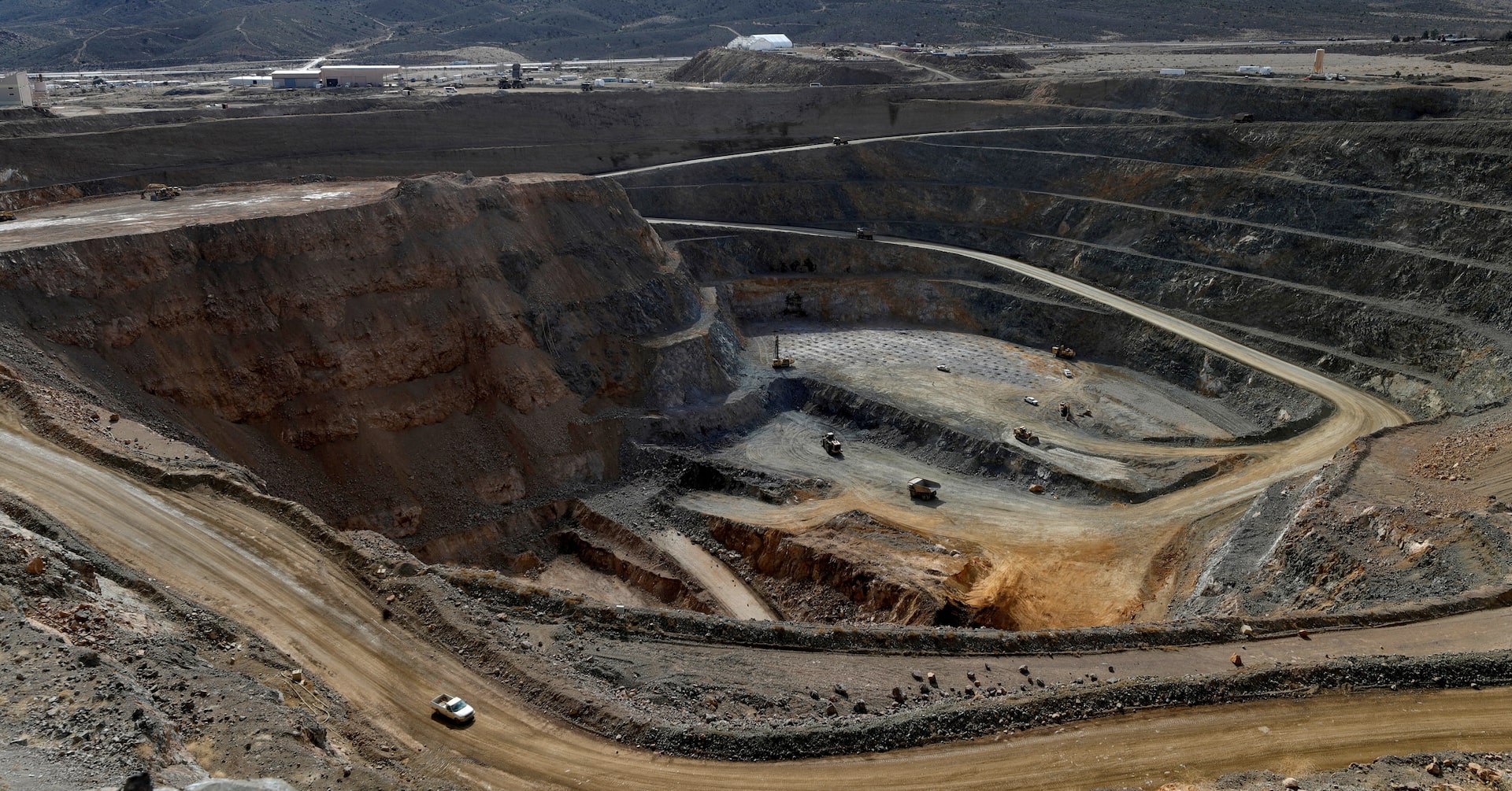
- Earnings Report Schedule: Coeur Mining will release its Q1 2026 operational and financial results after the NYSE closes on May 6, 2026, providing investors with the latest performance data.
- Conference Call Timing: The company will host a conference call on May 7, 2026, at 11:00 a.m. ET, led by Chairman and CEO Mitchell J. Krebs, with executive team participation to bolster investor confidence in future developments.
- Replay Information: A replay of the conference call will be available until May 14, 2026, allowing investors who cannot attend live to access critical information through designated replay numbers.
- Company Overview: Coeur Mining is a diversified precious metals producer with seven wholly-owned operations across key North American mining regions, showcasing the company's robust strength and growth potential in the precious metals sector.

Global Stock Markets Surge on Iran Ceasefire Agreement
- Market Sentiment Rebounds: Global stock markets surged as the US and Iran agreed to a two-week ceasefire, with the S&P 500 rising 2.04%, the Dow Jones up 2.25%, and the Nasdaq 100 increasing by 2.52%, indicating a renewed investor confidence in risk assets.
- Crude Oil Price Plunge: The ceasefire news led to a more than 15% drop in crude oil prices to a 1.5-week low, alleviating inflation concerns and sparking a rally in global government bond markets, with the German 10-year Bund yield falling to a 3-week low, reflecting market expectations of a potential economic slowdown.
- US Treasury Yields Decline: The 10-year US Treasury yield fell to 4.228%, a 3-week low, as concerns over inflation eased, indicating increased demand for safe-haven assets, while also supporting the upcoming $39 billion auction of 10-year notes.
- Strong Performance in Tech Stocks: Amid the positive market sentiment, technology stocks performed strongly, with Amazon, Meta, and Alphabet all rising over 3%, showcasing sustained investor confidence in the tech sector, which may drive future investment inflows.

Global Stock Markets Surge on Iran Ceasefire Agreement
- Market Rally: The S&P 500 rose by 2.35%, the Dow Jones by 2.78%, and the Nasdaq 100 by 2.89%, all reaching four-week highs, reflecting optimistic market sentiment following the easing of geopolitical tensions.
- Crude Oil Plunge: Crude oil prices fell over 17% to a 1.5-week low after the US and Iran agreed to a two-week ceasefire, alleviating inflation concerns and sparking a rally in global government bond markets.
- Declining Bond Yields: The 10-year US Treasury yield dropped to a three-week low of 4.228%, as easing inflation worries are expected to influence future monetary policy, particularly ahead of the upcoming FOMC meeting.
- Airline Stocks Surge: With lower fuel costs, Alaska Air Group surged over 16% and Carnival Cruises rose over 13%, indicating a positive impact of falling oil prices on the airline and cruise industries, potentially enhancing overall profitability.
Nord Precious Metals Acquires High-Grade Silver Mining Area
- Historic Acquisition: Nord Precious Metals has acquired four mining leases in the Gowganda Silver Camp, consolidating nearly 4 kilometers of historic boundary, which is expected to drive new mineralization discoveries and enhance production potential.
- Surging Silver Prices: Silver prices surpassed $100 for the first time in 2026, reaching a historic high of $121.67 in January, driving demand for high-grade mining areas and likely accelerating mining investments.
- Significant Resource Potential: The acquired leases host a historical NI 43-101 indicated tailings resource of approximately 1.94 million tonnes grading 47.5 g/t Ag, expected to yield about 2.96 million ounces of silver, indicating substantial economic value.
- Infrastructure Advantage: Nord already possesses a permitted high-grade milling facility and a 600-ton-per-day gravity plant, enabling rapid tailings recovery, which is anticipated to expedite project advancement and enhance profitability.
Nord Precious Metals Acquires High-Grade Silver Mining Leases
- Historic Acquisition: Nord Precious Metals has consolidated nearly 4 kilometers of historic property boundaries in the Gowganda Silver Camp by acquiring four mining leases, encompassing three past-producing mines that collectively yielded over 42 million ounces of silver, significantly enhancing the company's resource base and future extraction potential.
- Surging Silver Prices: Silver prices soared above $100 per ounce for the first time in 2026, reaching a historic high of $121.67 on January 29, which has driven demand for high-grade mining areas, making Nord's acquisition strategically significant in strengthening its market competitiveness.
- Modern Exploration Techniques: Utilizing a 3D geological model developed from 75,000 meters of historical drilling data, Nord has identified 29 discrete vein structures and plans to conduct new exploration across the consolidated land package, aiming to uncover additional mineralization opportunities.
- Infrastructure Advantage: With the only permitted high-grade milling facility and a 600-ton-per-day gravity plant in place, Nord is poised to accelerate the development and production of its silver assets, thereby enhancing its position within the silver mining sector.
Global Stock Markets Surge on Iran Ceasefire Agreement
- Market Sentiment Rebound: Global stock markets surged on Wednesday as the US and Iran agreed to a two-week ceasefire, with the S&P 500 rising 2.51%, the Dow Jones up 2.85%, and the Nasdaq 100 increasing by 2.90%, reflecting a positive market response to easing geopolitical tensions.
- Crude Oil Price Plunge: The ceasefire news led to a more than 15% drop in crude oil prices to a 1.5-week low, alleviating inflation concerns and sparking a rally in global government bond markets, with the German 10-year Bund yield falling to a 3-week low, indicating a more optimistic outlook for the economy.
- Fed Policy Expectations: Although the market discounts only a 1% chance of a 25 bp rate hike at the upcoming April 28-29 FOMC meeting, the minutes from the March FOMC indicated heightened concerns among participants regarding upside risks to inflation and downside risks to employment, suggesting a more cautious approach to future monetary policy.
- Strong Tech Stock Performance: Chipmakers and AI infrastructure stocks saw significant gains on Wednesday, with Intel rising over 11%, driving the Nasdaq 100's increase, highlighting the tech sector's crucial role in the market recovery and further boosting investor confidence in technology stocks.
Coeur Mining to Report Q1 2026 Results on May 6, 2026
- Earnings Report Schedule: Coeur Mining will release its Q1 2026 operational and financial results after the NYSE closes on May 6, 2026, providing investors with the latest performance data.
- Conference Call Timing: The company will host a conference call on May 7, 2026, at 11:00 a.m. ET, led by Chairman and CEO Mitchell J. Krebs, with executive team participation to bolster investor confidence in future developments.
- Replay Information: A replay of the conference call will be available until May 14, 2026, allowing investors who cannot attend live to access critical information through designated replay numbers.
- Company Overview: Coeur Mining is a diversified precious metals producer with seven wholly-owned operations across key North American mining regions, showcasing the company's robust strength and growth potential in the precious metals sector.
Global Stock Markets Surge on Iran Ceasefire Agreement
- Market Sentiment Rebounds: Global stock markets surged as the US and Iran agreed to a two-week ceasefire, with the S&P 500 rising 2.04%, the Dow Jones up 2.25%, and the Nasdaq 100 increasing by 2.52%, indicating a renewed investor confidence in risk assets.
- Crude Oil Price Plunge: The ceasefire news led to a more than 15% drop in crude oil prices to a 1.5-week low, alleviating inflation concerns and sparking a rally in global government bond markets, with the German 10-year Bund yield falling to a 3-week low, reflecting market expectations of a potential economic slowdown.
- US Treasury Yields Decline: The 10-year US Treasury yield fell to 4.228%, a 3-week low, as concerns over inflation eased, indicating increased demand for safe-haven assets, while also supporting the upcoming $39 billion auction of 10-year notes.
- Strong Performance in Tech Stocks: Amid the positive market sentiment, technology stocks performed strongly, with Amazon, Meta, and Alphabet all rising over 3%, showcasing sustained investor confidence in the tech sector, which may drive future investment inflows.
Global Stock Markets Surge on Iran Ceasefire Agreement
- Market Rally: The S&P 500 rose by 2.35%, the Dow Jones by 2.78%, and the Nasdaq 100 by 2.89%, all reaching four-week highs, reflecting optimistic market sentiment following the easing of geopolitical tensions.
- Crude Oil Plunge: Crude oil prices fell over 17% to a 1.5-week low after the US and Iran agreed to a two-week ceasefire, alleviating inflation concerns and sparking a rally in global government bond markets.
- Declining Bond Yields: The 10-year US Treasury yield dropped to a three-week low of 4.228%, as easing inflation worries are expected to influence future monetary policy, particularly ahead of the upcoming FOMC meeting.
- Airline Stocks Surge: With lower fuel costs, Alaska Air Group surged over 16% and Carnival Cruises rose over 13%, indicating a positive impact of falling oil prices on the airline and cruise industries, potentially enhancing overall profitability.