Carlyle Group to Acquire 45% Stake in Edelweiss's Nido Home Finance

Carlyle Group Inc's stock fell 3.25% and hit a 20-day low amid a broader market decline, with the Nasdaq-100 down 1.74% and the S&P 500 down 1.10%.
The company announced its plan to acquire a 45% stake in Edelweiss Financial's Nido Home Finance for approximately $232 million, marking a significant entry into India's housing finance market. This strategic acquisition is expected to enhance Edelweiss's capital base and drive innovation and business expansion, reflecting Carlyle's long-term commitment to the Indian market.
This acquisition not only positions Carlyle for growth in a rapidly expanding sector but also indicates a proactive approach to diversifying its investment portfolio, potentially mitigating risks associated with current market volatility.
Trade with 70% Backtested Accuracy
Analyst Views on CG

About CG
About the author

Midday Stock Movements of Major Companies

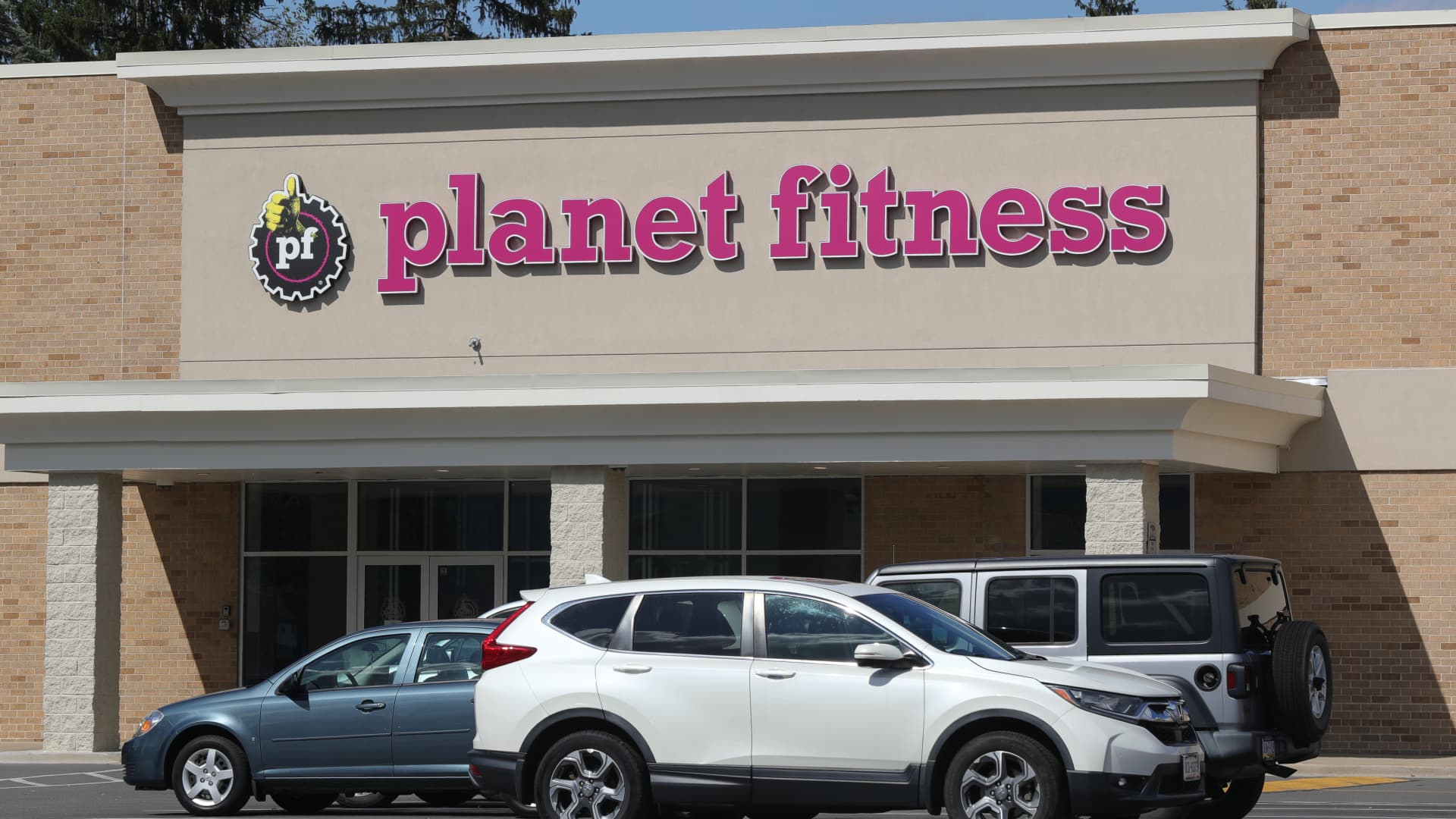
- Planet Fitness Earnings Downgrade: Planet Fitness shares fell nearly 33% after the gym operator lowered its full-year earnings outlook, now projecting only a 4% year-over-year growth, down from a previous forecast of 9%-10%, which negatively impacts market confidence.
- Vital Farms Surprise Loss: Vital Farms, the egg producer, dropped 20% following a surprise loss of 3 cents per share in Q1, against analyst expectations of a 6-cent profit, and the company also cut its full-year earnings outlook, indicating increasing industry pressures.
- Datadog Exceeds Expectations: Datadog shares surged 28% after reporting Q1 earnings of 61 cents per share, surpassing the 51-cent consensus, with Q2 revenue guidance between $1.07 billion and $1.08 billion, reflecting strong market demand.
- AAON Revenue Surge: AAON, the air conditioning and heating equipment manufacturer, saw its shares soar 40% after Q1 earnings, EBITDA, and revenue all exceeded Wall Street estimates, raising its full-year revenue guidance by as much as 45%, showcasing robust growth potential.
Carlyle Group Q1 2026 Earnings Call Highlights
- Performance Highlights: Carlyle Group reported over $12 billion in buyout realizations for Q1 2026, attracting $13 billion in new capital, demonstrating strong market demand and investor confidence, which further solidifies its leadership position in the private equity sector.
- Inflows and Management Fees: Management fees reached $545 million, up 4% year-over-year, reflecting the company's sustained growth in asset management, which is expected to support future earnings growth, particularly driven by diversified investment strategies.
- Innovative Investment Solutions: The company launched a first-of-its-kind investment solution anchored by a $5 billion commitment, marking its innovative capability in the private equity market, which is expected to attract more investors and enhance the company's competitive edge.
- Future Outlook: Carlyle Group anticipates achieving $200 billion in inflows and over $6 per share in distributable earnings by the end of 2028, showcasing management's confidence in future growth while reflecting strategic planning in navigating market uncertainties.
Market Dynamics and Company Performance Analysis


- Calm Market Conditions: Stock futures are stable this morning with oil prices down approximately 5%, following another record close for the S&P 500, driven by hopes for an end to the Iran war, although the market is inching towards overbought territory according to momentum indicators.
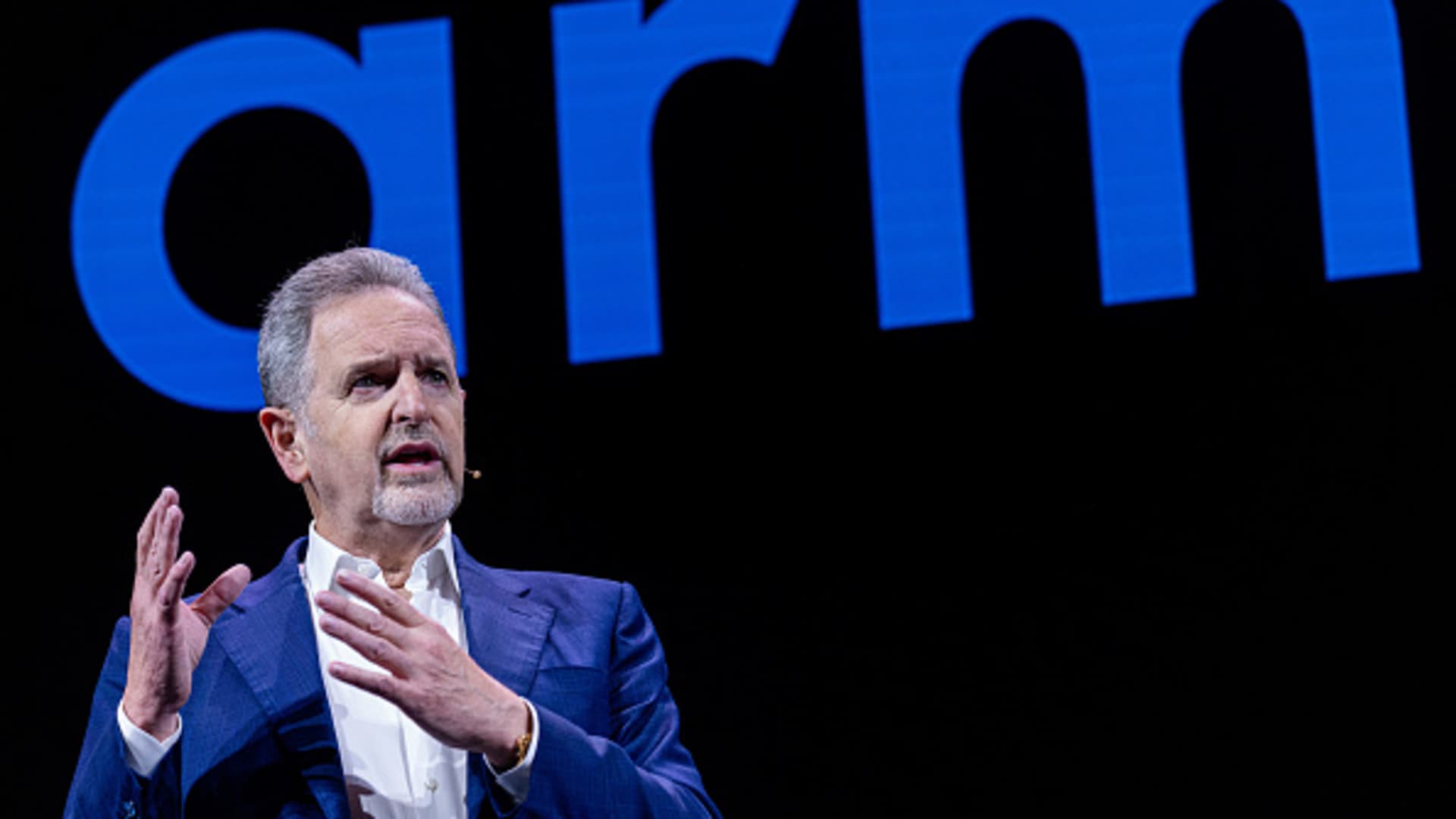
- Arm Holdings Earnings Report: Despite a strong earnings report from Arm Holdings showcasing robust data center CPU business, shares fell 8% this morning due to insufficient supply of new CPUs to raise revenue forecasts, even though they are more power-efficient than AMD and Intel's x86 processors.
- Fortinet Share Surge: Fortinet's stock surged 15% after delivering outstanding quarterly results, prompting BTIG analysts to upgrade the stock from hold to buy, with Fortinet commanding 50% of the global firewall market, boosting the performance of other cybersecurity stocks as well.
- Kraft Heinz Recovery Plan: Although Kraft Heinz has struggled for years, CEO Steve Cahillane is investing in brands like Kraft mac and cheese to restore the company's former glory, aiming to win back consumers and drive growth, reflecting confidence in future prospects.

Carlyle Group Q1 Earnings Miss Expectations
- Earnings Performance: Carlyle Group reported a Q1 non-GAAP EPS of $0.89, missing expectations by $0.03, indicating challenges faced by the company in the current economic environment, which may impact investor confidence.
- Market Opportunities: Despite concerns in private credit, Carlyle views this as an investment opportunity, suggesting the company is seeking growth potential in adversity, which may attract risk-tolerant investors.
- Shareholder Call: In the latest shareholder/analyst call, Carlyle discussed its strategic direction, emphasizing the importance of maintaining flexibility in uncertain markets to navigate potential volatility.
- Portfolio Adjustments: East 72 Dynasty Trust exited its holdings in Carlyle, Vivendi, and others in Q1, reflecting a cautious attitude among investors regarding market prospects, which could affect Carlyle's stock performance.
Fast Food Giants Show Mixed Earnings Results


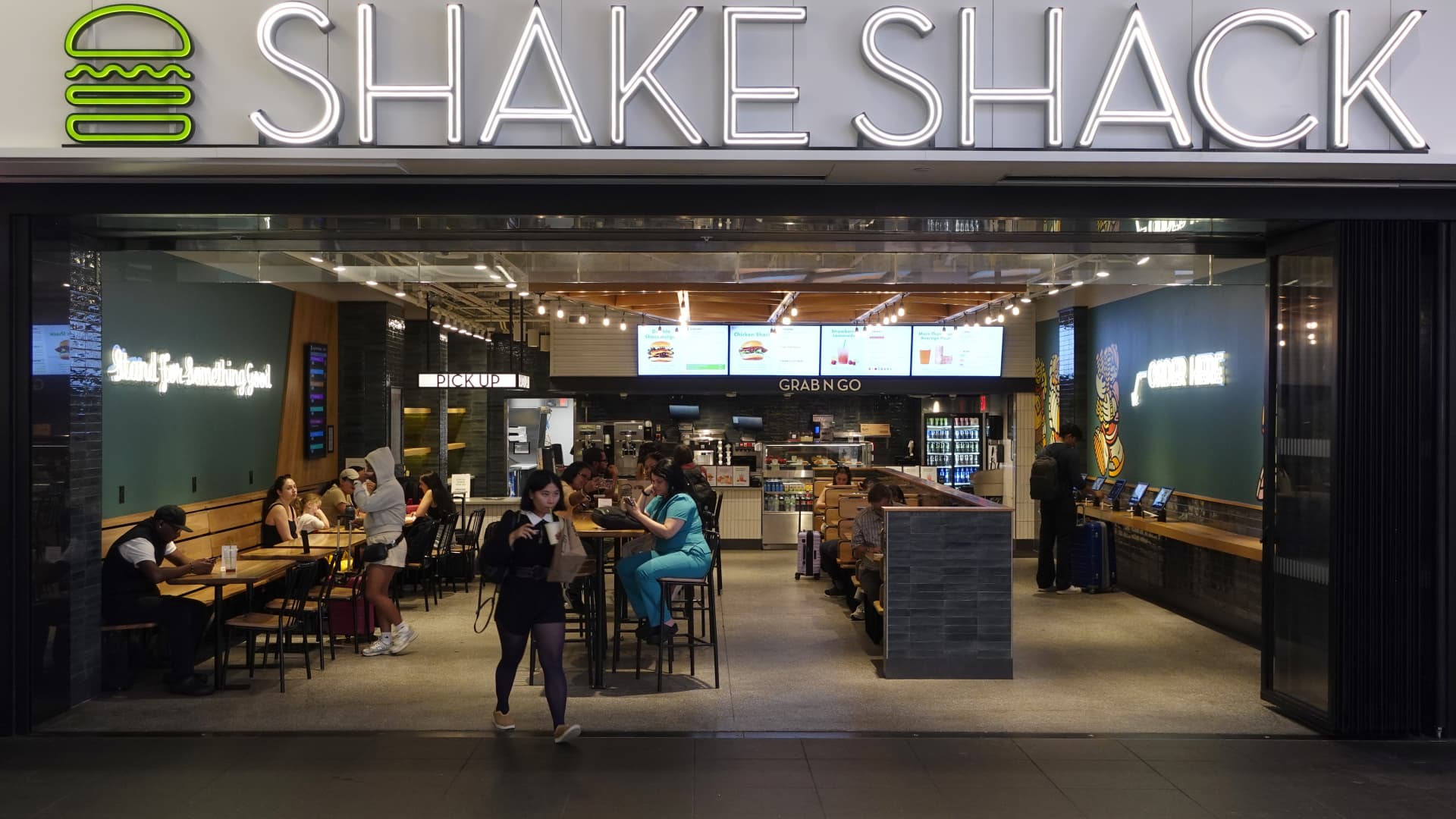
- Shake Shack's Poor Performance: Shake Shack reported first-quarter revenue of $366.7 million, falling short of the $372 million consensus estimate, leading to a 17% drop in shares and an operating loss of $2.6 million, highlighting pressures in the competitive fast-food market.
- McDonald's Beats Expectations: McDonald's posted adjusted earnings of $2.83 per share for the first quarter, exceeding the $2.74 expected by analysts, with revenue of $6.52 billion slightly above the $6.47 billion consensus, resulting in a 3.2% increase in shares, reflecting strong market performance.
- Whirlpool Cuts Guidance: Whirlpool lowered its full-year adjusted earnings forecast to a range of $3 to $3.50 per share on revenue of approximately $15 billion, down from previous guidance of $6 per share and $15.3 billion to $15.6 billion, causing an 18% drop in shares and indicating industry challenges.
- DoorDash's Optimistic Guidance: DoorDash anticipates second-quarter marketplace gross order value between $32.4 billion and $33.4 billion, surpassing the $32.43 billion expected by analysts, with first-quarter earnings of $0.42 per share exceeding the $0.36 forecast, leading to a 10% rise in shares and showcasing growth potential.
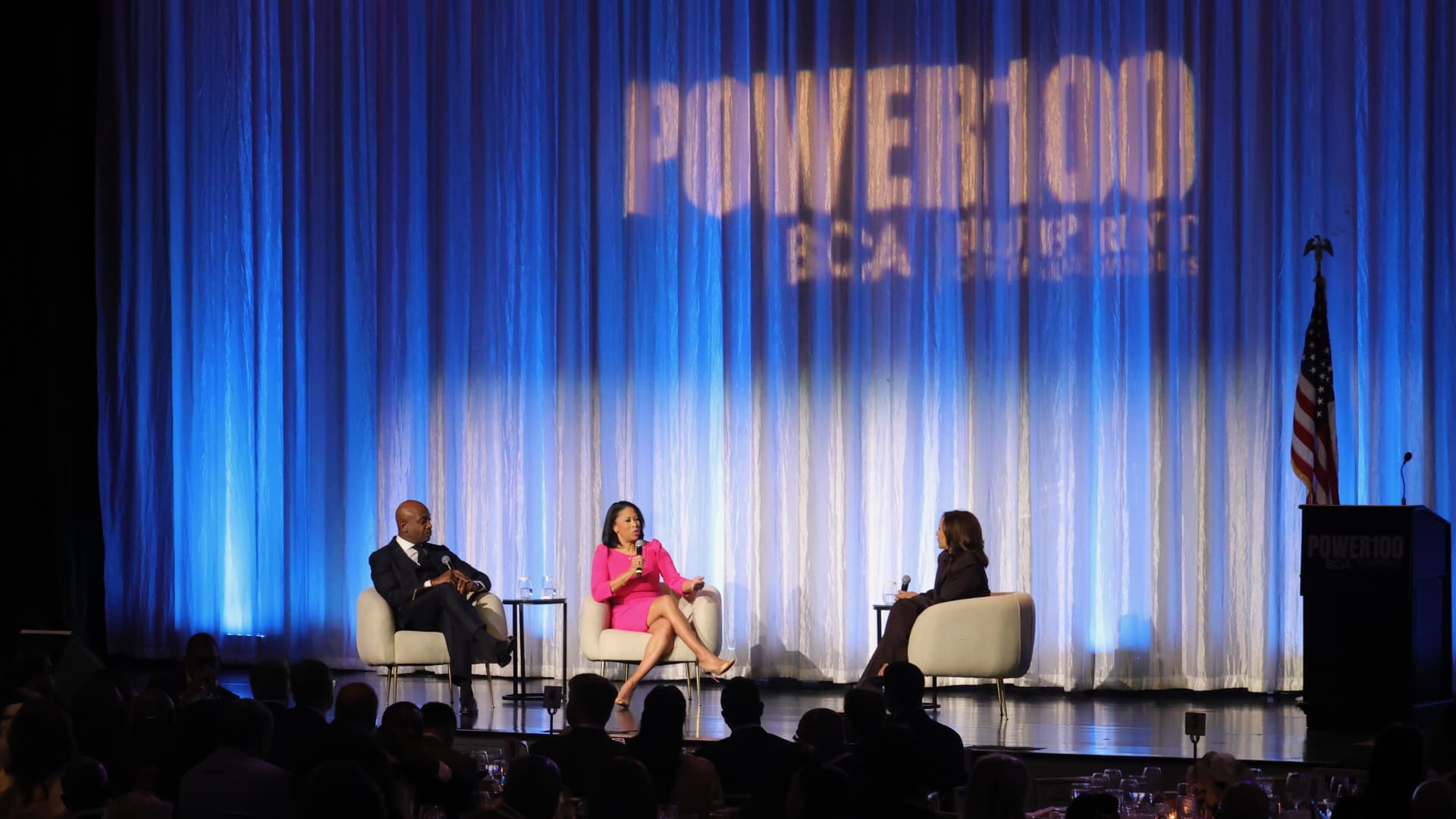
Diverse Leadership Reshapes Capital Management Landscape
- Capital Flow Trends: The 2026 Power100 gathering attracted representatives from firms capable of allocating approximately $24 trillion, a significant increase from over $15 trillion in 2025, indicating a growing focus on diverse managers that could drive capital towards more innovative projects.
- Impact of DEI Policies: Attendees expressed concerns over the Trump administration's DEI policies, which they believe have led to a decline in capital flowing to women and people of color, highlighting the importance of redefining success in the current environment.
- Networking Opportunities: The event not only provided opportunities to engage with industry leaders but also emphasized the inclusion of smaller investment firms and younger managers, aiming to accelerate their development in future capital markets.
- Economic Growth Potential: Attendees like former Federal Reserve Vice Chair Roger Ferguson stressed the necessity of directing capital towards great ideas, asserting that regardless of gender or appearance, excellent ideas should be supported to foster economic growth.
Midday Stock Movements of Major Companies
- Planet Fitness Earnings Downgrade: Planet Fitness shares fell nearly 33% after the gym operator lowered its full-year earnings outlook, now projecting only a 4% year-over-year growth, down from a previous forecast of 9%-10%, which negatively impacts market confidence.
- Vital Farms Surprise Loss: Vital Farms, the egg producer, dropped 20% following a surprise loss of 3 cents per share in Q1, against analyst expectations of a 6-cent profit, and the company also cut its full-year earnings outlook, indicating increasing industry pressures.
- Datadog Exceeds Expectations: Datadog shares surged 28% after reporting Q1 earnings of 61 cents per share, surpassing the 51-cent consensus, with Q2 revenue guidance between $1.07 billion and $1.08 billion, reflecting strong market demand.
- AAON Revenue Surge: AAON, the air conditioning and heating equipment manufacturer, saw its shares soar 40% after Q1 earnings, EBITDA, and revenue all exceeded Wall Street estimates, raising its full-year revenue guidance by as much as 45%, showcasing robust growth potential.
Carlyle Group Q1 2026 Earnings Call Highlights
- Performance Highlights: Carlyle Group reported over $12 billion in buyout realizations for Q1 2026, attracting $13 billion in new capital, demonstrating strong market demand and investor confidence, which further solidifies its leadership position in the private equity sector.
- Inflows and Management Fees: Management fees reached $545 million, up 4% year-over-year, reflecting the company's sustained growth in asset management, which is expected to support future earnings growth, particularly driven by diversified investment strategies.
- Innovative Investment Solutions: The company launched a first-of-its-kind investment solution anchored by a $5 billion commitment, marking its innovative capability in the private equity market, which is expected to attract more investors and enhance the company's competitive edge.
- Future Outlook: Carlyle Group anticipates achieving $200 billion in inflows and over $6 per share in distributable earnings by the end of 2028, showcasing management's confidence in future growth while reflecting strategic planning in navigating market uncertainties.
Market Dynamics and Company Performance Analysis
- Calm Market Conditions: Stock futures are stable this morning with oil prices down approximately 5%, following another record close for the S&P 500, driven by hopes for an end to the Iran war, although the market is inching towards overbought territory according to momentum indicators.
- Arm Holdings Earnings Report: Despite a strong earnings report from Arm Holdings showcasing robust data center CPU business, shares fell 8% this morning due to insufficient supply of new CPUs to raise revenue forecasts, even though they are more power-efficient than AMD and Intel's x86 processors.
- Fortinet Share Surge: Fortinet's stock surged 15% after delivering outstanding quarterly results, prompting BTIG analysts to upgrade the stock from hold to buy, with Fortinet commanding 50% of the global firewall market, boosting the performance of other cybersecurity stocks as well.
- Kraft Heinz Recovery Plan: Although Kraft Heinz has struggled for years, CEO Steve Cahillane is investing in brands like Kraft mac and cheese to restore the company's former glory, aiming to win back consumers and drive growth, reflecting confidence in future prospects.
Carlyle Group Q1 Earnings Miss Expectations
- Earnings Performance: Carlyle Group reported a Q1 non-GAAP EPS of $0.89, missing expectations by $0.03, indicating challenges faced by the company in the current economic environment, which may impact investor confidence.
- Market Opportunities: Despite concerns in private credit, Carlyle views this as an investment opportunity, suggesting the company is seeking growth potential in adversity, which may attract risk-tolerant investors.
- Shareholder Call: In the latest shareholder/analyst call, Carlyle discussed its strategic direction, emphasizing the importance of maintaining flexibility in uncertain markets to navigate potential volatility.
- Portfolio Adjustments: East 72 Dynasty Trust exited its holdings in Carlyle, Vivendi, and others in Q1, reflecting a cautious attitude among investors regarding market prospects, which could affect Carlyle's stock performance.
Fast Food Giants Show Mixed Earnings Results
- Shake Shack's Poor Performance: Shake Shack reported first-quarter revenue of $366.7 million, falling short of the $372 million consensus estimate, leading to a 17% drop in shares and an operating loss of $2.6 million, highlighting pressures in the competitive fast-food market.
- McDonald's Beats Expectations: McDonald's posted adjusted earnings of $2.83 per share for the first quarter, exceeding the $2.74 expected by analysts, with revenue of $6.52 billion slightly above the $6.47 billion consensus, resulting in a 3.2% increase in shares, reflecting strong market performance.
- Whirlpool Cuts Guidance: Whirlpool lowered its full-year adjusted earnings forecast to a range of $3 to $3.50 per share on revenue of approximately $15 billion, down from previous guidance of $6 per share and $15.3 billion to $15.6 billion, causing an 18% drop in shares and indicating industry challenges.
- DoorDash's Optimistic Guidance: DoorDash anticipates second-quarter marketplace gross order value between $32.4 billion and $33.4 billion, surpassing the $32.43 billion expected by analysts, with first-quarter earnings of $0.42 per share exceeding the $0.36 forecast, leading to a 10% rise in shares and showcasing growth potential.
Diverse Leadership Reshapes Capital Management Landscape
- Capital Flow Trends: The 2026 Power100 gathering attracted representatives from firms capable of allocating approximately $24 trillion, a significant increase from over $15 trillion in 2025, indicating a growing focus on diverse managers that could drive capital towards more innovative projects.
- Impact of DEI Policies: Attendees expressed concerns over the Trump administration's DEI policies, which they believe have led to a decline in capital flowing to women and people of color, highlighting the importance of redefining success in the current environment.
- Networking Opportunities: The event not only provided opportunities to engage with industry leaders but also emphasized the inclusion of smaller investment firms and younger managers, aiming to accelerate their development in future capital markets.
- Economic Growth Potential: Attendees like former Federal Reserve Vice Chair Roger Ferguson stressed the necessity of directing capital towards great ideas, asserting that regardless of gender or appearance, excellent ideas should be supported to foster economic growth.