

Capital One's Auto Loan Performance Shows Strength Amid Market Challenges
Capital One Financial Corp's stock fell 3.01% as it hit a 20-day low amid broader market weakness, with the Nasdaq-100 down 0.09% and the S&P 500 down 0.46%.
Despite the stock's decline, recent reports highlight a positive shift in Capital One's business model following its acquisition of Discover. The company has begun issuing credit cards and processing transactions, which is expected to generate stable fee income. Additionally, Capital One's auto loans have shown strong performance, with charge-offs falling by 18 basis points in Q1 2026 compared to Q4 2025, indicating effective credit risk management. Non-performing auto loans accounted for just 0.55% of the loan book, down from previous periods, reflecting the company's ability to manage credit risk effectively.
These developments suggest that while the stock is currently under pressure, Capital One's strategic shifts and strong auto loan performance may position it well for future growth, instilling confidence among investors.
Trade with 70% Backtested Accuracy
Analyst Views on COF

About COF
About the author

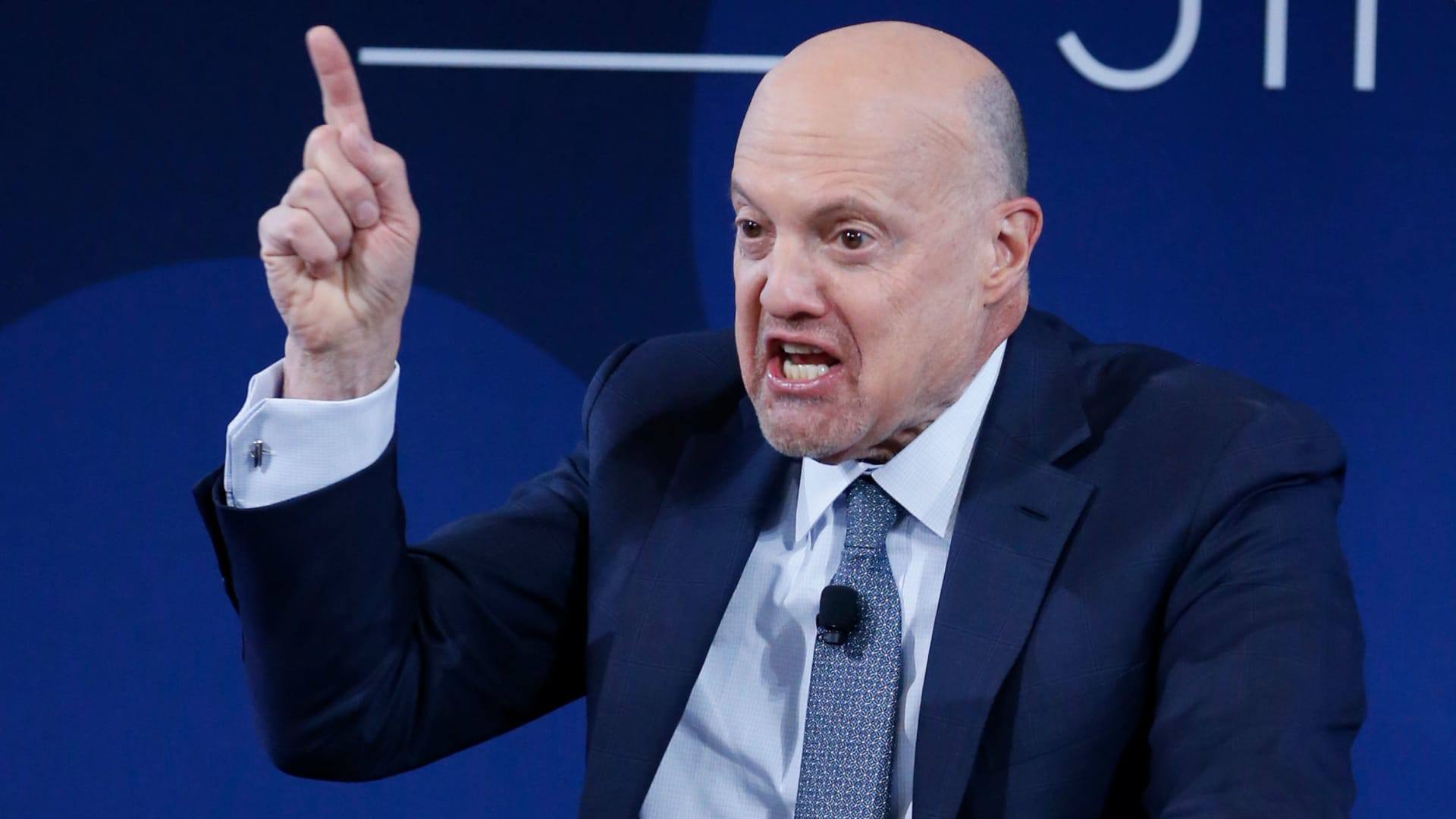
Market Update: Tech Stocks Retreat, Healthcare Sector Gains


- Tech Stock Retreat: On Tuesday, the S&P 500 and Nasdaq fell by 0.70% and 1.5%, respectively, primarily dragged down by technology and momentum stocks, particularly semiconductor firms like Advanced Micro, Broadcom, and Micron, which faced sell-offs following Samsung's disappointing preliminary second-quarter earnings, prompting investors to seek refuge in safer sectors like healthcare and financials.
- Healthcare Sector Strength: Amidst a broader market downturn, the healthcare sector is thriving, with Johnson & Johnson's stock rising 3.6% on Tuesday and nearly 30% year-to-date, while Eli Lilly's shares gained 3% after JPMorgan raised its price target from $1,300 to $1,400, driven by strong GLP-1 sales and international demand for its weight-loss drug Mounjaro.
- Financial Sector Performance: The financial sector has been the best performer this month, with Wells Fargo's shares up 6.6% over the past month ahead of earnings next Tuesday, despite being down 5.3% year-to-date, as Jim Cramer suggests it could be a breakout quarter, emphasizing the need for strong performance after previous disappointments.
- Rapid Trade Review: In the rapid-fire trading segment of the video, stocks mentioned included Fiserv, Vertex, Walmart, and Rivian, highlighting the club's focus on a diversified portfolio while underscoring the importance of vigilance amidst market volatility.

BTIG Optimistic on Stock Performance for H2 2026


- Market Rebound Trend: BTIG believes that the rallies from the past six months will continue to push stocks higher, particularly in sectors like financials, healthcare, and industrials, which have shown strong performance since mid-May, indicating sustained market confidence.
- Selected Stock Picks: BTIG's latest report names 55 large- and small-cap stocks as top picks for the second half of 2026, reflecting confidence in diverse investment opportunities across the market.
- Optimistic Outlook for On Holding: Despite a more than 20% drop in stock price in 2026, analysts project a price target of $70 for On Holding, indicating a potential 90% upside from Thursday's close, highlighting its strong growth potential in the retail sector.
- Capital One Integration Potential: Although Capital One Financial has underperformed in 2026, analysts see a price target of $259, suggesting a 26% upside, with expectations that effective integration of Discover and Brex acquisitions will lead to revenue and cost savings.

Stocks Close Strong as Tech Sector Leads Gains


- Quarterly Performance: The S&P 500 rose approximately 15% in Q2, while the tech-heavy Nasdaq surged 21%, reflecting strong market confidence in the technology and semiconductor sectors, which are driving economic recovery.
- Sector Performance Divergence: While tech stocks excelled this quarter with a 30% increase, industrials also gained about 14%, contrasting sharply with the energy sector, which suffered significant losses due to a pullback in oil prices, indicating varied investor sentiment across sectors.
- Goldman Sachs Downgrade: Oppenheimer downgraded Goldman Sachs from hold to sell, citing limited upside in current valuations for investment banks, although analysts remain optimistic about Goldman’s trading and deal-making strength ahead of earnings, suggesting robust revenue prospects.
- Capital One's Positive Outlook: Piper Sandler rated Capital One as outperform with a $254 price target, arguing that the company's transformation post-Discover acquisition is not fully reflected in its stock price, and expects significant earnings enhancement from operational efficiencies in the coming year.
Analyst Expects Amex Product Refresh to Miss Q2 Expectations

- Product Refresh Expectations: BTIG analyst anticipates that American Express's commercial product refresh will fall short of Q2 expectations, potentially leading to a slowdown in revenue growth and impacting its market competitiveness.
- Ongoing Expense Pressure: Capital One Financial is expected to continue facing expense issues, which analysts indicate could negatively affect the company's profitability and limit its expansion capabilities in the market.
- Market Reaction Anticipation: Given the product refresh's failure to meet expectations, the market may react negatively to American Express's stock price, prompting investors to closely monitor upcoming earnings reports to assess the company's future financial health.
- Strategic Adjustment Necessity: In light of ongoing expense pressures and product refresh challenges, American Express may need to reassess its strategic direction to ensure it maintains a competitive edge in the fiercely competitive financial services market.
Market Outlook and Company Updates


- Market Performance: On the last trading day of June, the S&P 500 is up nearly 14% and the Nasdaq has risen almost 20%, marking the best quarterly performance since Q2 2020, reflecting optimistic market sentiment regarding economic recovery.
- Comcast Upgrade: Deutsche Bank upgraded Comcast from hold to buy, anticipating that its planned spin-off of NBCUniversal will unlock value, leading to a 4.5% rise in shares yesterday and an additional 2.5% increase in early trading, indicating strong market confidence in future growth.
- Semiconductor Equipment Price Target Increases: Price targets for Applied Materials and Lam Research were significantly raised from $575 and $385 to $900 and $475, respectively, highlighting their critical role in semiconductor manufacturing amid a computing shortage.
- Airline Price Target Increases: Wells Fargo raised Delta Air Lines' price target from $75 to $105 and United Airlines' from $130 to $165, benefiting from a drop in crude transport prices, showcasing the recovery potential in the airline industry.

Federal Reserve Stress Test Results Positive for Banks
- Stress Test Results: The Federal Reserve's stress tests confirmed that all 32 banks passed, and while capital buffer ratios remain unchanged, analysts anticipate improvements for 2026, reflecting the resilience and stability of the banking sector.
- Market Reaction: Following the test results, the KBW Nasdaq Bank Index rose by 2.6% and the regional bank index increased by 1.4%, indicating heightened investor confidence in bank stocks, despite mixed performance in the broader equity markets.
- Capital Buffer Changes: Citizens Financial Group's implied capital buffer ratio decreased by 200 basis points to 2.5%, with Morgan Stanley and Citigroup also showing improvements, suggesting these banks are well-prepared for the upcoming Basel III reforms, potentially lowering future capital requirements.
- Dividends and Buyback Plans: Among banks announcing dividend increases, the median rise was 11%, although the overall yield hovers around 2%; however, buyback plans are more significant, with an expected 8% reduction in shares outstanding, enhancing capital return capabilities.
Market Update: Tech Stocks Retreat, Healthcare Sector Gains
- Tech Stock Retreat: On Tuesday, the S&P 500 and Nasdaq fell by 0.70% and 1.5%, respectively, primarily dragged down by technology and momentum stocks, particularly semiconductor firms like Advanced Micro, Broadcom, and Micron, which faced sell-offs following Samsung's disappointing preliminary second-quarter earnings, prompting investors to seek refuge in safer sectors like healthcare and financials.
- Healthcare Sector Strength: Amidst a broader market downturn, the healthcare sector is thriving, with Johnson & Johnson's stock rising 3.6% on Tuesday and nearly 30% year-to-date, while Eli Lilly's shares gained 3% after JPMorgan raised its price target from $1,300 to $1,400, driven by strong GLP-1 sales and international demand for its weight-loss drug Mounjaro.
- Financial Sector Performance: The financial sector has been the best performer this month, with Wells Fargo's shares up 6.6% over the past month ahead of earnings next Tuesday, despite being down 5.3% year-to-date, as Jim Cramer suggests it could be a breakout quarter, emphasizing the need for strong performance after previous disappointments.
- Rapid Trade Review: In the rapid-fire trading segment of the video, stocks mentioned included Fiserv, Vertex, Walmart, and Rivian, highlighting the club's focus on a diversified portfolio while underscoring the importance of vigilance amidst market volatility.
BTIG Optimistic on Stock Performance for H2 2026
- Market Rebound Trend: BTIG believes that the rallies from the past six months will continue to push stocks higher, particularly in sectors like financials, healthcare, and industrials, which have shown strong performance since mid-May, indicating sustained market confidence.
- Selected Stock Picks: BTIG's latest report names 55 large- and small-cap stocks as top picks for the second half of 2026, reflecting confidence in diverse investment opportunities across the market.
- Optimistic Outlook for On Holding: Despite a more than 20% drop in stock price in 2026, analysts project a price target of $70 for On Holding, indicating a potential 90% upside from Thursday's close, highlighting its strong growth potential in the retail sector.
- Capital One Integration Potential: Although Capital One Financial has underperformed in 2026, analysts see a price target of $259, suggesting a 26% upside, with expectations that effective integration of Discover and Brex acquisitions will lead to revenue and cost savings.
Stocks Close Strong as Tech Sector Leads Gains
- Quarterly Performance: The S&P 500 rose approximately 15% in Q2, while the tech-heavy Nasdaq surged 21%, reflecting strong market confidence in the technology and semiconductor sectors, which are driving economic recovery.
- Sector Performance Divergence: While tech stocks excelled this quarter with a 30% increase, industrials also gained about 14%, contrasting sharply with the energy sector, which suffered significant losses due to a pullback in oil prices, indicating varied investor sentiment across sectors.
- Goldman Sachs Downgrade: Oppenheimer downgraded Goldman Sachs from hold to sell, citing limited upside in current valuations for investment banks, although analysts remain optimistic about Goldman’s trading and deal-making strength ahead of earnings, suggesting robust revenue prospects.
- Capital One's Positive Outlook: Piper Sandler rated Capital One as outperform with a $254 price target, arguing that the company's transformation post-Discover acquisition is not fully reflected in its stock price, and expects significant earnings enhancement from operational efficiencies in the coming year.
Analyst Expects Amex Product Refresh to Miss Q2 Expectations
- Product Refresh Expectations: BTIG analyst anticipates that American Express's commercial product refresh will fall short of Q2 expectations, potentially leading to a slowdown in revenue growth and impacting its market competitiveness.
- Ongoing Expense Pressure: Capital One Financial is expected to continue facing expense issues, which analysts indicate could negatively affect the company's profitability and limit its expansion capabilities in the market.
- Market Reaction Anticipation: Given the product refresh's failure to meet expectations, the market may react negatively to American Express's stock price, prompting investors to closely monitor upcoming earnings reports to assess the company's future financial health.
- Strategic Adjustment Necessity: In light of ongoing expense pressures and product refresh challenges, American Express may need to reassess its strategic direction to ensure it maintains a competitive edge in the fiercely competitive financial services market.
Market Outlook and Company Updates
- Market Performance: On the last trading day of June, the S&P 500 is up nearly 14% and the Nasdaq has risen almost 20%, marking the best quarterly performance since Q2 2020, reflecting optimistic market sentiment regarding economic recovery.
- Comcast Upgrade: Deutsche Bank upgraded Comcast from hold to buy, anticipating that its planned spin-off of NBCUniversal will unlock value, leading to a 4.5% rise in shares yesterday and an additional 2.5% increase in early trading, indicating strong market confidence in future growth.
- Semiconductor Equipment Price Target Increases: Price targets for Applied Materials and Lam Research were significantly raised from $575 and $385 to $900 and $475, respectively, highlighting their critical role in semiconductor manufacturing amid a computing shortage.
- Airline Price Target Increases: Wells Fargo raised Delta Air Lines' price target from $75 to $105 and United Airlines' from $130 to $165, benefiting from a drop in crude transport prices, showcasing the recovery potential in the airline industry.
Federal Reserve Stress Test Results Positive for Banks
- Stress Test Results: The Federal Reserve's stress tests confirmed that all 32 banks passed, and while capital buffer ratios remain unchanged, analysts anticipate improvements for 2026, reflecting the resilience and stability of the banking sector.
- Market Reaction: Following the test results, the KBW Nasdaq Bank Index rose by 2.6% and the regional bank index increased by 1.4%, indicating heightened investor confidence in bank stocks, despite mixed performance in the broader equity markets.
- Capital Buffer Changes: Citizens Financial Group's implied capital buffer ratio decreased by 200 basis points to 2.5%, with Morgan Stanley and Citigroup also showing improvements, suggesting these banks are well-prepared for the upcoming Basel III reforms, potentially lowering future capital requirements.
- Dividends and Buyback Plans: Among banks announcing dividend increases, the median rise was 11%, although the overall yield hovers around 2%; however, buyback plans are more significant, with an expected 8% reduction in shares outstanding, enhancing capital return capabilities.





