Will the Disruption from the Iran War Benefit These 3 Rare Earth Stocks?

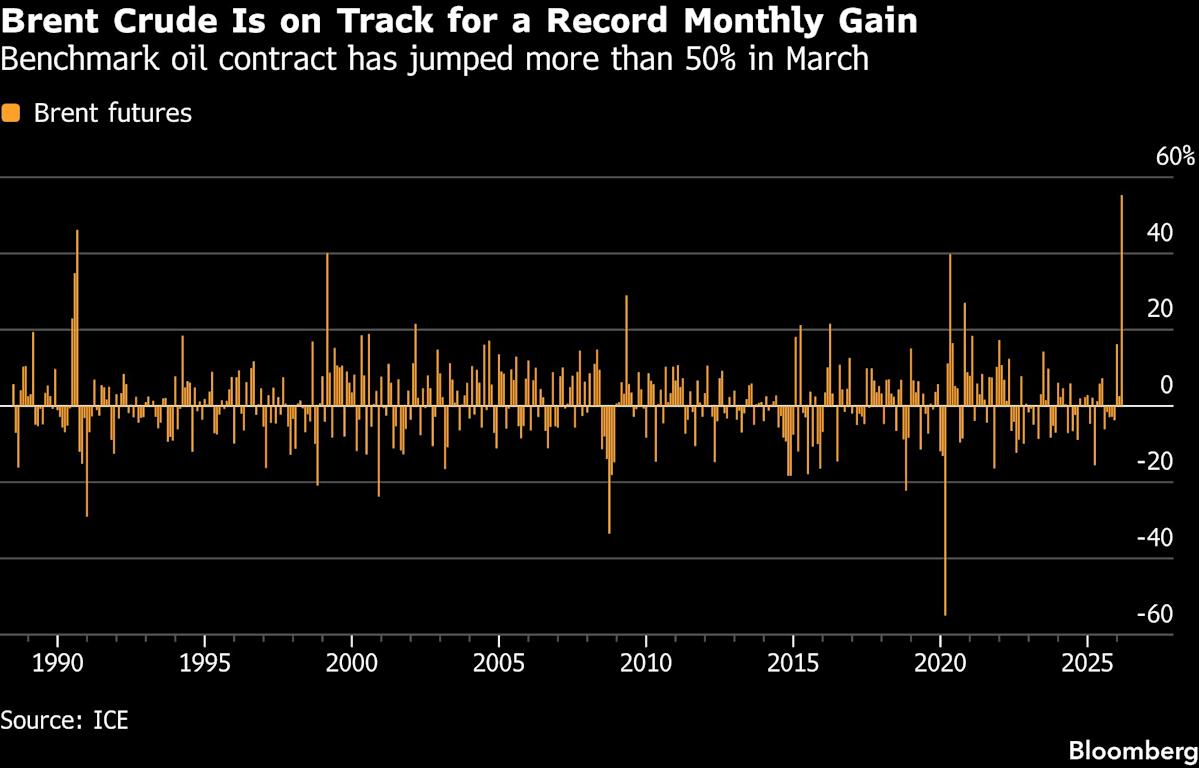
Impact of the Iran War on Global Energy: Investors are focusing on oil prices and the potential disruption to global energy supplies due to the ongoing war in Iran, which could also affect the rare-earth and critical minerals markets.
Iran's Mineral Reserves: Iran reportedly holds over $27 trillion in mineral reserves, and the conflict may further disrupt the flow of these resources, particularly to the U.S. and other markets.
Domestic Rare-Earth Producers: Companies like MP Materials are positioned to benefit from increased demand for domestic rare-earth elements, with MP Materials being the largest producer in the Western Hemisphere and expecting significant growth in refining capacity.
Investment Opportunities in Rare Earths: Energy Fuels Inc. offers a balanced approach to uranium and rare-earth minerals, while investors are advised to consider the high-risk, high-reward potential of rare-earth stocks amidst the geopolitical tensions.
Trade with 70% Backtested Accuracy
Analyst Views on MP

About MP
About the author


High-Stakes Week for Markets Amid Geopolitical Tensions and Economic Data


- Cautious Market Sentiment: Despite escalating tensions in the Middle East and a historic surge in oil prices, U.S. stock futures rose modestly on Monday, with S&P 500 and Nasdaq futures up 0.2%, indicating cautious optimism among investors ahead of a holiday-shortened trading week.
- Retail Sentiment Weak: While futures show positive movement, retail sentiment towards the SPDR S&P 500 ETF and Invesco QQQ Trust remains ‘extremely bearish’, reflecting investor concerns amid high trading volumes despite the market's green start.
- Tech Stocks in Focus: Analyst Dan Niles has flagged Intel as a contrarian investment due to its potential in AI, while Meta's 11% decline last week, down 34% from its 52-week high, presents an attractive entry point for investors.
- Economic Data and Fed Dynamics: No major economic data is expected today, but Fed Chair Jerome Powell's speech at Harvard University will be closely watched for hints on future monetary policy, as the Senate Banking Committee prepares for the confirmation hearing of Fed Chair-nominee Kevin Warsh next week.

Rare Earth Producer Takes a Step Toward Challenging China's Dominance, But Stock Prices Fall.


- USA Rare Earth's Role: The company is evolving from a mining operation to a significant contributor in the U.S. rare earth elements sector.
- Countering China: USA Rare Earth aims to reduce the United States' reliance on China for rare earth elements.
Apple Expands U.S. Manufacturing Investment to $400 Million


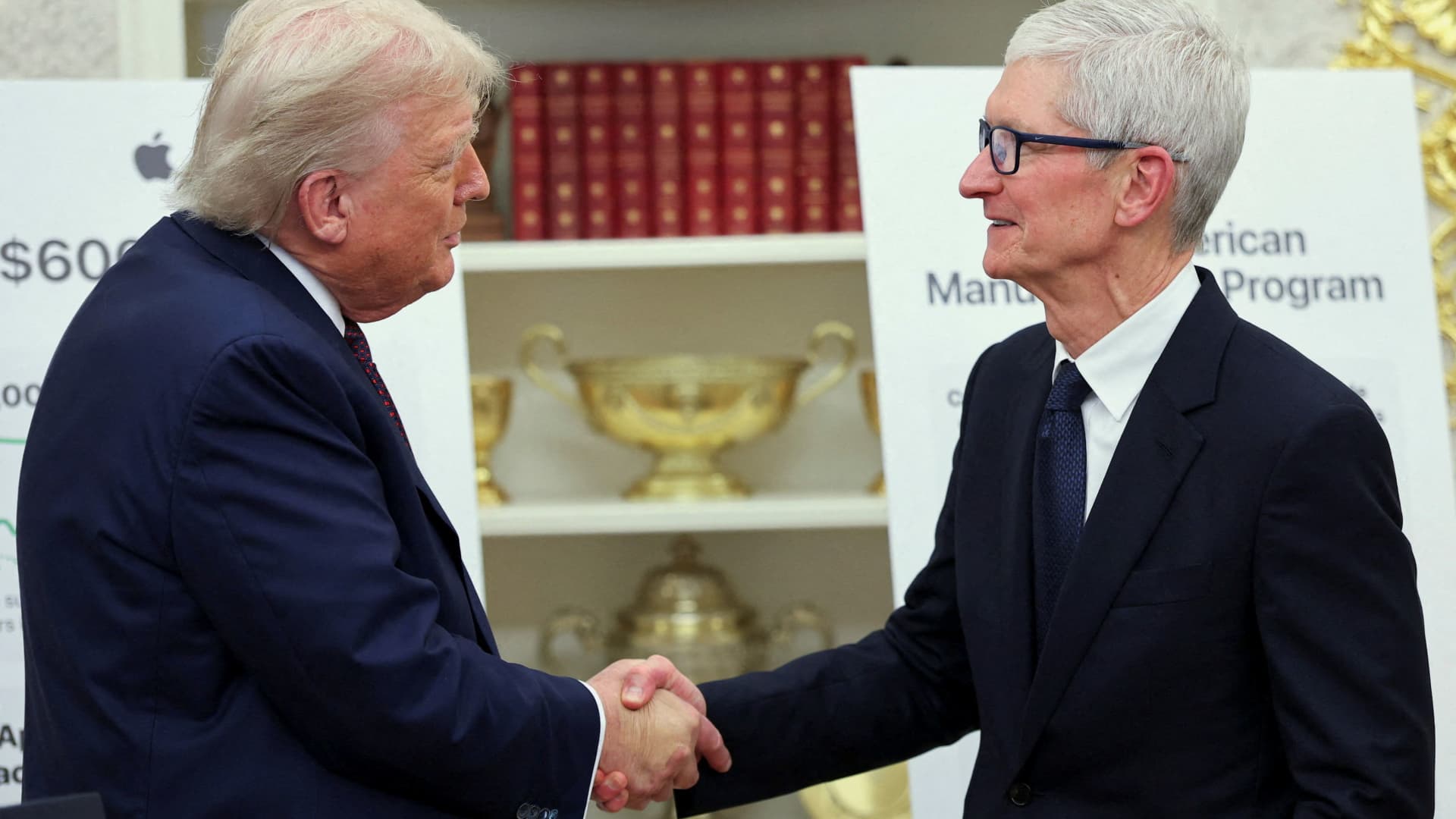
- Partnership Expansion: Apple announced partnerships with Bosch, Cirrus Logic, TDK, and Qnity Electronics, planning to invest $400 million in U.S. manufacturing through 2030, thereby enhancing local supply chain capabilities and product availability.
- Job Creation: The expansion is expected to create 20,000 direct jobs in R&D, silicon engineering, AI, and software development, further solidifying Apple's manufacturing presence in the U.S. and responding to national calls for manufacturing revitalization.
- Chip Production Boost: TDK will manufacture sensors in the U.S. for the first time, with Apple projected to source over 100 million advanced chips from U.S. silicon supply chains, significantly enhancing product technology and competitiveness, particularly in iPhone camera stabilization technology.
- Policy Impact: Apple has absorbed approximately $3.3 billion in tariff costs since the implementation of Trump's trade policies, and this expansion not only helps mitigate future cost pressures but may also improve the company's cost outlook following the Supreme Court ruling, further strengthening its competitive position in the domestic market.
Apple Invests $400 Million to Expand American Manufacturing Program
- Significant Investment: Apple plans to invest $400 million through 2030 in collaboration with Bosch, Cirrus Logic, TDK, and Qnity Electronics to enhance domestic manufacturing capabilities for essential materials and components, thereby solidifying its competitive position in the global market.
- Job Creation: This expansion will create more jobs in the U.S. and strengthen the country's manufacturing capabilities, with CEO Tim Cook framing the move as a testament to American ingenuity, reflecting the company's long-term commitment to U.S. manufacturing.
- Diverse Partnerships: The new partners will manufacture critical sensors and semiconductors for Apple products, with TDK producing sensors in the U.S. for the first time, which will increase the volume of chips sourced from U.S. silicon supply chains and enhance product localization.
- Supply Chain Resilience: Since the launch of its American Manufacturing Program, Apple has exceeded its initial targets by sourcing over 20 billion U.S.-made chips from 24 factories across 12 states, demonstrating the company's ongoing efforts in domestic production and supply chain resilience.

Trump Jr. Subpoena Motion Blocked by House Committee

- Subpoena Motion Denied: The House Natural Resources subcommittee blocked a motion to subpoena Donald Trump Jr. with a 5-2 vote, reflecting Republican control and potentially hindering oversight of Trump family business activities.
- Federal Loan Context: Vulcan Elements, backed by Trump Jr.'s 1789 Capital, received a $620 million federal loan from the Department of Defense last year, highlighting the close ties between the Trump family and government contracts.
- Democratic Concerns on Conflicts of Interest: Democrats warned that the Trump family could illegally profit from government contracts awarded to companies they support, increasing scrutiny on Trump Jr. and potentially impacting his future business endeavors.
- Hearing Interrupted and Resumed: Following the motion's tabling, subcommittee chair Paul Gosar called for a nearly hour-long recess, underscoring the contentious nature of the issue and the potential for ongoing political battles in the future.

Wall Street Enthusiastic About Robots: Aptiv and Other Stocks Set to Gain.

- Advancements in AI: Recent developments in artificial intelligence are leading to innovative virtual applications.
- AI Applications: These advancements include AI agents capable of writing software, managing financial records, creating videos, and assisting with college entrance essays.
High-Stakes Week for Markets Amid Geopolitical Tensions and Economic Data
- Cautious Market Sentiment: Despite escalating tensions in the Middle East and a historic surge in oil prices, U.S. stock futures rose modestly on Monday, with S&P 500 and Nasdaq futures up 0.2%, indicating cautious optimism among investors ahead of a holiday-shortened trading week.
- Retail Sentiment Weak: While futures show positive movement, retail sentiment towards the SPDR S&P 500 ETF and Invesco QQQ Trust remains ‘extremely bearish’, reflecting investor concerns amid high trading volumes despite the market's green start.
- Tech Stocks in Focus: Analyst Dan Niles has flagged Intel as a contrarian investment due to its potential in AI, while Meta's 11% decline last week, down 34% from its 52-week high, presents an attractive entry point for investors.
- Economic Data and Fed Dynamics: No major economic data is expected today, but Fed Chair Jerome Powell's speech at Harvard University will be closely watched for hints on future monetary policy, as the Senate Banking Committee prepares for the confirmation hearing of Fed Chair-nominee Kevin Warsh next week.
Rare Earth Producer Takes a Step Toward Challenging China's Dominance, But Stock Prices Fall.
- USA Rare Earth's Role: The company is evolving from a mining operation to a significant contributor in the U.S. rare earth elements sector.
- Countering China: USA Rare Earth aims to reduce the United States' reliance on China for rare earth elements.
Apple Expands U.S. Manufacturing Investment to $400 Million
- Partnership Expansion: Apple announced partnerships with Bosch, Cirrus Logic, TDK, and Qnity Electronics, planning to invest $400 million in U.S. manufacturing through 2030, thereby enhancing local supply chain capabilities and product availability.
- Job Creation: The expansion is expected to create 20,000 direct jobs in R&D, silicon engineering, AI, and software development, further solidifying Apple's manufacturing presence in the U.S. and responding to national calls for manufacturing revitalization.
- Chip Production Boost: TDK will manufacture sensors in the U.S. for the first time, with Apple projected to source over 100 million advanced chips from U.S. silicon supply chains, significantly enhancing product technology and competitiveness, particularly in iPhone camera stabilization technology.
- Policy Impact: Apple has absorbed approximately $3.3 billion in tariff costs since the implementation of Trump's trade policies, and this expansion not only helps mitigate future cost pressures but may also improve the company's cost outlook following the Supreme Court ruling, further strengthening its competitive position in the domestic market.
Apple Invests $400 Million to Expand American Manufacturing Program
- Significant Investment: Apple plans to invest $400 million through 2030 in collaboration with Bosch, Cirrus Logic, TDK, and Qnity Electronics to enhance domestic manufacturing capabilities for essential materials and components, thereby solidifying its competitive position in the global market.
- Job Creation: This expansion will create more jobs in the U.S. and strengthen the country's manufacturing capabilities, with CEO Tim Cook framing the move as a testament to American ingenuity, reflecting the company's long-term commitment to U.S. manufacturing.
- Diverse Partnerships: The new partners will manufacture critical sensors and semiconductors for Apple products, with TDK producing sensors in the U.S. for the first time, which will increase the volume of chips sourced from U.S. silicon supply chains and enhance product localization.
- Supply Chain Resilience: Since the launch of its American Manufacturing Program, Apple has exceeded its initial targets by sourcing over 20 billion U.S.-made chips from 24 factories across 12 states, demonstrating the company's ongoing efforts in domestic production and supply chain resilience.
Trump Jr. Subpoena Motion Blocked by House Committee
- Subpoena Motion Denied: The House Natural Resources subcommittee blocked a motion to subpoena Donald Trump Jr. with a 5-2 vote, reflecting Republican control and potentially hindering oversight of Trump family business activities.
- Federal Loan Context: Vulcan Elements, backed by Trump Jr.'s 1789 Capital, received a $620 million federal loan from the Department of Defense last year, highlighting the close ties between the Trump family and government contracts.
- Democratic Concerns on Conflicts of Interest: Democrats warned that the Trump family could illegally profit from government contracts awarded to companies they support, increasing scrutiny on Trump Jr. and potentially impacting his future business endeavors.
- Hearing Interrupted and Resumed: Following the motion's tabling, subcommittee chair Paul Gosar called for a nearly hour-long recess, underscoring the contentious nature of the issue and the potential for ongoing political battles in the future.
Wall Street Enthusiastic About Robots: Aptiv and Other Stocks Set to Gain.
- Advancements in AI: Recent developments in artificial intelligence are leading to innovative virtual applications.
- AI Applications: These advancements include AI agents capable of writing software, managing financial records, creating videos, and assisting with college entrance essays.