Webull Corporation Reports Record Q4 2025 Earnings and Growth Strategies
Written by Emily J. Thompson, Senior Investment Analyst
Updated: Mar 05 2026
0mins
Should l Buy BULL?
Source: seekingalpha
- Significant Revenue Growth: Webull generated $165.2 million in revenue for Q4 2025, reflecting a 50% year-over-year increase, indicating the company's strong competitive position in the market driven by robust trading and interest income.
- Substantial Customer Asset Increase: By the end of 2025, Webull's customer assets reached $24.6 billion, an 81% increase from 2024, demonstrating the company's success in attracting clients and expanding market share.
- Impact of AI Assistant: Webull's AI assistant, Vega, assists 1.2 million users weekly, with 10% of active users utilizing the tool to answer over 10 million questions, showcasing the company's innovation in technology integration and user experience.
- Global Expansion Strategy: Webull has over 760,000 funded accounts outside the U.S. and plans to continue expanding into international markets, particularly in Europe and APAC, reflecting its commitment to global growth.
Trade with 70% Backtested Accuracy
Stop guessing "Should I Buy BULL?" and start using high-conviction signals backed by rigorous historical data.
Sign up today to access powerful investing tools and make smarter, data-driven decisions.
Analyst Views on BULL
Wall Street analysts forecast BULL stock price to rise
2 Analyst Rating
2 Buy
0 Hold
0 Sell
Moderate Buy
Current: 4.820

Low
15.00
Averages
16.50
High
18.00
Current: 4.820
Low
15.00
Averages
16.50
High
18.00
About BULL
Webull Corporation is a digital investment platform built upon a next-generation global infrastructure. The Company’s platform allows its customers to invest in United States (U.S.) listed stocks, exchange-traded funds (ETFs), as well as American Depository Receipts. It offers fractional share trading for U.S.-listed stocks and ETFs on its Webull App, which allows its customers to invest in fractions of a share of a stock or ETF instead of buying or selling whole shares. It also offers trading in multiple-listed stock options, ETFs, and index options. It offers cash sweep products to its customers, allowing them to earn interest on uninvested brokerage cash that the Company sweeps to its partner banks. It provides robo-advisor services through Webull Advisors LLC. It also provides retirement investment accounts and portfolio management tools for long-term investors. It offers seamless interoperability for clients investing through mobile, tablet, Web-based, and desktop devices.
About the author

Emily J. Thompson
Emily J. Thompson, a Chartered Financial Analyst (CFA) with 12 years in investment research, graduated with honors from the Wharton School. Specializing in industrial and technology stocks, she provides in-depth analysis for Intellectia’s earnings and market brief reports.

Lyft and Webull: Potential for Doubling Investment


- Massive Market Potential: Straits Research forecasts that ride-hailing revenue will grow from $87.7 billion in 2025 to $918.2 billion by 2033, positioning Lyft favorably for sustainable double-digit growth despite lagging behind Uber in market share.
- Positive KPIs: Lyft's gross bookings rose 15% in 2025, with active riders increasing 18% to 29.2 million, and enhanced customer engagement allows Lyft to expand into new verticals like advertising, indicating significant long-term growth potential.
- Attractive Valuation: Lyft is currently trading at 14 times forecasted EPS for 2027 and a price-to-sales ratio of 0.74, which is significantly lower than Uber's estimated 2.63 in 2026, suggesting high investment value for its stock.
- Webull's Profitability Shift: Webull is moving towards adjusted profitability, with registered users up 15% to 26.8 million and options contract volume surging 38% to 154 million, demonstrating the sustainability of its business model and high user engagement.
See More

Lyft and Webull: Growth Stocks with Rebound Potential
- Lyft's Rebound Potential: Lyft's stock has plummeted 83% since its 2019 IPO, yet the ride-sharing market is projected to grow from $87.7 billion in 2025 to $918.2 billion by 2033, positioning Lyft to capture significant market share in this expansion.
- Improving Key Performance Indicators: Despite its stock underperformance, Lyft's gross bookings rose 15% in 2025, with active riders increasing 18% to 29.2 million, indicating enhanced user engagement that supports expansion into new verticals like advertising.
- Webull's Profitability Shift: Webull's stock has dropped 92%, but the company is transitioning towards adjusted profitability, with increased user engagement validating its sustainable business model, suggesting a potential doubling of its stock by 2028.
- User Growth and Market Opportunities: Webull's registered users surged 15% to 26.8 million in the year-end quarter, while options contract volume soared 38% to 154 million, with projected sales growth of over 20% annually, attracting more investor interest.
See More

Webull (BULL) Q4 2025 Earnings Call Transcript

See More

Webull Shares Aim to End Eight-Week Losing Streak
- Rapid User Growth for Vega: Since its launch in November, Webull's Vega assistant has assisted approximately 1.2 million global users weekly, demonstrating strong user engagement; however, despite this growth, Webull's stock slipped 0.4% on Wednesday, indicating potential challenges ahead for profitability.
- AI Strategic Shift: Webull is positioning AI as a central part of its growth strategy, with CEO Anthony Denier highlighting Vega's role during the latest earnings call, as it not only provides market data and real-time portfolio monitoring but also helps users manage risk preferences, showcasing the company's commitment to AI technology.
- International Expansion Plans: Webull has begun expanding Vega internationally, including a recent launch in Australia, aiming to comply with regulatory requirements across different jurisdictions, which will enhance its competitive edge in global markets.
- Market Sentiment Shift: Despite the surge in Vega's user engagement, BULL stock experienced a 43% decline in message volume over the past day, leading retail investor sentiment to shift to 'bearish', which could negatively impact the stock price in the short term, reflecting concerns about Webull's future performance.
See More

Retail Investors Hype Five Hot Stocks This Week


- Oracle's Weak Performance: Retail investors are questioning ORCL's massive bets on the AI boom, as the stock has fallen 4.19% over the past year and 33.51% in the last six months, indicating a weak price trend in the short and medium term, reflecting a market undervaluation.
- Webull's Uncertain Outlook: Retail investors remain skeptical of BULL following its mixed earnings report, with the stock declining 50.56% over the past year and 55.68% in the last six months, demonstrating a weak price trend in both the short and medium terms, leading to cautious market sentiment.
- SanDisk's Strong Upsurge: Retail investors are considering a buy-the-dip strategy for SNDK, which has surged 1066.89% over the past year and 725.08% in the last six months, showcasing a strong price trend in both the short and long terms, thus attracting significant investor interest.
- Palantir's Volatile Performance: Despite bearish retail sentiment towards PLTR's bullish thesis, the stock has risen 69.39% over the past year but has slightly declined 0.29% in the last six months, indicating a weak price trend in the short and medium terms while still holding long-term growth potential.
See More

Middle East Conflict Drives Oil Prices Surge

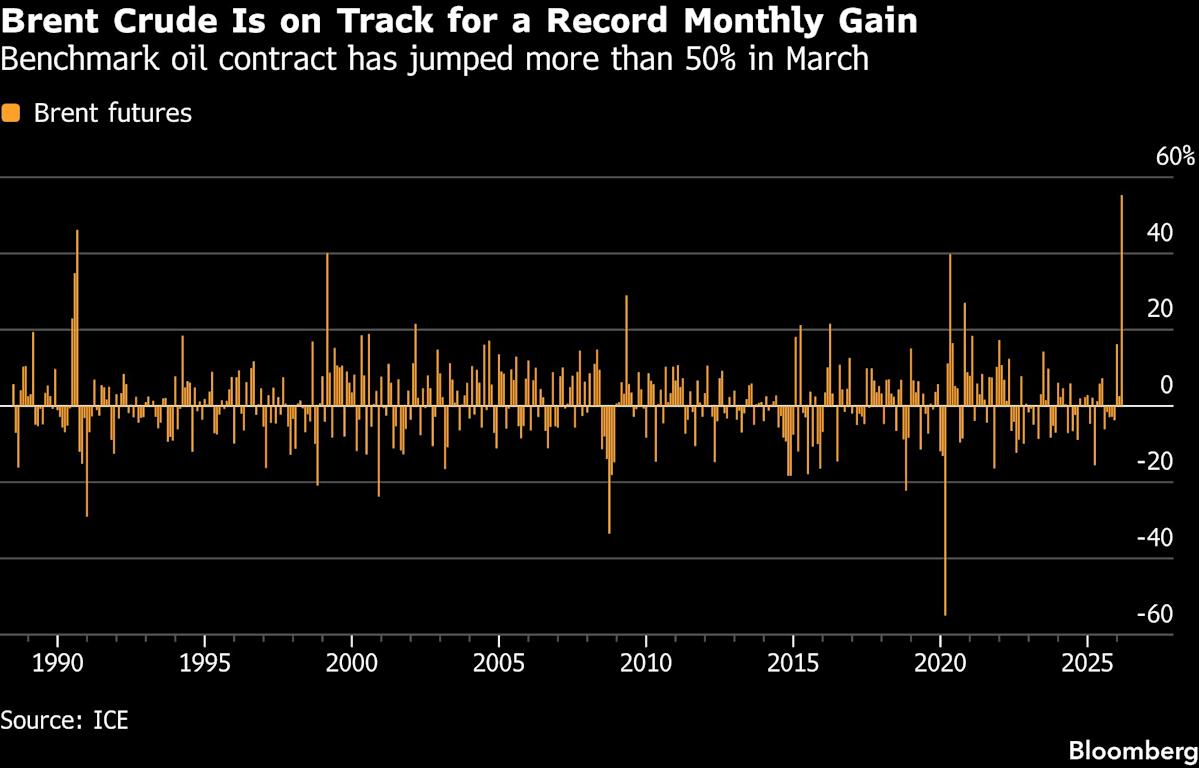
- Oil Price Surge: The escalation of conflict in the Middle East has driven crude oil prices close to $90 per barrel within a week, marking one of the sharpest weekly gains in years, which directly threatens global energy supply and rattles investor confidence.
- Labor Market Deterioration: The U.S. labor market unexpectedly lost 92,000 nonfarm jobs in February, exacerbating concerns about weakening economic momentum and undermining market confidence in future economic prospects.
- Energy Stocks Rise: The surge in energy costs quickly impacted equity markets, lifting energy stocks while severely hitting fuel-sensitive sectors like airlines and cruise operators, as investors feared rising jet fuel prices would squeeze margins.
- Fragile Market Sentiment: The geopolitical shock has added to already fragile market sentiment, prompting traders to reassess inflation risks associated with rising oil prices and supply disruptions, leading to increased overall market volatility.
See More
Lyft and Webull: Potential for Doubling Investment
- Massive Market Potential: Straits Research forecasts that ride-hailing revenue will grow from $87.7 billion in 2025 to $918.2 billion by 2033, positioning Lyft favorably for sustainable double-digit growth despite lagging behind Uber in market share.
- Positive KPIs: Lyft's gross bookings rose 15% in 2025, with active riders increasing 18% to 29.2 million, and enhanced customer engagement allows Lyft to expand into new verticals like advertising, indicating significant long-term growth potential.
- Attractive Valuation: Lyft is currently trading at 14 times forecasted EPS for 2027 and a price-to-sales ratio of 0.74, which is significantly lower than Uber's estimated 2.63 in 2026, suggesting high investment value for its stock.
- Webull's Profitability Shift: Webull is moving towards adjusted profitability, with registered users up 15% to 26.8 million and options contract volume surging 38% to 154 million, demonstrating the sustainability of its business model and high user engagement.
See More
Lyft and Webull: Growth Stocks with Rebound Potential
- Lyft's Rebound Potential: Lyft's stock has plummeted 83% since its 2019 IPO, yet the ride-sharing market is projected to grow from $87.7 billion in 2025 to $918.2 billion by 2033, positioning Lyft to capture significant market share in this expansion.
- Improving Key Performance Indicators: Despite its stock underperformance, Lyft's gross bookings rose 15% in 2025, with active riders increasing 18% to 29.2 million, indicating enhanced user engagement that supports expansion into new verticals like advertising.
- Webull's Profitability Shift: Webull's stock has dropped 92%, but the company is transitioning towards adjusted profitability, with increased user engagement validating its sustainable business model, suggesting a potential doubling of its stock by 2028.
- User Growth and Market Opportunities: Webull's registered users surged 15% to 26.8 million in the year-end quarter, while options contract volume soared 38% to 154 million, with projected sales growth of over 20% annually, attracting more investor interest.
See More
Webull (BULL) Q4 2025 Earnings Call Transcript
See More
Webull Shares Aim to End Eight-Week Losing Streak
- Rapid User Growth for Vega: Since its launch in November, Webull's Vega assistant has assisted approximately 1.2 million global users weekly, demonstrating strong user engagement; however, despite this growth, Webull's stock slipped 0.4% on Wednesday, indicating potential challenges ahead for profitability.
- AI Strategic Shift: Webull is positioning AI as a central part of its growth strategy, with CEO Anthony Denier highlighting Vega's role during the latest earnings call, as it not only provides market data and real-time portfolio monitoring but also helps users manage risk preferences, showcasing the company's commitment to AI technology.
- International Expansion Plans: Webull has begun expanding Vega internationally, including a recent launch in Australia, aiming to comply with regulatory requirements across different jurisdictions, which will enhance its competitive edge in global markets.
- Market Sentiment Shift: Despite the surge in Vega's user engagement, BULL stock experienced a 43% decline in message volume over the past day, leading retail investor sentiment to shift to 'bearish', which could negatively impact the stock price in the short term, reflecting concerns about Webull's future performance.
See More
Retail Investors Hype Five Hot Stocks This Week
- Oracle's Weak Performance: Retail investors are questioning ORCL's massive bets on the AI boom, as the stock has fallen 4.19% over the past year and 33.51% in the last six months, indicating a weak price trend in the short and medium term, reflecting a market undervaluation.
- Webull's Uncertain Outlook: Retail investors remain skeptical of BULL following its mixed earnings report, with the stock declining 50.56% over the past year and 55.68% in the last six months, demonstrating a weak price trend in both the short and medium terms, leading to cautious market sentiment.
- SanDisk's Strong Upsurge: Retail investors are considering a buy-the-dip strategy for SNDK, which has surged 1066.89% over the past year and 725.08% in the last six months, showcasing a strong price trend in both the short and long terms, thus attracting significant investor interest.
- Palantir's Volatile Performance: Despite bearish retail sentiment towards PLTR's bullish thesis, the stock has risen 69.39% over the past year but has slightly declined 0.29% in the last six months, indicating a weak price trend in the short and medium terms while still holding long-term growth potential.
See More
Middle East Conflict Drives Oil Prices Surge
- Oil Price Surge: The escalation of conflict in the Middle East has driven crude oil prices close to $90 per barrel within a week, marking one of the sharpest weekly gains in years, which directly threatens global energy supply and rattles investor confidence.
- Labor Market Deterioration: The U.S. labor market unexpectedly lost 92,000 nonfarm jobs in February, exacerbating concerns about weakening economic momentum and undermining market confidence in future economic prospects.
- Energy Stocks Rise: The surge in energy costs quickly impacted equity markets, lifting energy stocks while severely hitting fuel-sensitive sectors like airlines and cruise operators, as investors feared rising jet fuel prices would squeeze margins.
- Fragile Market Sentiment: The geopolitical shock has added to already fragile market sentiment, prompting traders to reassess inflation risks associated with rising oil prices and supply disruptions, leading to increased overall market volatility.
See More