VisionWave Acquires QuantumSpeed to Enhance Decision Speed
Written by Emily J. Thompson, Senior Investment Analyst
Updated: Jan 07 2026
0mins

Should l Buy IRDM?
Source: Globenewswire
- Market Growth Potential: The global military AI market is projected to surge from $10.79 billion to $35.57 billion, indicating a strong demand for rapid decision-making technologies that drive strategic expansions for companies like VisionWave.
- Key Acquisition: VisionWave's acquisition of QuantumSpeed for $99.6 million aims to reduce decision latency, enhancing the responsiveness of modern defense systems, which is expected to significantly boost its competitive edge in the market.
- Technological Innovation: QuantumSpeed's 'Hybrid Successive Approximation' framework compresses threat evaluation timelines from minutes to seconds, improving real-time response capabilities in complex signal environments, aligning with the demands of modern warfare.
- Intellectual Property Strengthening: VisionWave's recent U.S. patent acquisition secures protection for its core RF imaging and AI platform, further solidifying its leadership position in defense technology and supporting future technological advancements.
Trade with 70% Backtested Accuracy
Stop guessing "Should I Buy IRDM?" and start using high-conviction signals backed by rigorous historical data.
Sign up today to access powerful investing tools and make smarter, data-driven decisions.
Analyst Views on IRDM
Wall Street analysts forecast IRDM stock price to fall
7 Analyst Rating
4 Buy
2 Hold
1 Sell
Moderate Buy
Current: 26.810

Low
16.00
Averages
25.83
High
37.00
Current: 26.810
Low
16.00
Averages
25.83
High
37.00
About IRDM
Iridium Communications Inc. operates the mobile voice and data satellite communications network that spans the entire globe. The Company enables connections between people, organizations and assets to and from anywhere, in real time. Together with its ecosystem of partner companies, it delivers a portfolio of solutions for markets that require global communications. Its principal vertical lines of business include land mobile, maritime, aviation, IoT, hosted payloads and other data services, which includes navigation and timing (PNT), and the United States government. Its products include Iridium 9555, Iridium Extreme satellite phones, Iridium Extreme PTT, Iridium GO! Iridium GO!, and others. It provides voice and data communications services to businesses, the United States and foreign governments, non-governmental organizations, and consumers via its satellite network, which has an architecture of 66 operational satellites with in-orbit spares and related ground infrastructure.
About the author

Emily J. Thompson
Emily J. Thompson, a Chartered Financial Analyst (CFA) with 12 years in investment research, graduated with honors from the Wharton School. Specializing in industrial and technology stocks, she provides in-depth analysis for Intellectia’s earnings and market brief reports.

Delta Airlines Partners with Amazon Leo for High-Speed Internet Service


- Partnership Agreement: Delta Airlines has partnered with Amazon Leo to provide satellite Wi-Fi service on 500 aircraft starting in 2028, marking a significant advancement in the airline's in-flight internet and streaming service competition.
- Technology Upgrade: The new service will initially be available on domestic-focused narrow-body planes like the Boeing 737 and Airbus A321, addressing passenger demands for faster speeds and greater bandwidth, thereby enhancing overall passenger experience and satisfaction.
- Commercial Opportunities: Delta plans to create commerce opportunities by updating in-flight entertainment content and offering larger movie libraries, which is expected to attract more loyal customers and generate revenue through personalized advertising.
- Satellite Network Expansion: Amazon Leo currently has about 200 satellites in orbit, aiming to build a constellation of approximately 3,200 low Earth orbit satellites to support high-speed connectivity needs for businesses and consumers, further driving digital transformation in the airline industry.
See More

Meta Faces Huge Damages and Job Cuts Amid Legal Challenges


- Legal Challenges and Damages: A Los Angeles jury found that Meta and YouTube failed to warn users about the risks of social media use, imposing $3 million in compensatory and punitive damages, which could exert financial pressure and negatively impact stock performance for both companies.
- Child Protection Lawsuit: In a separate trial in New Mexico, Meta was ordered to pay $375 million for violating the state's unfair practices act, increasing the company's legal risks and potentially prompting significant changes in content monitoring and algorithm adjustments.
- Job Cuts and Incentives: Meta plans to cut several hundred jobs while offering new stock options to key leaders to retain and incentivize top talent, reflecting a strategic shift in response to legal and market pressures.
- AI Competition and Leadership Changes: Meta has reinstated Hugo Barra this week to regain its competitive edge in the artificial intelligence race, a personnel change that may influence the company's technological development direction and market positioning.
See More
GPS Disruptions Surge Amid Middle East Conflict


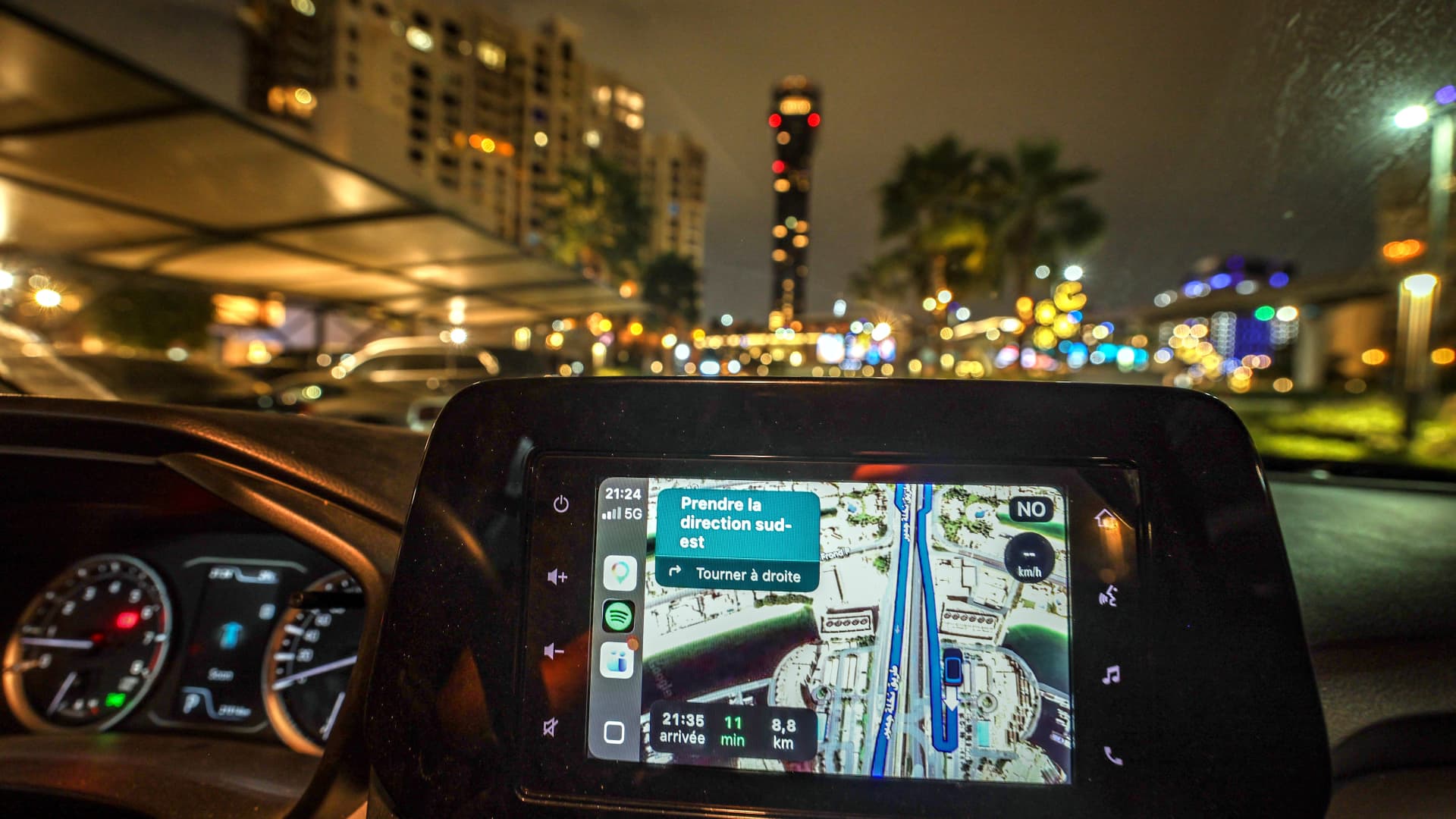
- Surge in GPS Disruptions: Following the U.S. and Israel's pre-emptive strikes against Iran on February 28, GPS disruptions have surged in the Middle East, with over 1,100 vessels experiencing AIS signal interference within the first 24 hours, affecting maritime, aviation, and land transportation while exposing vulnerabilities in the American-made satellite navigation system.
- Reasons for Interference: Analysts suggest that Gulf states may be jamming satellite navigation signals to protect critical infrastructure from drone and missile attacks, a tactic increasingly common in modern warfare, as evidenced by similar disruptions following Russia's invasion of Ukraine in 2022.
- Impact on Shipping: Despite the significant reduction in shipping activity due to the blockage of the Strait of Hormuz, foreign-flagged vessels from countries like China and India still have transit rights, making accurate positioning data crucial for avoiding collisions and grounding risks in the narrow strait, which measures only 21 miles (33 km) at its narrowest point.
- Emerging Technology Trends: As GPS signal jamming intensifies, industry experts highlight the vulnerabilities of satellite navigation systems, noting that modern chips can receive signals from multiple global navigation systems, with Iran potentially utilizing China's BeiDou, posing a challenge to U.S. strategic dominance in global navigation.
See More
SpaceX Poised for IPO, Expected to Raise Over $75 Billion


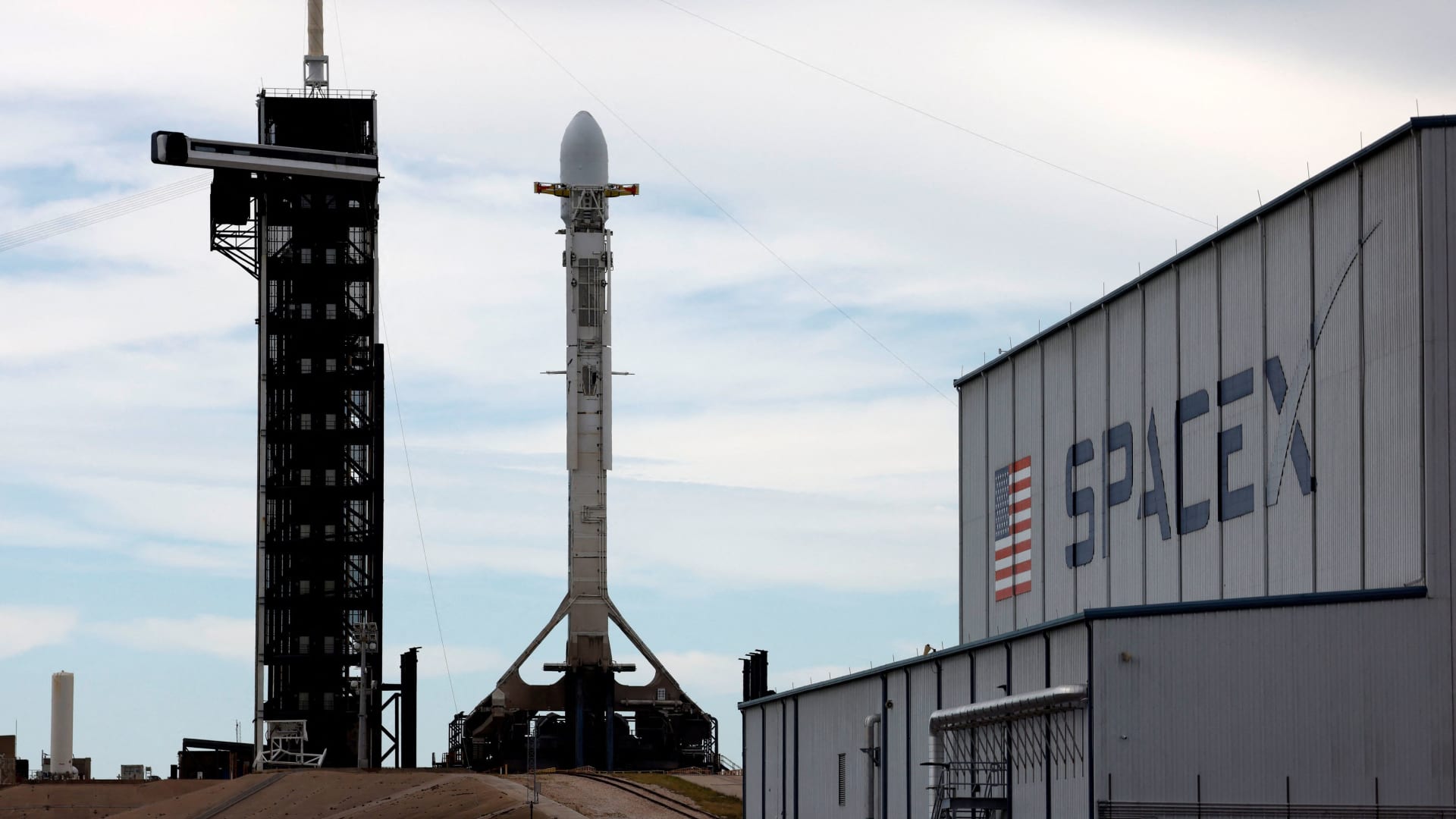
- IPO Progress: SpaceX is reportedly preparing to file its initial public offering (IPO) prospectus with regulators in the coming days, with expectations to raise over $75 billion, potentially making it one of the largest IPOs in history, reflecting strong market confidence in its future growth.
- Market Position: SpaceX is the largest holding in the Baron Partners Fund (BPTRX), accounting for nearly one-third of the portfolio, and together with Tesla, they represent over half of the fund's holdings, indicating a significant reliance on Musk-led companies by investors.
- Fund Performance: In the ARK Venture Fund (ARKVX), SpaceX comprises 18% of the holdings, and despite the fund being up over 6% in 2026, it faces market volatility challenges, showcasing ongoing interest in high-risk investments.
- Market Reaction: Following the IPO report, EchoStar's stock jumped 8%, with a year-to-date increase of around 10%, indicating positive market expectations for SpaceX's potential listing and further boosting the performance of related stocks.
See More

SpaceX IPO Could Become the Largest Ever
- Positive Market Reaction: Space stocks surged on Wednesday following reports that SpaceX could file for an IPO this week, with Firefly Aerospace rising 14% since its August debut, indicating strong investor interest in the space sector.
- Massive IPO Potential: The highly anticipated SpaceX IPO is expected to raise over $75 billion, potentially becoming the largest IPO in history with a target valuation of $1.75 trillion, reflecting market confidence in its future growth.
- Accelerated Industry Consolidation: SpaceX's acquisition of Musk's xAI last month, valuing the combined entity at $1.25 trillion, highlights its strategic focus on integrating AI and space technologies, which may drive innovation and competition in the market.
- Rising Demand for Space Infrastructure: The space sector is benefiting from increased demand for AI infrastructure and national defense initiatives, despite challenges such as high costs and limited launch availability, suggesting a positive outlook for the industry.
See More
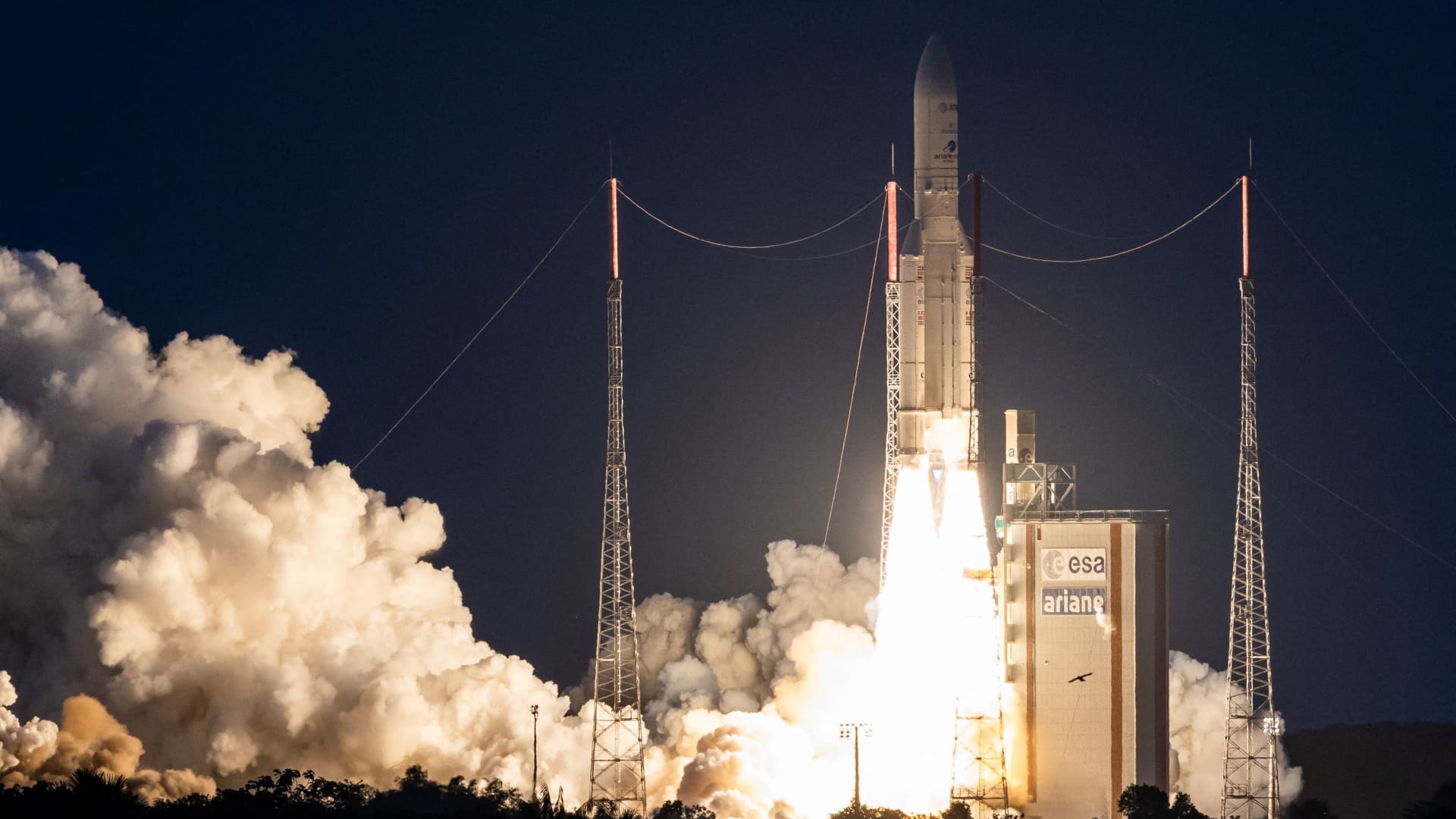
Surge in Low Earth Orbit Satellite Investments

- Investment Surge: In 2025, investments in the low Earth orbit satellite sector exceeded $45 billion, a significant increase from $25 billion in 2024, highlighting the strategic importance and market potential that is attracting global investor interest.
- Technological Innovation: Nvidia unveiled a new platform aimed at integrating AI computing into orbit, supporting autonomous space operations and geospatial intelligence, which could fundamentally transform the functionality of orbital data centers and drive technological advancements in the industry.
- Market Competition: Amazon plans to deploy over 3,000 satellites in low Earth orbit, with the FCC approving an additional 4,500, while Blue Origin aims to launch 5,000 satellites by late 2027, indicating intensifying market competition and rapid technological development.
- Regulatory Challenges: Experts argue that existing legal frameworks are inadequate for managing the complexities and risks of low Earth orbit, necessitating a new regulatory perspective to adapt to commercially driven space activities, ensuring sustainability and safety.
See More
Delta Airlines Partners with Amazon Leo for High-Speed Internet Service
- Partnership Agreement: Delta Airlines has partnered with Amazon Leo to provide satellite Wi-Fi service on 500 aircraft starting in 2028, marking a significant advancement in the airline's in-flight internet and streaming service competition.
- Technology Upgrade: The new service will initially be available on domestic-focused narrow-body planes like the Boeing 737 and Airbus A321, addressing passenger demands for faster speeds and greater bandwidth, thereby enhancing overall passenger experience and satisfaction.
- Commercial Opportunities: Delta plans to create commerce opportunities by updating in-flight entertainment content and offering larger movie libraries, which is expected to attract more loyal customers and generate revenue through personalized advertising.
- Satellite Network Expansion: Amazon Leo currently has about 200 satellites in orbit, aiming to build a constellation of approximately 3,200 low Earth orbit satellites to support high-speed connectivity needs for businesses and consumers, further driving digital transformation in the airline industry.
See More
Meta Faces Huge Damages and Job Cuts Amid Legal Challenges
- Legal Challenges and Damages: A Los Angeles jury found that Meta and YouTube failed to warn users about the risks of social media use, imposing $3 million in compensatory and punitive damages, which could exert financial pressure and negatively impact stock performance for both companies.
- Child Protection Lawsuit: In a separate trial in New Mexico, Meta was ordered to pay $375 million for violating the state's unfair practices act, increasing the company's legal risks and potentially prompting significant changes in content monitoring and algorithm adjustments.
- Job Cuts and Incentives: Meta plans to cut several hundred jobs while offering new stock options to key leaders to retain and incentivize top talent, reflecting a strategic shift in response to legal and market pressures.
- AI Competition and Leadership Changes: Meta has reinstated Hugo Barra this week to regain its competitive edge in the artificial intelligence race, a personnel change that may influence the company's technological development direction and market positioning.
See More
GPS Disruptions Surge Amid Middle East Conflict
- Surge in GPS Disruptions: Following the U.S. and Israel's pre-emptive strikes against Iran on February 28, GPS disruptions have surged in the Middle East, with over 1,100 vessels experiencing AIS signal interference within the first 24 hours, affecting maritime, aviation, and land transportation while exposing vulnerabilities in the American-made satellite navigation system.
- Reasons for Interference: Analysts suggest that Gulf states may be jamming satellite navigation signals to protect critical infrastructure from drone and missile attacks, a tactic increasingly common in modern warfare, as evidenced by similar disruptions following Russia's invasion of Ukraine in 2022.
- Impact on Shipping: Despite the significant reduction in shipping activity due to the blockage of the Strait of Hormuz, foreign-flagged vessels from countries like China and India still have transit rights, making accurate positioning data crucial for avoiding collisions and grounding risks in the narrow strait, which measures only 21 miles (33 km) at its narrowest point.
- Emerging Technology Trends: As GPS signal jamming intensifies, industry experts highlight the vulnerabilities of satellite navigation systems, noting that modern chips can receive signals from multiple global navigation systems, with Iran potentially utilizing China's BeiDou, posing a challenge to U.S. strategic dominance in global navigation.
See More
SpaceX Poised for IPO, Expected to Raise Over $75 Billion
- IPO Progress: SpaceX is reportedly preparing to file its initial public offering (IPO) prospectus with regulators in the coming days, with expectations to raise over $75 billion, potentially making it one of the largest IPOs in history, reflecting strong market confidence in its future growth.
- Market Position: SpaceX is the largest holding in the Baron Partners Fund (BPTRX), accounting for nearly one-third of the portfolio, and together with Tesla, they represent over half of the fund's holdings, indicating a significant reliance on Musk-led companies by investors.
- Fund Performance: In the ARK Venture Fund (ARKVX), SpaceX comprises 18% of the holdings, and despite the fund being up over 6% in 2026, it faces market volatility challenges, showcasing ongoing interest in high-risk investments.
- Market Reaction: Following the IPO report, EchoStar's stock jumped 8%, with a year-to-date increase of around 10%, indicating positive market expectations for SpaceX's potential listing and further boosting the performance of related stocks.
See More
SpaceX IPO Could Become the Largest Ever
- Positive Market Reaction: Space stocks surged on Wednesday following reports that SpaceX could file for an IPO this week, with Firefly Aerospace rising 14% since its August debut, indicating strong investor interest in the space sector.
- Massive IPO Potential: The highly anticipated SpaceX IPO is expected to raise over $75 billion, potentially becoming the largest IPO in history with a target valuation of $1.75 trillion, reflecting market confidence in its future growth.
- Accelerated Industry Consolidation: SpaceX's acquisition of Musk's xAI last month, valuing the combined entity at $1.25 trillion, highlights its strategic focus on integrating AI and space technologies, which may drive innovation and competition in the market.
- Rising Demand for Space Infrastructure: The space sector is benefiting from increased demand for AI infrastructure and national defense initiatives, despite challenges such as high costs and limited launch availability, suggesting a positive outlook for the industry.
See More
Surge in Low Earth Orbit Satellite Investments
- Investment Surge: In 2025, investments in the low Earth orbit satellite sector exceeded $45 billion, a significant increase from $25 billion in 2024, highlighting the strategic importance and market potential that is attracting global investor interest.
- Technological Innovation: Nvidia unveiled a new platform aimed at integrating AI computing into orbit, supporting autonomous space operations and geospatial intelligence, which could fundamentally transform the functionality of orbital data centers and drive technological advancements in the industry.
- Market Competition: Amazon plans to deploy over 3,000 satellites in low Earth orbit, with the FCC approving an additional 4,500, while Blue Origin aims to launch 5,000 satellites by late 2027, indicating intensifying market competition and rapid technological development.
- Regulatory Challenges: Experts argue that existing legal frameworks are inadequate for managing the complexities and risks of low Earth orbit, necessitating a new regulatory perspective to adapt to commercially driven space activities, ensuring sustainability and safety.
See More