U.S. Senators Propose Ban on Prediction Market Trading for Officials
Written by Emily J. Thompson, Senior Investment Analyst
Updated: Mar 05 2026
0mins

Should l Buy CBOE?
Source: CNBC
- Legislative Proposal: Senators Jeff Merkley and Amy Klobuchar have introduced a bill that would prohibit the President, Vice President, and members of Congress from participating in prediction market trading, aiming to prevent financial gains from insider information, which could significantly impact the legitimacy of prediction markets.
- Enhanced Market Regulation: The proposed legislation will restrict prediction market activities for senior executive officials and impose fines starting at $10,000 for violators, reflecting lawmakers' growing concern over prediction markets, especially following the recent Iran conflict.
- Insider Trading Concerns: Merkley highlighted that activities in prediction markets could lead to corruption and conflicts of interest, particularly after an anonymous user profited over $400,000 by predicting the U.S. invasion of Venezuela, underscoring the need for market transparency and integrity.
- Political Response: Although the bill is unlikely to pass in the Republican-controlled Congress, it may lay the groundwork for future regulation of prediction markets, indicating increasing apprehension among Democrats regarding market behaviors and potentially prompting broader policy discussions.
Trade with 70% Backtested Accuracy
Stop guessing "Should I Buy CBOE?" and start using high-conviction signals backed by rigorous historical data.
Sign up today to access powerful investing tools and make smarter, data-driven decisions.
Analyst Views on CBOE
Wall Street analysts forecast CBOE stock price to fall
8 Analyst Rating
2 Buy
5 Hold
1 Sell
Hold
Current: 297.450

Low
240.00
Averages
290.86
High
317.00
Current: 297.450
Low
240.00
Averages
290.86
High
317.00
About CBOE
Cboe Global Markets, Inc. is a derivatives and securities exchange network delivering trading, clearing, and investment solutions. The Company provides trading solutions and products in equities, derivatives, and foreign exchange (FX). Its segments include Options, North American Equities, Europe and Asia Pacific, Futures, and Global FX. The Options segment includes options on market indices, as well as on the stocks of individual corporations and on exchange-traded products (ETPs) such as exchange-traded funds (ETFs) and exchange-traded notes (ETNs), which are multi-listed options and listed on a non-exclusive basis. The North American Equities segment includes United States equities and ETP transaction services that occur on fully electronic exchanges. The Europe and Asia Pacific segment includes derivatives transaction services, ETPs, including exchange-traded funds, exchange-traded notes, exchange-traded commodities, and international depository receipts.
About the author

Emily J. Thompson
Emily J. Thompson, a Chartered Financial Analyst (CFA) with 12 years in investment research, graduated with honors from the Wharton School. Specializing in industrial and technology stocks, she provides in-depth analysis for Intellectia’s earnings and market brief reports.

Cboe Sells Canadian and Australian Exchanges for $300 Million

- Strategic Realignment: Cboe Global Markets has agreed to sell its Canadian and Australian exchanges to TMX Group for $300 million, aiming to divest non-core assets and focus on core strengths and emerging opportunities, thereby optimizing resource allocation.
- Financial Impact Update: Cboe will provide an update on the potential financial impact of the transaction during its first quarter earnings call on May 1, 2026, demonstrating the company's commitment to transparency and accountability to investors.
- Advisory Support: Barclays Capital Inc. is acting as the financial advisor to Cboe in this transaction, indicating the company's pursuit of professional support to ensure smooth execution and maximize value during the strategic transition.
- Market Reaction Anticipation: This divestment may affect Cboe's market positioning and shareholder confidence, particularly as the company undergoes transformation, with investors closely monitoring subsequent financial performance and strategic execution.
See More
Cboe Sells Australian and Canadian Equities to TMX for $300M
- Strategic Restructuring: Cboe Global Markets has agreed to sell its Australian and Canadian equities businesses to TMX Group for $300 million, marking a significant step in its plan to streamline operations and refocus its portfolio to enhance core competencies in derivatives and data.
- Market Opportunities: Cboe's EVP, Prashant Bhatia, highlighted that the industry is undergoing rapid transformation driven by increased retail participation and demand for innovative products, prompting Cboe to concentrate on areas where it can lead and differentiate to accelerate growth.
- Transaction Conditions: The sale is subject to customary closing conditions, including regulatory approvals, and Cboe will continue to operate both exchanges as usual until the transaction closes, ensuring continuity of service for clients.
- Financial Impact Disclosure: Cboe indicated that it will provide more details on the potential financial implications of the transaction during its Q1 earnings call scheduled for May 1, 2026, further clarifying how this strategic shift may affect future performance.
See More

Shell plc Announces Share Buyback Program Details

- Share Buyback Volume: On April 17, 2026, Shell plc repurchased 856,258 shares at a highest price of £33.8750 and a lowest price of £31.7150, reflecting the company's confidence in its stock and aiming to enhance shareholder value.
- Diverse Trading Venues: The buyback occurred across multiple trading venues, including LSE, Chi-X, and BATS, ensuring liquidity and competitive pricing, thereby optimizing the cost of the repurchase.
- Background of Buyback Program: This share repurchase is part of the program announced on February 5, 2026, indicating the company's proactive measures to protect shareholder interests amid market volatility.
- Compliance Assurance: Shell's buyback program adheres to Chapter 9 of the UK Listing Rules and Market Abuse Regulation, ensuring all transactions comply with regulatory requirements, which enhances investor trust in corporate governance.
See More
Wall Street Deciphers Trump's Brinkmanship Strategy

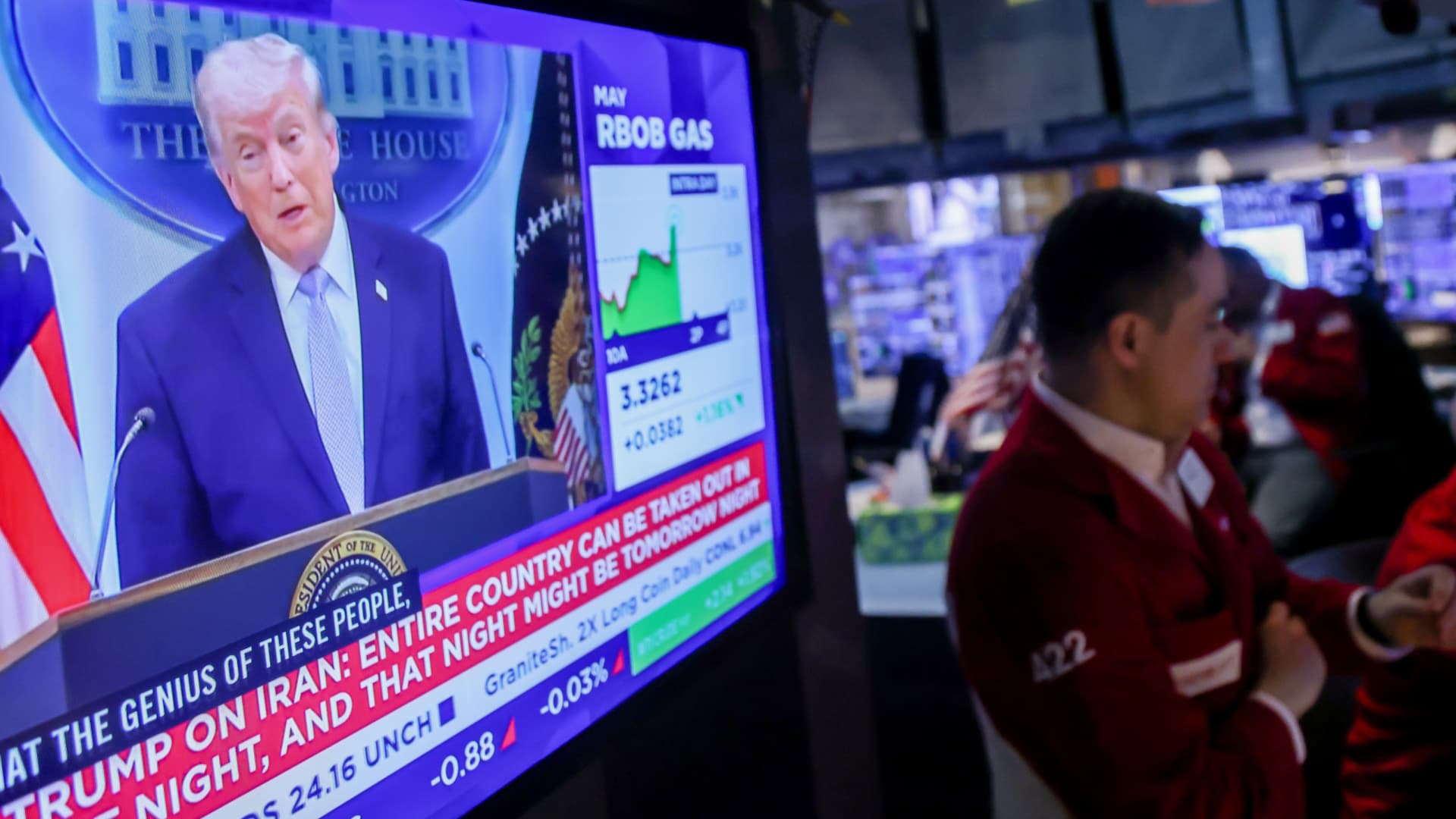
- Market Reaction Pattern: As investors increasingly believe that Trump's escalation tactics follow a familiar script, the so-called TACO trade (Trump Always Chickens Out) begins to shape market positioning, with traders buying on weakness in anticipation of an eventual off-ramp, demonstrating the market's adaptation to Trump's threats.
- Oil and Stock Volatility: Trump's pause on planned strikes against Iran just minutes before the deadline led to a surge in stocks, with the S&P 500 rising 3.4% after six weeks of declines, while oil prices tumbled, reflecting that the market had already anticipated this news.
- Increased Investor Confidence: As geopolitical-driven selling has become progressively muted, investor confidence in the TACO trade has grown, with the market's response to extreme threats becoming increasingly subdued, indicating a reassessment of risks based on historical experiences.
- Policy Constraint Risks: The market's diminishing reaction to Trump's aggressive rhetoric may weaken its role as a policy constraint, raising the risk of further brinkmanship, with analysts warning that this situation could lead to more dangerous outcomes.
See More
CBOE GLOBAL MARKETS INC: BARCLAYS INCREASES TARGET PRICE FROM $317 TO $351
Barclays Raises Price Target: Barclays has increased its price target for a specific stock from $317 to $351.
Market Impact: This adjustment reflects Barclays' positive outlook on the stock's performance in the global markets.
See More
House Democrats Pressure CFTC to Strengthen Prediction Market Oversight


- Regulatory Pressure: House Democrats sent a letter to CFTC Chair Michael Selig questioning the agency's lack of action against offshore prediction markets related to war and government actions, highlighting growing concerns over insider trading.
- Insider Trading Concerns: Recent allegations of insider trading linked to U.S. government actions, particularly regarding Venezuela and Iran, have prompted lawmakers to demand stricter measures from the CFTC to ensure market fairness and transparency.
- Frequent Legislative Actions: Democrats have introduced several bills aimed at restricting trading on certain event contracts, especially those involving sports, government actions, and war, reflecting heightened vigilance regarding the potential risks of prediction markets.
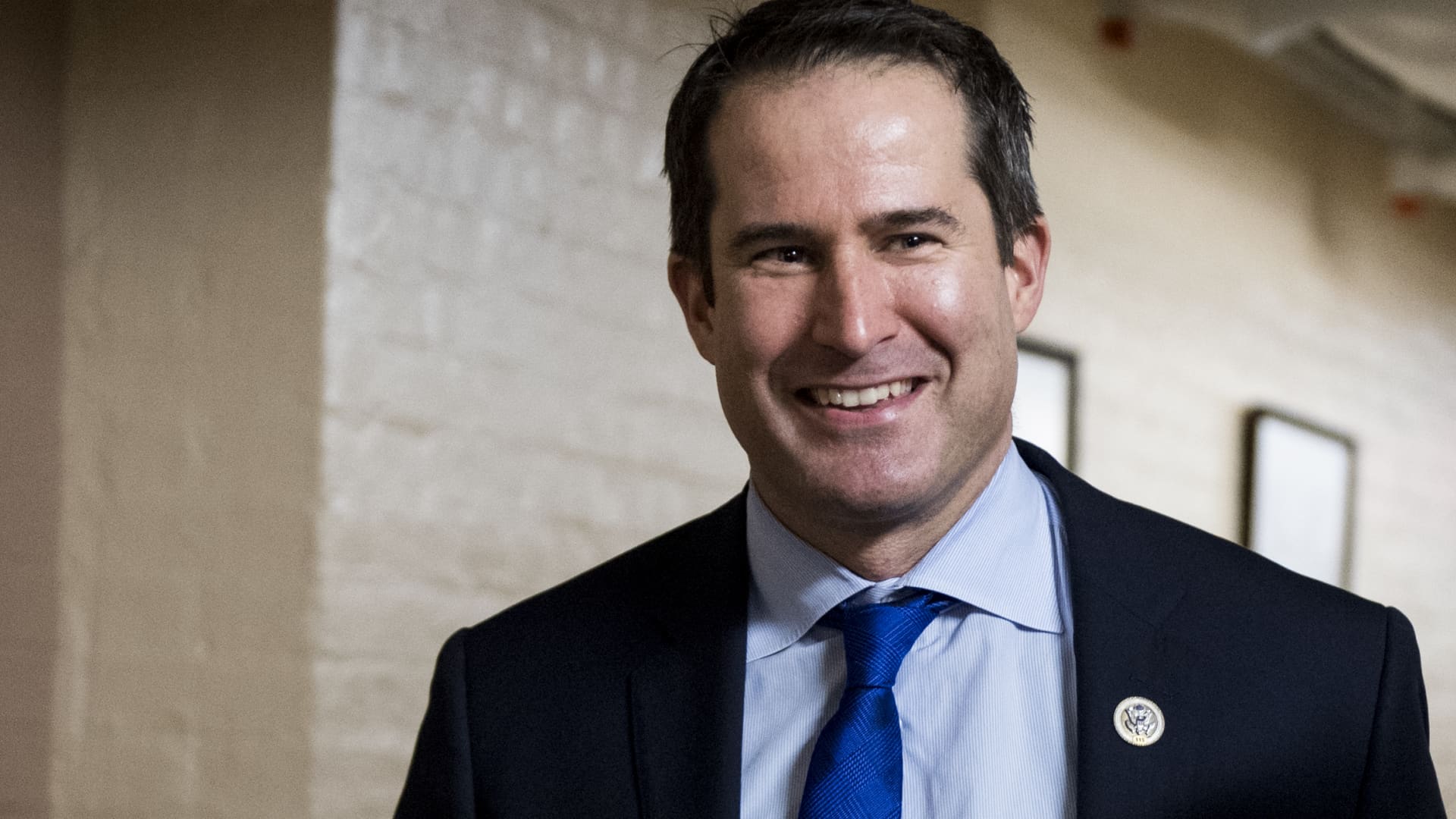
- Policy Ban Implementation: Rep. Seth Moulton announced a ban on his office staff using prediction markets, further underscoring lawmakers' regulatory needs and emphasizing a zero-tolerance stance on insider trading.
See More
Cboe Sells Canadian and Australian Exchanges for $300 Million
- Strategic Realignment: Cboe Global Markets has agreed to sell its Canadian and Australian exchanges to TMX Group for $300 million, aiming to divest non-core assets and focus on core strengths and emerging opportunities, thereby optimizing resource allocation.
- Financial Impact Update: Cboe will provide an update on the potential financial impact of the transaction during its first quarter earnings call on May 1, 2026, demonstrating the company's commitment to transparency and accountability to investors.
- Advisory Support: Barclays Capital Inc. is acting as the financial advisor to Cboe in this transaction, indicating the company's pursuit of professional support to ensure smooth execution and maximize value during the strategic transition.
- Market Reaction Anticipation: This divestment may affect Cboe's market positioning and shareholder confidence, particularly as the company undergoes transformation, with investors closely monitoring subsequent financial performance and strategic execution.
See More
Cboe Sells Australian and Canadian Equities to TMX for $300M
- Strategic Restructuring: Cboe Global Markets has agreed to sell its Australian and Canadian equities businesses to TMX Group for $300 million, marking a significant step in its plan to streamline operations and refocus its portfolio to enhance core competencies in derivatives and data.
- Market Opportunities: Cboe's EVP, Prashant Bhatia, highlighted that the industry is undergoing rapid transformation driven by increased retail participation and demand for innovative products, prompting Cboe to concentrate on areas where it can lead and differentiate to accelerate growth.
- Transaction Conditions: The sale is subject to customary closing conditions, including regulatory approvals, and Cboe will continue to operate both exchanges as usual until the transaction closes, ensuring continuity of service for clients.
- Financial Impact Disclosure: Cboe indicated that it will provide more details on the potential financial implications of the transaction during its Q1 earnings call scheduled for May 1, 2026, further clarifying how this strategic shift may affect future performance.
See More
Shell plc Announces Share Buyback Program Details
- Share Buyback Volume: On April 17, 2026, Shell plc repurchased 856,258 shares at a highest price of £33.8750 and a lowest price of £31.7150, reflecting the company's confidence in its stock and aiming to enhance shareholder value.
- Diverse Trading Venues: The buyback occurred across multiple trading venues, including LSE, Chi-X, and BATS, ensuring liquidity and competitive pricing, thereby optimizing the cost of the repurchase.
- Background of Buyback Program: This share repurchase is part of the program announced on February 5, 2026, indicating the company's proactive measures to protect shareholder interests amid market volatility.
- Compliance Assurance: Shell's buyback program adheres to Chapter 9 of the UK Listing Rules and Market Abuse Regulation, ensuring all transactions comply with regulatory requirements, which enhances investor trust in corporate governance.
See More
Wall Street Deciphers Trump's Brinkmanship Strategy
- Market Reaction Pattern: As investors increasingly believe that Trump's escalation tactics follow a familiar script, the so-called TACO trade (Trump Always Chickens Out) begins to shape market positioning, with traders buying on weakness in anticipation of an eventual off-ramp, demonstrating the market's adaptation to Trump's threats.
- Oil and Stock Volatility: Trump's pause on planned strikes against Iran just minutes before the deadline led to a surge in stocks, with the S&P 500 rising 3.4% after six weeks of declines, while oil prices tumbled, reflecting that the market had already anticipated this news.
- Increased Investor Confidence: As geopolitical-driven selling has become progressively muted, investor confidence in the TACO trade has grown, with the market's response to extreme threats becoming increasingly subdued, indicating a reassessment of risks based on historical experiences.
- Policy Constraint Risks: The market's diminishing reaction to Trump's aggressive rhetoric may weaken its role as a policy constraint, raising the risk of further brinkmanship, with analysts warning that this situation could lead to more dangerous outcomes.
See More
CBOE GLOBAL MARKETS INC: BARCLAYS INCREASES TARGET PRICE FROM $317 TO $351
Barclays Raises Price Target: Barclays has increased its price target for a specific stock from $317 to $351.
Market Impact: This adjustment reflects Barclays' positive outlook on the stock's performance in the global markets.
See More
House Democrats Pressure CFTC to Strengthen Prediction Market Oversight
- Regulatory Pressure: House Democrats sent a letter to CFTC Chair Michael Selig questioning the agency's lack of action against offshore prediction markets related to war and government actions, highlighting growing concerns over insider trading.
- Insider Trading Concerns: Recent allegations of insider trading linked to U.S. government actions, particularly regarding Venezuela and Iran, have prompted lawmakers to demand stricter measures from the CFTC to ensure market fairness and transparency.
- Frequent Legislative Actions: Democrats have introduced several bills aimed at restricting trading on certain event contracts, especially those involving sports, government actions, and war, reflecting heightened vigilance regarding the potential risks of prediction markets.
- Policy Ban Implementation: Rep. Seth Moulton announced a ban on his office staff using prediction markets, further underscoring lawmakers' regulatory needs and emphasizing a zero-tolerance stance on insider trading.
See More