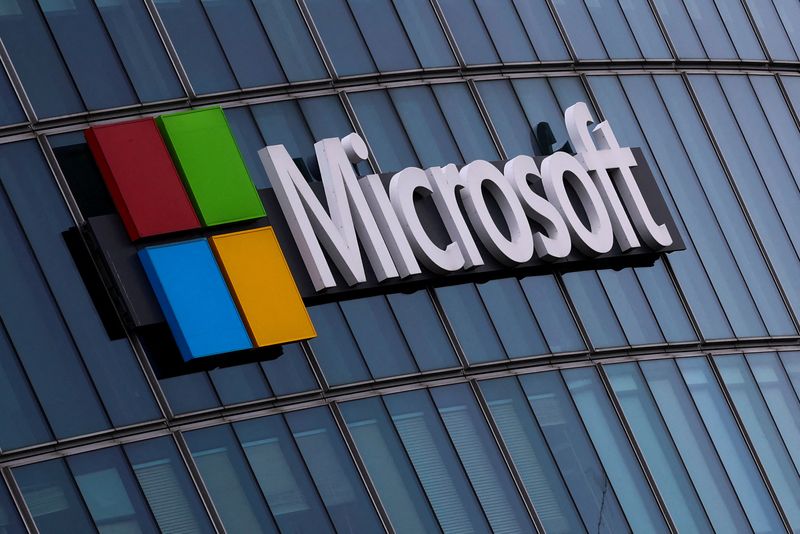
Microsoft Launches First Voluntary Employee Buyout Program
Written by Emily J. Thompson, Senior Investment Analyst
Updated: 1 hour ago
0mins
Should l Buy MSFT?
Source: Newsfilter
- Historic Buyout Program: Microsoft is planning its first voluntary employee buyout program in its 51-year history, targeting U.S. workers at the senior director level and below, with eligibility based on a combined age and tenure of 70 years, aimed at optimizing human resource allocation and enhancing employee satisfaction.
- Participation Restrictions: Employees with sales incentive plans are excluded from this program, which may limit options for some staff and reflects the company's strategic considerations in controlling costs and optimizing team structure.
- Stock Reward Adjustments: Microsoft will also modify how it allocates stock for annual rewards, discontinuing the requirement for managers to tie stock directly to cash bonuses, a change that may impact employee incentive mechanisms and aims to enhance long-term performance orientation.
- Market Reaction Pending: While Microsoft has not yet formally responded to this initiative, the move may attract market attention regarding its human resource management strategies, particularly in the current economic climate where balancing costs and employee incentives will be a critical issue.
Trade with 70% Backtested Accuracy
Stop guessing "Should I Buy MSFT?" and start using high-conviction signals backed by rigorous historical data.
Sign up today to access powerful investing tools and make smarter, data-driven decisions.
Analyst Views on MSFT
Wall Street analysts forecast MSFT stock price to rise
34 Analyst Rating
32 Buy
2 Hold
0 Sell
Strong Buy
Current: 432.920

Low
500.00
Averages
631.36
High
678.00
Current: 432.920
Low
500.00
Averages
631.36
High
678.00
About MSFT
Microsoft Corporation is a technology company. The Company develops and supports software, services, devices, and solutions. The Company’s segments include Productivity and Business Processes, Intelligent Cloud, and More Personal Computing. The Productivity and Business Processes segment consists of products and services in its portfolio of productivity, communication, and information services. This segment primarily comprises: Office Commercial, Office Consumer, LinkedIn, and Dynamics business solutions. The Intelligent Cloud segment consists of server products and cloud services, including Azure and other cloud services, SQL Server, Windows Server, Visual Studio, System Center, and related Client Access Licenses (CALs), and Nuance and GitHub; and Enterprise Services, including enterprise support services, industry solutions and Nuance professional services. The More Personal Computing segment primarily comprises Windows, Devices, Gaming, and search and news advertising.
About the author

Emily J. Thompson
Emily J. Thompson, a Chartered Financial Analyst (CFA) with 12 years in investment research, graduated with honors from the Wharton School. Specializing in industrial and technology stocks, she provides in-depth analysis for Intellectia’s earnings and market brief reports.

Microsoft Explores Cursor Acquisition but Holds Off on Bid

- Acquisition Interest: Microsoft recently considered acquiring AI coding startup Cursor for $60 billion but ultimately did not make an offer, indicating competitive pressure in the rapidly evolving AI tools market.
- Market Competition: Despite GitHub Copilot gaining 4.7 million paying subscribers, a 75% increase year-over-year, Cursor and its rivals Anthropic and OpenAI continue to dominate the market, highlighting Microsoft's insufficient investment in the AI sector.
- SpaceX Acquisition: SpaceX announced it has secured the right to acquire Cursor for $60 billion, with a $10 billion penalty if the deal does not close, reflecting Elon Musk's strong interest and investment intentions in the AI space.
- Financing Dynamics: Cursor was valued at $50 billion during its fundraising process, underscoring the strong demand for tools that facilitate rapid website and application development, while also indicating ongoing investor interest in the AI sector.
See More

Software Stocks Plummet Amid Disappointing Earnings Reports


- Disappointing Earnings Impact: ServiceNow's shares plummeted 17% on Thursday, marking its worst day ever, as geopolitical tensions in the Middle East were cited as a 'headwind' affecting quarterly subscription revenue, highlighting the negative impact of global conflicts on software performance.
- Rising Market Concerns: IBM beat earnings and revenue estimates but maintained its guidance, resulting in a 9% stock drop, indicating investor fears that AI tools could disrupt traditional cloud subscription models, putting pressure on the entire software sector.
- Overall Downward Trend: Salesforce and HubSpot each fell about 9%, while Adobe and Intuit dropped roughly 7%, and Oracle declined about 5%, with Workday sliding 10% and down over 45% year-to-date, reflecting widespread pessimism in the software stock market.
- ETF Decline: The iShares Expanded Tech-Software ETF (IGV) fell about 5% on Thursday and is down approximately 18% year-to-date, indicating a lack of investor confidence in the software industry's growth prospects, especially amid intensifying AI competition.
See More
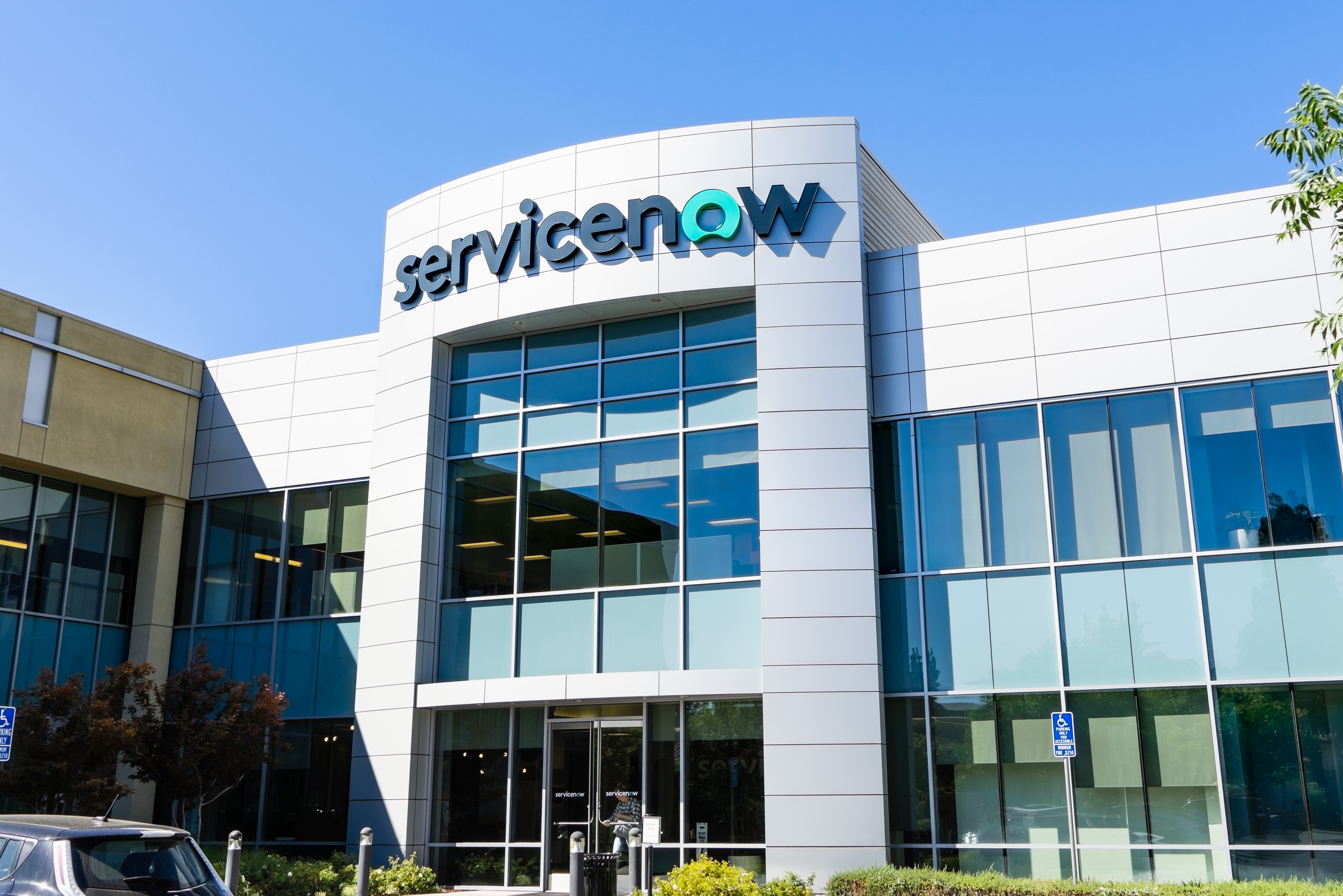
ServiceNow Shares Plunge 17%, Marking Historic Low Amid Mixed Earnings
- Disappointing Earnings: ServiceNow's Q1 results showed a 22% year-over-year revenue increase, yet a lower-than-expected gross margin outlook led to a 17% stock plunge on Thursday, potentially marking the largest single-day decline in the company's history, indicating a significant deterioration in investor sentiment.
- Market Reaction: The sell-off extended to other enterprise software stocks, with the iShares Expanded Tech-Software Sector ETF dropping 5.5%, which, if sustained, would represent the largest single-day decline in over a year, reflecting growing concerns about the overall software sector.
- Analysts Remain Optimistic: Morgan Stanley analysts maintained an Overweight rating on ServiceNow while lowering the price target from $210 to $180, believing the company is well-positioned for strong growth in the AI era, with expectations for significant revenue acceleration in the second half of FY26.
- Strategic Adjustments and Outlook: ServiceNow raised its annual recurring revenue target for Now Assist from $1 billion to $1.5 billion, demonstrating confidence in market demand during the new product cycle, suggesting that despite current short-term challenges, the long-term growth outlook remains positive.
See More

Investors Seek Value in Software Sector Amid Market Challenges


- Market Recovery Signs: Despite the iShares Expanded Tech-Software Sector ETF (IGV) plummeting 35.7% in 2022, it rebounded 58% in 2023, indicating renewed investor interest in the software sector, particularly as they seek undervalued companies.
- Investment Opportunity in Workday: First Eagle Investments believes Workday has been unfairly punished, as its stock is down over 53% from recent highs, yet its critical role among Fortune 500 companies makes it a solid investment choice, returning approximately 33% over the past year.
- Adobe's Buyback Plan: Adobe's board authorized a $25 billion share repurchase program, reflecting confidence in the company's outlook, with the stock rebounding over 5% this month, attracting investor attention.
- Potential of Market Leaders: Analyst Gil Luria highlighted companies like ServiceNow, Dynatrace, and Box trading below cash flow levels, showing good growth and resilience despite market fluctuations, indicating opportunities for success amid technological disruption.
See More

Microsoft Launches First Voluntary Employee Buyout Program
- Historic Buyout Program: Microsoft is planning its first voluntary employee buyout program in its 51-year history, targeting U.S. workers at the senior director level and below, with eligibility based on a combined age and tenure of 70 years, aimed at optimizing human resource allocation and enhancing employee satisfaction.
- Participation Restrictions: Employees with sales incentive plans are excluded from this program, which may limit options for some staff and reflects the company's strategic considerations in controlling costs and optimizing team structure.
- Stock Reward Adjustments: Microsoft will also modify how it allocates stock for annual rewards, discontinuing the requirement for managers to tie stock directly to cash bonuses, a change that may impact employee incentive mechanisms and aims to enhance long-term performance orientation.
- Market Reaction Pending: While Microsoft has not yet formally responded to this initiative, the move may attract market attention regarding its human resource management strategies, particularly in the current economic climate where balancing costs and employee incentives will be a critical issue.
See More

Applied Digital Signs $7.5 Billion Data Center Lease with Hyperscaler


- Major Lease Agreement: Applied Digital has signed a 15-year lease worth $7.5 billion with a U.S.-based hyperscaler, increasing its total contracted lease revenue to over $23 billion, indicating strong growth potential in the data center market.
- Diversified Customer Base: The lease ensures that over 50% of total contracted revenue is backed by investment-grade customers, marking a significant step in enhancing the company's customer diversification and revenue quality, thereby boosting market confidence.
- Data Center Expansion Plans: The Delta Forge 1 data center is expected to be operational by mid-2027, with a compute capacity of 430 megawatts, further solidifying Applied Digital's position in the rapidly growing AI computing demand.
- Financing for Development: The company has also entered into agreements to borrow up to $600 million to support the development of the Polaris Forge 1 data center and other pre-lease and post-lease activities, demonstrating a proactive approach to future growth.
See More
Microsoft Explores Cursor Acquisition but Holds Off on Bid
- Acquisition Interest: Microsoft recently considered acquiring AI coding startup Cursor for $60 billion but ultimately did not make an offer, indicating competitive pressure in the rapidly evolving AI tools market.
- Market Competition: Despite GitHub Copilot gaining 4.7 million paying subscribers, a 75% increase year-over-year, Cursor and its rivals Anthropic and OpenAI continue to dominate the market, highlighting Microsoft's insufficient investment in the AI sector.
- SpaceX Acquisition: SpaceX announced it has secured the right to acquire Cursor for $60 billion, with a $10 billion penalty if the deal does not close, reflecting Elon Musk's strong interest and investment intentions in the AI space.
- Financing Dynamics: Cursor was valued at $50 billion during its fundraising process, underscoring the strong demand for tools that facilitate rapid website and application development, while also indicating ongoing investor interest in the AI sector.
See More
Software Stocks Plummet Amid Disappointing Earnings Reports
- Disappointing Earnings Impact: ServiceNow's shares plummeted 17% on Thursday, marking its worst day ever, as geopolitical tensions in the Middle East were cited as a 'headwind' affecting quarterly subscription revenue, highlighting the negative impact of global conflicts on software performance.
- Rising Market Concerns: IBM beat earnings and revenue estimates but maintained its guidance, resulting in a 9% stock drop, indicating investor fears that AI tools could disrupt traditional cloud subscription models, putting pressure on the entire software sector.
- Overall Downward Trend: Salesforce and HubSpot each fell about 9%, while Adobe and Intuit dropped roughly 7%, and Oracle declined about 5%, with Workday sliding 10% and down over 45% year-to-date, reflecting widespread pessimism in the software stock market.
- ETF Decline: The iShares Expanded Tech-Software ETF (IGV) fell about 5% on Thursday and is down approximately 18% year-to-date, indicating a lack of investor confidence in the software industry's growth prospects, especially amid intensifying AI competition.
See More
ServiceNow Shares Plunge 17%, Marking Historic Low Amid Mixed Earnings
- Disappointing Earnings: ServiceNow's Q1 results showed a 22% year-over-year revenue increase, yet a lower-than-expected gross margin outlook led to a 17% stock plunge on Thursday, potentially marking the largest single-day decline in the company's history, indicating a significant deterioration in investor sentiment.
- Market Reaction: The sell-off extended to other enterprise software stocks, with the iShares Expanded Tech-Software Sector ETF dropping 5.5%, which, if sustained, would represent the largest single-day decline in over a year, reflecting growing concerns about the overall software sector.
- Analysts Remain Optimistic: Morgan Stanley analysts maintained an Overweight rating on ServiceNow while lowering the price target from $210 to $180, believing the company is well-positioned for strong growth in the AI era, with expectations for significant revenue acceleration in the second half of FY26.
- Strategic Adjustments and Outlook: ServiceNow raised its annual recurring revenue target for Now Assist from $1 billion to $1.5 billion, demonstrating confidence in market demand during the new product cycle, suggesting that despite current short-term challenges, the long-term growth outlook remains positive.
See More
Investors Seek Value in Software Sector Amid Market Challenges
- Market Recovery Signs: Despite the iShares Expanded Tech-Software Sector ETF (IGV) plummeting 35.7% in 2022, it rebounded 58% in 2023, indicating renewed investor interest in the software sector, particularly as they seek undervalued companies.
- Investment Opportunity in Workday: First Eagle Investments believes Workday has been unfairly punished, as its stock is down over 53% from recent highs, yet its critical role among Fortune 500 companies makes it a solid investment choice, returning approximately 33% over the past year.
- Adobe's Buyback Plan: Adobe's board authorized a $25 billion share repurchase program, reflecting confidence in the company's outlook, with the stock rebounding over 5% this month, attracting investor attention.
- Potential of Market Leaders: Analyst Gil Luria highlighted companies like ServiceNow, Dynatrace, and Box trading below cash flow levels, showing good growth and resilience despite market fluctuations, indicating opportunities for success amid technological disruption.
See More
Microsoft Launches First Voluntary Employee Buyout Program
- Historic Buyout Program: Microsoft is planning its first voluntary employee buyout program in its 51-year history, targeting U.S. workers at the senior director level and below, with eligibility based on a combined age and tenure of 70 years, aimed at optimizing human resource allocation and enhancing employee satisfaction.
- Participation Restrictions: Employees with sales incentive plans are excluded from this program, which may limit options for some staff and reflects the company's strategic considerations in controlling costs and optimizing team structure.
- Stock Reward Adjustments: Microsoft will also modify how it allocates stock for annual rewards, discontinuing the requirement for managers to tie stock directly to cash bonuses, a change that may impact employee incentive mechanisms and aims to enhance long-term performance orientation.
- Market Reaction Pending: While Microsoft has not yet formally responded to this initiative, the move may attract market attention regarding its human resource management strategies, particularly in the current economic climate where balancing costs and employee incentives will be a critical issue.
See More
Applied Digital Signs $7.5 Billion Data Center Lease with Hyperscaler
- Major Lease Agreement: Applied Digital has signed a 15-year lease worth $7.5 billion with a U.S.-based hyperscaler, increasing its total contracted lease revenue to over $23 billion, indicating strong growth potential in the data center market.
- Diversified Customer Base: The lease ensures that over 50% of total contracted revenue is backed by investment-grade customers, marking a significant step in enhancing the company's customer diversification and revenue quality, thereby boosting market confidence.
- Data Center Expansion Plans: The Delta Forge 1 data center is expected to be operational by mid-2027, with a compute capacity of 430 megawatts, further solidifying Applied Digital's position in the rapidly growing AI computing demand.
- Financing for Development: The company has also entered into agreements to borrow up to $600 million to support the development of the Polaris Forge 1 data center and other pre-lease and post-lease activities, demonstrating a proactive approach to future growth.
See More