Oil Prices Surge Amid Iran Conflict, Impacting Stocks
Written by Emily J. Thompson, Senior Investment Analyst
Updated: 6 days ago
0mins
Source: NASDAQ.COM
- Surge in Oil Prices: The ongoing conflict with Iran has caused Brent crude prices to rise approximately 15% over the past few days, with a further increase of over 5% today, potentially pushing prices above $100 per barrel, which could have significant implications for global oil markets.
- U.S. Producers' Response: While U.S. producers have the capacity to ramp up production, the time required to bring newly drilled wells online due to infrastructure limitations means that they cannot quickly fill the supply gap in the short term, impacting market stability.
- Rising Transportation Costs: Attacks on several ships by Iran have led to record-high supertanker rates and the cancellation of war risk insurance by insurers, which increases the risks associated with transporting oil out of the region, further constraining oil flow from the Persian Gulf.
- Capital Expenditure Adjustments: In light of the unexpected surge in oil prices, ConocoPhillips has reduced its capital expenditure budget from $12.6 billion last year to $12 billion this year, while Chevron has increased its spending range to $18 billion-$19 billion, reflecting a cautious approach amid market uncertainties.
Trade with 70% Backtested Accuracy
Stop guessing "Should I Buy COP?" and start using high-conviction signals backed by rigorous historical data.
Sign up today to access powerful investing tools and make smarter, data-driven decisions.
Analyst Views on COP
Wall Street analysts forecast COP stock price to fall
19 Analyst Rating
15 Buy
3 Hold
1 Sell
Moderate Buy
Current: 117.030

Low
98.00
Averages
115.67
High
133.00
Current: 117.030
Low
98.00
Averages
115.67
High
133.00
About COP
ConocoPhillips is an exploration and production company. Its Alaska segment primarily explores for, produces, transports and markets crude oil, natural gas and NGLs. The Lower 48 segment consists of operations located in the 48 contiguous states in the United States and the Gulf of Mexico. Canadian operations consist of the Surmont oil sands development in Alberta, the liquids-rich Montney unconventional play in British Columbia and commercial operations. The Europe, Middle East and North Africa segment consists of operations principally located in the Norwegian sector of the North Sea, the Norwegian Sea, Qatar, Libya, Equatorial Guinea and commercial and terminalling operations in the United Kingdom. Asia Pacific segment has exploration and production operations in China, Malaysia, Australia and commercial operations in China, Singapore and Japan. Other International segment includes interests in Colombia as well as contingencies associated with prior operations in other countries.
About the author

Emily J. Thompson
Emily J. Thompson, a Chartered Financial Analyst (CFA) with 12 years in investment research, graduated with honors from the Wharton School. Specializing in industrial and technology stocks, she provides in-depth analysis for Intellectia’s earnings and market brief reports.

US Stocks Rise Amid Oil Price Plunge and Strong Home Sales


- Oil Price Plunge Impact: US stocks are broadly higher today, with the S&P 500 up 0.28%, the Dow Jones up 0.39%, and the Nasdaq 100 up 0.49%, driven by an 11% drop in oil prices, which positively impacts the US economy and may influence Fed policy direction.
- Strong Home Sales Data: February existing home sales in the US rose 1.7% month-over-month to 4.09 million, exceeding expectations of 3.88 million, indicating resilience in the housing market that could further support stock performance.
- Iran Situation Impact: Despite increased Iranian attacks in the Persian Gulf causing the largest refinery in the UAE to halt operations, oil prices have fallen to $84 per barrel due to President Trump's comments, reflecting market sensitivity to geopolitical risks.
- Corporate Earnings Situation: With over 95% of S&P 500 companies having reported earnings, 74% exceeded expectations, and Q4 earnings growth is projected at 8.4%, providing support for the stock market and indicating sustained corporate profitability growth potential.
See More

Democrats Warn of Risks in Iran War Amid Conflicting Claims


- Funding Controversy: Democratic senators expressed strong opposition to President Trump's upcoming supplemental funding request for the Iran war, with Senator Warren stating a firm 'no' on additional funding, highlighting Congress's power to halt such actions and reflecting deep concerns over the war's continuation.
- Escalating War Costs: Reports indicate that U.S. military operations burned through $5.6 billion in munitions within the first two days, with estimated costs reaching approximately $891 million per day, which not only exacerbates fiscal burdens but also risks market volatility and soaring oil prices, impacting economic stability.
- Lack of Strategic Goals: Several senators noted after the briefing that the Trump administration failed to provide clear strategic objectives or timelines, with Senator Kelly remarking that 'they have no plan and no exit strategy,' further clouding the war's outlook.
- Market Reactions: Trump's statements previously led to a market surge and a significant drop in oil prices, yet Democrats warn that the ongoing conflict could lead to renewed market fluctuations, particularly as the security situation in the Strait of Hormuz remains precarious, affecting global oil prices and economic stability.
See More

US Stocks Volatile Amid Middle East Tensions

- Middle East Impact: The S&P 500 Index fell 0.04% and the Dow Jones Industrial Average dropped 0.13% as fresh disruptions in the Persian Gulf raised doubts about President Trump's comments on the Iran war ending soon, indicating market sensitivity to geopolitical tensions.
- Oil Price Fluctuations: Despite the largest refinery in the UAE halting operations due to an Iranian drone attack, April WTI crude oil futures fell 7%, erasing part of the previous 1.5-week rally, reflecting insufficient market reaction to supply disruptions.
- Strong Economic Data: US existing home sales rose 1.7% month-over-month to 4.09 million in February, exceeding expectations and indicating a robust housing market that could support stock prices amid broader market volatility.
- Corporate Earnings Resilience: With over 95% of S&P 500 companies reporting, 74% exceeded earnings expectations, and Q4 earnings growth is projected at 8.4%, showcasing corporate profitability and contributing to a positive market outlook.
See More
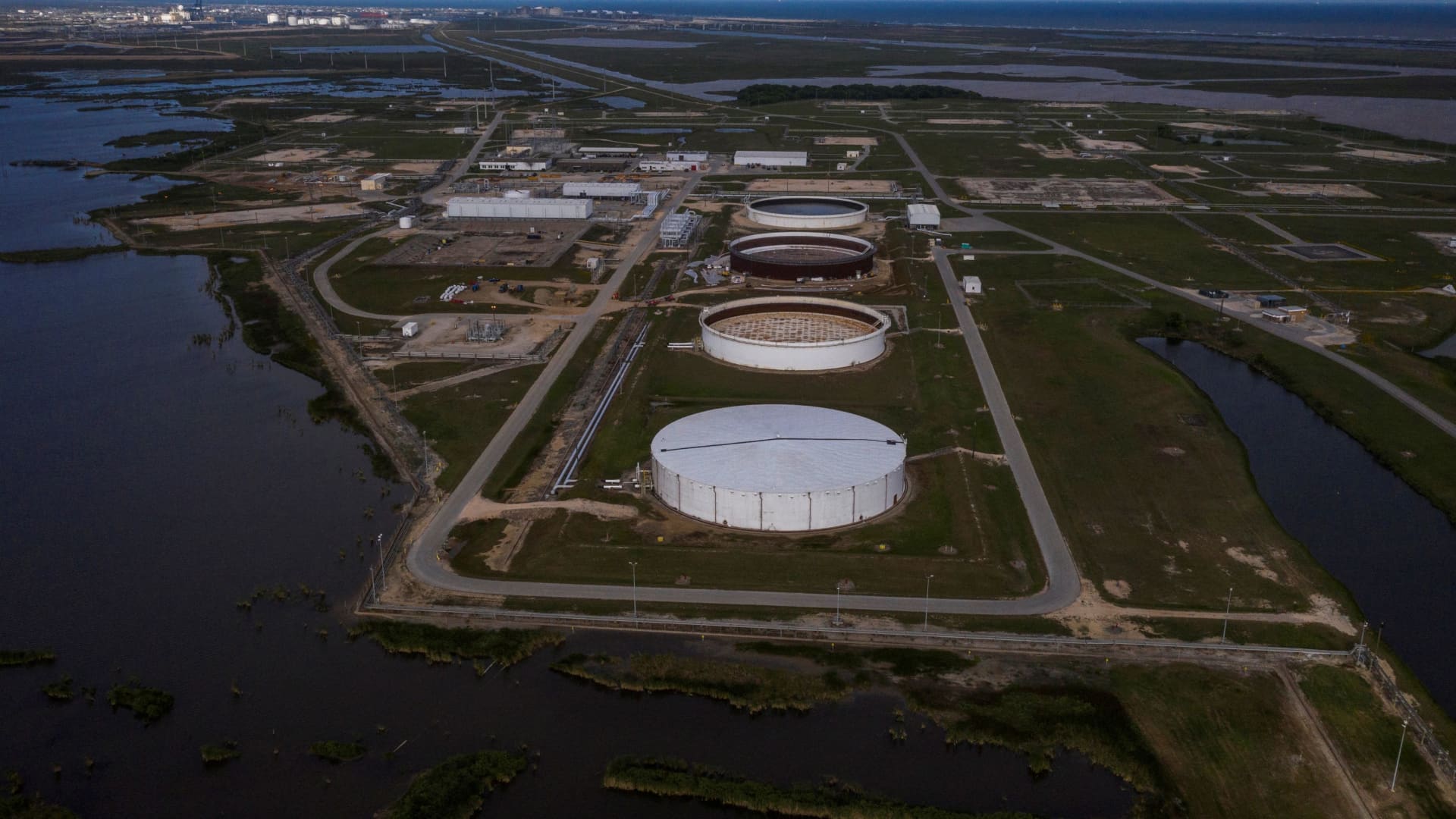
IEA Holds Extraordinary Meeting on Possible Oil Reserve Release

- Extraordinary Meeting: The International Energy Agency (IEA) will convene an extraordinary meeting on Tuesday to discuss the potential release of oil reserves due to supply disruptions caused by the Iran war, which is expected to impact the global oil market.
- Reserve Assessment: IEA Executive Director Fatih Birol stated that member countries will assess current supply security and market conditions to determine whether to release emergency stocks, with members collectively holding about 1.2 billion barrels in reserve.
- Price Volatility: Oil prices fell more than 11% as the market anticipates a release of oil stocks, after surging to nearly $120 per barrel on Monday due to supply disruptions, indicating the market's acute sensitivity to supply security.
- Global Consequences: Saudi Aramco's CEO warned that the Iran war will have
See More
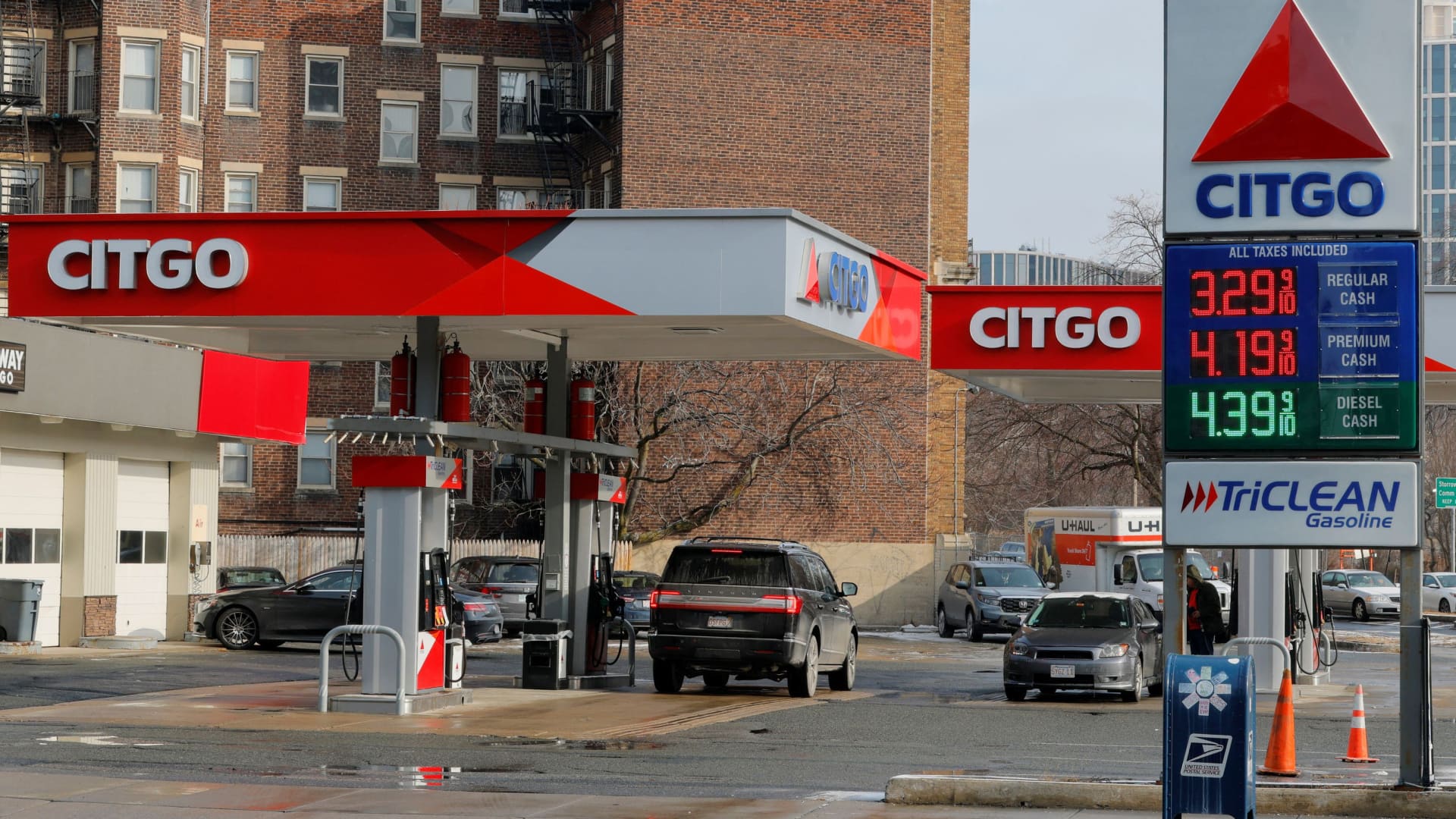
US Gas Prices Surge to Highest Level in Over a Year and a Half
- Surge in Gas Prices: The average price of unleaded gasoline in the U.S. has risen to approximately $3.54 per gallon, marking a 21% increase from a month ago and the highest level since mid-2024, indicating severe disruptions in global oil trade due to the U.S.-Iran conflict.
- Supply Chain Crisis: The U.S.-Israeli strikes on Iran have crippled the crucial Strait of Hormuz, leading to the largest oil supply disruption in history, with gas prices experiencing their biggest three-day jump since Hurricane Katrina in 2005, further exacerbating market uncertainty.
- Political Ramifications: The rise in gas prices threatens Trump's commitment to lowering living costs, a key pillar of his reelection campaign, especially as affordability remains a top concern for voters ahead of the upcoming midterm elections.
- Market Volatility: Despite significant fluctuations, U.S. crude oil prices hover around $84 per barrel, and analysts indicate that future consumer prices will depend on the duration of market disruptions, with retailers potentially needing to raise prices to mitigate margin pressures.
See More

Bank of America: Oil Prices May Have Peaked Short-Term
- Oil Price Volatility: Bank of America's technical strategist Paul Ciana noted that Monday's oil price fluctuations, which peaked at $120 per barrel before retreating below $90, indicate a potential short-term peak, urging investors to be cautious of volatility risks.
- Brent Crude Forecast: Ciana predicts that Brent crude will consolidate between $90 and $110 in the short term, based on how the market stabilized after the initial spike following the Russia-Ukraine conflict in early 2022, suggesting a period of high-level consolidation ahead.
- Future Price Potential: He warned that despite current high prices, there remains room for further increases due to supply concerns, with Brent potentially surging to between $134 and $150 if another spike occurs, highlighting market uncertainty.
- Energy Stock Investment Advice: Bank of America updated its outlook for the S&P Energy sector and Exxon Mobil, indicating both are consolidating after significant gains, recommending investors avoid purchases for now as momentum appears stretched, necessitating careful evaluation of future investment opportunities.
See More
US Stocks Rise Amid Oil Price Plunge and Strong Home Sales
- Oil Price Plunge Impact: US stocks are broadly higher today, with the S&P 500 up 0.28%, the Dow Jones up 0.39%, and the Nasdaq 100 up 0.49%, driven by an 11% drop in oil prices, which positively impacts the US economy and may influence Fed policy direction.
- Strong Home Sales Data: February existing home sales in the US rose 1.7% month-over-month to 4.09 million, exceeding expectations of 3.88 million, indicating resilience in the housing market that could further support stock performance.
- Iran Situation Impact: Despite increased Iranian attacks in the Persian Gulf causing the largest refinery in the UAE to halt operations, oil prices have fallen to $84 per barrel due to President Trump's comments, reflecting market sensitivity to geopolitical risks.
- Corporate Earnings Situation: With over 95% of S&P 500 companies having reported earnings, 74% exceeded expectations, and Q4 earnings growth is projected at 8.4%, providing support for the stock market and indicating sustained corporate profitability growth potential.
See More
Democrats Warn of Risks in Iran War Amid Conflicting Claims
- Funding Controversy: Democratic senators expressed strong opposition to President Trump's upcoming supplemental funding request for the Iran war, with Senator Warren stating a firm 'no' on additional funding, highlighting Congress's power to halt such actions and reflecting deep concerns over the war's continuation.
- Escalating War Costs: Reports indicate that U.S. military operations burned through $5.6 billion in munitions within the first two days, with estimated costs reaching approximately $891 million per day, which not only exacerbates fiscal burdens but also risks market volatility and soaring oil prices, impacting economic stability.
- Lack of Strategic Goals: Several senators noted after the briefing that the Trump administration failed to provide clear strategic objectives or timelines, with Senator Kelly remarking that 'they have no plan and no exit strategy,' further clouding the war's outlook.
- Market Reactions: Trump's statements previously led to a market surge and a significant drop in oil prices, yet Democrats warn that the ongoing conflict could lead to renewed market fluctuations, particularly as the security situation in the Strait of Hormuz remains precarious, affecting global oil prices and economic stability.
See More
US Stocks Volatile Amid Middle East Tensions
- Middle East Impact: The S&P 500 Index fell 0.04% and the Dow Jones Industrial Average dropped 0.13% as fresh disruptions in the Persian Gulf raised doubts about President Trump's comments on the Iran war ending soon, indicating market sensitivity to geopolitical tensions.
- Oil Price Fluctuations: Despite the largest refinery in the UAE halting operations due to an Iranian drone attack, April WTI crude oil futures fell 7%, erasing part of the previous 1.5-week rally, reflecting insufficient market reaction to supply disruptions.
- Strong Economic Data: US existing home sales rose 1.7% month-over-month to 4.09 million in February, exceeding expectations and indicating a robust housing market that could support stock prices amid broader market volatility.
- Corporate Earnings Resilience: With over 95% of S&P 500 companies reporting, 74% exceeded earnings expectations, and Q4 earnings growth is projected at 8.4%, showcasing corporate profitability and contributing to a positive market outlook.
See More
IEA Holds Extraordinary Meeting on Possible Oil Reserve Release
- Extraordinary Meeting: The International Energy Agency (IEA) will convene an extraordinary meeting on Tuesday to discuss the potential release of oil reserves due to supply disruptions caused by the Iran war, which is expected to impact the global oil market.
- Reserve Assessment: IEA Executive Director Fatih Birol stated that member countries will assess current supply security and market conditions to determine whether to release emergency stocks, with members collectively holding about 1.2 billion barrels in reserve.
- Price Volatility: Oil prices fell more than 11% as the market anticipates a release of oil stocks, after surging to nearly $120 per barrel on Monday due to supply disruptions, indicating the market's acute sensitivity to supply security.
- Global Consequences: Saudi Aramco's CEO warned that the Iran war will have
See More
US Gas Prices Surge to Highest Level in Over a Year and a Half
- Surge in Gas Prices: The average price of unleaded gasoline in the U.S. has risen to approximately $3.54 per gallon, marking a 21% increase from a month ago and the highest level since mid-2024, indicating severe disruptions in global oil trade due to the U.S.-Iran conflict.
- Supply Chain Crisis: The U.S.-Israeli strikes on Iran have crippled the crucial Strait of Hormuz, leading to the largest oil supply disruption in history, with gas prices experiencing their biggest three-day jump since Hurricane Katrina in 2005, further exacerbating market uncertainty.
- Political Ramifications: The rise in gas prices threatens Trump's commitment to lowering living costs, a key pillar of his reelection campaign, especially as affordability remains a top concern for voters ahead of the upcoming midterm elections.
- Market Volatility: Despite significant fluctuations, U.S. crude oil prices hover around $84 per barrel, and analysts indicate that future consumer prices will depend on the duration of market disruptions, with retailers potentially needing to raise prices to mitigate margin pressures.
See More
Bank of America: Oil Prices May Have Peaked Short-Term
- Oil Price Volatility: Bank of America's technical strategist Paul Ciana noted that Monday's oil price fluctuations, which peaked at $120 per barrel before retreating below $90, indicate a potential short-term peak, urging investors to be cautious of volatility risks.
- Brent Crude Forecast: Ciana predicts that Brent crude will consolidate between $90 and $110 in the short term, based on how the market stabilized after the initial spike following the Russia-Ukraine conflict in early 2022, suggesting a period of high-level consolidation ahead.
- Future Price Potential: He warned that despite current high prices, there remains room for further increases due to supply concerns, with Brent potentially surging to between $134 and $150 if another spike occurs, highlighting market uncertainty.
- Energy Stock Investment Advice: Bank of America updated its outlook for the S&P Energy sector and Exxon Mobil, indicating both are consolidating after significant gains, recommending investors avoid purchases for now as momentum appears stretched, necessitating careful evaluation of future investment opportunities.
See More