UBS Model Estimates Nvidia's Valuation at $22 Trillion
Written by Emily J. Thompson, Senior Investment Analyst
Updated: 6 days ago
0mins


Should l Buy NVDA?
Source: NASDAQ.COM
- Valuation Estimate: UBS's HOLT model values Nvidia at $22 trillion based on a remarkable 73% cash flow return on investment, highlighting its dominance in the tech sector, although this valuation has raised skepticism among investors.
- Competitive Risks: Amazon CEO Andy Jassy noted a new shift in the AI chip market that could reduce reliance on Nvidia's chips, suggesting that Nvidia's future growth may be impacted by competition, prompting HOLT to adjust its projections accordingly.
- Asset Growth Performance: Nvidia's asset growth rate ranks in the top 0.5% of all companies tracked by the HOLT model, indicating strong performance in the industry that may attract more investor interest in its long-term potential.
- Market Reaction: Despite Nvidia's market cap soaring from $390 billion five years ago to nearly $4.6 trillion today, analysts remain cautious about its $22 trillion valuation, believing that future capital returns may differ from HOLT's forecasts.
Trade with 70% Backtested Accuracy
Stop guessing "Should I Buy NVDA?" and start using high-conviction signals backed by rigorous historical data.
Sign up today to access powerful investing tools and make smarter, data-driven decisions.
Analyst Views on NVDA
Wall Street analysts forecast NVDA stock price to rise
41 Analyst Rating
39 Buy
1 Hold
1 Sell
Strong Buy
Current: 201.680

Low
200.00
Averages
264.97
High
352.00
Current: 201.680
Low
200.00
Averages
264.97
High
352.00
About NVDA
NVIDIA Corporation is an artificial intelligence (AI) infrastructure company. The Company is engaged in accelerated computing to help solve the challenging computational problems. Its segments include Compute & Networking and Graphics. The Compute & Networking segment includes its Data Center accelerated computing and networking platforms and AI solutions and software, and automotive platforms and autonomous and electric vehicle solutions, including software. The Graphics segment includes GeForce GPUs for gaming and personal computers (PCs), and Quadro/NVIDIA RTX GPUs for enterprise workstation graphics. Its technology stack includes the foundational NVIDIA CUDA development platform that runs on all NVIDIA GPUs, as well as hundreds of domain-specific software libraries, frameworks, algorithms, software development kits (SDKs), and application programming interfaces (APIs). Its platforms address four markets, which include Data Center, Gaming, Professional Visualization, and Automotive.
About the author

Emily J. Thompson
Emily J. Thompson, a Chartered Financial Analyst (CFA) with 12 years in investment research, graduated with honors from the Wharton School. Specializing in industrial and technology stocks, she provides in-depth analysis for Intellectia’s earnings and market brief reports.

Nvidia Set to Release Q1 2027 Fiscal Results Amid AI Dominance

- Earnings Forecast: Nvidia anticipates Q1 2027 sales of $78 billion, representing a 77% increase year-over-year, with a projected gross margin of 74.9%, indicating robust market demand and profitability.
- Competitive Advantage: Despite increasing external competition, Nvidia's GPUs maintain clear advantages in computational power, and persistent GPU scarcity allows the company to sell hardware at premium prices, solidifying its market position in enterprise data centers.
- Stock Volatility: Historical data shows that Nvidia's stock typically declines after earnings releases, with five out of the last seven quarters experiencing a drop, averaging a 3% loss, reflecting overly optimistic market expectations.
- Investor Caution: While Nvidia's results often exceed analyst forecasts, the optimistic sentiment surrounding AI technology may pose bubble risks, prompting investors to carefully consider their investment decisions following the earnings report.
See More

AI Startup Cursor in Talks for $2B Fundraising at $50B Valuation
- Fundraising Plans: AI startup Cursor is in discussions to raise a $2 billion funding round, with an expected valuation exceeding $50 billion, which will further propel its market expansion and technological innovation.
- Investor Lineup: Andreessen Horowitz is set to co-lead this funding round, with Nvidia and Thrive Capital also expected to participate, reflecting strong confidence in Cursor's future growth from these previously involved investors.
- Historical Funding Review: Last November, Cursor raised approximately $2.3 billion in a Series D funding round, achieving a post-money valuation of $29.3 billion, attracting existing investors like Accel, Thrive, and Andreessen Horowitz, along with new partners such as Coatue, Nvidia, and Alphabet.
- Technology Updates: In February, Cursor released various updates aimed at assisting software developers, including enabling AI agents to test coding changes and record their actions through videos, logs, and screenshots, thereby enhancing development efficiency.
See More
Marvell Technology Shares Rise 6.5% on Alphabet Partnership News


- Stock Surge: Marvell Technology's shares rose 6.5% in Monday's trading, despite a slight pullback in tech stocks, reflecting market optimism about its future prospects, particularly in light of potential collaboration with Alphabet.
- Partnership Potential: Reports indicate that Marvell is in talks with Alphabet to develop two new AI chips designed to run applications more efficiently, which could significantly enhance Marvell's competitive position in the AI market.
- Market Performance: As of now, Marvell's stock has surged approximately 75% this year, closely tied to Nvidia's $2 billion investment and expanded partnership, indicating strong market recognition of its technological capabilities.
- Future Outlook: While contracts with Alphabet are not yet guaranteed, this potential collaboration is viewed as another positive signal for Marvell in the AI sector, likely to further drive its stock price and market valuation growth.
See More
Lattice Collaborates with TI to Simplify Sensor Integration


- Collaborative Innovation: Lattice Semiconductor partners with Texas Instruments (TI) to combine TI's sensing technologies with Lattice's Holoscan Sensor Bridge solution, aiming to simplify sensor integration and scale real-time edge AI systems, thereby advancing robotics and industrial applications.
- Low Latency Data Processing: By integrating TI's mmWave radar with Lattice's low-power FPGA technology, developers can achieve low-latency sensor data pipelines that deliver synchronized sensor data directly into GPU-accessible memory, enhancing perception capabilities for robotics and industrial edge AI applications.
- Market Demand Response: Lattice's VP Raemin Wang emphasizes that as edge AI systems scale, developers require flexible platforms that simplify sensor integration while delivering predictable real-time performance, and this collaboration is designed to meet that market demand.
- Ecosystem Expansion: The ecosystem of Lattice Holoscan solutions is growing through collaborations with industry-leading sensor, compute, and software partners, providing developers with a strong foundation to build scalable, production-ready edge AI systems.
See More
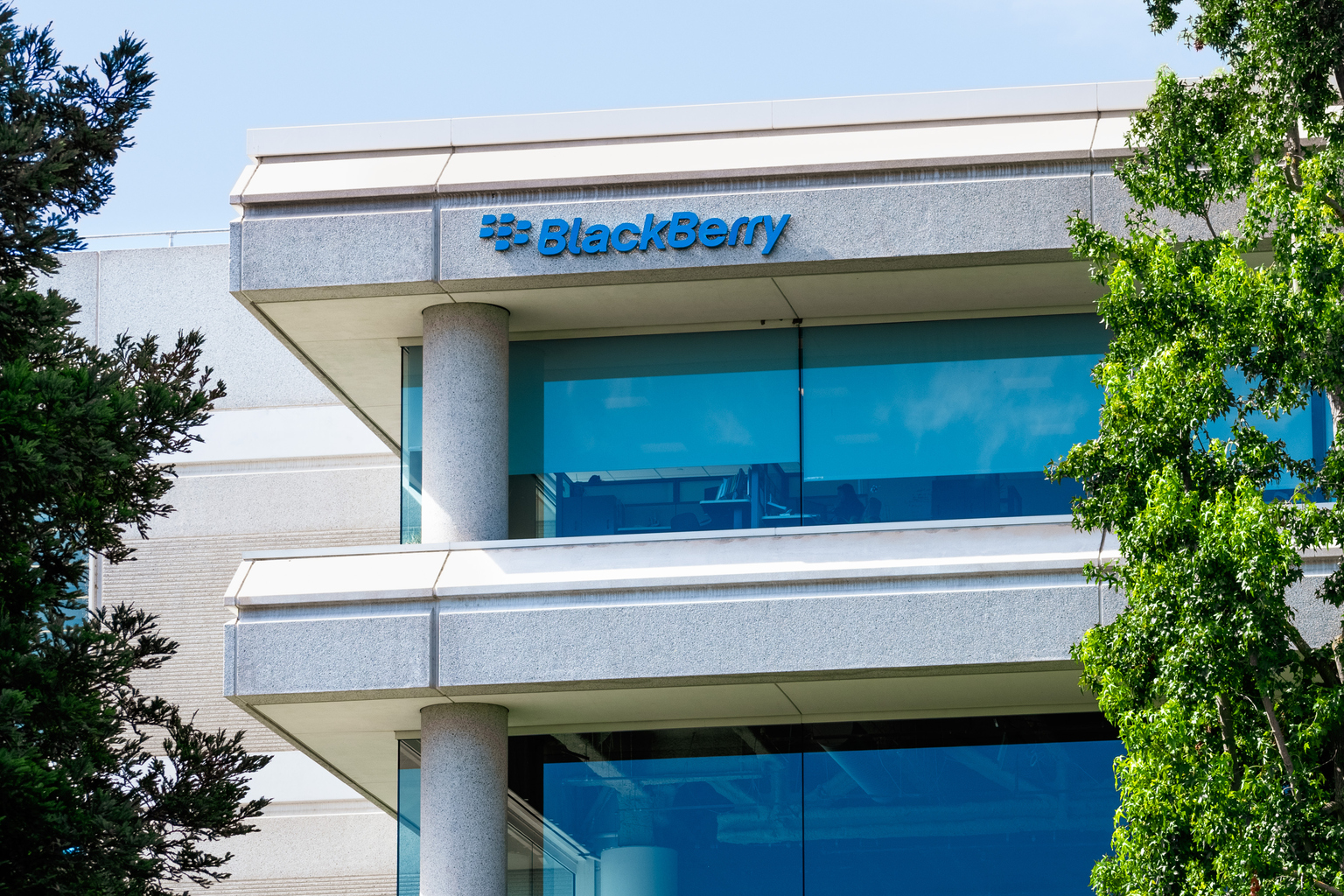
BlackBerry Expands Partnership with Nvidia for Robotics and Edge Computing

- Stock Surge: BlackBerry (BB) shares jumped over 12.5% on Monday, reflecting strong market confidence in the company's future growth potential following its expanded partnership with Nvidia (NVDA), which is seen as a positive development by investors.
- Technological Integration: The partnership will integrate BlackBerry's QNX OS for Safety 8.0 into Nvidia's IGTX Thor and Halos Safety Stack, indicating a broader application of BlackBerry's real-time operating system in robotics, medical, and industrial sectors, thereby enhancing its competitive edge in the safety technology market.
- Safety and Intelligence Fusion: John Wall, President of BlackBerry QNX, emphasized the critical importance of safety and determinism as systems become more autonomous and software-defined, with this integration providing a trusted real-time safety foundation for edge AI, driving further advancements in intelligent systems.
- Strategic Collaboration Continuation: This expanded collaboration builds on BlackBerry's work with the Nvidia DRIVE AGX Thor Development Kit, indicating that the successful architecture from the automotive sector will be applied to the next wave of regulated intelligent systems, further solidifying BlackBerry's position in the high-tech industry.
See More

U.S. Stocks Decline Amid Soaring Oil Prices


- Oil Price Surge Impacts Markets: The S&P 500 index fell 0.41%, the Dow Jones Industrial Average dropped 0.31%, and the Nasdaq 100 index declined 0.66% as WTI crude oil prices surged over 5%, indicating market sensitivity to rising energy costs amid doubts about peace talks regarding the Iran war.
- Geopolitical Risks Escalate: Iran's closure of the Strait of Hormuz has raised market concerns, especially following U.S. Navy actions against Iranian tankers, which could exacerbate global oil and fuel shortages, further increasing market uncertainty.
- Earnings Season Continues: So far, 81% of the 48 S&P 500 companies that reported earnings have beaten estimates, with Q1 earnings projected to rise 12% year-over-year; however, excluding the tech sector, the growth is only 3%, indicating signs of overall economic weakness.
- Airline Stocks Under Pressure: Airline and cruise line stocks are broadly down due to rising oil prices, with Norwegian Cruise Line Holdings down over 5% and American Airlines Group down over 4%, reflecting the negative impact of high fuel costs on company profits.
See More
Nvidia Set to Release Q1 2027 Fiscal Results Amid AI Dominance
- Earnings Forecast: Nvidia anticipates Q1 2027 sales of $78 billion, representing a 77% increase year-over-year, with a projected gross margin of 74.9%, indicating robust market demand and profitability.
- Competitive Advantage: Despite increasing external competition, Nvidia's GPUs maintain clear advantages in computational power, and persistent GPU scarcity allows the company to sell hardware at premium prices, solidifying its market position in enterprise data centers.
- Stock Volatility: Historical data shows that Nvidia's stock typically declines after earnings releases, with five out of the last seven quarters experiencing a drop, averaging a 3% loss, reflecting overly optimistic market expectations.
- Investor Caution: While Nvidia's results often exceed analyst forecasts, the optimistic sentiment surrounding AI technology may pose bubble risks, prompting investors to carefully consider their investment decisions following the earnings report.
See More
AI Startup Cursor in Talks for $2B Fundraising at $50B Valuation
- Fundraising Plans: AI startup Cursor is in discussions to raise a $2 billion funding round, with an expected valuation exceeding $50 billion, which will further propel its market expansion and technological innovation.
- Investor Lineup: Andreessen Horowitz is set to co-lead this funding round, with Nvidia and Thrive Capital also expected to participate, reflecting strong confidence in Cursor's future growth from these previously involved investors.
- Historical Funding Review: Last November, Cursor raised approximately $2.3 billion in a Series D funding round, achieving a post-money valuation of $29.3 billion, attracting existing investors like Accel, Thrive, and Andreessen Horowitz, along with new partners such as Coatue, Nvidia, and Alphabet.
- Technology Updates: In February, Cursor released various updates aimed at assisting software developers, including enabling AI agents to test coding changes and record their actions through videos, logs, and screenshots, thereby enhancing development efficiency.
See More
Marvell Technology Shares Rise 6.5% on Alphabet Partnership News
- Stock Surge: Marvell Technology's shares rose 6.5% in Monday's trading, despite a slight pullback in tech stocks, reflecting market optimism about its future prospects, particularly in light of potential collaboration with Alphabet.
- Partnership Potential: Reports indicate that Marvell is in talks with Alphabet to develop two new AI chips designed to run applications more efficiently, which could significantly enhance Marvell's competitive position in the AI market.
- Market Performance: As of now, Marvell's stock has surged approximately 75% this year, closely tied to Nvidia's $2 billion investment and expanded partnership, indicating strong market recognition of its technological capabilities.
- Future Outlook: While contracts with Alphabet are not yet guaranteed, this potential collaboration is viewed as another positive signal for Marvell in the AI sector, likely to further drive its stock price and market valuation growth.
See More
Lattice Collaborates with TI to Simplify Sensor Integration
- Collaborative Innovation: Lattice Semiconductor partners with Texas Instruments (TI) to combine TI's sensing technologies with Lattice's Holoscan Sensor Bridge solution, aiming to simplify sensor integration and scale real-time edge AI systems, thereby advancing robotics and industrial applications.
- Low Latency Data Processing: By integrating TI's mmWave radar with Lattice's low-power FPGA technology, developers can achieve low-latency sensor data pipelines that deliver synchronized sensor data directly into GPU-accessible memory, enhancing perception capabilities for robotics and industrial edge AI applications.
- Market Demand Response: Lattice's VP Raemin Wang emphasizes that as edge AI systems scale, developers require flexible platforms that simplify sensor integration while delivering predictable real-time performance, and this collaboration is designed to meet that market demand.
- Ecosystem Expansion: The ecosystem of Lattice Holoscan solutions is growing through collaborations with industry-leading sensor, compute, and software partners, providing developers with a strong foundation to build scalable, production-ready edge AI systems.
See More
BlackBerry Expands Partnership with Nvidia for Robotics and Edge Computing
- Stock Surge: BlackBerry (BB) shares jumped over 12.5% on Monday, reflecting strong market confidence in the company's future growth potential following its expanded partnership with Nvidia (NVDA), which is seen as a positive development by investors.
- Technological Integration: The partnership will integrate BlackBerry's QNX OS for Safety 8.0 into Nvidia's IGTX Thor and Halos Safety Stack, indicating a broader application of BlackBerry's real-time operating system in robotics, medical, and industrial sectors, thereby enhancing its competitive edge in the safety technology market.
- Safety and Intelligence Fusion: John Wall, President of BlackBerry QNX, emphasized the critical importance of safety and determinism as systems become more autonomous and software-defined, with this integration providing a trusted real-time safety foundation for edge AI, driving further advancements in intelligent systems.
- Strategic Collaboration Continuation: This expanded collaboration builds on BlackBerry's work with the Nvidia DRIVE AGX Thor Development Kit, indicating that the successful architecture from the automotive sector will be applied to the next wave of regulated intelligent systems, further solidifying BlackBerry's position in the high-tech industry.
See More
U.S. Stocks Decline Amid Soaring Oil Prices
- Oil Price Surge Impacts Markets: The S&P 500 index fell 0.41%, the Dow Jones Industrial Average dropped 0.31%, and the Nasdaq 100 index declined 0.66% as WTI crude oil prices surged over 5%, indicating market sensitivity to rising energy costs amid doubts about peace talks regarding the Iran war.
- Geopolitical Risks Escalate: Iran's closure of the Strait of Hormuz has raised market concerns, especially following U.S. Navy actions against Iranian tankers, which could exacerbate global oil and fuel shortages, further increasing market uncertainty.
- Earnings Season Continues: So far, 81% of the 48 S&P 500 companies that reported earnings have beaten estimates, with Q1 earnings projected to rise 12% year-over-year; however, excluding the tech sector, the growth is only 3%, indicating signs of overall economic weakness.
- Airline Stocks Under Pressure: Airline and cruise line stocks are broadly down due to rising oil prices, with Norwegian Cruise Line Holdings down over 5% and American Airlines Group down over 4%, reflecting the negative impact of high fuel costs on company profits.
See More