Two Restaurant Stocks: Earnings Surprises and Distinct Market Conditions

Earnings Growth: Shake Shack and CAVA Group reported significant earnings growth, with Shake Shack achieving a total revenue of $400.5 million in Q4 2025, up nearly 22% year-over-year, while CAVA Group's revenue hit $1.2 billion, growing 22.5% compared to 2024.
Expansion and Locations: Shake Shack expanded its locations to 659, a 14% increase from the previous year, and CAVA Group increased its restaurant count from 367 to 439 in 2025, indicating aggressive growth strategies for both companies.
Same-Store Sales Performance: Both companies reported low single-digit growth in same-store sales, with CAVA at 0.5% and Shake Shack at 2.1%, which is notable given the broader industry challenges with negative same-store sales growth.
Future Outlook: Management for both companies guided for same-store sales growth between 3% and 5% for 2026, suggesting a cautious but optimistic outlook amid ongoing economic pressures and rising costs.
Trade with 70% Backtested Accuracy
Analyst Views on SHAK

About SHAK
About the author

Beef Prices Hit All-Time Highs Amid Supply Constraints


- Futures Price Surge: On Tuesday, live cattle futures at the CME Group settled at $2.51 per pound, marking the highest price on record since the 1960s, driven by rising ranching costs and herd reductions, with prices increasing over 25% in the past year.
- Slaughter Volume Decline: Barclays estimates that cattle slaughter is expected to fall to 2.2 million head in March, down from 2.5 million a year earlier, resulting in a 300,000-pound drop in beef production to 1.9 million pounds, exacerbating supply constraints in the market.
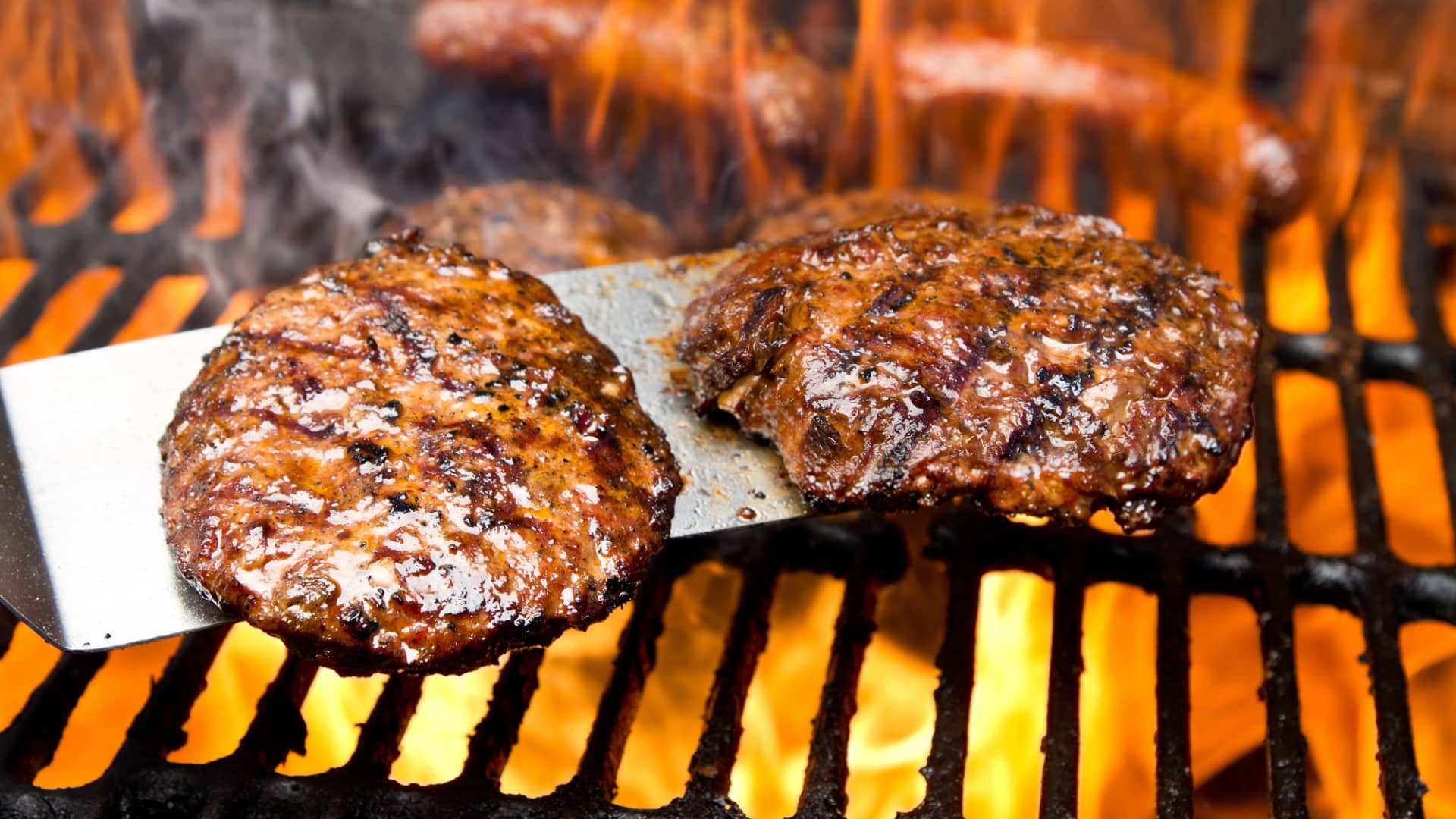
- Retail Price Increase: The Bureau of Labor Statistics reported that the average retail price of ground beef for hamburgers reached approximately $6.70 per pound in March, reflecting a 12% increase from the same month last year, leading to higher costs for consumers planning summer barbecues.
- Financial Strain on Farmers: A survey by the American Farm Bureau Federation revealed that nearly 60% of U.S. farmers reported worsening financial conditions, with many unable to afford the necessary fertilizer for their fields, highlighting the broader impact of rising agricultural production costs on farmers.
Beef Prices Hit Record Highs, Pressuring Consumers Ahead of Summer
- Beef Price Surge: Live cattle futures reached $2.51 per pound on Tuesday, marking the highest price since the 1960s according to FactSet, driven by rising ranching costs and herd reductions, indicating a significant supply constraint.
- Slaughter Volume Decline: Cattle slaughter is expected to drop to 2.2 million head in March from 2.5 million a year earlier, with Barclays estimating a 300,000-pound decrease in beef production to 1.9 million pounds, exacerbating supply-demand imbalances in the market.
- Retail Price Increase: The Bureau of Labor Statistics reported that the retail price of ground beef for hamburgers rose to approximately $6.70 per pound in March, a 12% increase from the previous year, directly impacting consumer plans for summer barbecues.
- Financial Strain on Farmers: A survey by the American Farm Bureau Federation revealed that nearly 60% of U.S. farmers reported worsening financial conditions, with many unable to afford the necessary fertilizers, highlighting the broader inflationary pressures affecting agricultural production.

Restaurant Industry Faces Challenges and Opportunities

- Industry Performance Decline: The restaurant sector has seen a 2.5% decline over the past six months, contrasting sharply with the S&P 500's 2.5% gain, indicating significant challenges that could undermine investor confidence in the sector.
- Shake Shack Financial Struggles: With a market cap of $3.97 billion, Shake Shack's operating margin stands at a mere 2.4%, below the industry average, suggesting management's shortcomings in cost control and investment opportunities, which may hinder future growth prospects.
- Papa John's Sales Decline: Papa John's, valued at $1.17 billion, is projected to experience a 6.1% sales decline over the next 12 months, alongside a 3.3 percentage point drop in operating margin, reflecting weak market demand that could impact its long-term profitability.
- El Pollo Loco Weak Demand: El Pollo Loco, with a market cap of $415.8 million, anticipates only 1.5% sales growth in the coming year, and its smaller revenue base indicates insufficient market competitiveness, suggesting a need for pricing and marketing strategy adjustments to stimulate demand.
Mixed Close for US Stocks as Nasdaq Hits Six-Week High


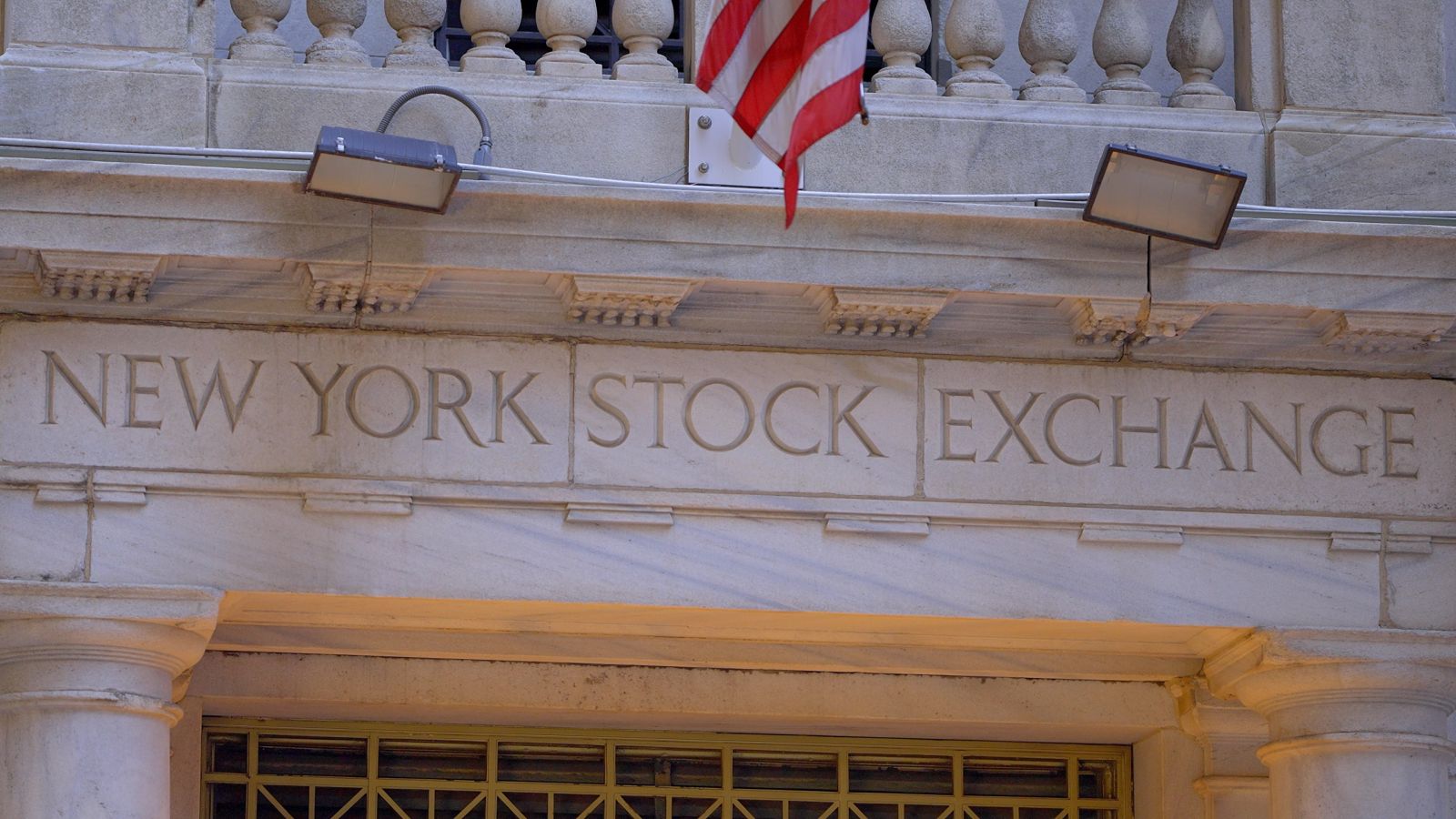
- Market Volatility: On Friday, the S&P 500 closed down 0.11%, the Dow Jones Industrial Average fell 0.56%, while the Nasdaq 100 rose 0.14%, reflecting a tug-of-war between software stock weakness and inflation concerns.
- Inflation Data Impact: The US March CPI rose 3.3% year-on-year, slightly below the expected 3.4%, marking the largest increase in two years but failing to boost market confidence, as the consumer sentiment index dropped to a record low of 47.6.
- Geopolitical Factors: Optimism surrounding US-Iran diplomatic negotiations has increased market sentiment regarding Middle Eastern tensions, although President Trump's comments about military readiness have raised concerns, putting pressure on stocks.
- Sector Performance Divergence: Software stocks faced declines due to AI disruption fears, with ServiceNow and Cadence Design Systems down over 7% and 5%, respectively, while chipmakers like Broadcom and AMD rose over 4% and 3% due to increased market demand.
US Stocks Fluctuate Amid Inflation Concerns Impacting Markets

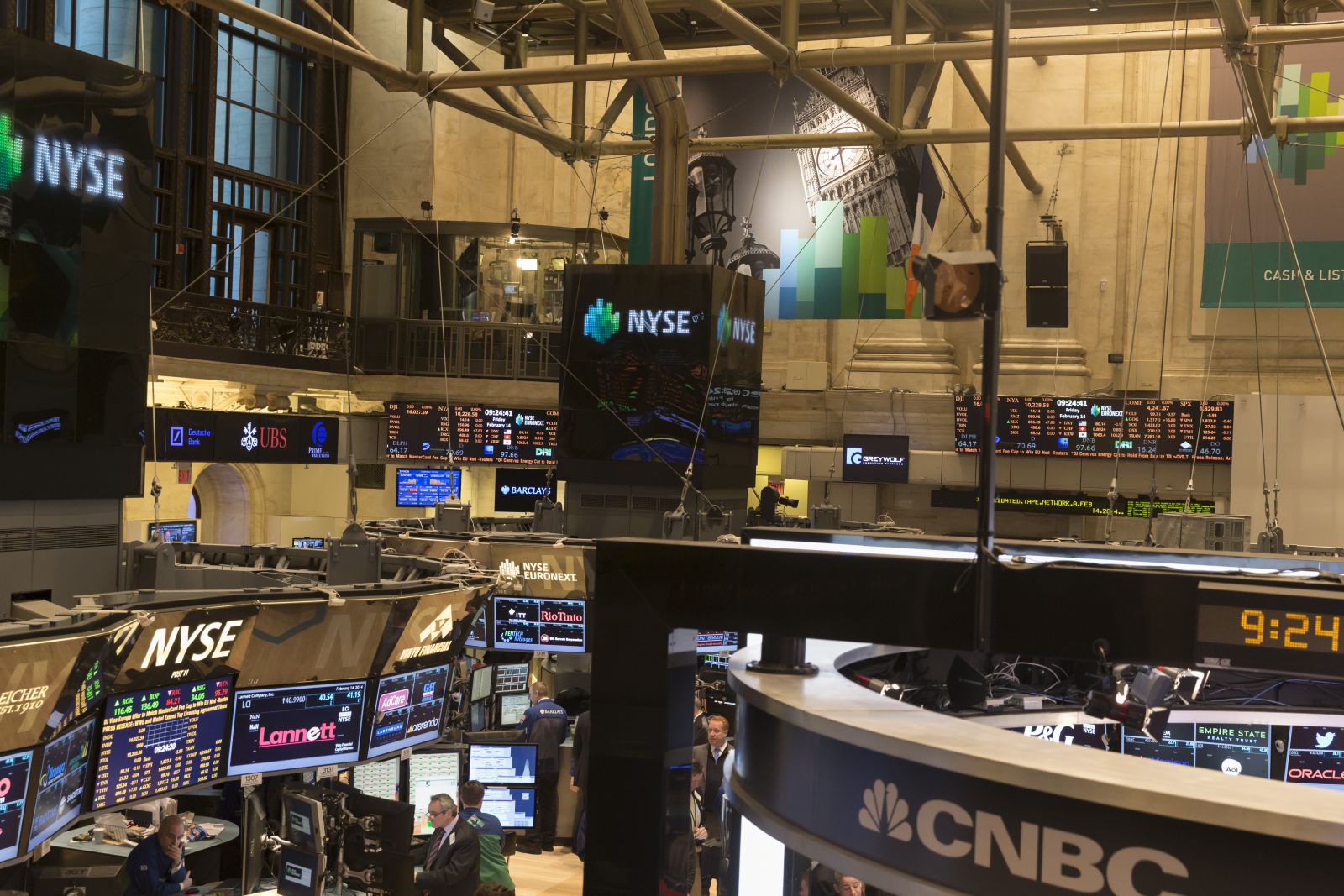
- Market Performance: The S&P 500 Index rose by 0.15%, reaching a five-week high, while the Nasdaq 100 Index increased by 0.35%, marking a six-week high, indicating market resilience amid easing inflation concerns.
- Consumer Sentiment Decline: The University of Michigan's consumer sentiment index fell to a record low of 47.6, significantly below the expected 51.5, reflecting pessimism about the economic outlook that could negatively impact future consumer spending.
- Oil Price Volatility: Despite the Strait of Hormuz remaining closed, WTI crude oil prices are experiencing volatility due to ongoing concerns about the situation in Iran, with over 800 vessels trapped, affecting global energy supply.
- Tech Stock Pressure: Software stocks are under pressure due to fears of AI disruption, with ServiceNow and Datadog both down over 7%, highlighting uncertainty in the tech sector's future, which may affect investor confidence.
Shake Shack Upgraded to Outperform by Mizuho Securities Amid Growth Prospects
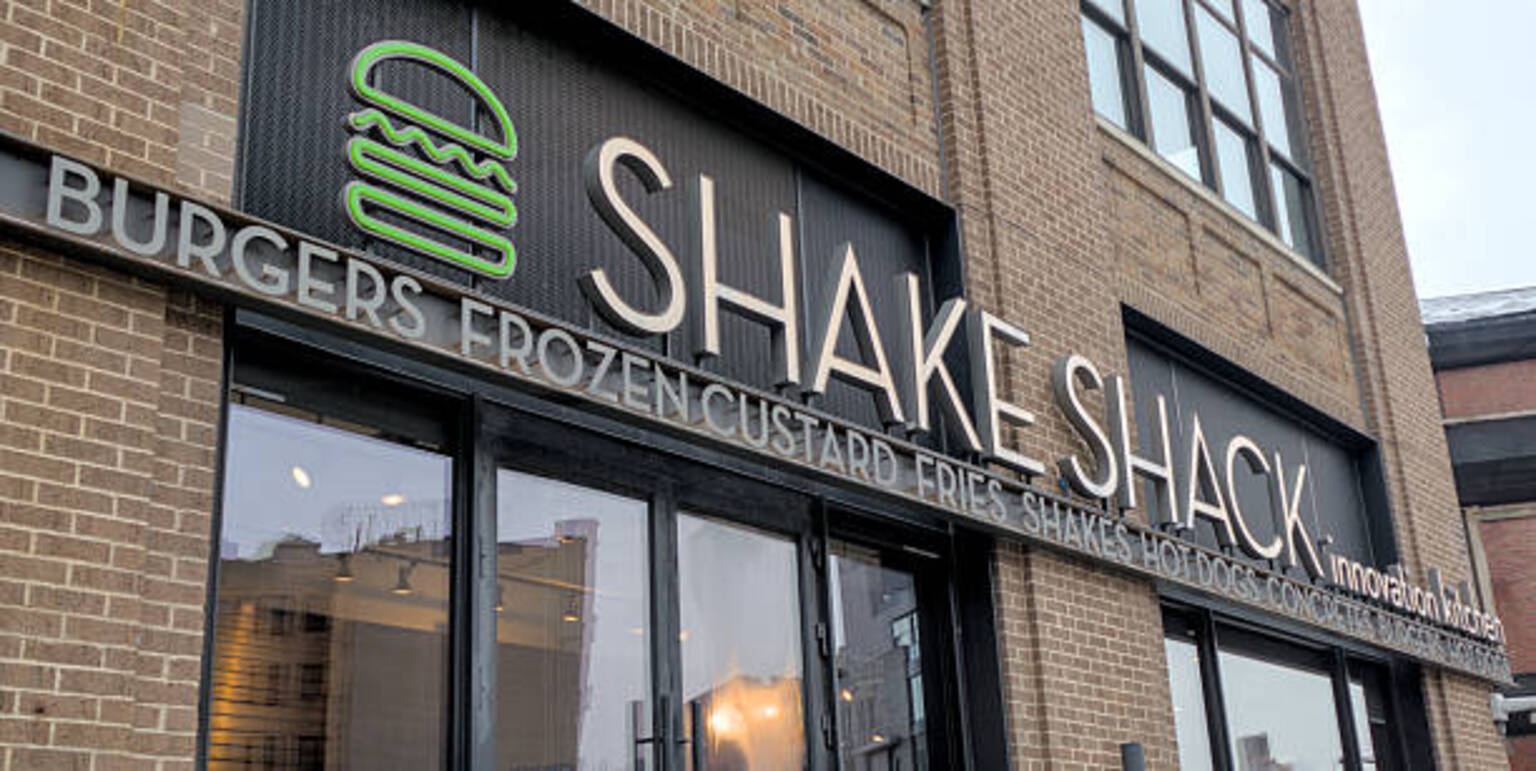
- Rating Upgrade: Mizuho Securities upgraded Shake Shack (SHAK) from Neutral to Outperform, with analyst Nick Setyan highlighting attractive valuation and significant catalysts that are expected to drive stock price appreciation.
- Performance Expectations: The expectation is for Shake Shack (SHAK) to achieve high-teens annual EBITDA growth in both 2026 and 2027, primarily driven by supply chain efficiencies and top-line growth.
- Market Drivers: Setyan noted that the potential for same-store sales growth is supported by increased marketing efforts, expanded value offerings, enhanced app adoption, and the upcoming World Cup, among other factors.
- Price Target Increase: Mizuho raised its price target for Shake Shack to $120, indicating over 20% upside potential, reflecting strong confidence in the company's future growth trajectory.
Beef Prices Hit All-Time Highs Amid Supply Constraints
- Futures Price Surge: On Tuesday, live cattle futures at the CME Group settled at $2.51 per pound, marking the highest price on record since the 1960s, driven by rising ranching costs and herd reductions, with prices increasing over 25% in the past year.
- Slaughter Volume Decline: Barclays estimates that cattle slaughter is expected to fall to 2.2 million head in March, down from 2.5 million a year earlier, resulting in a 300,000-pound drop in beef production to 1.9 million pounds, exacerbating supply constraints in the market.
- Retail Price Increase: The Bureau of Labor Statistics reported that the average retail price of ground beef for hamburgers reached approximately $6.70 per pound in March, reflecting a 12% increase from the same month last year, leading to higher costs for consumers planning summer barbecues.
- Financial Strain on Farmers: A survey by the American Farm Bureau Federation revealed that nearly 60% of U.S. farmers reported worsening financial conditions, with many unable to afford the necessary fertilizer for their fields, highlighting the broader impact of rising agricultural production costs on farmers.
Beef Prices Hit Record Highs, Pressuring Consumers Ahead of Summer
- Beef Price Surge: Live cattle futures reached $2.51 per pound on Tuesday, marking the highest price since the 1960s according to FactSet, driven by rising ranching costs and herd reductions, indicating a significant supply constraint.
- Slaughter Volume Decline: Cattle slaughter is expected to drop to 2.2 million head in March from 2.5 million a year earlier, with Barclays estimating a 300,000-pound decrease in beef production to 1.9 million pounds, exacerbating supply-demand imbalances in the market.
- Retail Price Increase: The Bureau of Labor Statistics reported that the retail price of ground beef for hamburgers rose to approximately $6.70 per pound in March, a 12% increase from the previous year, directly impacting consumer plans for summer barbecues.
- Financial Strain on Farmers: A survey by the American Farm Bureau Federation revealed that nearly 60% of U.S. farmers reported worsening financial conditions, with many unable to afford the necessary fertilizers, highlighting the broader inflationary pressures affecting agricultural production.
Restaurant Industry Faces Challenges and Opportunities
- Industry Performance Decline: The restaurant sector has seen a 2.5% decline over the past six months, contrasting sharply with the S&P 500's 2.5% gain, indicating significant challenges that could undermine investor confidence in the sector.
- Shake Shack Financial Struggles: With a market cap of $3.97 billion, Shake Shack's operating margin stands at a mere 2.4%, below the industry average, suggesting management's shortcomings in cost control and investment opportunities, which may hinder future growth prospects.
- Papa John's Sales Decline: Papa John's, valued at $1.17 billion, is projected to experience a 6.1% sales decline over the next 12 months, alongside a 3.3 percentage point drop in operating margin, reflecting weak market demand that could impact its long-term profitability.
- El Pollo Loco Weak Demand: El Pollo Loco, with a market cap of $415.8 million, anticipates only 1.5% sales growth in the coming year, and its smaller revenue base indicates insufficient market competitiveness, suggesting a need for pricing and marketing strategy adjustments to stimulate demand.
Mixed Close for US Stocks as Nasdaq Hits Six-Week High
- Market Volatility: On Friday, the S&P 500 closed down 0.11%, the Dow Jones Industrial Average fell 0.56%, while the Nasdaq 100 rose 0.14%, reflecting a tug-of-war between software stock weakness and inflation concerns.
- Inflation Data Impact: The US March CPI rose 3.3% year-on-year, slightly below the expected 3.4%, marking the largest increase in two years but failing to boost market confidence, as the consumer sentiment index dropped to a record low of 47.6.
- Geopolitical Factors: Optimism surrounding US-Iran diplomatic negotiations has increased market sentiment regarding Middle Eastern tensions, although President Trump's comments about military readiness have raised concerns, putting pressure on stocks.
- Sector Performance Divergence: Software stocks faced declines due to AI disruption fears, with ServiceNow and Cadence Design Systems down over 7% and 5%, respectively, while chipmakers like Broadcom and AMD rose over 4% and 3% due to increased market demand.
US Stocks Fluctuate Amid Inflation Concerns Impacting Markets
- Market Performance: The S&P 500 Index rose by 0.15%, reaching a five-week high, while the Nasdaq 100 Index increased by 0.35%, marking a six-week high, indicating market resilience amid easing inflation concerns.
- Consumer Sentiment Decline: The University of Michigan's consumer sentiment index fell to a record low of 47.6, significantly below the expected 51.5, reflecting pessimism about the economic outlook that could negatively impact future consumer spending.
- Oil Price Volatility: Despite the Strait of Hormuz remaining closed, WTI crude oil prices are experiencing volatility due to ongoing concerns about the situation in Iran, with over 800 vessels trapped, affecting global energy supply.
- Tech Stock Pressure: Software stocks are under pressure due to fears of AI disruption, with ServiceNow and Datadog both down over 7%, highlighting uncertainty in the tech sector's future, which may affect investor confidence.
Shake Shack Upgraded to Outperform by Mizuho Securities Amid Growth Prospects
- Rating Upgrade: Mizuho Securities upgraded Shake Shack (SHAK) from Neutral to Outperform, with analyst Nick Setyan highlighting attractive valuation and significant catalysts that are expected to drive stock price appreciation.
- Performance Expectations: The expectation is for Shake Shack (SHAK) to achieve high-teens annual EBITDA growth in both 2026 and 2027, primarily driven by supply chain efficiencies and top-line growth.
- Market Drivers: Setyan noted that the potential for same-store sales growth is supported by increased marketing efforts, expanded value offerings, enhanced app adoption, and the upcoming World Cup, among other factors.
- Price Target Increase: Mizuho raised its price target for Shake Shack to $120, indicating over 20% upside potential, reflecting strong confidence in the company's future growth trajectory.