Tuesday 6/3 Insider Buying Report: INNV, HAL
Written by Emily J. Thompson, Senior Investment Analyst
Updated: Jun 03 2025
0mins

Should l Buy HAL?
Source: NASDAQ.COM
InnovAge Insider Buying: Director Richard C. Zoretic purchased 42,715 shares of InnovAge Holding (INNV) at $4.06 each, totaling $173,307, while shares are currently trading lower at $3.83.
Halliburton Insider Buying: Director Janet L. Weiss bought 8,550 shares of Halliburton at $19.79 each for a total of $169,162, marking her first purchase in the past year, as the stock rises about 3%.
Trade with 70% Backtested Accuracy
Stop guessing "Should I Buy HAL?" and start using high-conviction signals backed by rigorous historical data.
Sign up today to access powerful investing tools and make smarter, data-driven decisions.
Analyst Views on HAL
Wall Street analysts forecast HAL stock price to fall
18 Analyst Rating
12 Buy
6 Hold
0 Sell
Moderate Buy
Current: 38.000

Low
28.00
Averages
32.31
High
39.00
Current: 38.000
Low
28.00
Averages
32.31
High
39.00
About HAL
Halliburton Company is a provider of products and services to the energy industry. It operates through two segments: Completion and Production and the Drilling and Evaluation. The Completion and Production segment delivers cementing, stimulation, specialty chemicals, intervention, pressure control, artificial lift, and completion products and services. The segment consists of artificial lift, cementing, completion tools, pipeline and process services, production enhancement, and production solutions. The Drilling and Evaluation segment provides field and reservoir modeling, drilling fluids, evaluation and precise wellbore placement solutions that enable customers to model, measure, drill, and optimize their well construction activities. Its product service lines include Baroid, drill bits and services, Halliburton project management, landmark software and services, Sperry drilling, testing and subsea and wireline and perforating. It also provides advanced drilling automation solutions.
About the author

Emily J. Thompson
Emily J. Thompson, a Chartered Financial Analyst (CFA) with 12 years in investment research, graduated with honors from the Wharton School. Specializing in industrial and technology stocks, she provides in-depth analysis for Intellectia’s earnings and market brief reports.

Iran and Oman Protocol Raises Market Hopes for Strait of Hormuz


- Oil Price Surge: Oil prices surged significantly as Iran and Oman drafted a protocol for monitoring the Strait of Hormuz, with U.S. crude futures jumping nearly 12% to $112.06 per barrel, indicating market optimism about potential supply recovery.
- Brent Crude Spot Price: The spot price for Brent crude soared to $141.36 on Thursday, the highest level since the 2008 financial crisis, reflecting market sensitivity to geopolitical risks and concerns over future supply.
- Asia-Pacific Market Reaction: While the Australian and Hong Kong markets were closed for the Easter holiday, Japan's Nikkei 225 futures rose to 53,285 in Chicago, demonstrating investor optimism about market prospects.
- U.S. Market Volatility: U.S. major indexes experienced volatility amid rising oil prices, with the Dow Jones Industrial Average declining by 61.07 points, yet the S&P 500 managed a slight increase of 0.11%, showcasing the market's adaptability to oil price fluctuations.
See More
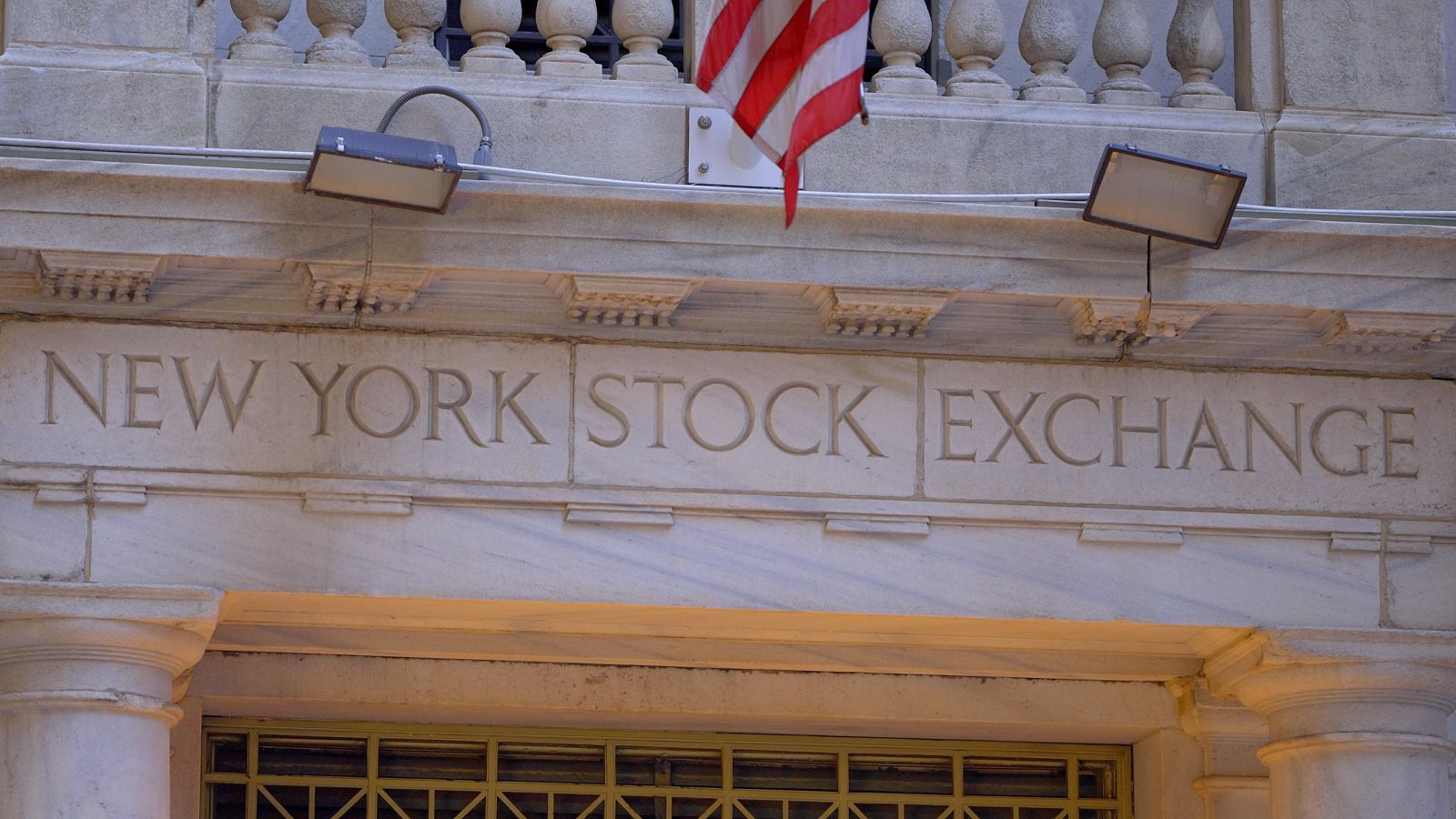
Stock Markets Pressured by Soaring Oil Prices


- Oil Price Surge Pressures Markets: Stock indexes are under pressure as crude oil prices soar over 8% following President Trump's aggressive stance on Iran, leading to a 0.06% drop in the S&P 500, a 0.23% decline in the Dow, and a 0.20% fall in the Nasdaq 100, indicating heightened inflation concerns among investors.
- Unexpected Jobless Claims Drop: Despite market pressures, initial jobless claims fell by 9,000 to 202,000, indicating a stronger labor market than anticipated, which may provide some support for stocks and alleviate investor fears of an economic slowdown.
- Divergent Energy Sector Performance: Energy producers like Diamondback Energy rose over 2% due to soaring WTI prices, while airline stocks such as American Airlines and Carnival fell more than 4% as rising fuel costs cut into profits, highlighting a clear divergence across sectors.
- Tech Stocks Decline: Chipmakers and AI infrastructure stocks retreated, with ARM Holdings leading the Nasdaq 100 down over 5%, reflecting waning confidence in tech stocks and potentially impacting future investment decisions.
See More

US Stocks Plummet as Oil Prices Surge

- Oil Price Surge: Crude oil prices soared over 13% as President Trump took a tougher stance on Iran, reaching a 3.5-week high, which not only heightened inflation fears but also pushed bond yields higher, with the 10-year T-note yield rising by 2 basis points to 4.34%.
- Unemployment Claims Drop: Weekly initial unemployment claims unexpectedly fell by 9,000 to 202,000, indicating a stronger labor market than the anticipated increase to 212,000, which could provide support for the stock market amid rising inflation concerns.
- Global Market Decline: Overseas stock markets are lower, with the Euro Stoxx 50 down 2.25%, China's Shanghai Composite down 0.74%, and Japan's Nikkei 225 sharply falling 2.38% from a two-week high, reflecting global economic uncertainty and investor caution.
- Airline Stocks Plummet: Airline stocks are sharply lower as crude oil prices surged over 10%, raising fuel costs; United Airlines and American Airlines Group both fell more than 6%, highlighting the direct impact of rising oil prices on airline profitability.
See More
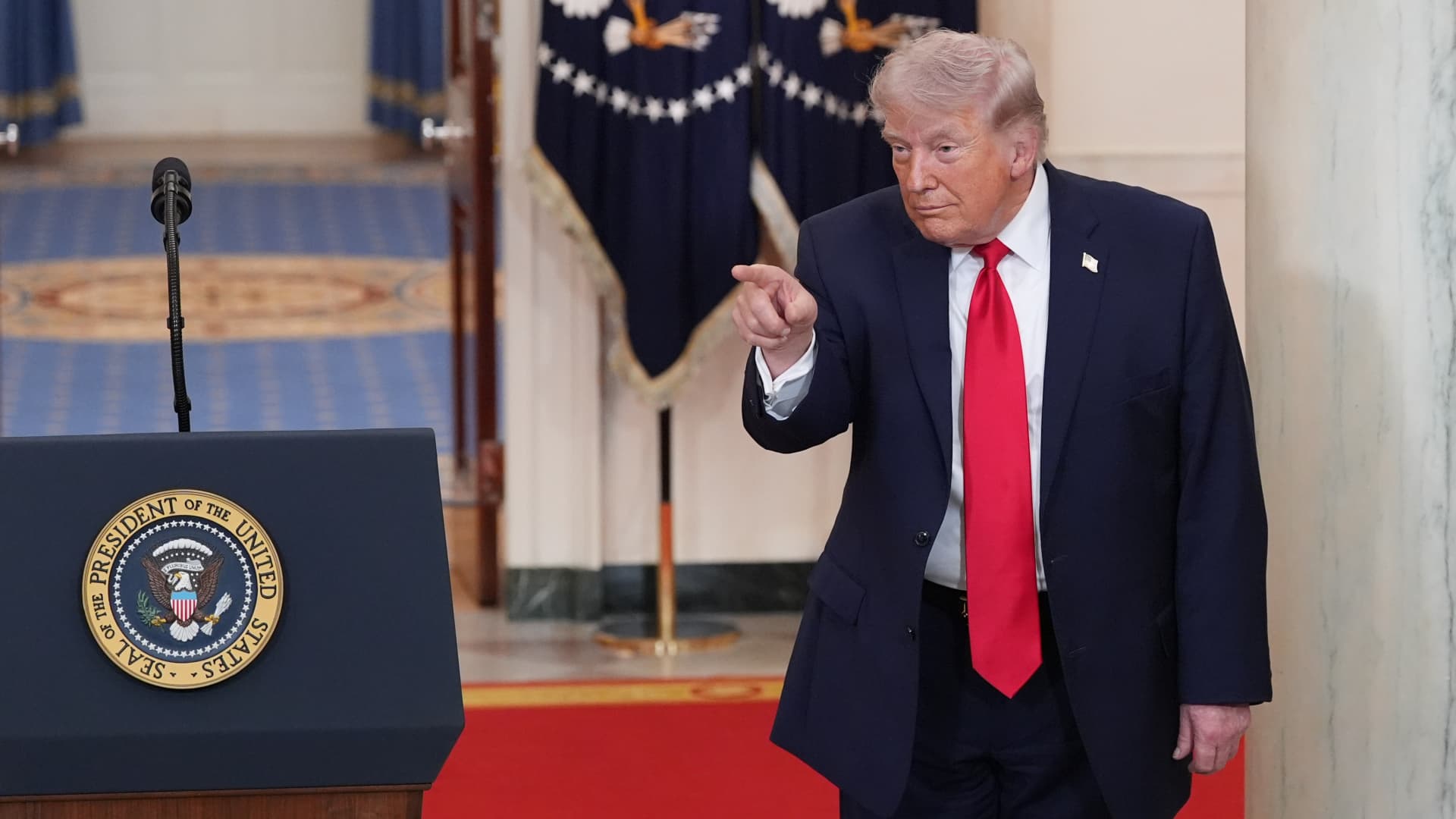
Trump Threatens Hard Hits on Iran in Coming Weeks

- Market Reaction: Trump's national address threatening to hit Iran 'extremely hard' led to a significant drop in Asian stocks, with South Korea's KOSPI plunging 4.37%, indicating market sensitivity to geopolitical tensions.
- Rising Treasury Yields: Following the speech, the yield on the benchmark 10-year U.S. Treasury notes climbed 6 basis points to 4.38%, reflecting a sell-off in the bond market that could impact future borrowing costs.
- Oil Price Volatility: Brent crude futures surged 5.37% to $106.59 per barrel, highlighting market concerns over potential disruptions in energy supply, exacerbated by Trump's statements about escalating tensions.
- Currency Market Fluctuations: The U.S. dollar index rose 0.37% to 100.02, while the Japanese yen and South Korean won weakened by 0.38% and 0.6%, respectively, indicating increased confidence in U.S. economic policy amidst regional uncertainties.
See More
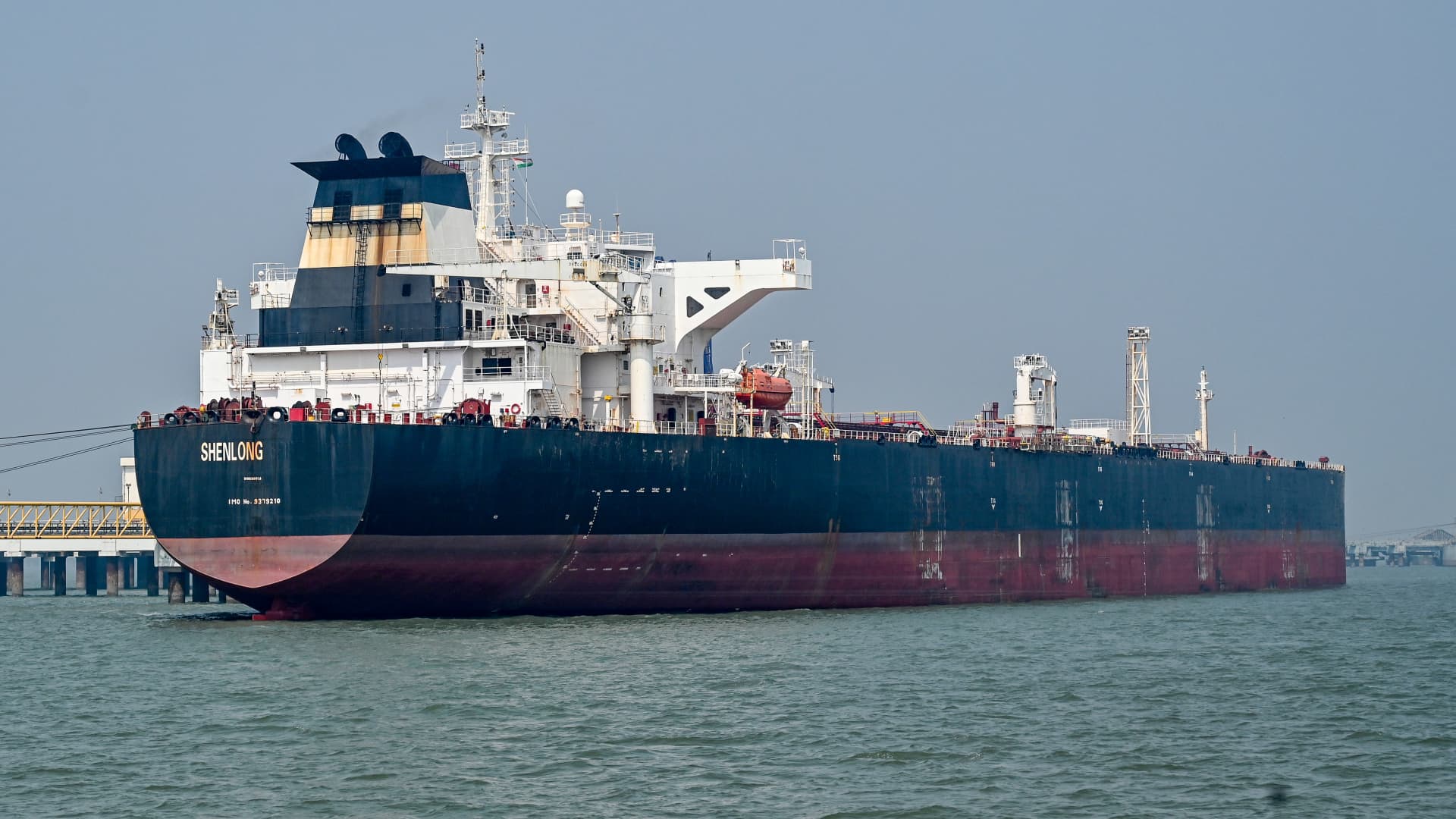
Oil Prices Surge Amid Escalating US-Iran Tensions

- Oil Price Surge: Oil prices surged as President Trump warned of further military action against Iran in the next two to three weeks, with West Texas Intermediate crude futures rising 4.1% to $104.21 per barrel and Brent crude futures increasing 5% to $106.42 per barrel, reflecting market sensitivity to geopolitical risks.
- Shipping Resumption: The Liberia-flagged crude oil tanker Shenlong Suezmax successfully docked at Mumbai Port after navigating the high-risk Strait of Hormuz, indicating a recovery in tanker movements amidst escalating West Asia conflict, potentially alleviating market concerns over supply disruptions.
- Trump's Hardline Stance: Trump stated in a national address that the U.S. would
See More

US Stocks Close Higher Amid Optimism Over Middle East Conflict Resolution
- Market Rally: The S&P 500 rose by 0.72%, the Dow Jones increased by 0.48%, and the Nasdaq 100 climbed by 1.18%, reflecting growing investor optimism regarding a potential resolution to the Middle East conflict, which has bolstered market confidence.
- Strong Economic Data: The US ADP employment change for March increased by 62,000, surpassing expectations of 40,000, while February retail sales rose by 0.6% month-over-month, indicating robust economic recovery that could influence Federal Reserve policy decisions.
- Interest Rate Expectations: Despite positive economic indicators, hawkish comments from St. Louis Fed President raised concerns about inflation and employment, leading to a mere 1% chance of a 25 basis point rate hike at the upcoming April FOMC meeting, reflecting cautious market sentiment.
- Divergent Stock Performances: Target Hospitality surged over 36% after securing a multi-year contract worth over $550 million, while Nike fell more than 15% due to revenue forecasts indicating a decline, highlighting the market's varied outlook on different companies' futures.
See More
Iran and Oman Protocol Raises Market Hopes for Strait of Hormuz
- Oil Price Surge: Oil prices surged significantly as Iran and Oman drafted a protocol for monitoring the Strait of Hormuz, with U.S. crude futures jumping nearly 12% to $112.06 per barrel, indicating market optimism about potential supply recovery.
- Brent Crude Spot Price: The spot price for Brent crude soared to $141.36 on Thursday, the highest level since the 2008 financial crisis, reflecting market sensitivity to geopolitical risks and concerns over future supply.
- Asia-Pacific Market Reaction: While the Australian and Hong Kong markets were closed for the Easter holiday, Japan's Nikkei 225 futures rose to 53,285 in Chicago, demonstrating investor optimism about market prospects.
- U.S. Market Volatility: U.S. major indexes experienced volatility amid rising oil prices, with the Dow Jones Industrial Average declining by 61.07 points, yet the S&P 500 managed a slight increase of 0.11%, showcasing the market's adaptability to oil price fluctuations.
See More
Stock Markets Pressured by Soaring Oil Prices
- Oil Price Surge Pressures Markets: Stock indexes are under pressure as crude oil prices soar over 8% following President Trump's aggressive stance on Iran, leading to a 0.06% drop in the S&P 500, a 0.23% decline in the Dow, and a 0.20% fall in the Nasdaq 100, indicating heightened inflation concerns among investors.
- Unexpected Jobless Claims Drop: Despite market pressures, initial jobless claims fell by 9,000 to 202,000, indicating a stronger labor market than anticipated, which may provide some support for stocks and alleviate investor fears of an economic slowdown.
- Divergent Energy Sector Performance: Energy producers like Diamondback Energy rose over 2% due to soaring WTI prices, while airline stocks such as American Airlines and Carnival fell more than 4% as rising fuel costs cut into profits, highlighting a clear divergence across sectors.
- Tech Stocks Decline: Chipmakers and AI infrastructure stocks retreated, with ARM Holdings leading the Nasdaq 100 down over 5%, reflecting waning confidence in tech stocks and potentially impacting future investment decisions.
See More
US Stocks Plummet as Oil Prices Surge
- Oil Price Surge: Crude oil prices soared over 13% as President Trump took a tougher stance on Iran, reaching a 3.5-week high, which not only heightened inflation fears but also pushed bond yields higher, with the 10-year T-note yield rising by 2 basis points to 4.34%.
- Unemployment Claims Drop: Weekly initial unemployment claims unexpectedly fell by 9,000 to 202,000, indicating a stronger labor market than the anticipated increase to 212,000, which could provide support for the stock market amid rising inflation concerns.
- Global Market Decline: Overseas stock markets are lower, with the Euro Stoxx 50 down 2.25%, China's Shanghai Composite down 0.74%, and Japan's Nikkei 225 sharply falling 2.38% from a two-week high, reflecting global economic uncertainty and investor caution.
- Airline Stocks Plummet: Airline stocks are sharply lower as crude oil prices surged over 10%, raising fuel costs; United Airlines and American Airlines Group both fell more than 6%, highlighting the direct impact of rising oil prices on airline profitability.
See More
Trump Threatens Hard Hits on Iran in Coming Weeks
- Market Reaction: Trump's national address threatening to hit Iran 'extremely hard' led to a significant drop in Asian stocks, with South Korea's KOSPI plunging 4.37%, indicating market sensitivity to geopolitical tensions.
- Rising Treasury Yields: Following the speech, the yield on the benchmark 10-year U.S. Treasury notes climbed 6 basis points to 4.38%, reflecting a sell-off in the bond market that could impact future borrowing costs.
- Oil Price Volatility: Brent crude futures surged 5.37% to $106.59 per barrel, highlighting market concerns over potential disruptions in energy supply, exacerbated by Trump's statements about escalating tensions.
- Currency Market Fluctuations: The U.S. dollar index rose 0.37% to 100.02, while the Japanese yen and South Korean won weakened by 0.38% and 0.6%, respectively, indicating increased confidence in U.S. economic policy amidst regional uncertainties.
See More
Oil Prices Surge Amid Escalating US-Iran Tensions
- Oil Price Surge: Oil prices surged as President Trump warned of further military action against Iran in the next two to three weeks, with West Texas Intermediate crude futures rising 4.1% to $104.21 per barrel and Brent crude futures increasing 5% to $106.42 per barrel, reflecting market sensitivity to geopolitical risks.
- Shipping Resumption: The Liberia-flagged crude oil tanker Shenlong Suezmax successfully docked at Mumbai Port after navigating the high-risk Strait of Hormuz, indicating a recovery in tanker movements amidst escalating West Asia conflict, potentially alleviating market concerns over supply disruptions.
- Trump's Hardline Stance: Trump stated in a national address that the U.S. would
See More
US Stocks Close Higher Amid Optimism Over Middle East Conflict Resolution
- Market Rally: The S&P 500 rose by 0.72%, the Dow Jones increased by 0.48%, and the Nasdaq 100 climbed by 1.18%, reflecting growing investor optimism regarding a potential resolution to the Middle East conflict, which has bolstered market confidence.
- Strong Economic Data: The US ADP employment change for March increased by 62,000, surpassing expectations of 40,000, while February retail sales rose by 0.6% month-over-month, indicating robust economic recovery that could influence Federal Reserve policy decisions.
- Interest Rate Expectations: Despite positive economic indicators, hawkish comments from St. Louis Fed President raised concerns about inflation and employment, leading to a mere 1% chance of a 25 basis point rate hike at the upcoming April FOMC meeting, reflecting cautious market sentiment.
- Divergent Stock Performances: Target Hospitality surged over 36% after securing a multi-year contract worth over $550 million, while Nike fell more than 15% due to revenue forecasts indicating a decline, highlighting the market's varied outlook on different companies' futures.
See More