Trump Plans Significant Increase in Defense Spending
Written by Emily J. Thompson, Senior Investment Analyst
Updated: Mar 11 2026
0mins

Source: NASDAQ.COM
- Defense Budget Surge: President Trump is advocating for a 66% increase in the defense budget over the 2026 plan, potentially raising spending to around $1.5 trillion, which will directly benefit major defense contractors like Lockheed Martin and Northrop Grumman.
- Global Defense Spending Rise: Global defense expenditures are projected to reach $2.6 trillion in 2026, marking an 8.1% increase from 2025, with forecasts suggesting it could hit $2.9 trillion by the end of the decade, creating more investment opportunities for related ETFs like XAR.
- Strong ETF Performance: Since the recommendation in February, the SPDR S&P Aerospace & Defense ETF (XAR) has risen approximately 3.7%, and by early 2026, it was up 11% due to geopolitical uncertainties and increased defense spending, indicating robust performance in the current market.
- Massive Replenishment Needs: Analysts estimate that U.S. weapons and defense replenishment costs will reach hundreds of billions of dollars, highlighting ongoing military demand and investments in defense technologies, which will further drive growth for related companies.
Trade with 70% Backtested Accuracy
Stop guessing "Should I Buy LMT?" and start using high-conviction signals backed by rigorous historical data.
Sign up today to access powerful investing tools and make smarter, data-driven decisions.
Analyst Views on LMT
Wall Street analysts forecast LMT stock price to fall
12 Analyst Rating
4 Buy
7 Hold
1 Sell
Hold
Current: 615.840

Low
430.00
Averages
535.50
High
605.00
Current: 615.840
Low
430.00
Averages
535.50
High
605.00
About LMT
Lockheed Martin Corporation is a global aerospace and defense company. The Company is engaged in the research, design, development, manufacture, integration and sustainment of advanced technology systems, products and services. Its segments include Aeronautics, Missiles and Fire Control (MFC), Rotary and Mission Systems (RMS) and Space. Aeronautics segment is engaged in the research, design, development, manufacture, integration, sustainment, support and upgrade of advanced military aircraft. MFC segment provides air and missile defense systems, manned and unmanned ground vehicles, energy management solutions, and others. RMS segment designs, manufactures, services and supports various military and commercial helicopters, surface ships, sea and land-based missile defense systems, and others. Its Space segment is engaged in the research and design, development, engineering and production of satellites, space transportation systems, and strategic, advanced strike, and defensive systems.
About the author

Emily J. Thompson
Emily J. Thompson, a Chartered Financial Analyst (CFA) with 12 years in investment research, graduated with honors from the Wharton School. Specializing in industrial and technology stocks, she provides in-depth analysis for Intellectia’s earnings and market brief reports.

Palantir Stock Retreats as Market Sentiment Turns Bearish


- Significant Stock Decline: Palantir (PLTR) shares have cumulatively dropped 12.6% over recent sessions, reaching their lowest level since March 2, indicating a waning investor confidence in defense stocks that could impact the company's future financing capabilities.
- Shift in Market Sentiment: Since mid-March, sentiment on Stocktwits for PLTR has turned ‘bearish’, reflecting growing investor concerns about the company's outlook, which may lead to increased selling pressure and exacerbate the stock's downward trajectory.
- P/E Ratio Hits Five-Month Low: Palantir's 12-month forward P/E ratio has plummeted from 270.3x last November to 104x, signaling a lack of confidence in its future profitability despite remaining above the software sector average, which could hinder its ability to attract new investors.
- Business Expansion and Partnerships: Despite stock price pressures, Palantir has renewed a five-year partnership with automaker Stellantis to enhance the use of its data management software across various business units, indicating ongoing market share expansion that may lay the groundwork for future growth.
See More

Pentagon Denies Defense Secretary's Investment Rumors


- Investment Rumors Surface: According to the Financial Times, U.S. Defense Secretary Pete Hegseth's broker sought to make a large investment in major defense companies ahead of the Iran war, although the Pentagon denied the report, labeling it as 'entirely false.'
- ETF Investment Plan: Hegseth's broker contacted BlackRock to discuss a multimillion-dollar investment in its iShares Defense Industrials Active ETF, which has approximately $3.1 billion in assets and includes stocks from major defense firms like Lockheed Martin.
- Poor Market Performance: The Defense ETF has lost 12.4% in the past month since the onset of the Iran war, reflecting cautious sentiment in the defense investment landscape, despite Hegseth's investment plans not materializing.
- Conflict Escalation: With U.S. Marines arriving in the region, the Pentagon is preparing for weeks of ground operations in Iran, indicating a potential escalation of the conflict that could further impact defense industry investment sentiment.
See More

Trump Signs Executive Order Amid Army Investigation of Helicopter Flyby

- Army Investigation Launched: The U.S. Army is investigating the flyby of AH-64 Apache helicopters near Kid Rock's home in Nashville, indicating the military's commitment to flight safety and professionalism.
- Social Media Reaction: Kid Rock posted videos on his X account showing the helicopters and expressing support for the military, highlighting his close ties to Trump and endorsement of his policies.
- Administrative Review Underway: An Army spokesman stated that an administrative review is assessing the compliance of the flight mission, with appropriate actions to be taken if violations are found, underscoring strict adherence to flight regulations.
- Political Context Impact: This incident coincides with nationwide anti-Trump demonstrations, reflecting the current tense and divided political climate, which may affect the image of Trump and his supporters.
See More
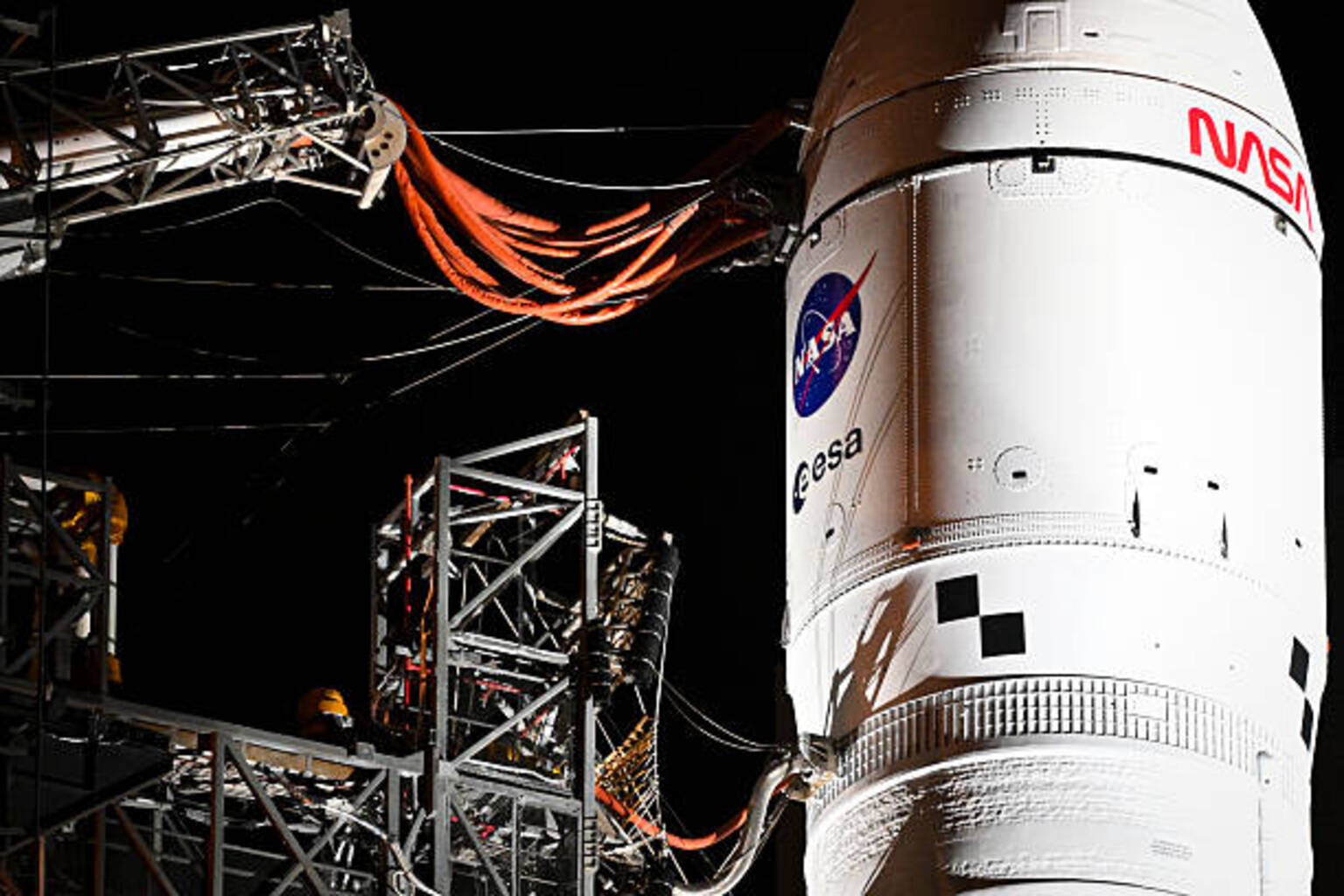
Overview of Contractors for Artemis II Mission
- Prime Contractor Role: In NASA's Artemis II mission, Lockheed Martin serves as the prime contractor for the Orion capsule, responsible for constructing the crew module and the launch abort system, ensuring astronaut safety and mission viability.
- Core Stage Responsibility: Boeing is tasked with the core stage of the Space Launch System rocket, including fuel tanks and flight systems, which are critical for the rocket's stability and effectiveness during launch, thereby enhancing mission success rates.
- Thrust Generation: Northrop Grumman supplies the twin solid rocket boosters that provide the majority of thrust during liftoff and key components for the capsule's abort system, significantly improving the mission's safety and reliability.
- European Service Module: Airbus, through the European Space Agency, constructed the European Service Module that supplies propulsion, electrical power, temperature regulation, and life-support resources for the Orion capsule, ensuring astronaut survival and operational capability during the lunar mission.
See More
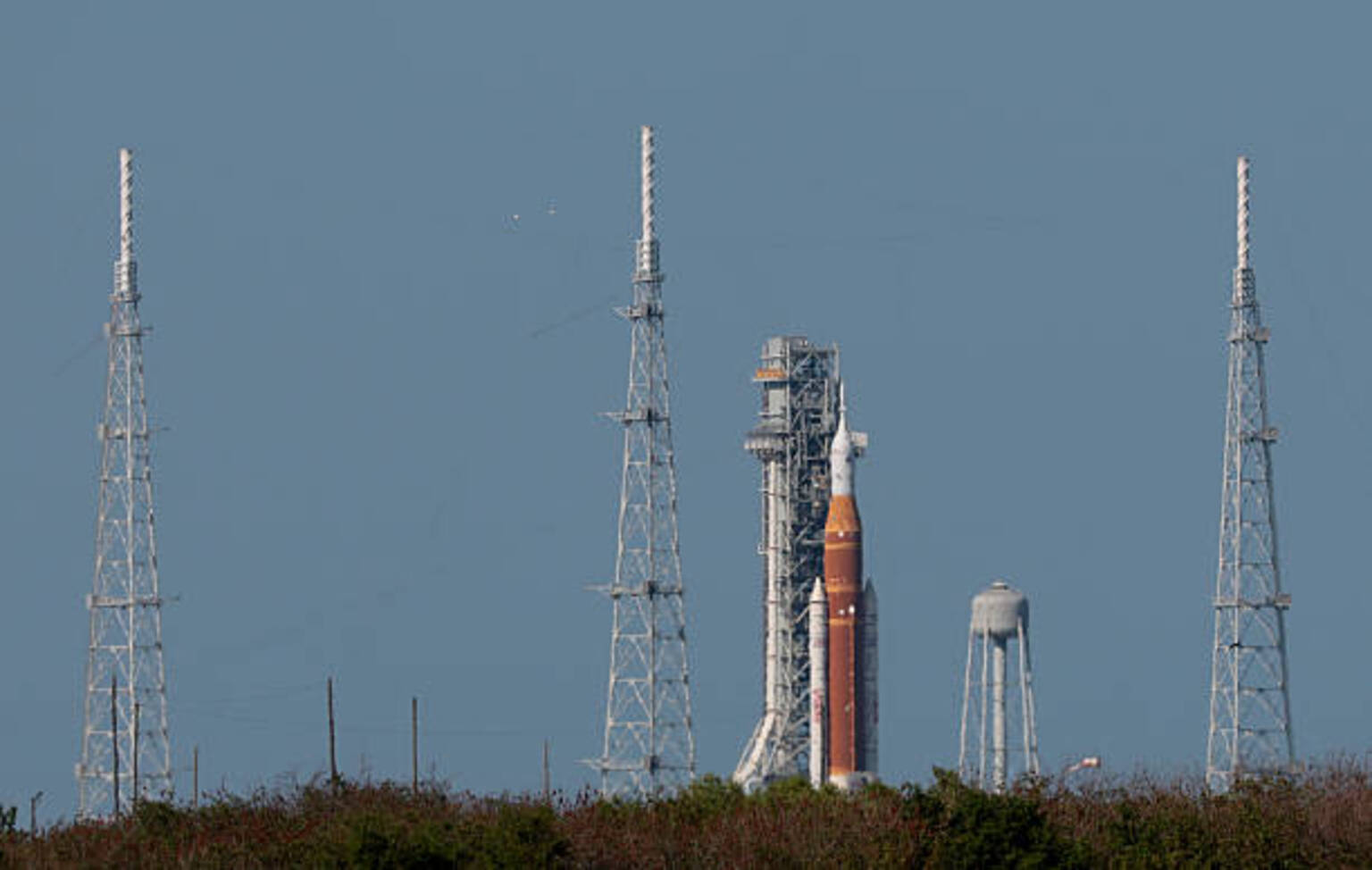
NASA Prepares for Artemis II Mission Around the Moon
- First Crewed Lunar Flight: NASA's Artemis II mission is set to launch on April 1, lasting approximately 10 days, marking the first crewed lunar voyage since the Apollo program, which holds significant historical and technological importance.
- Launch and Orbital Testing: The spacecraft will launch from Kennedy Space Center and enter Earth orbit, where the crew will conduct critical system checks on life support, propulsion, navigation, and communications over the first two days to ensure readiness for deep space travel.
- Lunar Flyby Plan: After system checks, the spacecraft will perform a major engine burn to leave Earth's orbit and head toward the Moon, representing the farthest humans have traveled in decades, which has substantial scientific exploration value.
- Re-entry and Recovery: As the spacecraft approaches Earth, it will re-enter the atmosphere at speeds near 25,000 miles per hour, evaluating the heat shield's performance under extreme conditions, with recovery teams expected to retrieve the crew after landing in the Pacific Ocean.
See More

NASA Plans 30 Lunar Missions Over Three Years

- Successful Landing: On February 22, 2024, Intuitive Machines achieved the first uncrewed lunar landing in 50 years, despite the lander tipping over, marking a significant milestone in commercial space exploration and attracting investor interest.
- NASA's New Initiative: NASA plans to conduct 30 lunar missions starting in 2027, aiming for monthly launches to supply a future lunar base and conduct scientific experiments, demonstrating strong support for commercial space endeavors.
- Beneficiary Companies: Companies like Intuitive Machines, Firefly Aerospace, and Astrobotic are included in NASA's Commercial Lunar Payload Services program, positioning them to benefit significantly, especially in the development and operation of small lunar landers.
- Long-term Strategic Framework: NASA's plan unfolds in three phases, beginning with the Artemis II mission, followed by establishing a semi-permanent lunar base in 2029, and achieving crew presence by 2032, providing long-term commercial opportunities for involved companies.
See More
Palantir Stock Retreats as Market Sentiment Turns Bearish
- Significant Stock Decline: Palantir (PLTR) shares have cumulatively dropped 12.6% over recent sessions, reaching their lowest level since March 2, indicating a waning investor confidence in defense stocks that could impact the company's future financing capabilities.
- Shift in Market Sentiment: Since mid-March, sentiment on Stocktwits for PLTR has turned ‘bearish’, reflecting growing investor concerns about the company's outlook, which may lead to increased selling pressure and exacerbate the stock's downward trajectory.
- P/E Ratio Hits Five-Month Low: Palantir's 12-month forward P/E ratio has plummeted from 270.3x last November to 104x, signaling a lack of confidence in its future profitability despite remaining above the software sector average, which could hinder its ability to attract new investors.
- Business Expansion and Partnerships: Despite stock price pressures, Palantir has renewed a five-year partnership with automaker Stellantis to enhance the use of its data management software across various business units, indicating ongoing market share expansion that may lay the groundwork for future growth.
See More
Pentagon Denies Defense Secretary's Investment Rumors
- Investment Rumors Surface: According to the Financial Times, U.S. Defense Secretary Pete Hegseth's broker sought to make a large investment in major defense companies ahead of the Iran war, although the Pentagon denied the report, labeling it as 'entirely false.'
- ETF Investment Plan: Hegseth's broker contacted BlackRock to discuss a multimillion-dollar investment in its iShares Defense Industrials Active ETF, which has approximately $3.1 billion in assets and includes stocks from major defense firms like Lockheed Martin.
- Poor Market Performance: The Defense ETF has lost 12.4% in the past month since the onset of the Iran war, reflecting cautious sentiment in the defense investment landscape, despite Hegseth's investment plans not materializing.
- Conflict Escalation: With U.S. Marines arriving in the region, the Pentagon is preparing for weeks of ground operations in Iran, indicating a potential escalation of the conflict that could further impact defense industry investment sentiment.
See More
Trump Signs Executive Order Amid Army Investigation of Helicopter Flyby
- Army Investigation Launched: The U.S. Army is investigating the flyby of AH-64 Apache helicopters near Kid Rock's home in Nashville, indicating the military's commitment to flight safety and professionalism.
- Social Media Reaction: Kid Rock posted videos on his X account showing the helicopters and expressing support for the military, highlighting his close ties to Trump and endorsement of his policies.
- Administrative Review Underway: An Army spokesman stated that an administrative review is assessing the compliance of the flight mission, with appropriate actions to be taken if violations are found, underscoring strict adherence to flight regulations.
- Political Context Impact: This incident coincides with nationwide anti-Trump demonstrations, reflecting the current tense and divided political climate, which may affect the image of Trump and his supporters.
See More
Overview of Contractors for Artemis II Mission
- Prime Contractor Role: In NASA's Artemis II mission, Lockheed Martin serves as the prime contractor for the Orion capsule, responsible for constructing the crew module and the launch abort system, ensuring astronaut safety and mission viability.
- Core Stage Responsibility: Boeing is tasked with the core stage of the Space Launch System rocket, including fuel tanks and flight systems, which are critical for the rocket's stability and effectiveness during launch, thereby enhancing mission success rates.
- Thrust Generation: Northrop Grumman supplies the twin solid rocket boosters that provide the majority of thrust during liftoff and key components for the capsule's abort system, significantly improving the mission's safety and reliability.
- European Service Module: Airbus, through the European Space Agency, constructed the European Service Module that supplies propulsion, electrical power, temperature regulation, and life-support resources for the Orion capsule, ensuring astronaut survival and operational capability during the lunar mission.
See More
NASA Prepares for Artemis II Mission Around the Moon
- First Crewed Lunar Flight: NASA's Artemis II mission is set to launch on April 1, lasting approximately 10 days, marking the first crewed lunar voyage since the Apollo program, which holds significant historical and technological importance.
- Launch and Orbital Testing: The spacecraft will launch from Kennedy Space Center and enter Earth orbit, where the crew will conduct critical system checks on life support, propulsion, navigation, and communications over the first two days to ensure readiness for deep space travel.
- Lunar Flyby Plan: After system checks, the spacecraft will perform a major engine burn to leave Earth's orbit and head toward the Moon, representing the farthest humans have traveled in decades, which has substantial scientific exploration value.
- Re-entry and Recovery: As the spacecraft approaches Earth, it will re-enter the atmosphere at speeds near 25,000 miles per hour, evaluating the heat shield's performance under extreme conditions, with recovery teams expected to retrieve the crew after landing in the Pacific Ocean.
See More
NASA Plans 30 Lunar Missions Over Three Years
- Successful Landing: On February 22, 2024, Intuitive Machines achieved the first uncrewed lunar landing in 50 years, despite the lander tipping over, marking a significant milestone in commercial space exploration and attracting investor interest.
- NASA's New Initiative: NASA plans to conduct 30 lunar missions starting in 2027, aiming for monthly launches to supply a future lunar base and conduct scientific experiments, demonstrating strong support for commercial space endeavors.
- Beneficiary Companies: Companies like Intuitive Machines, Firefly Aerospace, and Astrobotic are included in NASA's Commercial Lunar Payload Services program, positioning them to benefit significantly, especially in the development and operation of small lunar landers.
- Long-term Strategic Framework: NASA's plan unfolds in three phases, beginning with the Artemis II mission, followed by establishing a semi-permanent lunar base in 2029, and achieving crew presence by 2032, providing long-term commercial opportunities for involved companies.
See More