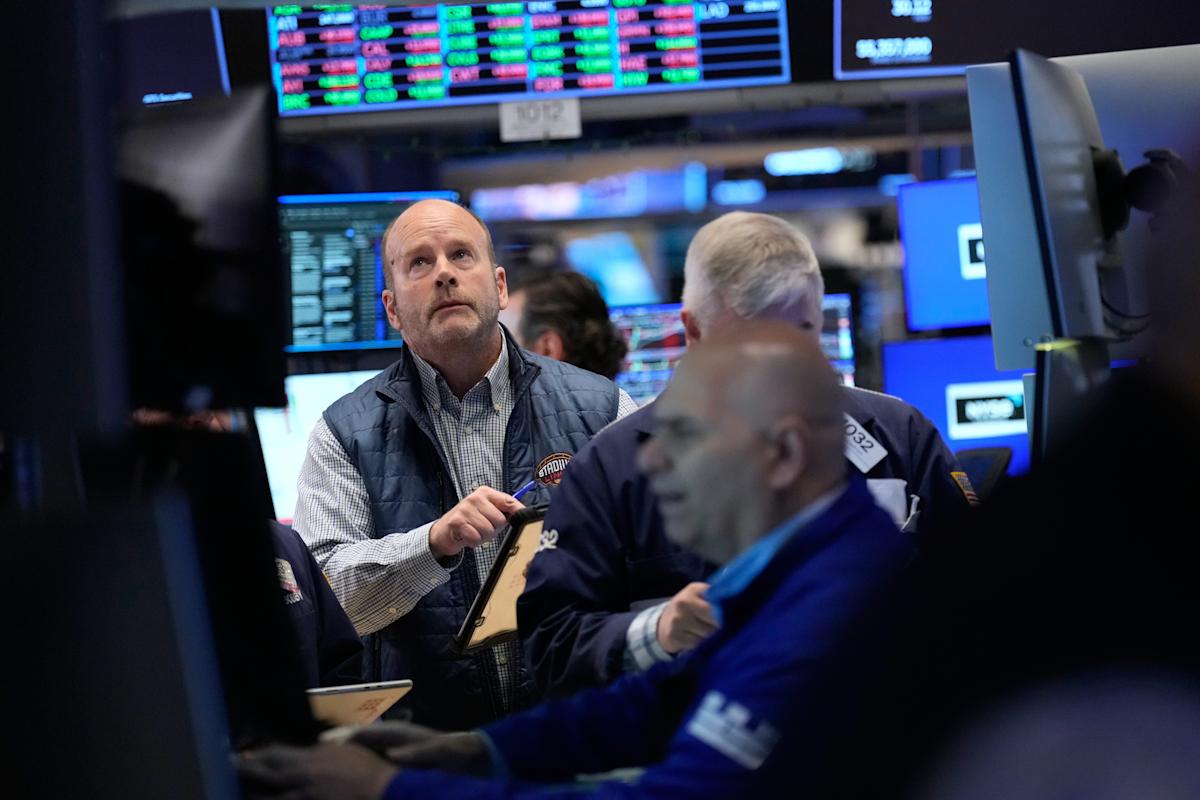
Trump Expects Iran War to Last Weeks, Impacting Oil and Stocks
Written by Emily J. Thompson, Senior Investment Analyst
Updated: Apr 08 2026
0mins

Should l Buy CVX?
Source: NASDAQ.COM
- Oil Price Surge: As of April 7, crude oil prices have surged to $113 per barrel, with potential to reach $150 or even $200 if the war continues, directly impacting oil-related stocks like Chevron (CVX), which has already risen nearly 28% this year.
- Defense Sector Gains: Lockheed Martin (LMT) has committed to quadrupling its munitions production, benefiting from the Trump administration's defense budget expansion, indicating a strong strategic position for defense companies even after the Iran war concludes.
- Airline Sector Strain: United Airlines (UAL) stock has dropped over 18% this year due to rising fuel costs and partial shutdowns at the Department of Homeland Security; a swift end to the war could lead to a decline in oil prices, allowing airlines to return to normal operations and recover stock prices.
- Mortgage Companies Affected: Rising inflation concerns have led to an increase in mortgage rates, negatively impacting companies like Compass (COMP), which projected $300 million in synergies from its acquisition of Anywhere Real Estate; a resolution to the conflict could alleviate inflation fears and spark a rebound in stock prices.
Trade with 70% Backtested Accuracy
Stop guessing "Should I Buy CVX?" and start using high-conviction signals backed by rigorous historical data.
Sign up today to access powerful investing tools and make smarter, data-driven decisions.
Analyst Views on CVX
Wall Street analysts forecast CVX stock price to fall
19 Analyst Rating
15 Buy
4 Hold
0 Sell
Strong Buy
Current: 187.020

Low
158.00
Averages
176.95
High
206.00
Current: 187.020
Low
158.00
Averages
176.95
High
206.00
About CVX
Chevron Corporation is an integrated energy company. The Company produces crude oil and natural gas; manufactures transportation fuels, lubricants, petrochemicals and additives; and develops technologies that enhance its business and industry. The Company’s segments include Upstream and Downstream. Upstream operations consist primarily of exploring for, developing, producing and transporting crude oil and natural gas; liquefaction, transportation and regasification associated with LNG; transporting crude oil by major international oil export pipelines; processing, transporting, storage and marketing of natural gas; carbon capture and storage; and a gas-to-liquids plant. Downstream operations consist primarily of the refining of crude oil into petroleum products; marketing crude oil, refined products, and lubricants; manufacturing and marketing of renewable fuels, and transporting of crude oil and refined products by pipeline, marine vessel, motor equipment and rail car.
About the author

Emily J. Thompson
Emily J. Thompson, a Chartered Financial Analyst (CFA) with 12 years in investment research, graduated with honors from the Wharton School. Specializing in industrial and technology stocks, she provides in-depth analysis for Intellectia’s earnings and market brief reports.
Buffett Retires, Abel Takes Over as CEO of Berkshire Hathaway


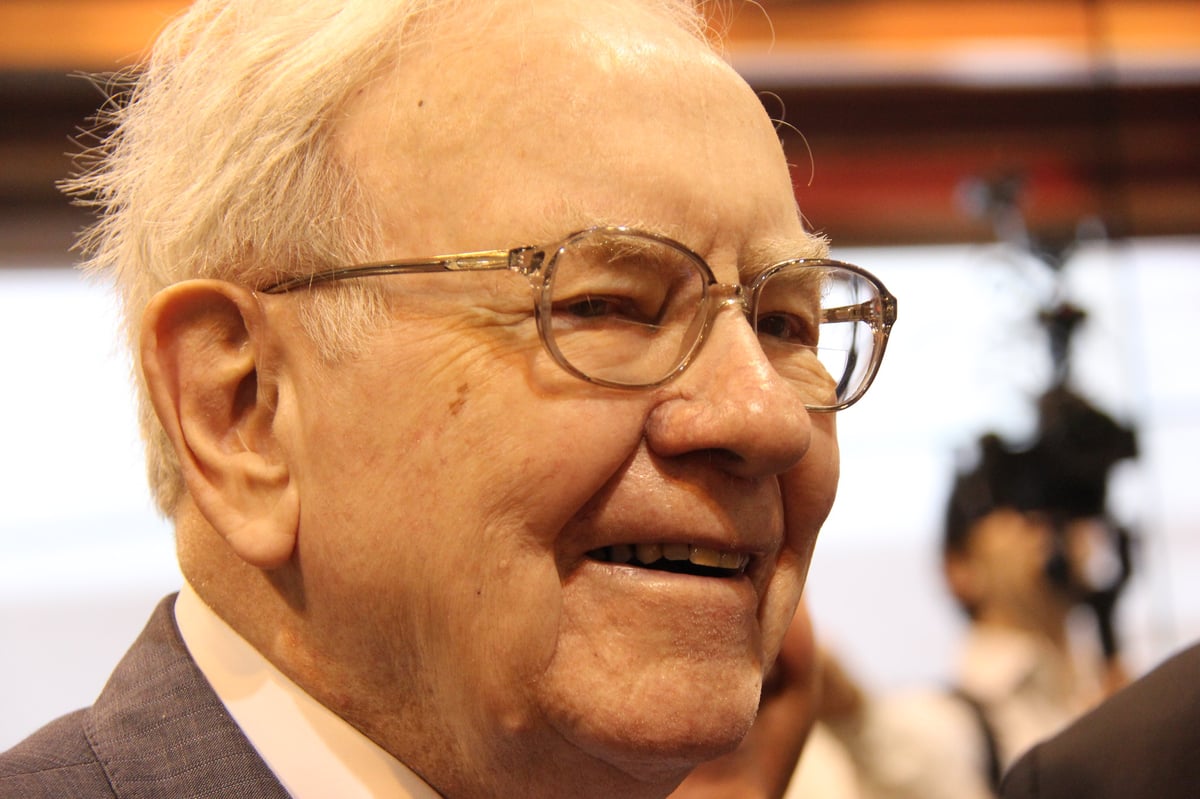
- Leadership Transition: Warren Buffett officially retired on December 31, 2025, with Greg Abel taking over the day-to-day operations of Berkshire Hathaway, managing a $318 billion investment portfolio, marking a significant shift in the company's leadership.
- Portfolio Concentration: Abel inherited a portfolio where the top ten holdings account for 79% of invested assets, with Apple representing $59.4 billion or 18.7% of total investments, indicating a strong reliance on core assets.
- Capital Return Strategy: All of Berkshire's top ten holdings pay dividends, with Coca-Cola yielding an impressive 63% annually, reflecting Abel's continuation of Buffett's focus on capital returns to enhance shareholder value.
- Value Investment Principle: Abel emphasizes the importance of value in managing the portfolio, recently selling approximately 75% of Berkshire's Apple shares, indicating that maintaining the portfolio's value is a top priority in the face of high valuations.
See More
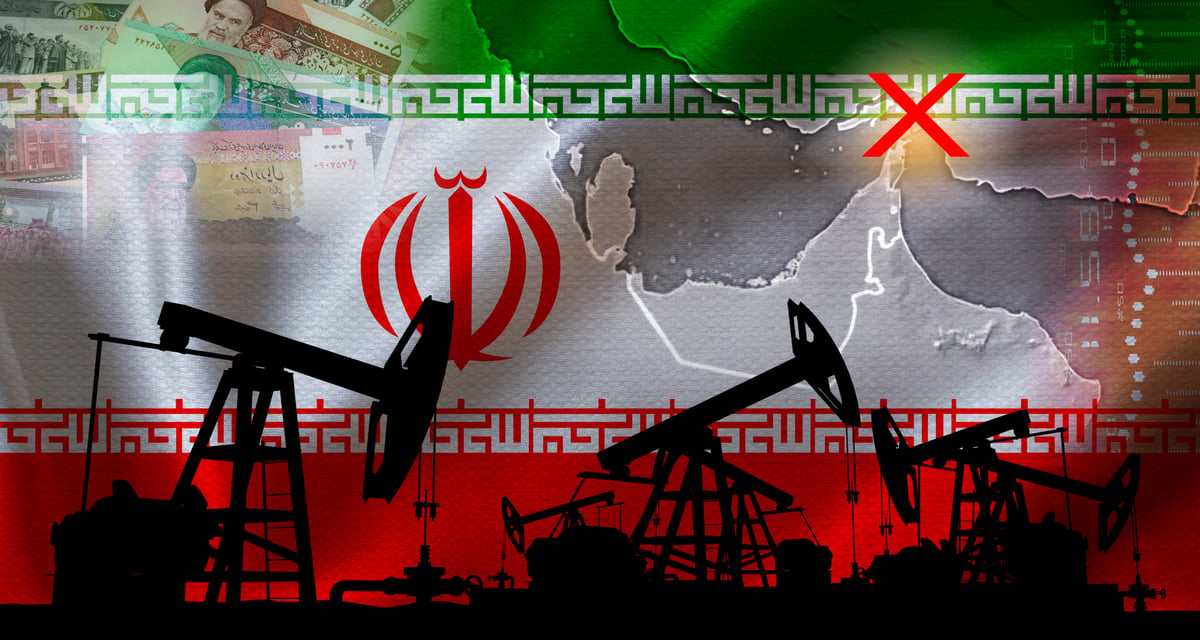
Impact of Iran War on Global Energy Markets


- Oil Supply Risks: The U.S. and Israel's attacks on Iran have disrupted traffic through the Strait of Hormuz, causing turmoil in global energy markets, prompting investors to monitor oil price fluctuations and their impact on energy stocks.
- Chevron's Stability: Chevron (CVX) stands out due to its strong operations in the Permian Basin, with expectations of over 10% annual growth in earnings per share and free cash flow, alongside a 39-year streak of dividend increases, reflecting its financial robustness amid Middle East oil supply risks.
- ExxonMobil's Growth Potential: As the world's second-largest energy company, ExxonMobil (XOM) anticipates a $25 billion increase in earnings by 2030 and an additional $35 billion in free cash flow, with a 43-year history of dividend growth attracting income investors.
- Energy Transfer's Market Demand: Energy Transfer (ET) benefits from rising U.S. oil and gas demand due to Middle Eastern supply disruptions, with its extensive pipeline network positioning it favorably in the market, and management expects a long-term distribution growth rate of 3% to 5%.
See More

Greg Abel Takes Over After Buffett's Retirement at Berkshire Hathaway
- Portfolio Transition: Following Warren Buffett's retirement on December 31, 2025, Greg Abel inherited a $318 billion investment portfolio, facing the challenge of a highly concentrated and brand-heavy asset base while committing to uphold Buffett's investment philosophy.
- Capital Return Strategy: All of Berkshire's top ten holdings feature robust capital return programs, with each company paying dividends; Coca-Cola boasts an impressive 63% annual yield, underscoring Abel's dedication to maintaining shareholder value.
- Long-Term Holding Strategy: In his first shareholder letter, Abel classified Apple and Moody's as 'indefinite holdings,' indicating confidence in their long-term prospects, despite Berkshire having sold approximately 75% of its Apple stake in the past two years.
- Value Investment Principle: Both Abel and Buffett emphasize the importance of securing good deals, as evidenced by Berkshire's recent reductions in holdings, reflecting sensitivity to market valuations, particularly when bank stocks trade above book value.
See More
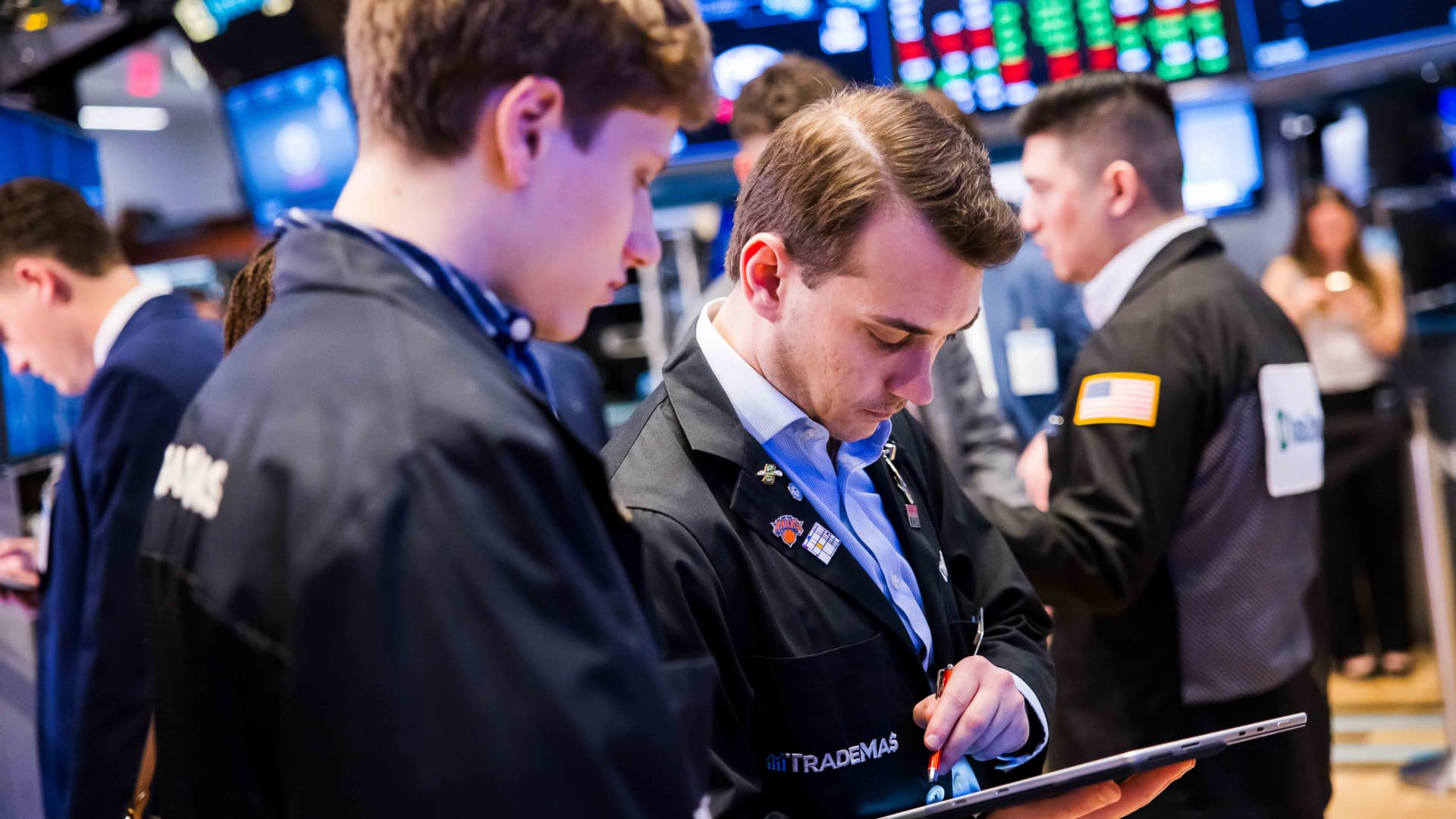
Global Equities Reach Record Highs Amid Truce Talks

- Market Surge: Global equities have surged, with the S&P 500 rising 0.80% and the Nasdaq Composite gaining 1.59%, both reaching record highs amid optimism surrounding the first direct talks between Israel and Lebanon in over 30 years, indicating strong investor confidence in market prospects.
- Japan's Performance: The Nikkei 225 index hit a new high, driven by a broader rally in Asian markets, particularly in technology and consumer cyclical stocks, reflecting investor confidence in the region's economic recovery.
- China's Economic Growth: China's GDP grew by 5% in the first quarter, exceeding economists' forecast of 4.8%, as reported by the National Bureau of Statistics, showcasing the resilience of the Chinese economy despite potential global demand shocks from the Iran conflict.
- World Bank Caution: The World Bank president cautioned in an interview that economic disruptions related to conflicts could last for months, even if the current fragile ceasefire holds, posing a potential threat to global economic recovery.
See More
S&P 500 and Nasdaq Hit Record Highs Amid Market Rally


- Record Market Performance: The S&P 500 closed at a record high on Thursday, rising 3% over three days and 7.6% since early April, indicating strong market confidence and a rebound in investor sentiment.
- Nasdaq's Strong Rebound: The Nasdaq Composite also reached a new high, up nearly 5% in three days and 11.2% in April, marking 11 consecutive days of gains, reflecting robust performance in tech stocks and optimistic market expectations for future growth.
- Big Tech Rotation: Microsoft's stock jumped 4.6% on Wednesday without a clear reason, but it has risen 11% in April, showing sustained investor interest in tech; Tesla also rose 12% in three days, indicating strong confidence in these companies.
- Decreased Volatility: The Cboe Volatility Index has dropped nearly 30% in April, linked to S&P 500 index options activity, suggesting a stabilization in market sentiment and reduced investor concerns about future market fluctuations.
See More

Three High-Yield Stocks for Investors

- AbbVie's Stability: AbbVie saw a revenue increase of about 9% last year, primarily driven by strong performance in its immunology and neuroscience segments, making it a reliable investment during economic fluctuations, with a current dividend yield of 3.3%, significantly above the S&P 500's 1.2%.
- Chevron's Resilience: During the market crash in 2022, Chevron's stock surged by 53%, and it offers a dividend yield of 3.8%, showcasing its strong profitability in a high oil price environment, with operating profits exceeding $16 billion annually over the past four years.
- Vici Properties' Diversification: Vici Properties boasts a high dividend yield of 6.3%, with last year's revenue rising by 4% to over $4 billion and net income climbing to $2.8 billion, demonstrating its ability to withstand economic downturns, as evidenced by an almost 8% stock price increase in 2022.
- Investment Value Emergence: These three stocks have shown exceptional performance during market turbulence, with AbbVie and Chevron providing stable income and Vici Properties offering high dividends, making them top choices for investors, especially amid increasing economic uncertainty.
See More
Buffett Retires, Abel Takes Over as CEO of Berkshire Hathaway
- Leadership Transition: Warren Buffett officially retired on December 31, 2025, with Greg Abel taking over the day-to-day operations of Berkshire Hathaway, managing a $318 billion investment portfolio, marking a significant shift in the company's leadership.
- Portfolio Concentration: Abel inherited a portfolio where the top ten holdings account for 79% of invested assets, with Apple representing $59.4 billion or 18.7% of total investments, indicating a strong reliance on core assets.
- Capital Return Strategy: All of Berkshire's top ten holdings pay dividends, with Coca-Cola yielding an impressive 63% annually, reflecting Abel's continuation of Buffett's focus on capital returns to enhance shareholder value.
- Value Investment Principle: Abel emphasizes the importance of value in managing the portfolio, recently selling approximately 75% of Berkshire's Apple shares, indicating that maintaining the portfolio's value is a top priority in the face of high valuations.
See More
Impact of Iran War on Global Energy Markets
- Oil Supply Risks: The U.S. and Israel's attacks on Iran have disrupted traffic through the Strait of Hormuz, causing turmoil in global energy markets, prompting investors to monitor oil price fluctuations and their impact on energy stocks.
- Chevron's Stability: Chevron (CVX) stands out due to its strong operations in the Permian Basin, with expectations of over 10% annual growth in earnings per share and free cash flow, alongside a 39-year streak of dividend increases, reflecting its financial robustness amid Middle East oil supply risks.
- ExxonMobil's Growth Potential: As the world's second-largest energy company, ExxonMobil (XOM) anticipates a $25 billion increase in earnings by 2030 and an additional $35 billion in free cash flow, with a 43-year history of dividend growth attracting income investors.
- Energy Transfer's Market Demand: Energy Transfer (ET) benefits from rising U.S. oil and gas demand due to Middle Eastern supply disruptions, with its extensive pipeline network positioning it favorably in the market, and management expects a long-term distribution growth rate of 3% to 5%.
See More
Greg Abel Takes Over After Buffett's Retirement at Berkshire Hathaway
- Portfolio Transition: Following Warren Buffett's retirement on December 31, 2025, Greg Abel inherited a $318 billion investment portfolio, facing the challenge of a highly concentrated and brand-heavy asset base while committing to uphold Buffett's investment philosophy.
- Capital Return Strategy: All of Berkshire's top ten holdings feature robust capital return programs, with each company paying dividends; Coca-Cola boasts an impressive 63% annual yield, underscoring Abel's dedication to maintaining shareholder value.
- Long-Term Holding Strategy: In his first shareholder letter, Abel classified Apple and Moody's as 'indefinite holdings,' indicating confidence in their long-term prospects, despite Berkshire having sold approximately 75% of its Apple stake in the past two years.
- Value Investment Principle: Both Abel and Buffett emphasize the importance of securing good deals, as evidenced by Berkshire's recent reductions in holdings, reflecting sensitivity to market valuations, particularly when bank stocks trade above book value.
See More
Global Equities Reach Record Highs Amid Truce Talks
- Market Surge: Global equities have surged, with the S&P 500 rising 0.80% and the Nasdaq Composite gaining 1.59%, both reaching record highs amid optimism surrounding the first direct talks between Israel and Lebanon in over 30 years, indicating strong investor confidence in market prospects.
- Japan's Performance: The Nikkei 225 index hit a new high, driven by a broader rally in Asian markets, particularly in technology and consumer cyclical stocks, reflecting investor confidence in the region's economic recovery.
- China's Economic Growth: China's GDP grew by 5% in the first quarter, exceeding economists' forecast of 4.8%, as reported by the National Bureau of Statistics, showcasing the resilience of the Chinese economy despite potential global demand shocks from the Iran conflict.
- World Bank Caution: The World Bank president cautioned in an interview that economic disruptions related to conflicts could last for months, even if the current fragile ceasefire holds, posing a potential threat to global economic recovery.
See More
S&P 500 and Nasdaq Hit Record Highs Amid Market Rally
- Record Market Performance: The S&P 500 closed at a record high on Thursday, rising 3% over three days and 7.6% since early April, indicating strong market confidence and a rebound in investor sentiment.
- Nasdaq's Strong Rebound: The Nasdaq Composite also reached a new high, up nearly 5% in three days and 11.2% in April, marking 11 consecutive days of gains, reflecting robust performance in tech stocks and optimistic market expectations for future growth.
- Big Tech Rotation: Microsoft's stock jumped 4.6% on Wednesday without a clear reason, but it has risen 11% in April, showing sustained investor interest in tech; Tesla also rose 12% in three days, indicating strong confidence in these companies.
- Decreased Volatility: The Cboe Volatility Index has dropped nearly 30% in April, linked to S&P 500 index options activity, suggesting a stabilization in market sentiment and reduced investor concerns about future market fluctuations.
See More
Three High-Yield Stocks for Investors
- AbbVie's Stability: AbbVie saw a revenue increase of about 9% last year, primarily driven by strong performance in its immunology and neuroscience segments, making it a reliable investment during economic fluctuations, with a current dividend yield of 3.3%, significantly above the S&P 500's 1.2%.
- Chevron's Resilience: During the market crash in 2022, Chevron's stock surged by 53%, and it offers a dividend yield of 3.8%, showcasing its strong profitability in a high oil price environment, with operating profits exceeding $16 billion annually over the past four years.
- Vici Properties' Diversification: Vici Properties boasts a high dividend yield of 6.3%, with last year's revenue rising by 4% to over $4 billion and net income climbing to $2.8 billion, demonstrating its ability to withstand economic downturns, as evidenced by an almost 8% stock price increase in 2022.
- Investment Value Emergence: These three stocks have shown exceptional performance during market turbulence, with AbbVie and Chevron providing stable income and Vici Properties offering high dividends, making them top choices for investors, especially amid increasing economic uncertainty.
See More