TotalEnergies Exits U.S. Offshore Wind Projects to Focus on Gas Production
- Project Withdrawal: TotalEnergies has signed settlement agreements with the U.S. Interior Department to relinquish offshore wind leases in New York and North Carolina, indicating a lack of confidence in U.S. offshore wind projects, which may impact its renewable energy strategy in the U.S.
- Reinvestment of Funds: Under the deal, TotalEnergies will recover lease fees paid and reinvest an equal amount into U.S. gas and power production, demonstrating the company's focus on traditional energy sources to meet the growing electricity demand.
- Strategic Shift: The CEO stated that investments will support the construction of the Rio Grande LNG plant and the development of oil and gas activities, indicating a pivot towards more cost-effective energy solutions to bolster energy supply for both the U.S. and Europe.
- Market Impact: This move may lead to reduced investment in the U.S. offshore wind market while strengthening TotalEnergies' competitiveness in the LNG sector, which is expected to negatively affect its future financial performance.
Trade with 70% Backtested Accuracy
Analyst Views on TTE

About TTE
About the author


TotalEnergies Completes Merger with NEO NEXT
- Merger Completion: TotalEnergies has completed its merger with NEO NEXT, resulting in the formation of NEO NEXT+, where TotalEnergies holds a 47.5% stake, making it the largest independent oil and gas producer on the UK Continental Shelf with an expected production of over 250,000 barrels of oil equivalent per day by 2026, significantly enhancing the company's competitive position in the market.
- Strategic Commitment: This merger marks an important step in TotalEnergies' long-term commitment to the UK oil and gas sector, not only enhancing the company's cash flow generation capabilities but also fostering operational efficiencies through the synergies of the asset portfolio, thereby solidifying its market leadership.
- Historical Context: TotalEnergies has been operating in the UK for over 60 years, employing more than 1,800 people, and is expected to operate around 27% of the UK Continental Shelf's gas production by 2025, with an average daily equity production of 104,500 barrels of oil equivalent, highlighting its significant role in the energy value chain.
- Renewable Energy Strategy: TotalEnergies is deploying its Integrated Power strategy in the UK, which combines renewable energy production with flexible generation capacities, with current projects including 1.1 GW of offshore wind and 5 GW of solar under development, further advancing the company's positioning in the green energy sector.
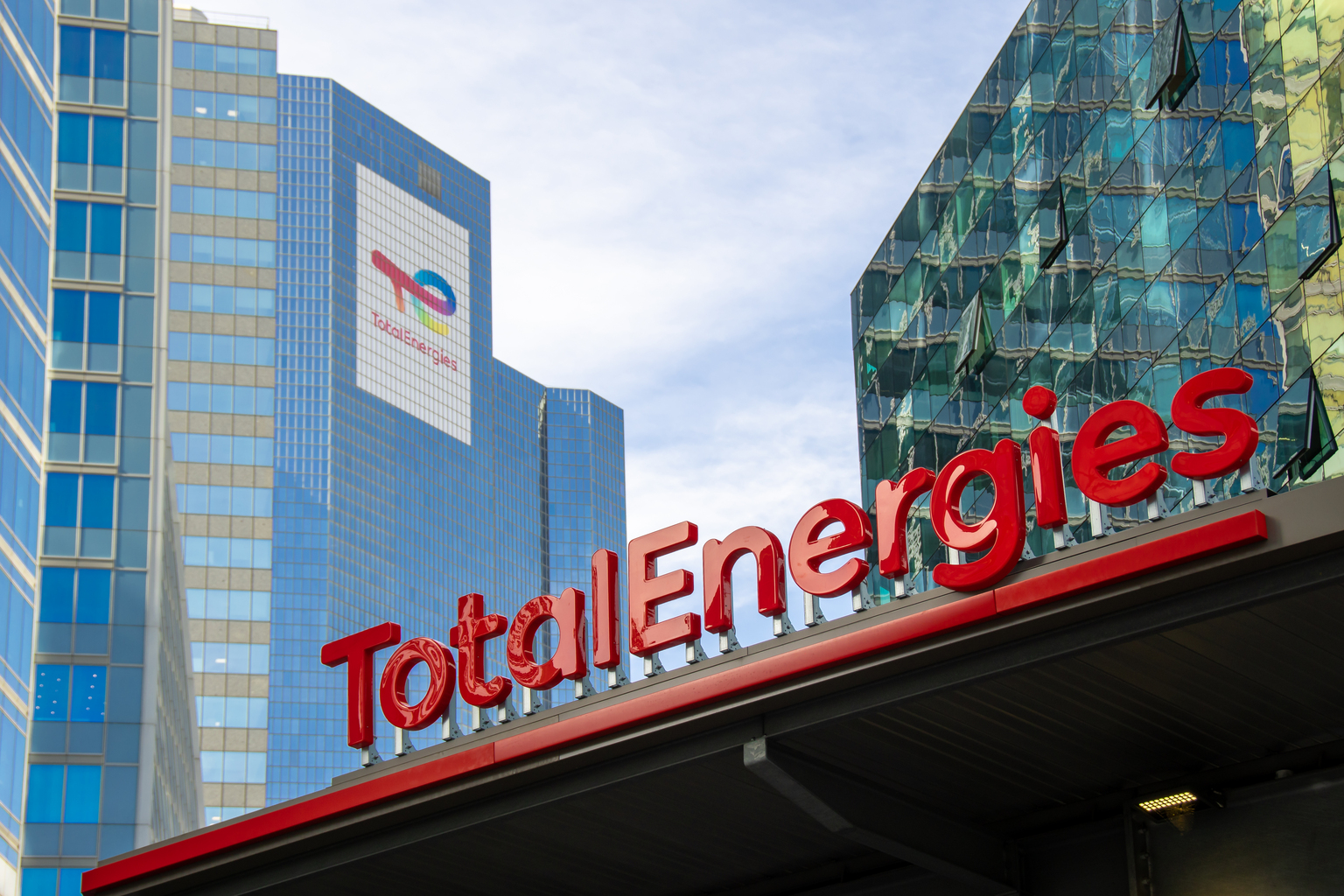
TotalEnergies Profits Over $1B in Middle East Oil Trading
- Market Dominance: TotalEnergies capitalized on wartime disruptions in March by purchasing nearly 70 crude cargoes from the UAE and Oman, resulting in over $1 billion in profits, marking one of the largest positions ever taken in oil market history.
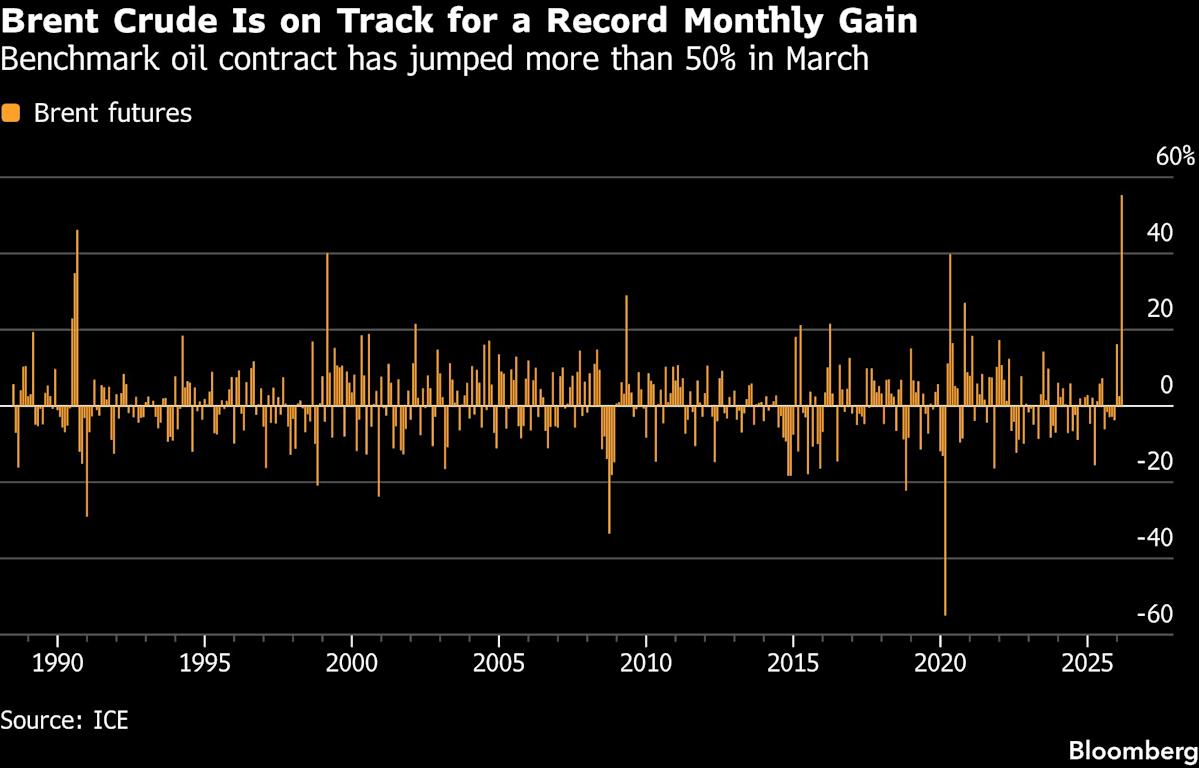
- Price Volatility Surge: The Iranian restriction on traffic through the Strait of Hormuz led to reduced supply in benchmark contracts, causing Dubai crude prices to soar from about $70 per barrel before the conflict to nearly $170, significantly outpacing Brent crude's peak of around $120, highlighting extreme market volatility.
- Trading Activity Spike: Overall trading activity rose approximately 50% month-over-month, yet only TotalEnergies accumulated enough “partial” contracts to form full cargoes, underscoring its absolute dominance in the buyer's market and further solidifying its market influence.
- Hedging Strategy: TotalEnergies employed “paper oil” instruments, including futures, options, and swaps, to hedge its exposure to physical oil and bet on rising prices, thereby maintaining profitability in an uncertain market environment.

Ukrainian Drone Attacks Disrupt Russian Crude Exports
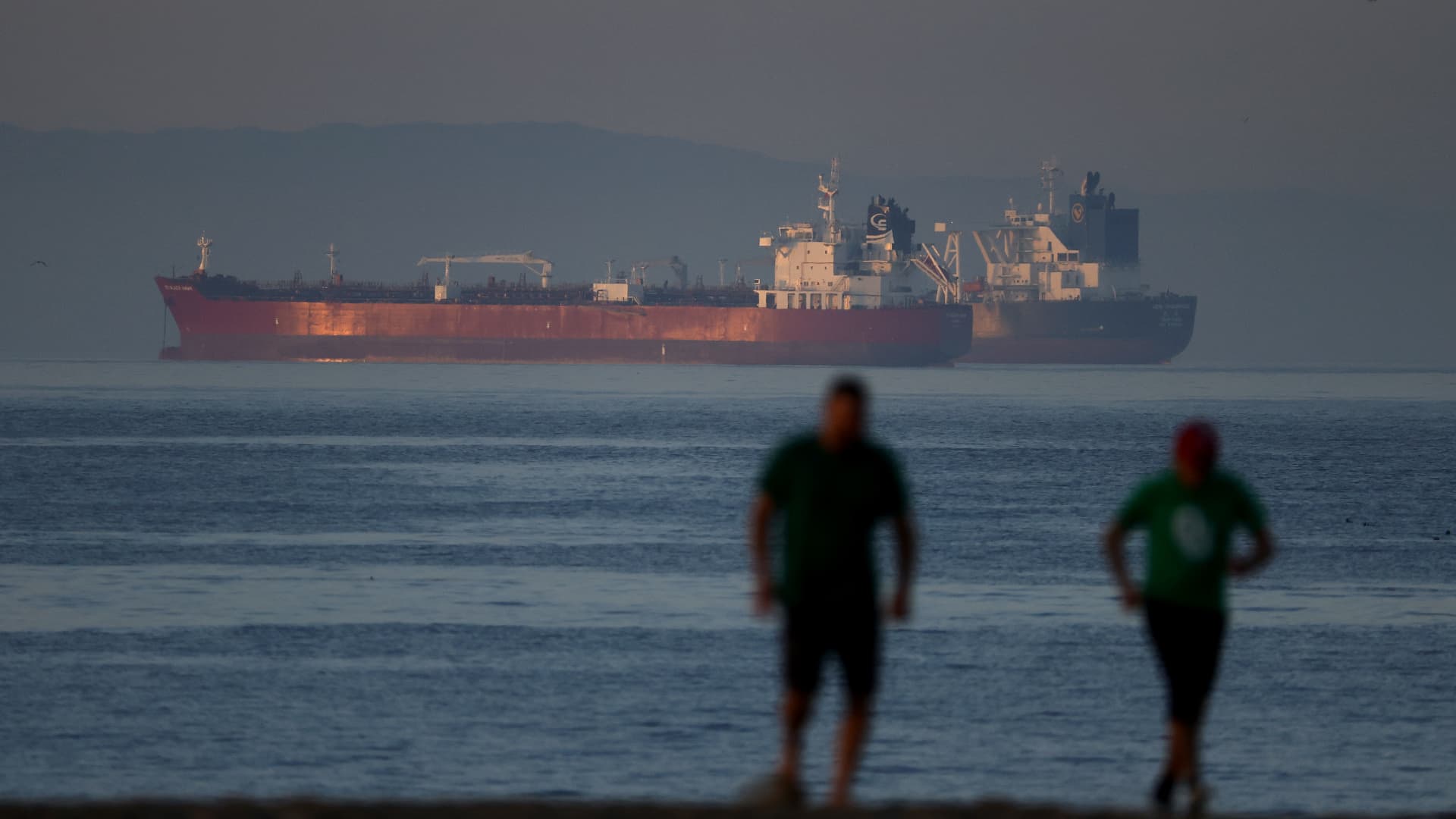
- Export Capability Impacted: Ukrainian drone strikes have nearly halted crude loadings at Russia's Ust-Luga port, significantly impairing the country's maritime crude export capabilities and operational capacity.
- Severe Port Damage: Ust-Luga and Primorsk ports, which previously handled approximately 45% of Russia's seaborne crude exports totaling 1.72 million barrels per day, are now severely damaged, creating a bottleneck that threatens global oil supply.
- Deteriorating Fiscal Outlook: While global oil prices had risen due to the ongoing Middle East conflict, the inability to transport crude has severely blunted potential revenue growth, worsening Russia's fiscal outlook amid a widening budget gap.
- Structural Economic Challenges: The focus on targeting energy infrastructure indicates a shift toward industrial attrition in the war, presenting structural challenges to the Russian economy that cannot be easily mitigated through air defenses, with investors concerned about the duration of repairs at the ports, as any delays could redirect global crude flows.
Energy Executives Warn of Middle East War Impact
- Oil Supply Crisis: CEOs of major energy companies warned at S&P Global's CERAWeek that the Iran war has disrupted 8 million barrels of oil and 20% of the LNG market daily, potentially leading to fuel shortages in Asia and Europe, severely impacting the global economy.
- Market Reaction Lag: ConocoPhillips CEO Ryan Lance noted that the market is not reflecting the scale of the supply disruption, with oil prices likely to remain high at $99.64 per barrel even after the conflict ends, as countries will need to restock depleted reserves.
- Geopolitical Risks Escalate: Kuwait Petroleum CEO Sheikh Nawaf al-Sabah stated that Iran's blockade of the Strait of Hormuz is not only an attack on Gulf nations but poses a threat to the global economy, potentially causing a domino effect throughout the supply chain.
- Fuel Shortages Spread: Shell CEO Wael Sawan highlighted that jet fuel and diesel prices have surged to $200 and $160 per barrel respectively, with the crisis expected to impact major Asian economies and reach Europe by April, prompting governments to stockpile and protect their supplies.

A Guide to Participating in the SpaceX IPO


SpaceX IPO Plans: SpaceX is anticipated to file for an initial public offering later this year, signaling a potential growth opportunity for investors.
Investor Interest: Investors are actively seeking to purchase funds that hold pre-IPO shares of SpaceX, aiming to benefit from the company's expected boom.
Caution Advised: Potential buyers are warned to exercise caution when investing in pre-IPO shares, as risks may be involved.
Elon Musk's Ventures: The interest in SpaceX is tied to Elon Musk's broader ventures in rockets, satellites, and artificial intelligence, which are seen as promising sectors.
TotalEnergies and EDF Sign Nuclear Power Contract
- Nuclear Contract Signing: TotalEnergies and EDF have signed a 12-year Nuclear Production Allocation Contract effective January 1, 2028, which is expected to provide TotalEnergies with approximately 400 MW of electricity, covering about 60% of its electricity needs for refining and chemicals in France, thereby enhancing its competitiveness in the low-carbon energy sector.
- Long-term Power Assurance: This agreement not only ensures stable electricity supply for TotalEnergies but also allows EDF to share the risks and costs associated with the variability of nuclear power production, further solidifying the partnership between the two companies in the energy market.
- Commitment to Sustainability: TotalEnergies CEO Patrick Pouyanné stated that this agreement will secure long-term low-carbon power for its electricity-intensive industrial sites, reflecting the company's commitment to sustainability while providing EDF with long-term market visibility.
- Role in Energy Transition: As a leading low-carbon electricity producer, EDF aims to achieve 515 TWh of low-carbon generation by 2025, and the signing of this contract will further enhance its critical role in the energy transition, ensuring its competitiveness in future energy markets.
TotalEnergies Completes Merger with NEO NEXT
- Merger Completion: TotalEnergies has completed its merger with NEO NEXT, resulting in the formation of NEO NEXT+, where TotalEnergies holds a 47.5% stake, making it the largest independent oil and gas producer on the UK Continental Shelf with an expected production of over 250,000 barrels of oil equivalent per day by 2026, significantly enhancing the company's competitive position in the market.
- Strategic Commitment: This merger marks an important step in TotalEnergies' long-term commitment to the UK oil and gas sector, not only enhancing the company's cash flow generation capabilities but also fostering operational efficiencies through the synergies of the asset portfolio, thereby solidifying its market leadership.
- Historical Context: TotalEnergies has been operating in the UK for over 60 years, employing more than 1,800 people, and is expected to operate around 27% of the UK Continental Shelf's gas production by 2025, with an average daily equity production of 104,500 barrels of oil equivalent, highlighting its significant role in the energy value chain.
- Renewable Energy Strategy: TotalEnergies is deploying its Integrated Power strategy in the UK, which combines renewable energy production with flexible generation capacities, with current projects including 1.1 GW of offshore wind and 5 GW of solar under development, further advancing the company's positioning in the green energy sector.
TotalEnergies Profits Over $1B in Middle East Oil Trading
- Market Dominance: TotalEnergies capitalized on wartime disruptions in March by purchasing nearly 70 crude cargoes from the UAE and Oman, resulting in over $1 billion in profits, marking one of the largest positions ever taken in oil market history.
- Price Volatility Surge: The Iranian restriction on traffic through the Strait of Hormuz led to reduced supply in benchmark contracts, causing Dubai crude prices to soar from about $70 per barrel before the conflict to nearly $170, significantly outpacing Brent crude's peak of around $120, highlighting extreme market volatility.
- Trading Activity Spike: Overall trading activity rose approximately 50% month-over-month, yet only TotalEnergies accumulated enough “partial” contracts to form full cargoes, underscoring its absolute dominance in the buyer's market and further solidifying its market influence.
- Hedging Strategy: TotalEnergies employed “paper oil” instruments, including futures, options, and swaps, to hedge its exposure to physical oil and bet on rising prices, thereby maintaining profitability in an uncertain market environment.
Ukrainian Drone Attacks Disrupt Russian Crude Exports
- Export Capability Impacted: Ukrainian drone strikes have nearly halted crude loadings at Russia's Ust-Luga port, significantly impairing the country's maritime crude export capabilities and operational capacity.
- Severe Port Damage: Ust-Luga and Primorsk ports, which previously handled approximately 45% of Russia's seaborne crude exports totaling 1.72 million barrels per day, are now severely damaged, creating a bottleneck that threatens global oil supply.
- Deteriorating Fiscal Outlook: While global oil prices had risen due to the ongoing Middle East conflict, the inability to transport crude has severely blunted potential revenue growth, worsening Russia's fiscal outlook amid a widening budget gap.
- Structural Economic Challenges: The focus on targeting energy infrastructure indicates a shift toward industrial attrition in the war, presenting structural challenges to the Russian economy that cannot be easily mitigated through air defenses, with investors concerned about the duration of repairs at the ports, as any delays could redirect global crude flows.
Energy Executives Warn of Middle East War Impact
- Oil Supply Crisis: CEOs of major energy companies warned at S&P Global's CERAWeek that the Iran war has disrupted 8 million barrels of oil and 20% of the LNG market daily, potentially leading to fuel shortages in Asia and Europe, severely impacting the global economy.
- Market Reaction Lag: ConocoPhillips CEO Ryan Lance noted that the market is not reflecting the scale of the supply disruption, with oil prices likely to remain high at $99.64 per barrel even after the conflict ends, as countries will need to restock depleted reserves.
- Geopolitical Risks Escalate: Kuwait Petroleum CEO Sheikh Nawaf al-Sabah stated that Iran's blockade of the Strait of Hormuz is not only an attack on Gulf nations but poses a threat to the global economy, potentially causing a domino effect throughout the supply chain.
- Fuel Shortages Spread: Shell CEO Wael Sawan highlighted that jet fuel and diesel prices have surged to $200 and $160 per barrel respectively, with the crisis expected to impact major Asian economies and reach Europe by April, prompting governments to stockpile and protect their supplies.
A Guide to Participating in the SpaceX IPO
SpaceX IPO Plans: SpaceX is anticipated to file for an initial public offering later this year, signaling a potential growth opportunity for investors.
Investor Interest: Investors are actively seeking to purchase funds that hold pre-IPO shares of SpaceX, aiming to benefit from the company's expected boom.
Caution Advised: Potential buyers are warned to exercise caution when investing in pre-IPO shares, as risks may be involved.
Elon Musk's Ventures: The interest in SpaceX is tied to Elon Musk's broader ventures in rockets, satellites, and artificial intelligence, which are seen as promising sectors.
TotalEnergies and EDF Sign Nuclear Power Contract
- Nuclear Contract Signing: TotalEnergies and EDF have signed a 12-year Nuclear Production Allocation Contract effective January 1, 2028, which is expected to provide TotalEnergies with approximately 400 MW of electricity, covering about 60% of its electricity needs for refining and chemicals in France, thereby enhancing its competitiveness in the low-carbon energy sector.
- Long-term Power Assurance: This agreement not only ensures stable electricity supply for TotalEnergies but also allows EDF to share the risks and costs associated with the variability of nuclear power production, further solidifying the partnership between the two companies in the energy market.
- Commitment to Sustainability: TotalEnergies CEO Patrick Pouyanné stated that this agreement will secure long-term low-carbon power for its electricity-intensive industrial sites, reflecting the company's commitment to sustainability while providing EDF with long-term market visibility.
- Role in Energy Transition: As a leading low-carbon electricity producer, EDF aims to achieve 515 TWh of low-carbon generation by 2025, and the signing of this contract will further enhance its critical role in the energy transition, ensuring its competitiveness in future energy markets.