Top 3 Dividend Aristocrat Stocks to Invest in Today, 10/28/2025


Importance of Dividend Aristocrats: Dividend aristocrats are companies that have increased their dividends for at least 25 consecutive years, and they are typically listed on the S&P 500 index. Identifying these companies is crucial for earning regular dividend income.
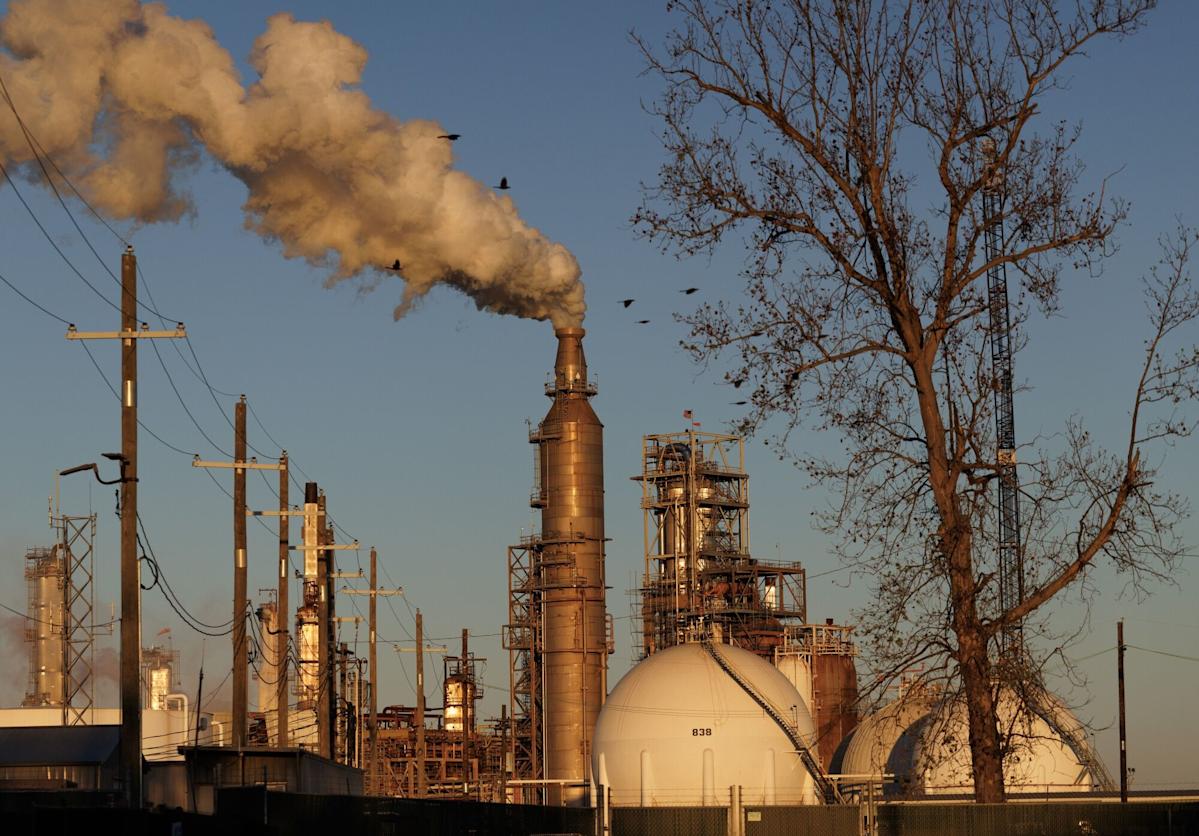
Top Dividend Aristocrat Picks: Analysts recommend three dividend aristocrat stocks: Federal Realty Investment Trust (FRT), Chevron Corporation (CVX), and Hormel Foods Corporation (HRL), all of which have high dividend payout ratios and positive growth potential.
Federal Realty Investment Trust (FRT): This Maryland-based REIT has a dividend payout ratio of 224.30%, a yield of 4.39%, and a Moderate Buy rating with an average price target suggesting over 11% growth.
Chevron Corporation (CVX) and Hormel Foods Corporation (HRL): Chevron has a payout ratio of 162.28% and a yield of 4.35%, while Hormel Foods has a payout ratio of 157.82% and a yield of 4.89%, both with Moderate Buy ratings and significant upside potential.
Trade with 70% Backtested Accuracy
Analyst Views on CVX

About CVX
About the author


Chevron: A Robust Choice in Energy Stocks

- Dividend Appeal: Chevron's 3.8% dividend yield significantly surpasses the S&P 500's 1.1%, making it an attractive long-term hold for income-seeking investors, especially in a volatile market.
- Financial Strength: With a debt-to-equity ratio of approximately 0.25, Chevron demonstrates robust financial flexibility, allowing it to sustain operations and dividends during periods of low oil prices, which is crucial in the historically volatile energy sector.
- Diversification Strategy: By integrating upstream, downstream, and midstream assets, Chevron not only capitalizes on rising oil prices but also mitigates losses during downturns, ensuring stability throughout the energy cycle.
- Market Outlook: Despite high current oil prices, Chevron's business model positions it competitively for future market fluctuations, attracting long-term investors to its potential growth opportunities.

Midday Market Moves: Notable Stock Fluctuations

- Stanley Black & Decker Surge: Stanley Black & Decker's stock rose over 4% after the company stated that recent changes to Section 232 tariffs would not materially impact its full-year forecast, indicating strong confidence in its financial outlook.
- Fermi Stock Plunge: Shares of energy infrastructure developer Fermi fell more than 22% following the resignation of CFO Miles Everson and the recent departure of CEO Toby Neugebauer, raising concerns about the company's leadership stability and future direction.
- Biogen's Strategic Move: Biogen's stock increased nearly 3% after agreeing to pay $850 million for exclusive rights to sell felzartamab in China, which underscores its strategic expansion in the immune-related disease treatment market.
- Fertilizer Stocks Fluctuate: Fertilizer stocks experienced volatility as CF Industries rose nearly 2% due to ongoing shipping disruptions in the Strait of Hormuz, while Dow and LyondellBasell Industries also saw gains of about 4% and 2%, respectively, reflecting market reactions to supply chain challenges.

Premarket Moves: Airlines Under Pressure, Tech Stocks Surge
- Airlines Decline: Airlines such as American Airlines, Delta Air Lines, and United Airlines saw their stocks drop over 2% as investors worry that renewed U.S.-Iran tensions will elevate energy prices, leading to reduced consumer travel.
- Tech Stocks Surge: Shares of Marvell Technology and Broadcom jumped more than 7% following reports of talks with Google to develop new AI chips, although Broadcom's stock fell nearly 1.5% on the news.
- TopBuild Acquisition: TopBuild's stock surged over 17% after QXO announced its acquisition for $17 billion, which is expected to create a higher-margin business and be immediately accretive to earnings.
- AST SpaceMobile Drop: AST SpaceMobile's shares fell 15% after a satellite was launched into the wrong orbit, although the company expects to recover costs through insurance and plans to conduct monthly orbital launches starting in 2026.

CHEVRON CORP: RAYMOND JAMES LOWERS TARGET PRICE TO $225, DOWN FROM $238
- Chevron Corp Target Price Adjustment: Analyst Raymond James has cut the target price for Chevron Corp from $238 to $225.
- Market Impact: This adjustment reflects changing market conditions and expectations for the company's performance.

U.S. Stock Futures Dip as Iran Conflict Clouds Market Outlook

- Market Reaction: U.S. stock index futures dipped on Monday after last week's record rally on Wall Street, with the Dow futures down 303 points or 0.61%, as dimming prospects of the Iran conflict prompted investors to curb their risk appetite.
- Oil Price Surge: Oil prices jumped 5% on Monday following Iran's reclosure of the Strait of Hormuz, with U.S. energy stocks rising in premarket trading, as Exxon Mobil and Chevron gained 2% and 1.9% respectively, indicating market concerns over supply disruptions.
- Volatility Index Rise: The CBOE Volatility Index (.VIX) rebounded after falling for eight consecutive sessions, last up 2.25 points to 19.73, marking a one-week high, reflecting increased market anxiety about future uncertainties.
- Earnings Focus: Investors are keenly awaiting upcoming earnings reports from defense giants like Lockheed Martin and RTX, as well as tech stocks such as Tesla, to assess the impact of the Iran conflict on corporate results and the broader economy.

SLB Rises 1%, Halliburton Increases 1.3%, APA Gains 3.4%

Stock Performance: S&P 500 is up by 1%, indicating a positive trend in the market.
Company Highlights: Halliburton's stock has climbed by 1.3%, reflecting strong performance in the energy sector.
Market Trends: APA Corporation's stock has increased by 3.4%, suggesting growth in the oil and gas industry.
Overall Market Sentiment: The upward movement in these stocks points to a generally optimistic outlook among investors.
Chevron: A Robust Choice in Energy Stocks
- Dividend Appeal: Chevron's 3.8% dividend yield significantly surpasses the S&P 500's 1.1%, making it an attractive long-term hold for income-seeking investors, especially in a volatile market.
- Financial Strength: With a debt-to-equity ratio of approximately 0.25, Chevron demonstrates robust financial flexibility, allowing it to sustain operations and dividends during periods of low oil prices, which is crucial in the historically volatile energy sector.
- Diversification Strategy: By integrating upstream, downstream, and midstream assets, Chevron not only capitalizes on rising oil prices but also mitigates losses during downturns, ensuring stability throughout the energy cycle.
- Market Outlook: Despite high current oil prices, Chevron's business model positions it competitively for future market fluctuations, attracting long-term investors to its potential growth opportunities.
Midday Market Moves: Notable Stock Fluctuations
- Stanley Black & Decker Surge: Stanley Black & Decker's stock rose over 4% after the company stated that recent changes to Section 232 tariffs would not materially impact its full-year forecast, indicating strong confidence in its financial outlook.
- Fermi Stock Plunge: Shares of energy infrastructure developer Fermi fell more than 22% following the resignation of CFO Miles Everson and the recent departure of CEO Toby Neugebauer, raising concerns about the company's leadership stability and future direction.
- Biogen's Strategic Move: Biogen's stock increased nearly 3% after agreeing to pay $850 million for exclusive rights to sell felzartamab in China, which underscores its strategic expansion in the immune-related disease treatment market.
- Fertilizer Stocks Fluctuate: Fertilizer stocks experienced volatility as CF Industries rose nearly 2% due to ongoing shipping disruptions in the Strait of Hormuz, while Dow and LyondellBasell Industries also saw gains of about 4% and 2%, respectively, reflecting market reactions to supply chain challenges.
Premarket Moves: Airlines Under Pressure, Tech Stocks Surge
- Airlines Decline: Airlines such as American Airlines, Delta Air Lines, and United Airlines saw their stocks drop over 2% as investors worry that renewed U.S.-Iran tensions will elevate energy prices, leading to reduced consumer travel.
- Tech Stocks Surge: Shares of Marvell Technology and Broadcom jumped more than 7% following reports of talks with Google to develop new AI chips, although Broadcom's stock fell nearly 1.5% on the news.
- TopBuild Acquisition: TopBuild's stock surged over 17% after QXO announced its acquisition for $17 billion, which is expected to create a higher-margin business and be immediately accretive to earnings.
- AST SpaceMobile Drop: AST SpaceMobile's shares fell 15% after a satellite was launched into the wrong orbit, although the company expects to recover costs through insurance and plans to conduct monthly orbital launches starting in 2026.
CHEVRON CORP: RAYMOND JAMES LOWERS TARGET PRICE TO $225, DOWN FROM $238
- Chevron Corp Target Price Adjustment: Analyst Raymond James has cut the target price for Chevron Corp from $238 to $225.
- Market Impact: This adjustment reflects changing market conditions and expectations for the company's performance.
U.S. Stock Futures Dip as Iran Conflict Clouds Market Outlook
- Market Reaction: U.S. stock index futures dipped on Monday after last week's record rally on Wall Street, with the Dow futures down 303 points or 0.61%, as dimming prospects of the Iran conflict prompted investors to curb their risk appetite.
- Oil Price Surge: Oil prices jumped 5% on Monday following Iran's reclosure of the Strait of Hormuz, with U.S. energy stocks rising in premarket trading, as Exxon Mobil and Chevron gained 2% and 1.9% respectively, indicating market concerns over supply disruptions.
- Volatility Index Rise: The CBOE Volatility Index (.VIX) rebounded after falling for eight consecutive sessions, last up 2.25 points to 19.73, marking a one-week high, reflecting increased market anxiety about future uncertainties.
- Earnings Focus: Investors are keenly awaiting upcoming earnings reports from defense giants like Lockheed Martin and RTX, as well as tech stocks such as Tesla, to assess the impact of the Iran conflict on corporate results and the broader economy.
SLB Rises 1%, Halliburton Increases 1.3%, APA Gains 3.4%
Stock Performance: S&P 500 is up by 1%, indicating a positive trend in the market.
Company Highlights: Halliburton's stock has climbed by 1.3%, reflecting strong performance in the energy sector.
Market Trends: APA Corporation's stock has increased by 3.4%, suggesting growth in the oil and gas industry.
Overall Market Sentiment: The upward movement in these stocks points to a generally optimistic outlook among investors.