Three Beauty and Cosmetic Stocks Set for Long-Term Growth Potential

Industry Resilience: The U.S. beauty and cosmetics industry remains strong, driven by consumer focus on skincare, hair care, and clean beauty, with digital channels enhancing product discovery and brand loyalty.
Company Highlights: Sally Beauty Holdings and Ulta Beauty are well-positioned in the market, with Sally focusing on professional hair care and Ulta leveraging a broad product assortment and loyalty programs.
Estee Lauder's Strategy: Estee Lauder is emphasizing skincare and innovation, utilizing dermatological science and digital engagement to meet consumer expectations, despite facing near-term challenges.
Coty and Nu Skin Approaches: Coty is restructuring for profitability in fragrance, while Nu Skin combines skincare science with direct selling, focusing on personalized solutions and technology, albeit with higher execution risks.
Trade with 70% Backtested Accuracy
Analyst Views on ULTA

About ULTA
About the author


Market Strategist Focuses on Energy and Food Prices

- Oil Price Watch: Market strategist Michele Schneider emphasizes that WTI crude oil prices must break above $100 per barrel to drive higher prices, as current levels have repeatedly failed to surpass this critical threshold, indicating market caution.
- Natural Gas Investment Opportunity: She believes that the recent fluctuation of natural gas prices around $280 to $290, now rising above $3, presents a good buying opportunity for investors, although she does not elaborate on the reasons.
- Rising Food Prices: Schneider notes that the increase in food and fertilizer prices is closely tied to energy prices, particularly as the DBA index shows a significant breakout in soft and agricultural commodities, suggesting potential inflationary pressures in the market.
- Stock Investment Opportunities: She highlights Novo Nordisk's recent FDA approval for insulin and Ulta Beauty's stock price drop from $700 to near $500, suggesting that these stocks may still represent good investment choices even in a recessionary environment.
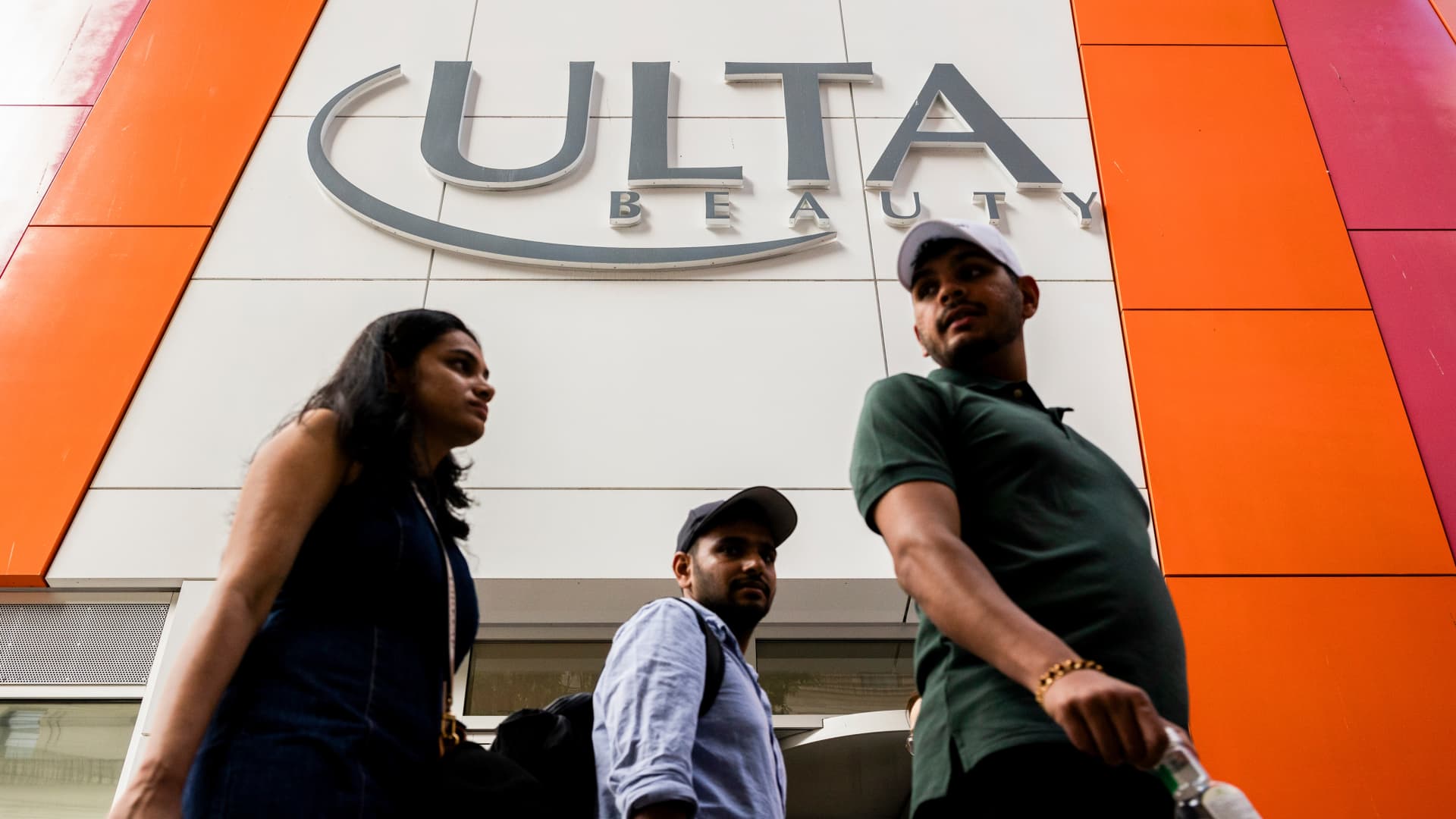
Analysis of Retail Sector Impact from Rising Oil Prices

- Impact of Rising Oil Prices: Brent crude futures have surged above $110 per barrel due to the ongoing Middle East conflict, with diesel prices exceeding $5 per gallon for the first time since 2022, potentially imposing secondary effects on the U.S. retail sector and increasing household budget pressures.
- Advantage of Higher-Income Customers: Deutsche Bank analysts noted that retailers like Ulta Beauty and Costco, which cater to higher-income demographics, have historically shown a positive correlation between sales and rising oil prices, indicating better sales performance in such environments.
- Pressure on Lower-Income Customers: Conversely, retailers like BJ's Wholesale Club and Burlington Stores, which primarily serve lower-income customers, exhibit negative sales correlations with rising gas prices, highlighting a trend where lower-income consumers reduce spending as fuel costs increase.
- Inventory Management Strategy: Despite the risks associated with rising input costs, many global brands, including Amer Sports and Birkenstock, maintain over 200 days of finished goods inventory, which helps mitigate near-term margin pressures and ensures market stability amid supply chain disruptions.
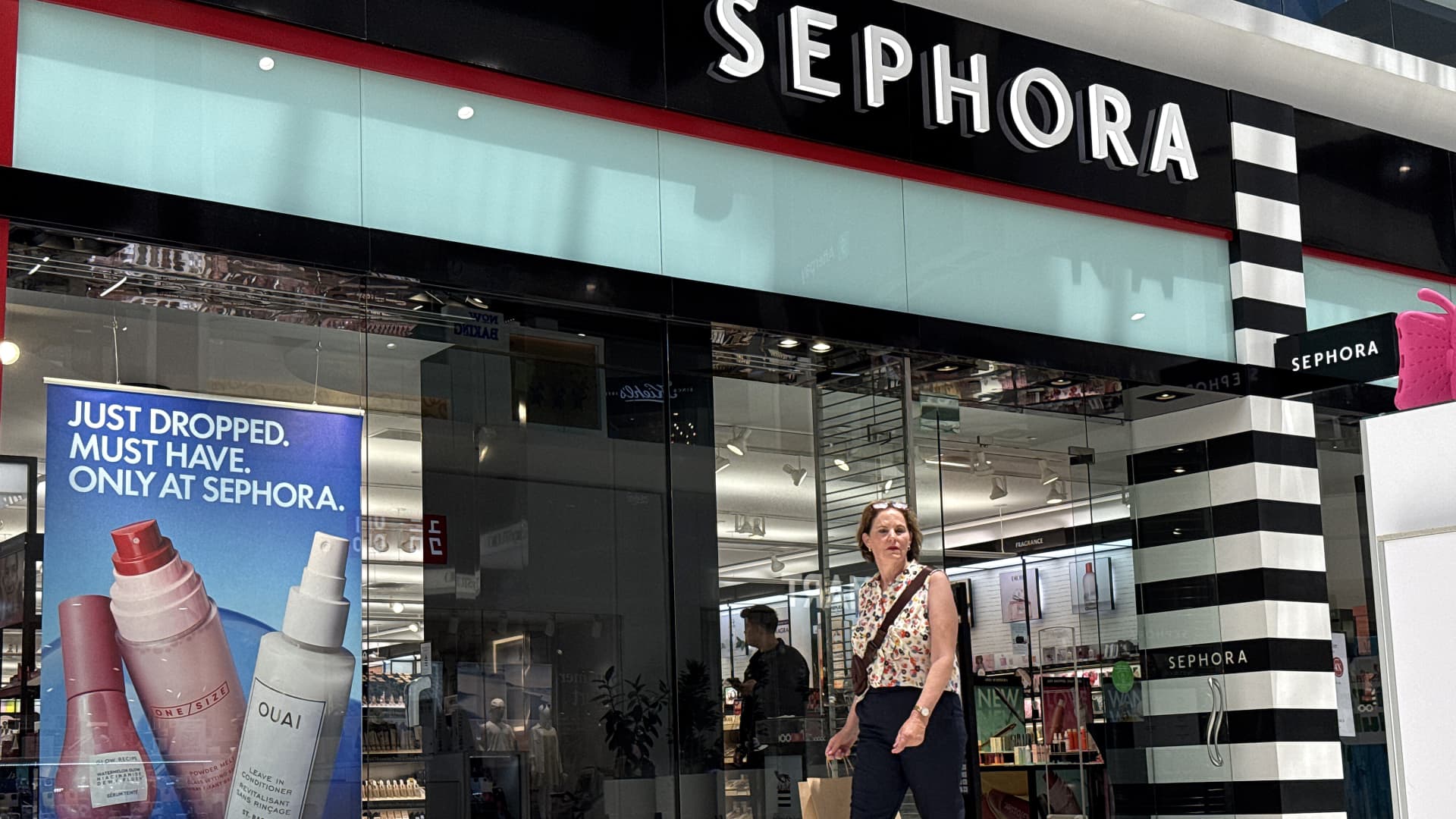
Italian Regulators Investigate Sephora and Benefit for Marketing to Minors


- Investigation Launched: The Italian Competition Authority (AGCM) has initiated an investigation into LVMH-owned Sephora and Benefit for alleged unfair commercial practices targeting children, which may lead to unhealthy dependencies on skincare products among minors.
- Unfair Marketing Strategies: AGCM highlighted that these brands employed young micro-influencers to promote products without proper labeling for items unsuitable for minors, potentially causing serious health risks, indicating a lack of corporate social responsibility.
- Social Media Impact: With nearly 23 million followers on Instagram and over 2 million on TikTok, Sephora is at the forefront of tween beauty trends; however, analysis reveals that most teen influencers' skincare videos were not labeled as advertisements, which could mislead children.
- Global Trend Influence: The investigation aligns with a global trend of increasing scrutiny over social media use among teenagers, as several countries consider restrictions on youth access to social media platforms, reflecting growing concerns over children's mental health.

Trump's Social Media Post Triggers Market Volatility


- Market Reaction: Trump's social media announcement regarding a five-day halt on energy strikes in Iran triggered significant market volatility, despite Iranian state media denying any negotiations, indicating a high level of skepticism among traders.
- Stock Market Instability: The 600-point rally in the Dow quickly faded in Asia, with early indicators suggesting European and U.S. stocks are set to open lower, primarily due to rising oil prices, as Brent crude surpassed $100 per barrel.
- Gold Market Decline: Gold prices continued to slide into bear market territory as a stronger U.S. dollar and elevated Treasury yields diminished the metal's appeal, prompting investors to unwind positions.
- Ongoing M&A Activity: The announcement of merger talks between U.S. beauty giant Estée Lauder and Spanish beauty group Puig led to an almost 8% drop in Estée Lauder's shares, while Puig's shares rose about 3%, reflecting the market's sensitivity to M&A news.
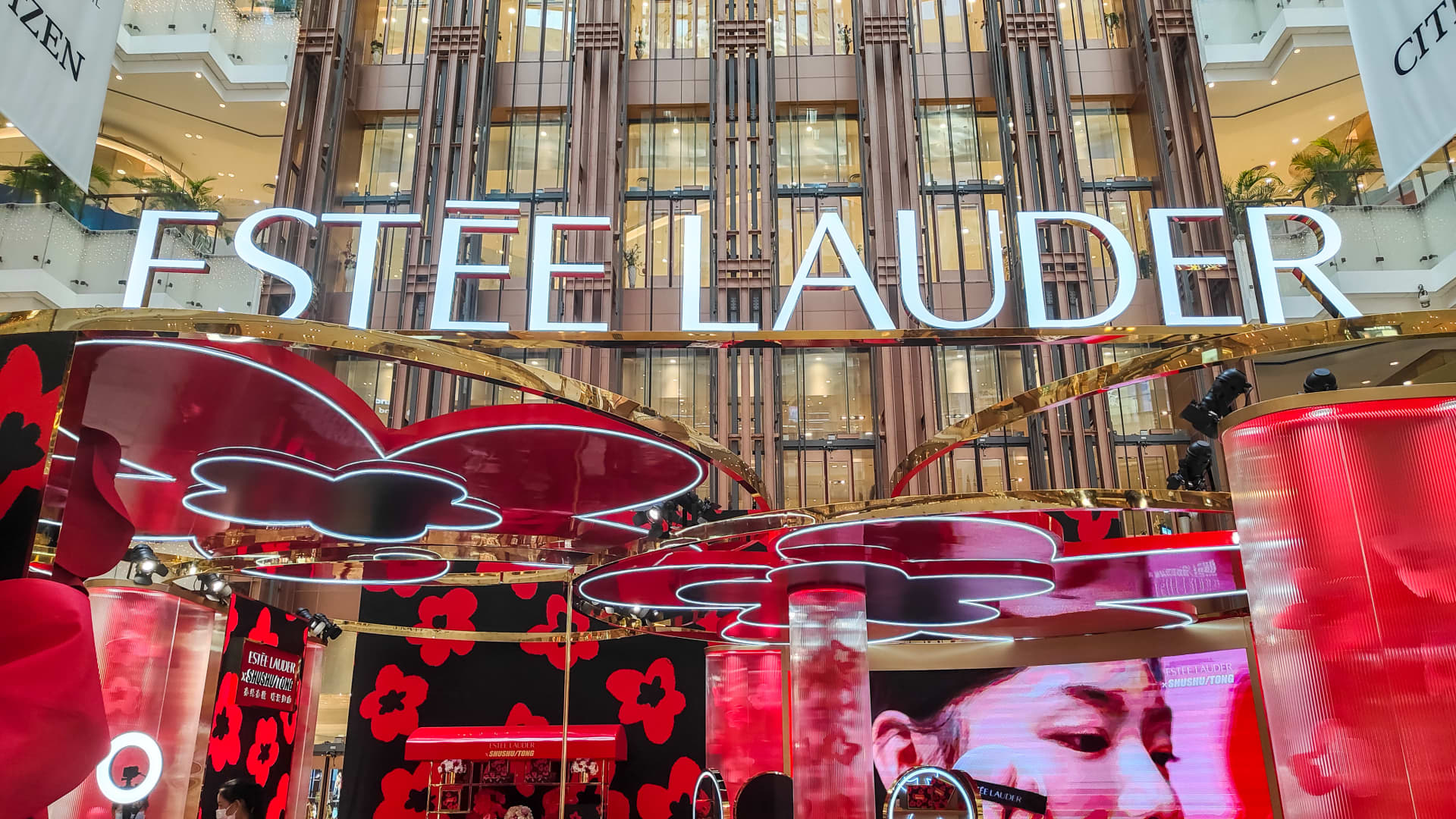
Estée Lauder in Talks to Merge with Puig

- Merger Talks Initiated: Estée Lauder announced it is in discussions to merge with Spanish beauty group Puig, although no final agreement has been reached, raising market interest in the potential deal.
- Market Reaction Evident: Following the announcement, Estée Lauder's shares fell nearly 8%, while Puig's stock rose approximately 3%, indicating differing market expectations for the two companies' futures.
- Profitability Forecast Impacted: In its second-quarter earnings report, Estée Lauder projected a $100 million hit to its full-year profitability due to tariff impacts, highlighting ongoing challenges under its 'Beauty Reimagined' turnaround plan.
- Annual Stock Price Volatility: Estée Lauder's stock has dropped about 25% this year, reflecting the company's vulnerability amid changing market conditions and pressures from internal restructuring efforts.

Trump Pauses Strikes on Iran, Oil Prices Plummet

- Oil Price Volatility: Trump's announcement to pause strikes on Iranian energy infrastructure has led to a 2% rise in U.S. stock futures and over a 9% drop in international oil prices, which could have significant implications for investor confidence in the energy sector.
- Microsoft Crisis Deepens: Analysts suggest that Microsoft's reorganization of Copilot and potential lawsuits against OpenAI and Amazon indicate major challenges for the company, as customer demand shifts towards AI tools, potentially impacting future revenue streams.
- Darden Restaurants Price Target Raised: Bank of America has increased its price target for Darden Restaurants from $262 to $272, reflecting strong market confidence in its brands like Olive Garden, which may attract more investor interest.
- Elliott Management Targets Synopsys: Activist investor Elliott holds a multibillion-dollar stake in Synopsys, aiming to enhance its financial performance, resulting in a more than 4% increase in share price, indicating market recognition of its potential value.
Market Strategist Focuses on Energy and Food Prices
- Oil Price Watch: Market strategist Michele Schneider emphasizes that WTI crude oil prices must break above $100 per barrel to drive higher prices, as current levels have repeatedly failed to surpass this critical threshold, indicating market caution.
- Natural Gas Investment Opportunity: She believes that the recent fluctuation of natural gas prices around $280 to $290, now rising above $3, presents a good buying opportunity for investors, although she does not elaborate on the reasons.
- Rising Food Prices: Schneider notes that the increase in food and fertilizer prices is closely tied to energy prices, particularly as the DBA index shows a significant breakout in soft and agricultural commodities, suggesting potential inflationary pressures in the market.
- Stock Investment Opportunities: She highlights Novo Nordisk's recent FDA approval for insulin and Ulta Beauty's stock price drop from $700 to near $500, suggesting that these stocks may still represent good investment choices even in a recessionary environment.
Analysis of Retail Sector Impact from Rising Oil Prices
- Impact of Rising Oil Prices: Brent crude futures have surged above $110 per barrel due to the ongoing Middle East conflict, with diesel prices exceeding $5 per gallon for the first time since 2022, potentially imposing secondary effects on the U.S. retail sector and increasing household budget pressures.
- Advantage of Higher-Income Customers: Deutsche Bank analysts noted that retailers like Ulta Beauty and Costco, which cater to higher-income demographics, have historically shown a positive correlation between sales and rising oil prices, indicating better sales performance in such environments.
- Pressure on Lower-Income Customers: Conversely, retailers like BJ's Wholesale Club and Burlington Stores, which primarily serve lower-income customers, exhibit negative sales correlations with rising gas prices, highlighting a trend where lower-income consumers reduce spending as fuel costs increase.
- Inventory Management Strategy: Despite the risks associated with rising input costs, many global brands, including Amer Sports and Birkenstock, maintain over 200 days of finished goods inventory, which helps mitigate near-term margin pressures and ensures market stability amid supply chain disruptions.
Italian Regulators Investigate Sephora and Benefit for Marketing to Minors
- Investigation Launched: The Italian Competition Authority (AGCM) has initiated an investigation into LVMH-owned Sephora and Benefit for alleged unfair commercial practices targeting children, which may lead to unhealthy dependencies on skincare products among minors.
- Unfair Marketing Strategies: AGCM highlighted that these brands employed young micro-influencers to promote products without proper labeling for items unsuitable for minors, potentially causing serious health risks, indicating a lack of corporate social responsibility.
- Social Media Impact: With nearly 23 million followers on Instagram and over 2 million on TikTok, Sephora is at the forefront of tween beauty trends; however, analysis reveals that most teen influencers' skincare videos were not labeled as advertisements, which could mislead children.
- Global Trend Influence: The investigation aligns with a global trend of increasing scrutiny over social media use among teenagers, as several countries consider restrictions on youth access to social media platforms, reflecting growing concerns over children's mental health.
Trump's Social Media Post Triggers Market Volatility
- Market Reaction: Trump's social media announcement regarding a five-day halt on energy strikes in Iran triggered significant market volatility, despite Iranian state media denying any negotiations, indicating a high level of skepticism among traders.
- Stock Market Instability: The 600-point rally in the Dow quickly faded in Asia, with early indicators suggesting European and U.S. stocks are set to open lower, primarily due to rising oil prices, as Brent crude surpassed $100 per barrel.
- Gold Market Decline: Gold prices continued to slide into bear market territory as a stronger U.S. dollar and elevated Treasury yields diminished the metal's appeal, prompting investors to unwind positions.
- Ongoing M&A Activity: The announcement of merger talks between U.S. beauty giant Estée Lauder and Spanish beauty group Puig led to an almost 8% drop in Estée Lauder's shares, while Puig's shares rose about 3%, reflecting the market's sensitivity to M&A news.
Estée Lauder in Talks to Merge with Puig
- Merger Talks Initiated: Estée Lauder announced it is in discussions to merge with Spanish beauty group Puig, although no final agreement has been reached, raising market interest in the potential deal.
- Market Reaction Evident: Following the announcement, Estée Lauder's shares fell nearly 8%, while Puig's stock rose approximately 3%, indicating differing market expectations for the two companies' futures.
- Profitability Forecast Impacted: In its second-quarter earnings report, Estée Lauder projected a $100 million hit to its full-year profitability due to tariff impacts, highlighting ongoing challenges under its 'Beauty Reimagined' turnaround plan.
- Annual Stock Price Volatility: Estée Lauder's stock has dropped about 25% this year, reflecting the company's vulnerability amid changing market conditions and pressures from internal restructuring efforts.
Trump Pauses Strikes on Iran, Oil Prices Plummet
- Oil Price Volatility: Trump's announcement to pause strikes on Iranian energy infrastructure has led to a 2% rise in U.S. stock futures and over a 9% drop in international oil prices, which could have significant implications for investor confidence in the energy sector.
- Microsoft Crisis Deepens: Analysts suggest that Microsoft's reorganization of Copilot and potential lawsuits against OpenAI and Amazon indicate major challenges for the company, as customer demand shifts towards AI tools, potentially impacting future revenue streams.
- Darden Restaurants Price Target Raised: Bank of America has increased its price target for Darden Restaurants from $262 to $272, reflecting strong market confidence in its brands like Olive Garden, which may attract more investor interest.
- Elliott Management Targets Synopsys: Activist investor Elliott holds a multibillion-dollar stake in Synopsys, aiming to enhance its financial performance, resulting in a more than 4% increase in share price, indicating market recognition of its potential value.