The Unexpected Advantage Credit Card Companies Find in Economic Recessions
Written by Emily J. Thompson, Senior Investment Analyst
Updated: Oct 11 2025
0mins


Source: NASDAQ.COM
Credit Card Functionality: Credit cards serve as a revolving credit facility for consumers, allowing them to make purchases with the promise of future repayment, while banks issue the cards and process transactions through companies like Visa and Mastercard, which do not bear credit risk.
Impact of Economic Downturns: While Visa and Mastercard are not immune to recessions, they may benefit from increased transaction volume as consumers rely on credit cards during tough financial times, making them more resilient compared to banks and other credit card issuers that carry credit risk.
Trade with 70% Backtested Accuracy
Stop guessing "Should I Buy COF?" and start using high-conviction signals backed by rigorous historical data.
Sign up today to access powerful investing tools and make smarter, data-driven decisions.
Analyst Views on COF
Wall Street analysts forecast COF stock price to rise
19 Analyst Rating
16 Buy
3 Hold
0 Sell
Strong Buy
Current: 199.430

Low
256.00
Averages
280.42
High
310.00
Current: 199.430
Low
256.00
Averages
280.42
High
310.00
About COF
Capital One Financial Corporation is a diversified financial services holding company with banking and non-banking subsidiaries. The Company offers a broad spectrum of financial products and services to consumers, small businesses and commercial clients through a variety of channels. It operates through three segments: Credit Card, Consumer Banking and Commercial Banking. The Credit Card segment consists of its domestic consumer and small business card lending, and international card businesses in the United Kingdom and Canada. The Consumer Banking segment consists of its deposit gathering and lending activities for consumers and small businesses, and national auto lending. The Commercial Banking segment consists of its lending, deposit gathering, capital markets and treasury management services to commercial real estate and commercial and industrial customers. Its principal operating subsidiary is Capital One, National Association, which offers banking products and financial services.
About the author

Emily J. Thompson
Emily J. Thompson, a Chartered Financial Analyst (CFA) with 12 years in investment research, graduated with honors from the Wharton School. Specializing in industrial and technology stocks, she provides in-depth analysis for Intellectia’s earnings and market brief reports.

Stock Futures Dip Modestly After Record Highs; Texas Instruments Shines


- Texas Instruments Earnings Surge: Texas Instruments has eliminated the overhang on its industrial business, with its data center segment growing 90% year-over-year, and a strong second-quarter guide has led to a premarket share price increase of over 10%, reflecting market confidence in its growth trajectory.
- Honeywell's Disappointing Quarter: Honeywell reported a messy quarter, causing its shares to drop over 5% in premarket trading; however, the upcoming aerospace spin-off scheduled for June 29 keeps long-term investors optimistic about its future potential.
- ServiceNow Shares Plummet: Following a noisy earnings report, ServiceNow's shares fell nearly 14% in premarket trading, as the market expressed concerns over slowed growth and high AI costs, prompting KeyBanc and Jefferies to lower their price targets significantly.
- IBM Revenue Growth Deceleration: IBM's first-quarter revenue growth slowed to 9% from 12% in the previous quarter, raising investor concerns about its future prospects, leading to a premarket decline of over 7% in its stock price, as doubts linger about the effectiveness of its AI tools in maintaining revenue streams.
See More

Capital One Reports Disappointing Earnings, Stock Drops


- Disappointing Earnings: Capital One reported adjusted earnings per share of $4.42, missing estimates by $0.08, while revenue of $15.23 billion fell short of the $15.36 billion forecast, indicating pressure on the company's profitability.
- Increased Credit Loss Reserves: The company set aside $4.07 billion for credit losses, a 72% year-over-year increase, although it decreased from the previous quarter, reflecting a cautious stance on future credit risks.
- Consumer Confidence Remains Strong: Despite the earnings miss, Capital One's management believes consumers are resilient, as evidenced by a decline in 30-day delinquencies compared to both the prior quarter and year, indicating relative stability in consumer credit health.
- Long-Term Growth Potential: The CEO noted that despite external uncertainties, the company remains optimistic about growth opportunities in its credit business, particularly following the successful integration of its $35 billion acquisition of Discover, which is expected to provide a solid stream of annual recurring revenue.
See More

Analysis of Significant Stock Movements Among Companies


- Calix Stock Decline: Calix's shares fell 16% after the company warned of margin pressures for the year, overshadowing better-than-expected first-quarter results, indicating investor concerns about future profitability.
- TE Connectivity Guidance Miss: TE Connectivity's stock dropped 12% as the company's second-quarter guidance of $2.65 EPS and $4.7 billion revenue aligned with FactSet consensus but failed to inspire investor confidence, leading to downward pressure on the stock.
- Healthcare Services Group Strong Performance: Healthcare Services Group's shares surged 18% after reporting a first-quarter profit of $0.37 per share and revenue of $462.8 million, both exceeding analyst expectations, showcasing the company's competitive edge and growth potential in the market.
- United Airlines Guidance Cut: United Airlines shares fell 6% after the company provided disappointing guidance for the current quarter and full year, expecting adjusted earnings of $7 to $11 per share for 2026, down from prior estimates of $12 to $14, reflecting rising fuel price pressures.
See More
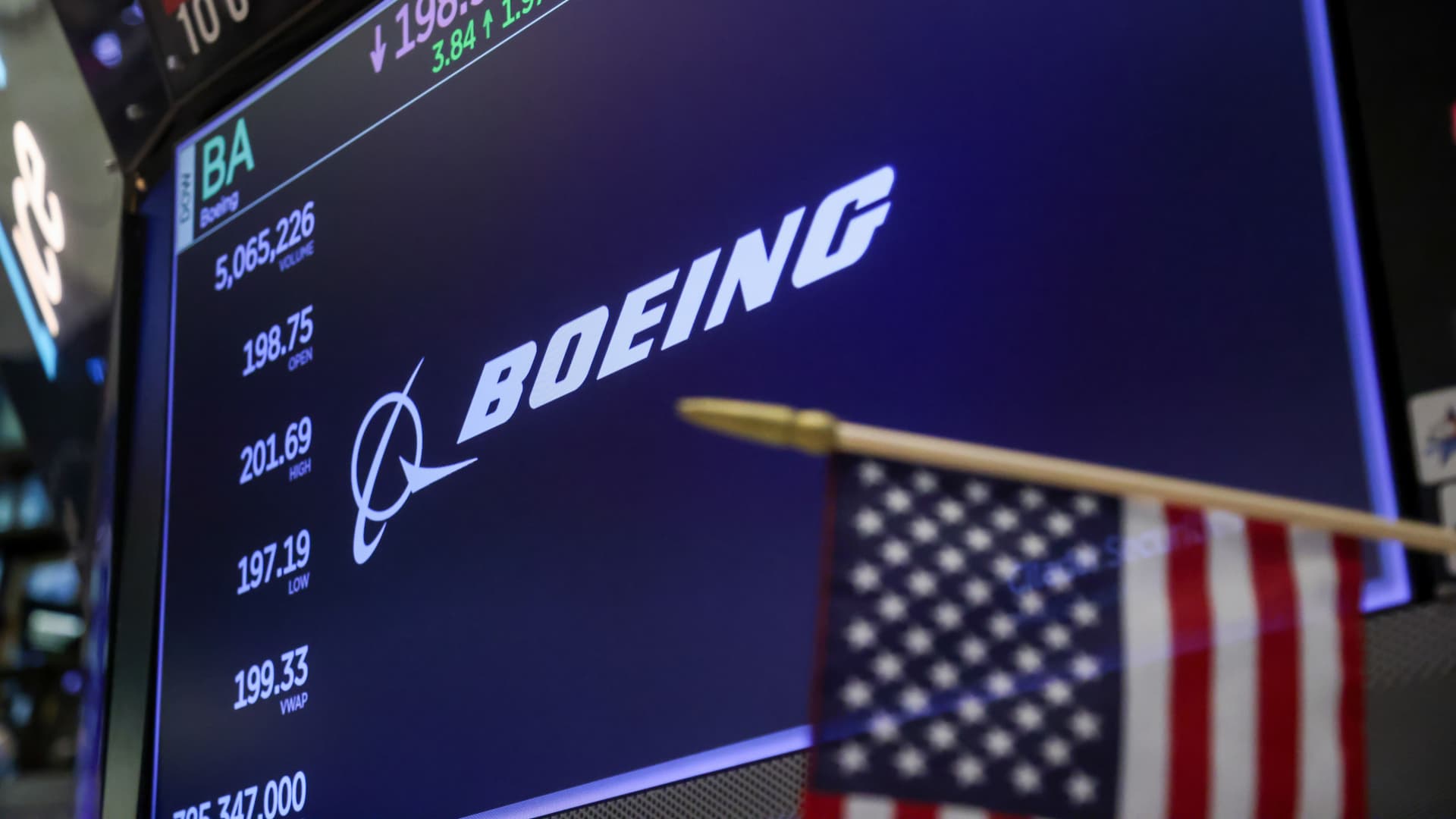
Boeing and GE Vernova Report Strong Earnings, Market Rebounds


- Boeing's Strong Earnings: Boeing's first-quarter results exceeded expectations with record revenue and profit, achieving the highest backlog levels across its commercial, defense, and services segments, and while free cash flow remains negative, it shows significant improvement from last year, indicating early success of CEO Kelly Ortberg's turnaround strategy.
- GE Vernova's Blowout Performance: GE Vernova reported a significantly better-than-expected first quarter, with shares jumping nearly 8%, as natural gas turbine orders are sold out through 2028, and the electrical grid equipment segment is booming due to surging demand from data centers, highlighting strong market demand driven by AI infrastructure development.
- Capital One's Earnings Miss: Capital One missed earnings and revenue expectations in a noisy quarter, and while Barclays raised its price target to $250, we lowered our target to $255 to reflect concerns over credit card business pressures amid worries about consumer spending.
- Adobe's Stock Buyback Plan: Adobe announced a long-term $25 billion stock buyback plan set to run through 2030, with shares rising nearly 3% on the news, demonstrating the company's confidence in future growth despite facing challenges from AI disruptions this year.
See More

Mixed Earnings Reports from Major Companies


- United Airlines Guidance Cut: Despite United Airlines beating first-quarter earnings and revenue expectations, the company lowered its 2026 adjusted earnings forecast to between $7 and $11 per share from $12 to $14 due to rising fuel prices, indicating pressure on future profitability.
- GE Vernova Revenue Beat: GE Vernova reported first-quarter revenue of $9.34 billion, exceeding analyst expectations of $9.25 billion, although the comparability of its earnings of $17.44 per share remains unclear, potentially bolstering market confidence in its future growth.
- Boeing Performance Improvement: Boeing reported a first-quarter loss of $0.20 per share and revenue of $22.22 billion, both surpassing market expectations of an $0.80 loss per share and $21.78 billion in revenue, demonstrating the company's resilience and potential for recovery amid challenges.
- Adobe Stock Buyback Plan: Adobe's board approved a $25 billion stock repurchase program to be executed through April 2030, aimed at boosting market confidence and shareholder value despite the stock being down over 29% year-to-date, reflecting a strategic move to enhance investor sentiment.
See More

CAPITAL ONE FINANCIAL: BARCLAYS INCREASES TARGET PRICE TO $250, UP FROM $226
- Barclays Raises Price Target: Barclays has increased its price target for a specific stock from $226 to $250.
- Market Implications: This adjustment reflects Barclays' positive outlook on the stock's performance and potential growth in the market.
See More
Stock Futures Dip Modestly After Record Highs; Texas Instruments Shines
- Texas Instruments Earnings Surge: Texas Instruments has eliminated the overhang on its industrial business, with its data center segment growing 90% year-over-year, and a strong second-quarter guide has led to a premarket share price increase of over 10%, reflecting market confidence in its growth trajectory.
- Honeywell's Disappointing Quarter: Honeywell reported a messy quarter, causing its shares to drop over 5% in premarket trading; however, the upcoming aerospace spin-off scheduled for June 29 keeps long-term investors optimistic about its future potential.
- ServiceNow Shares Plummet: Following a noisy earnings report, ServiceNow's shares fell nearly 14% in premarket trading, as the market expressed concerns over slowed growth and high AI costs, prompting KeyBanc and Jefferies to lower their price targets significantly.
- IBM Revenue Growth Deceleration: IBM's first-quarter revenue growth slowed to 9% from 12% in the previous quarter, raising investor concerns about its future prospects, leading to a premarket decline of over 7% in its stock price, as doubts linger about the effectiveness of its AI tools in maintaining revenue streams.
See More
Capital One Reports Disappointing Earnings, Stock Drops
- Disappointing Earnings: Capital One reported adjusted earnings per share of $4.42, missing estimates by $0.08, while revenue of $15.23 billion fell short of the $15.36 billion forecast, indicating pressure on the company's profitability.
- Increased Credit Loss Reserves: The company set aside $4.07 billion for credit losses, a 72% year-over-year increase, although it decreased from the previous quarter, reflecting a cautious stance on future credit risks.
- Consumer Confidence Remains Strong: Despite the earnings miss, Capital One's management believes consumers are resilient, as evidenced by a decline in 30-day delinquencies compared to both the prior quarter and year, indicating relative stability in consumer credit health.
- Long-Term Growth Potential: The CEO noted that despite external uncertainties, the company remains optimistic about growth opportunities in its credit business, particularly following the successful integration of its $35 billion acquisition of Discover, which is expected to provide a solid stream of annual recurring revenue.
See More
Analysis of Significant Stock Movements Among Companies
- Calix Stock Decline: Calix's shares fell 16% after the company warned of margin pressures for the year, overshadowing better-than-expected first-quarter results, indicating investor concerns about future profitability.
- TE Connectivity Guidance Miss: TE Connectivity's stock dropped 12% as the company's second-quarter guidance of $2.65 EPS and $4.7 billion revenue aligned with FactSet consensus but failed to inspire investor confidence, leading to downward pressure on the stock.
- Healthcare Services Group Strong Performance: Healthcare Services Group's shares surged 18% after reporting a first-quarter profit of $0.37 per share and revenue of $462.8 million, both exceeding analyst expectations, showcasing the company's competitive edge and growth potential in the market.
- United Airlines Guidance Cut: United Airlines shares fell 6% after the company provided disappointing guidance for the current quarter and full year, expecting adjusted earnings of $7 to $11 per share for 2026, down from prior estimates of $12 to $14, reflecting rising fuel price pressures.
See More
Boeing and GE Vernova Report Strong Earnings, Market Rebounds
- Boeing's Strong Earnings: Boeing's first-quarter results exceeded expectations with record revenue and profit, achieving the highest backlog levels across its commercial, defense, and services segments, and while free cash flow remains negative, it shows significant improvement from last year, indicating early success of CEO Kelly Ortberg's turnaround strategy.
- GE Vernova's Blowout Performance: GE Vernova reported a significantly better-than-expected first quarter, with shares jumping nearly 8%, as natural gas turbine orders are sold out through 2028, and the electrical grid equipment segment is booming due to surging demand from data centers, highlighting strong market demand driven by AI infrastructure development.
- Capital One's Earnings Miss: Capital One missed earnings and revenue expectations in a noisy quarter, and while Barclays raised its price target to $250, we lowered our target to $255 to reflect concerns over credit card business pressures amid worries about consumer spending.
- Adobe's Stock Buyback Plan: Adobe announced a long-term $25 billion stock buyback plan set to run through 2030, with shares rising nearly 3% on the news, demonstrating the company's confidence in future growth despite facing challenges from AI disruptions this year.
See More
Mixed Earnings Reports from Major Companies
- United Airlines Guidance Cut: Despite United Airlines beating first-quarter earnings and revenue expectations, the company lowered its 2026 adjusted earnings forecast to between $7 and $11 per share from $12 to $14 due to rising fuel prices, indicating pressure on future profitability.
- GE Vernova Revenue Beat: GE Vernova reported first-quarter revenue of $9.34 billion, exceeding analyst expectations of $9.25 billion, although the comparability of its earnings of $17.44 per share remains unclear, potentially bolstering market confidence in its future growth.
- Boeing Performance Improvement: Boeing reported a first-quarter loss of $0.20 per share and revenue of $22.22 billion, both surpassing market expectations of an $0.80 loss per share and $21.78 billion in revenue, demonstrating the company's resilience and potential for recovery amid challenges.
- Adobe Stock Buyback Plan: Adobe's board approved a $25 billion stock repurchase program to be executed through April 2030, aimed at boosting market confidence and shareholder value despite the stock being down over 29% year-to-date, reflecting a strategic move to enhance investor sentiment.
See More
CAPITAL ONE FINANCIAL: BARCLAYS INCREASES TARGET PRICE TO $250, UP FROM $226
- Barclays Raises Price Target: Barclays has increased its price target for a specific stock from $226 to $250.
- Market Implications: This adjustment reflects Barclays' positive outlook on the stock's performance and potential growth in the market.
See More