Tesla Loses Carbon Credit Revenue Stream as Major Clients Exit
Written by Emily J. Thompson, Senior Investment Analyst
Updated: Mar 04 2026
0mins


Should l Buy TSLA?
Source: Benzinga
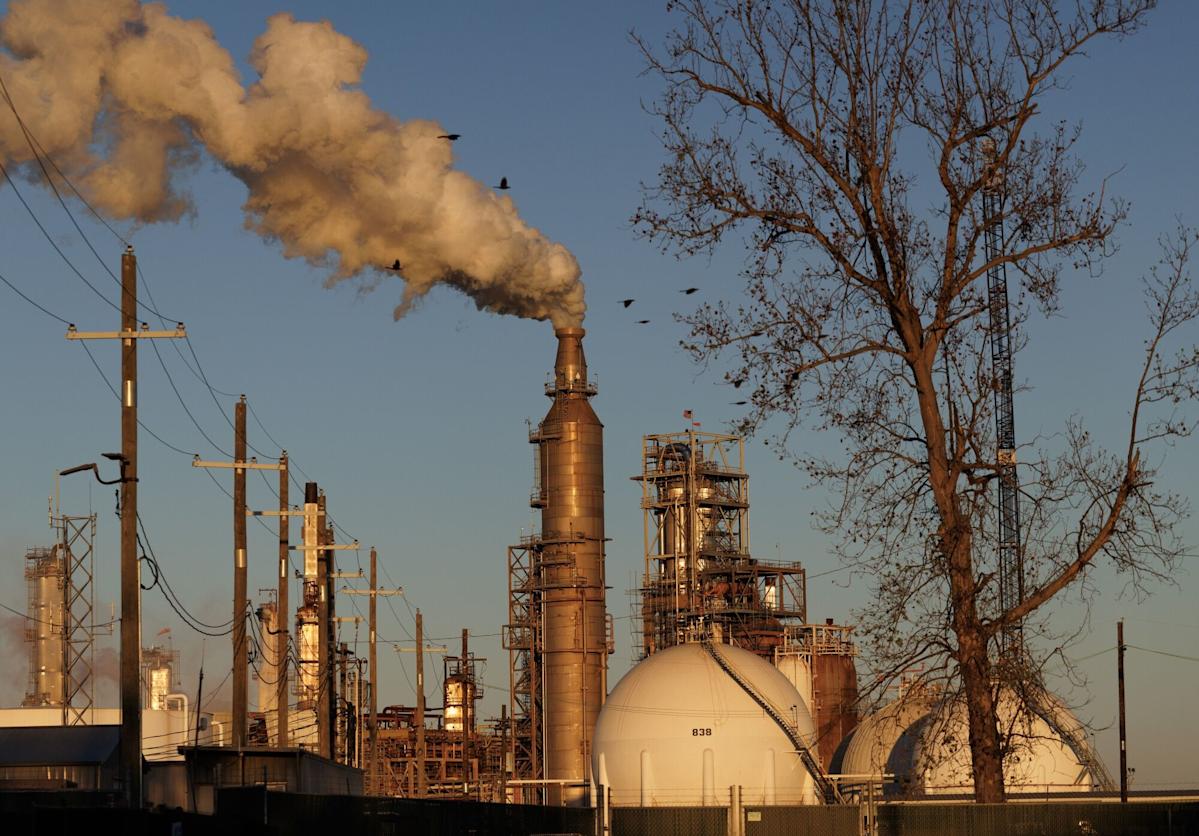
- Client Loss Impact: Toyota and Stellantis have exited Tesla's carbon credit pool, indicating they will not purchase credits for 2026, which leads to a significant loss of revenue for Tesla and could adversely affect its future financial performance.
- Self-Reduction Strategy: Toyota aims to reduce emissions through new electric models like the bZ4X and Urban Cruiser, demonstrating confidence in its ability to manage emissions independently, potentially weakening Tesla's competitive edge in the carbon credit market.
- Independent Pool Plans: Stellantis is collaborating with Leapmotor to establish its own carbon credit pool, a move that could further dilute Tesla's market share and impact its standing in carbon credit trading.
- Stock Price Reaction: Tesla's stock fell 2.98% to $392.43 at market close on Tuesday, with an additional decline of 0.29% in after-hours trading, reflecting market concerns over the loss of carbon credit customers.
Trade with 70% Backtested Accuracy
Stop guessing "Should I Buy TSLA?" and start using high-conviction signals backed by rigorous historical data.
Sign up today to access powerful investing tools and make smarter, data-driven decisions.
Analyst Views on TSLA
Wall Street analysts forecast TSLA stock price to rise
30 Analyst Rating
12 Buy
11 Hold
7 Sell
Hold
Current: 400.620

Low
25.28
Averages
401.93
High
600.00
Current: 400.620
Low
25.28
Averages
401.93
High
600.00
About TSLA
Tesla, Inc. designs, develops, manufactures, sells and leases high-performance fully electric vehicles and energy generation and storage systems, and offers services related to its products. Its segments include automotive, and energy generation and storage. The automotive segment includes the design, development, manufacturing, sales and leasing of high-performance fully electric vehicles, and sales of automotive regulatory credits. It also includes sales of used vehicles, non-warranty maintenance services and collisions, part sales, paid supercharging, insurance services revenue and retail merchandise sales. The energy generation and storage segment include the design, manufacture, installation, sales and leasing of solar energy generation and energy storage products and related services and sales of solar energy systems incentives. Its consumer vehicles include the Model 3, Y, S, X and Cybertruck. Its lithium-ion battery energy storage products include Powerwall and Megapack.
About the author

Emily J. Thompson
Emily J. Thompson, a Chartered Financial Analyst (CFA) with 12 years in investment research, graduated with honors from the Wharton School. Specializing in industrial and technology stocks, she provides in-depth analysis for Intellectia’s earnings and market brief reports.
Tesla's Energy Business Expected to Outshine Automotive Revenue

- Energy Business Growth: Tesla's energy division is expected to grow by 25% this quarter, surpassing the automotive revenue growth of 12%, indicating resilience as the company navigates challenges in its core business.
- Cash Flow Situation: The company is projected to report a negative cash flow of $1.44 billion this quarter, highlighting ongoing financial pressures as it transitions towards robotics and self-driving technologies.
- Storage Deployment Trends: In Q1 2026, Tesla's energy storage deployments reached 8.8 gigawatt-hours, down 15% year-over-year; however, revenue is anticipated to rise as the company focuses on selling more profitable products.
- Market Competition Pressure: Analysts note that while growth in the energy sector is likely to remain strong, profit margins may come under pressure due to pricing competition and delays in passing on higher tariff costs, raising concerns among investors.
See More
Tesla's Q1 2026 Earnings Outlook Raises Concerns
- Delivery Decline: Tesla delivered 358,023 vehicles in Q1 2026, a 14% sequential drop that missed Wall Street's expectation of 370,000, indicating potential demand issues that could hinder future sales growth.
- Inventory Buildup: While deliveries saw a modest 6% year-over-year increase, production surged nearly 13% to 408,386 units, resulting in an inventory increase of about 50,000 cars, suggesting a disconnect between supply and demand that may impact profitability.
- Surging Capital Expenditures: Tesla's capital expenditures for 2026 are projected to exceed $20 billion, a significant rise from $8.5 billion in 2025, highlighting the financial strain associated with its ambitious transformation plans.
- Valuation Risks: With a staggering price-to-earnings ratio near 370, Tesla's stock price reflects market expectations for flawless execution of its autonomous and robotics strategies, exposing investors to substantial risks if regulatory timelines slip or operational challenges arise, making the stock unattractive in the short term.
See More
Analysis of Tesla's Stock Market Performance

- Lagging Market Performance: Tesla's stock has underperformed over the past five years, currently priced at $392.57, down 2.01% since the start of the year, with a market cap of $1.5 trillion, indicating investor concerns about future growth prospects.
- Autonomous Driving Strategy: Tesla's reliance on high-resolution cameras and neural networks instead of lidar and sensors reduces costs but faces execution challenges, particularly with safety issues reported in its Austin pilot project, which has seen 15 accident reports.
- Robotics Business Potential: Musk claims that the Optimus robot could become Tesla's largest business, with a revenue opportunity estimated at $10 trillion; however, the project is still in its early stages and lacks substantial progress, potentially undermining investor confidence.
- Increased Competitive Pressure: Tesla faces fierce competition from rivals like Waymo, which is already operating in multiple cities; if Tesla cannot perfect its system in the coming years, it risks falling behind in the robotaxi market.
See More
Tesla Earnings Call Expectations and Risk Analysis
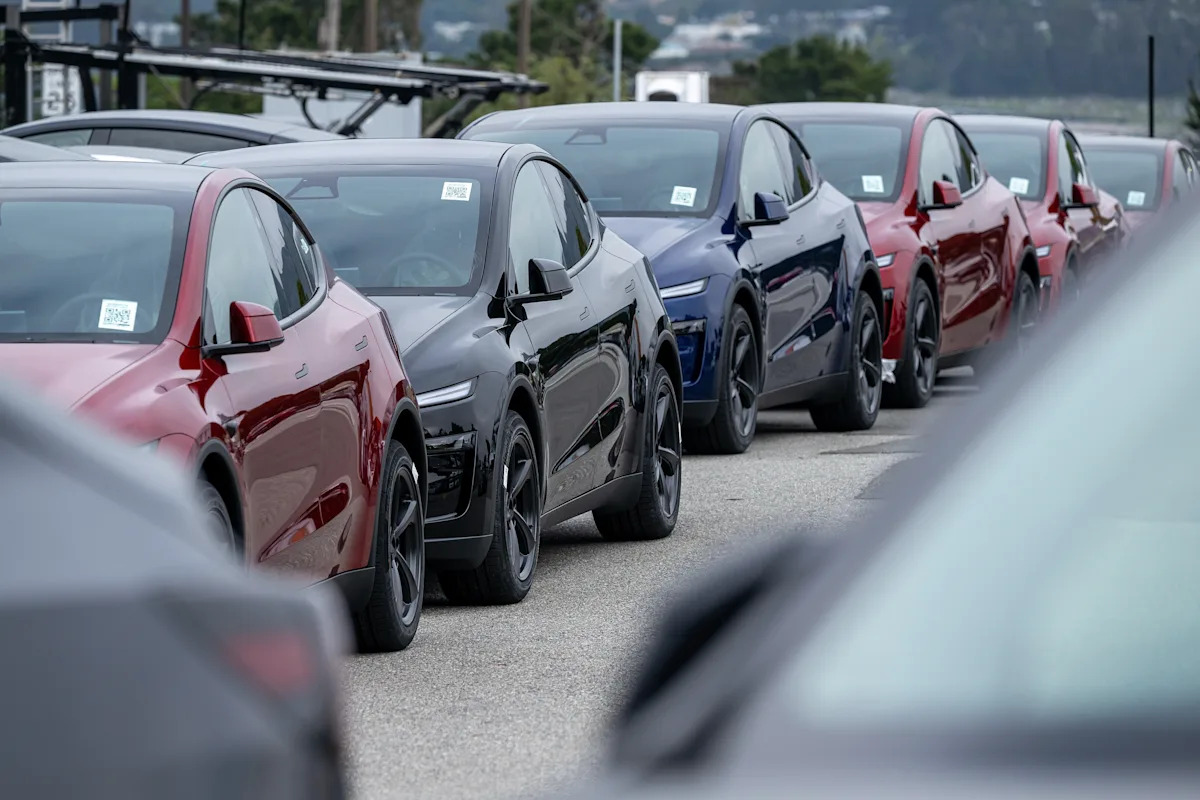
- Earnings Expectations: Tesla is expected to report a 14% year-over-year decline in auto sales, slightly below market expectations, indicating challenges in the current market environment that may affect investor confidence.
- Margin Focus: Analysts highlight that, despite a strong fourth quarter, a drop in margins is anticipated, making it crucial for investors to monitor how this change impacts the company's overall profitability.
- Full Self-Driving Progress: Analysts are looking for concrete updates on full self-driving and robotaxi developments during the upcoming earnings call, as these insights will be key to assessing the company's future growth potential.
- Legal Risk Assessment: Tesla faces class action lawsuits that could impact its reputation; however, analysts believe these will not lead to financial distress, yet they warrant attention regarding their potential implications for the company's long-term strategy.
See More

American Airlines Rejects United Airlines Merger Proposal as Anti-Competitive


- Merger Proposal Rejected: American Airlines shares fell in pre-market trading on Monday after firmly rejecting United Airlines' merger proposal, citing significant antitrust hurdles that would give the combined entity a 40% domestic market share, negatively impacting competition.
- Regulatory Scrutiny Pressure: Legal experts suggest that a merger would face unprecedented scrutiny, as the 'Big Four' airlines already control 80% of U.S. capacity, potentially dominating key hubs like Chicago and Dallas by up to 70%.
- Strategic Shift Possible: Despite the rejection, United Airlines may pivot towards smaller acquisitions or asset divestitures to satisfy an administration favoring landmark deals while avoiding concerns over consumer pricing monopolies, thereby maintaining competitive positioning.
- Market Reaction: Following the merger proposal rejection, American Airlines' stock dropped 3.13% and United Airlines' stock fell 3.04%, reflecting market pessimism regarding the merger prospects and potentially influencing future strategic decisions for both companies.
See More
IMF Warns: AI Transformation and Market Risks

- Urgency of AI Transformation: IMF Managing Director Kristalina Georgieva emphasized at a Washington panel that businesses and economies must rapidly adapt to artificial intelligence, indicating that AI application will be crucial for future competitiveness.
- Market Rebound and Concentration Risk: Despite significant volatility in U.S. tech stocks during Q1, the Nasdaq has surged nearly 20% in the past three weeks; however, with less than 10% of S&P 500 stocks hitting 52-week highs, this highlights a concerning concentration risk in the market.
- Capex and Energy Demand: Morgan Stanley projects that hyperscalers like Microsoft, Amazon, Google, and Meta will commit $635 billion in capex this year, while energy demand from data centers is expected to reach 80 GW, potentially leading to a 55 GW shortfall, which could pressure market expectations.
- Geopolitics and AI Competition: Although rising energy prices may strain tech earnings outlooks, escalating geopolitical tensions could intensify the AI arms race, prompting investors to maintain focus on AI-related stocks, creating short-term investment opportunities.
See More
Tesla's Energy Business Expected to Outshine Automotive Revenue
- Energy Business Growth: Tesla's energy division is expected to grow by 25% this quarter, surpassing the automotive revenue growth of 12%, indicating resilience as the company navigates challenges in its core business.
- Cash Flow Situation: The company is projected to report a negative cash flow of $1.44 billion this quarter, highlighting ongoing financial pressures as it transitions towards robotics and self-driving technologies.
- Storage Deployment Trends: In Q1 2026, Tesla's energy storage deployments reached 8.8 gigawatt-hours, down 15% year-over-year; however, revenue is anticipated to rise as the company focuses on selling more profitable products.
- Market Competition Pressure: Analysts note that while growth in the energy sector is likely to remain strong, profit margins may come under pressure due to pricing competition and delays in passing on higher tariff costs, raising concerns among investors.
See More
Tesla's Q1 2026 Earnings Outlook Raises Concerns
- Delivery Decline: Tesla delivered 358,023 vehicles in Q1 2026, a 14% sequential drop that missed Wall Street's expectation of 370,000, indicating potential demand issues that could hinder future sales growth.
- Inventory Buildup: While deliveries saw a modest 6% year-over-year increase, production surged nearly 13% to 408,386 units, resulting in an inventory increase of about 50,000 cars, suggesting a disconnect between supply and demand that may impact profitability.
- Surging Capital Expenditures: Tesla's capital expenditures for 2026 are projected to exceed $20 billion, a significant rise from $8.5 billion in 2025, highlighting the financial strain associated with its ambitious transformation plans.
- Valuation Risks: With a staggering price-to-earnings ratio near 370, Tesla's stock price reflects market expectations for flawless execution of its autonomous and robotics strategies, exposing investors to substantial risks if regulatory timelines slip or operational challenges arise, making the stock unattractive in the short term.
See More
Analysis of Tesla's Stock Market Performance
- Lagging Market Performance: Tesla's stock has underperformed over the past five years, currently priced at $392.57, down 2.01% since the start of the year, with a market cap of $1.5 trillion, indicating investor concerns about future growth prospects.
- Autonomous Driving Strategy: Tesla's reliance on high-resolution cameras and neural networks instead of lidar and sensors reduces costs but faces execution challenges, particularly with safety issues reported in its Austin pilot project, which has seen 15 accident reports.
- Robotics Business Potential: Musk claims that the Optimus robot could become Tesla's largest business, with a revenue opportunity estimated at $10 trillion; however, the project is still in its early stages and lacks substantial progress, potentially undermining investor confidence.
- Increased Competitive Pressure: Tesla faces fierce competition from rivals like Waymo, which is already operating in multiple cities; if Tesla cannot perfect its system in the coming years, it risks falling behind in the robotaxi market.
See More
Tesla Earnings Call Expectations and Risk Analysis
- Earnings Expectations: Tesla is expected to report a 14% year-over-year decline in auto sales, slightly below market expectations, indicating challenges in the current market environment that may affect investor confidence.
- Margin Focus: Analysts highlight that, despite a strong fourth quarter, a drop in margins is anticipated, making it crucial for investors to monitor how this change impacts the company's overall profitability.
- Full Self-Driving Progress: Analysts are looking for concrete updates on full self-driving and robotaxi developments during the upcoming earnings call, as these insights will be key to assessing the company's future growth potential.
- Legal Risk Assessment: Tesla faces class action lawsuits that could impact its reputation; however, analysts believe these will not lead to financial distress, yet they warrant attention regarding their potential implications for the company's long-term strategy.
See More
American Airlines Rejects United Airlines Merger Proposal as Anti-Competitive
- Merger Proposal Rejected: American Airlines shares fell in pre-market trading on Monday after firmly rejecting United Airlines' merger proposal, citing significant antitrust hurdles that would give the combined entity a 40% domestic market share, negatively impacting competition.
- Regulatory Scrutiny Pressure: Legal experts suggest that a merger would face unprecedented scrutiny, as the 'Big Four' airlines already control 80% of U.S. capacity, potentially dominating key hubs like Chicago and Dallas by up to 70%.
- Strategic Shift Possible: Despite the rejection, United Airlines may pivot towards smaller acquisitions or asset divestitures to satisfy an administration favoring landmark deals while avoiding concerns over consumer pricing monopolies, thereby maintaining competitive positioning.
- Market Reaction: Following the merger proposal rejection, American Airlines' stock dropped 3.13% and United Airlines' stock fell 3.04%, reflecting market pessimism regarding the merger prospects and potentially influencing future strategic decisions for both companies.
See More
IMF Warns: AI Transformation and Market Risks
- Urgency of AI Transformation: IMF Managing Director Kristalina Georgieva emphasized at a Washington panel that businesses and economies must rapidly adapt to artificial intelligence, indicating that AI application will be crucial for future competitiveness.
- Market Rebound and Concentration Risk: Despite significant volatility in U.S. tech stocks during Q1, the Nasdaq has surged nearly 20% in the past three weeks; however, with less than 10% of S&P 500 stocks hitting 52-week highs, this highlights a concerning concentration risk in the market.
- Capex and Energy Demand: Morgan Stanley projects that hyperscalers like Microsoft, Amazon, Google, and Meta will commit $635 billion in capex this year, while energy demand from data centers is expected to reach 80 GW, potentially leading to a 55 GW shortfall, which could pressure market expectations.
- Geopolitics and AI Competition: Although rising energy prices may strain tech earnings outlooks, escalating geopolitical tensions could intensify the AI arms race, prompting investors to maintain focus on AI-related stocks, creating short-term investment opportunities.
See More