Teradyne Shares Surge 15% Following Strong Q1 Earnings Report
Written by Emily J. Thompson, Senior Investment Analyst
Updated: Apr 30 2026
0mins
Source: Fool
- Significant Revenue Growth: Teradyne reported an impressive 87% year-over-year revenue increase in Q1, reaching $1.28 billion; despite disappointing guidance for Q2 leading to a temporary stock dip, the subsequent recovery indicates market confidence in its long-term growth potential.
- AI Business Dominance: CEO Gregory Smith highlighted that AI now accounts for nearly 70% of revenue, up from 60% in Q4 2025, showcasing the robust demand in the AI sector and Teradyne's competitive edge in automated test equipment for complex chips.
- Market Reaction Analysis: The Q2 revenue guidance of $1.15 billion to $1.25 billion implies a sequential decline from Q1, despite a year-over-year growth of 76% to 92%, prompting the market to price in a potential inflection point in revenue trajectory, reflecting investor uncertainty about future demand.
- Analyst Support: Analysts from Goldman Sachs and JPMorgan raised Teradyne's price targets to $350 and $400 respectively, maintaining a bullish outlook despite short-term challenges, which may bolster investor confidence moving forward.
Trade with 70% Backtested Accuracy
Stop guessing "Should I Buy GS?" and start using high-conviction signals backed by rigorous historical data.
Sign up today to access powerful investing tools and make smarter, data-driven decisions.
Analyst Views on GS
Wall Street analysts forecast GS stock price to fall
12 Analyst Rating
5 Buy
7 Hold
0 Sell
Moderate Buy
Current: 1008.370

Low
604.00
Averages
951.45
High
1100
Current: 1008.370
Low
604.00
Averages
951.45
High
1100
About GS
The Goldman Sachs Group, Inc. is a global financial institution that delivers a range of financial services to a large and diversified client base that includes corporations, financial institutions, governments and individuals. Its segments include Global Banking & Markets, Asset & Wealth Management and Platform Solutions. The Global Banking & Markets segment offers a range of services, including financing, advisory services, risk distribution, and hedging for its institutional and corporate clients. It facilitates client transactions and makes markets in fixed income, equity, currency and commodity products. The Asset & Wealth Management segment manages assets and offers investment products across all asset classes to a diverse set of clients. It also provides investing and wealth advisory solutions. The Platform Solutions segment includes consumer platforms, such as partnerships offering credit cards and point-of-sale financing, and transaction banking and other platform businesses.
About the author

Emily J. Thompson
Emily J. Thompson, a Chartered Financial Analyst (CFA) with 12 years in investment research, graduated with honors from the Wharton School. Specializing in industrial and technology stocks, she provides in-depth analysis for Intellectia’s earnings and market brief reports.

Opportunity to Lock in High CD Rates

- Rate Change Context: Following three rate cuts by the Federal Reserve in 2025, the Fed has kept rates steady in 2026, making this a critical time for investors to lock in competitive CD rates, which could significantly influence their earnings decisions.
- Highest CD Rate: Currently, the highest CD rate available is 4% APY offered by Marcus by Goldman Sachs on its 14-month CD, attracting investors seeking higher returns in a competitive market.
- Earnings Calculation Example: Investing $1,000 in a one-year CD at 1.52% APY results in a year-end balance of $1,015.20, while a 4% APY would grow to $1,040.74, illustrating the substantial impact of higher rates on earnings.
- Diversity of CD Types: Beyond traditional CDs, investors can explore options like bump-up CDs, no-penalty CDs, and jumbo CDs, which cater to varying liquidity needs and yield preferences, thereby enhancing investment flexibility.
See More
OpenAI Set to File Confidential IPO Soon

- IPO Filing Expected: OpenAI is reportedly set to file a confidential IPO within weeks, with the listing anticipated to be one of the most closely watched tech offerings, potentially targeting September, indicating the company's strategic growth in the AI sector.
- Intensifying Competition: This IPO would position OpenAI ahead of rival Anthropic PBC, which is also planning a public offering later this year or early next, highlighting the intensifying competition in the AI market.
- Valuation Comparison: OpenAI's current valuation stands at $852 billion, while Anthropic recently raised $65 billion, achieving a valuation of $965 billion, surpassing OpenAI, reflecting rapid changes and investor interest in the AI industry.
- Underwriter Negotiations: OpenAI is in talks with banks including Citigroup and JPMorgan, which may join Goldman Sachs and Morgan Stanley in supporting the upcoming IPO, further solidifying its market position and potential for a successful public offering.
See More

Rising Energy Costs Impact Consumer Spending


- Increased Household Spending: Since the onset of the Iran War, the average American household has spent an additional $447.19 on energy costs, cumulatively costing nearly $60 billion, indicating heightened financial pressure on consumers that may lead to more cautious spending and impact economic growth.
- Surging Fuel Prices: Gasoline prices have surged over 47% since March, now averaging $4.39 per gallon, while diesel has risen to $5.52 per gallon, resulting in over $20 billion in additional consumer expenses, further straining household budgets.
- Declining Consumer Confidence: Although consumer spending rose by 0.5% from March to April, stagnant income growth and a personal savings rate that fell to 2.6% suggest that consumers are increasingly relying on credit and savings to maintain spending levels amid inflationary pressures.
- Pessimistic Future Outlook: Goldman Sachs anticipates that rising energy prices will continue to erode consumer purchasing power, particularly affecting lower-income households, which may lead to a further contraction in spending patterns and increase the risk of economic slowdown.
See More
ECB Faces Dilemma Over Interest Rate Hikes Amid Economic Fragility
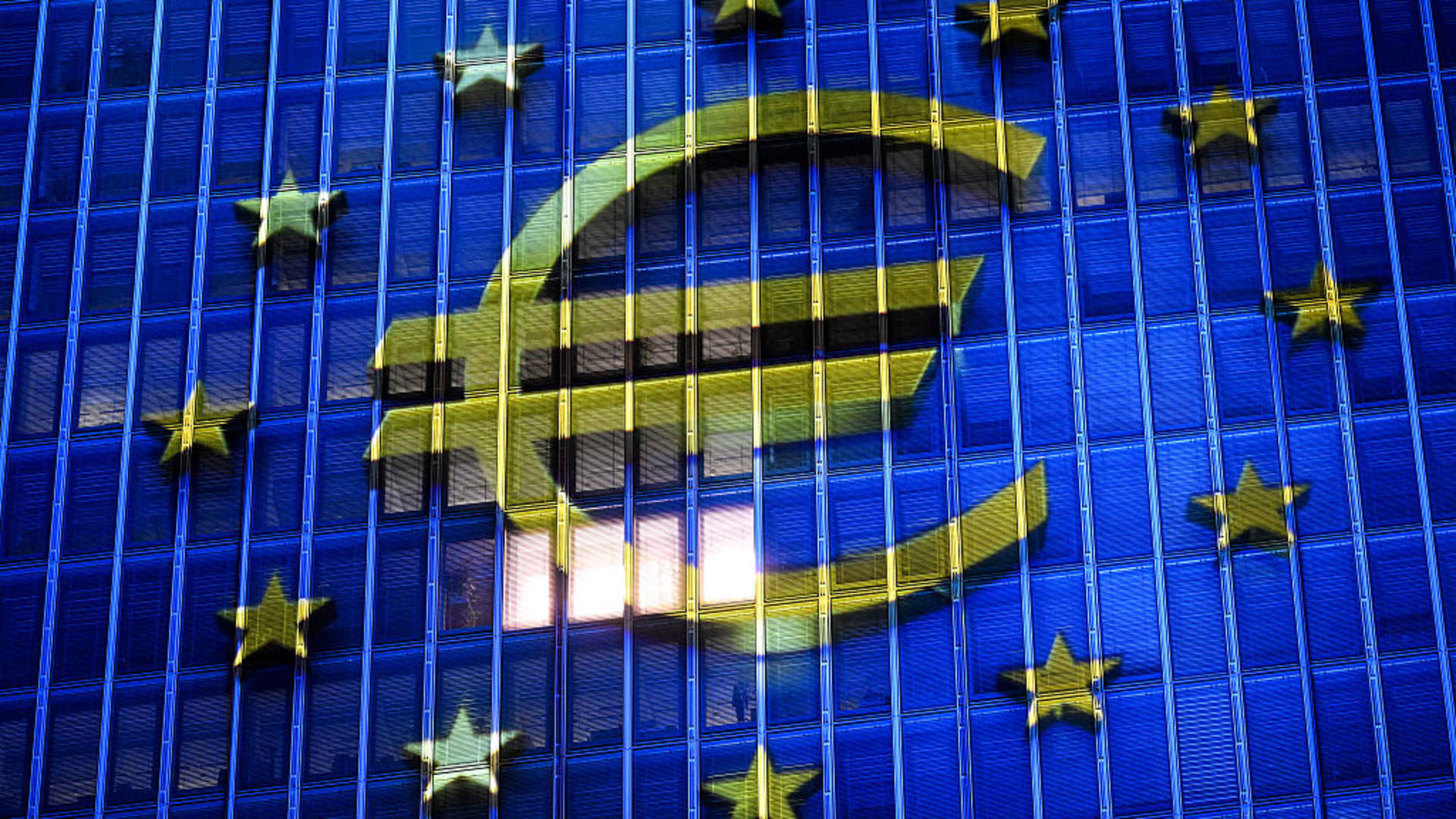
- Rate Hike Expectations: Markets are pricing in a 91% probability of a 25 basis point rate hike at the ECB's June 11 meeting, raising the key rate to 2.25%, which could tighten credit conditions and impact corporate financing, potentially stifling economic growth.
- Rising Inflation Pressures: Eurozone inflation surged to 3% in April due to rising energy costs from the Iran conflict, increasing pressure on the ECB to adopt tightening measures, despite the economy showing only 0.1% growth.
- Policy Formulation Challenges: The ECB's Vice-President noted the need to balance inflation control with economic growth protection, raising questions about the necessity of rate hikes in the current fragile economic environment.
- Credibility Risks: Economists warn that failure to address inflation promptly could undermine the ECB's credibility, eroding market confidence in its ability to maintain price stability, which would be difficult to restore once lost.
See More

US-Iran Conflict Escalates, Oil Prices Surge Amid Economic Uncertainty


- Escalation of US-Iran Conflict: Following weeks of paused action, the US and Iran have resumed airstrikes, complicating hopes for a permanent resolution to the conflict, which is impacting global oil supplies and market sentiment.
- Strong Stock Market Performance: Despite rising geopolitical tensions, both the S&P 500 and Nasdaq Composite closed at record highs, primarily driven by a surge in AI-related stocks, indicating strong market confidence in the technology sector.
- Oil Price Warning: ExxonMobil has warned that oil inventories are on track to reach dangerously low levels in the coming weeks, forcing prices to spike and curbing demand, reflecting market concerns over energy supply.
- Wealthy Investors Pulling Out: According to the UBS Global Family Office Report, 60% of family offices plan to adjust their investment allocations in the next year, with many reducing US holdings and increasing exposure to emerging markets, highlighting a growing trend of 'de-dollarization'.
See More
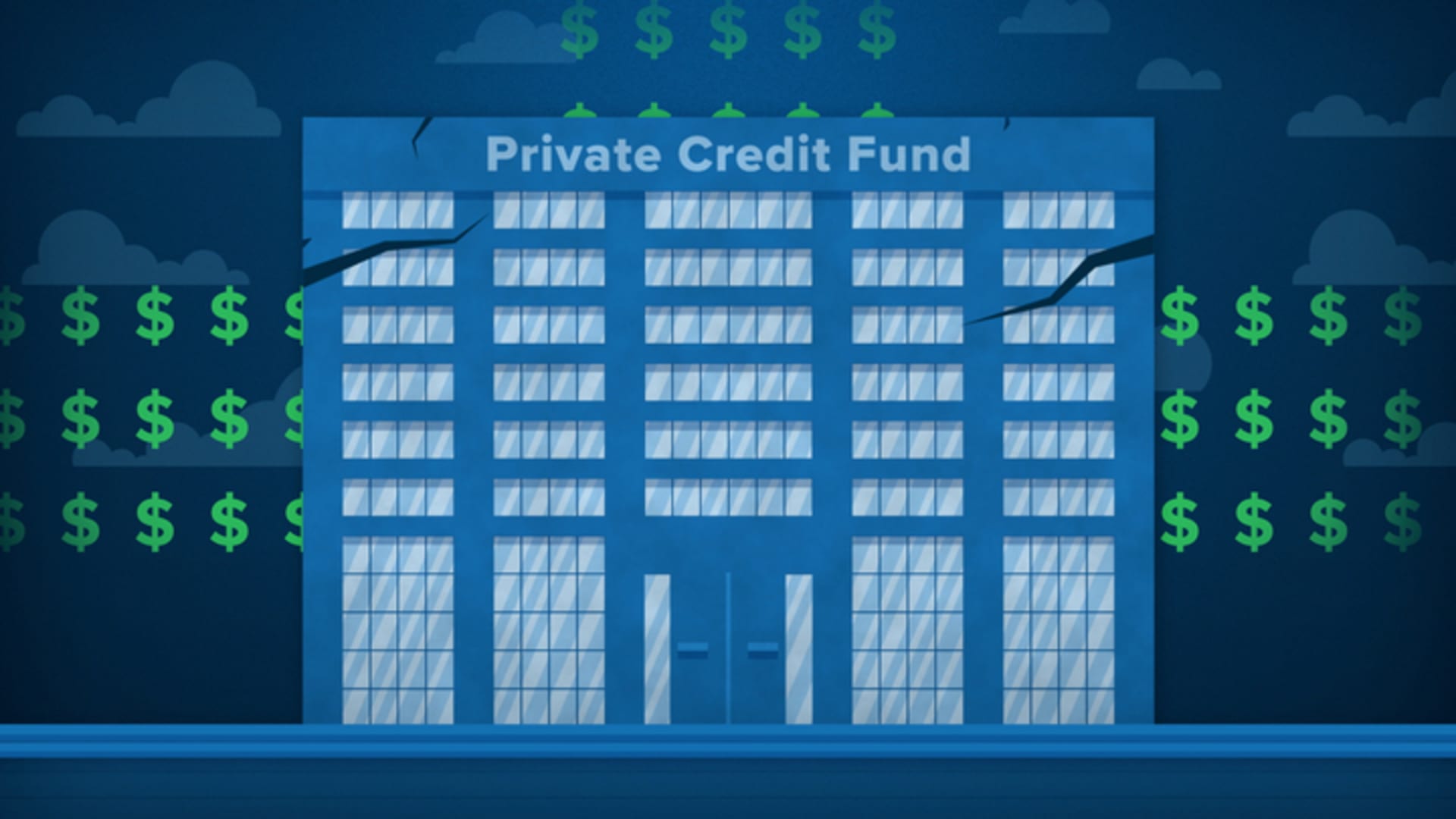
Private Credit Defaults Expected to Rise to Record Levels


- Rising Default Rates: According to S&P, private credit defaults are expected to increase from 4.4% to 9-10%, primarily driven by the implications of the AI cycle, which may exacerbate risks associated with corporate loans and undermine investor confidence.
- Software Sector Pressure: The software industry accounts for 19% of private credit collateralized loan obligations, and as growth slows and margins compress, the repayment capacity of these loans is expected to be negatively impacted, adding to market uncertainty.
- Liquidity Crisis: With constrained liquidity, investors are beginning to attempt to withdraw funds, particularly with significant withdrawal requests anticipated in June, which could exert further pressure on the market and lead to more default events.
- Pension Fund Risks: While some large state pension funds continue to maintain investments in private credit, their significant risk exposure could have spillover effects on the broader financial markets, especially given that banks have loaned approximately $300 billion to private credit, potentially putting retail investors at risk.
See More
Opportunity to Lock in High CD Rates
- Rate Change Context: Following three rate cuts by the Federal Reserve in 2025, the Fed has kept rates steady in 2026, making this a critical time for investors to lock in competitive CD rates, which could significantly influence their earnings decisions.
- Highest CD Rate: Currently, the highest CD rate available is 4% APY offered by Marcus by Goldman Sachs on its 14-month CD, attracting investors seeking higher returns in a competitive market.
- Earnings Calculation Example: Investing $1,000 in a one-year CD at 1.52% APY results in a year-end balance of $1,015.20, while a 4% APY would grow to $1,040.74, illustrating the substantial impact of higher rates on earnings.
- Diversity of CD Types: Beyond traditional CDs, investors can explore options like bump-up CDs, no-penalty CDs, and jumbo CDs, which cater to varying liquidity needs and yield preferences, thereby enhancing investment flexibility.
See More
OpenAI Set to File Confidential IPO Soon
- IPO Filing Expected: OpenAI is reportedly set to file a confidential IPO within weeks, with the listing anticipated to be one of the most closely watched tech offerings, potentially targeting September, indicating the company's strategic growth in the AI sector.
- Intensifying Competition: This IPO would position OpenAI ahead of rival Anthropic PBC, which is also planning a public offering later this year or early next, highlighting the intensifying competition in the AI market.
- Valuation Comparison: OpenAI's current valuation stands at $852 billion, while Anthropic recently raised $65 billion, achieving a valuation of $965 billion, surpassing OpenAI, reflecting rapid changes and investor interest in the AI industry.
- Underwriter Negotiations: OpenAI is in talks with banks including Citigroup and JPMorgan, which may join Goldman Sachs and Morgan Stanley in supporting the upcoming IPO, further solidifying its market position and potential for a successful public offering.
See More
Rising Energy Costs Impact Consumer Spending
- Increased Household Spending: Since the onset of the Iran War, the average American household has spent an additional $447.19 on energy costs, cumulatively costing nearly $60 billion, indicating heightened financial pressure on consumers that may lead to more cautious spending and impact economic growth.
- Surging Fuel Prices: Gasoline prices have surged over 47% since March, now averaging $4.39 per gallon, while diesel has risen to $5.52 per gallon, resulting in over $20 billion in additional consumer expenses, further straining household budgets.
- Declining Consumer Confidence: Although consumer spending rose by 0.5% from March to April, stagnant income growth and a personal savings rate that fell to 2.6% suggest that consumers are increasingly relying on credit and savings to maintain spending levels amid inflationary pressures.
- Pessimistic Future Outlook: Goldman Sachs anticipates that rising energy prices will continue to erode consumer purchasing power, particularly affecting lower-income households, which may lead to a further contraction in spending patterns and increase the risk of economic slowdown.
See More
ECB Faces Dilemma Over Interest Rate Hikes Amid Economic Fragility
- Rate Hike Expectations: Markets are pricing in a 91% probability of a 25 basis point rate hike at the ECB's June 11 meeting, raising the key rate to 2.25%, which could tighten credit conditions and impact corporate financing, potentially stifling economic growth.
- Rising Inflation Pressures: Eurozone inflation surged to 3% in April due to rising energy costs from the Iran conflict, increasing pressure on the ECB to adopt tightening measures, despite the economy showing only 0.1% growth.
- Policy Formulation Challenges: The ECB's Vice-President noted the need to balance inflation control with economic growth protection, raising questions about the necessity of rate hikes in the current fragile economic environment.
- Credibility Risks: Economists warn that failure to address inflation promptly could undermine the ECB's credibility, eroding market confidence in its ability to maintain price stability, which would be difficult to restore once lost.
See More
US-Iran Conflict Escalates, Oil Prices Surge Amid Economic Uncertainty
- Escalation of US-Iran Conflict: Following weeks of paused action, the US and Iran have resumed airstrikes, complicating hopes for a permanent resolution to the conflict, which is impacting global oil supplies and market sentiment.
- Strong Stock Market Performance: Despite rising geopolitical tensions, both the S&P 500 and Nasdaq Composite closed at record highs, primarily driven by a surge in AI-related stocks, indicating strong market confidence in the technology sector.
- Oil Price Warning: ExxonMobil has warned that oil inventories are on track to reach dangerously low levels in the coming weeks, forcing prices to spike and curbing demand, reflecting market concerns over energy supply.
- Wealthy Investors Pulling Out: According to the UBS Global Family Office Report, 60% of family offices plan to adjust their investment allocations in the next year, with many reducing US holdings and increasing exposure to emerging markets, highlighting a growing trend of 'de-dollarization'.
See More
Private Credit Defaults Expected to Rise to Record Levels
- Rising Default Rates: According to S&P, private credit defaults are expected to increase from 4.4% to 9-10%, primarily driven by the implications of the AI cycle, which may exacerbate risks associated with corporate loans and undermine investor confidence.
- Software Sector Pressure: The software industry accounts for 19% of private credit collateralized loan obligations, and as growth slows and margins compress, the repayment capacity of these loans is expected to be negatively impacted, adding to market uncertainty.
- Liquidity Crisis: With constrained liquidity, investors are beginning to attempt to withdraw funds, particularly with significant withdrawal requests anticipated in June, which could exert further pressure on the market and lead to more default events.
- Pension Fund Risks: While some large state pension funds continue to maintain investments in private credit, their significant risk exposure could have spillover effects on the broader financial markets, especially given that banks have loaned approximately $300 billion to private credit, potentially putting retail investors at risk.
See More