SpaceX Achieves Rocket Recovery, IPO on the Horizon
Written by Emily J. Thompson, Senior Investment Analyst
Updated: 5 days ago
0mins


Should l Buy TSLA?
Source: Fool
- Rocket Recovery Milestone: In October 2024, SpaceX successfully landed a previously launched rocket, marking a historic first that signifies a major breakthrough in aerospace technology, likely attracting increased investor interest in the space sector.
- Massive IPO Potential: SpaceX is projected to reach a valuation of $1.75 trillion, and if it goes public, it would become the largest IPO in market history, expected to have a profound impact on space-related stocks, similar to Tesla's influence on the electric vehicle market.
- Stock Price Surge: Following the news of SpaceX's impending IPO, stocks of companies like AST SpaceMobile, Rocket Lab, and Firefly Aerospace surged by 12%, 11.78%, and nearly 20% respectively, reflecting growing market confidence in the space economy.
- Reduced Launch Costs: SpaceX's reusable rocket technology is set to significantly lower launch costs, with traditional launches costing up to $1.5 billion compared to SpaceX's average of $62 million, and further reductions are anticipated, promoting sustainable growth in the aerospace industry.
Trade with 70% Backtested Accuracy
Stop guessing "Should I Buy TSLA?" and start using high-conviction signals backed by rigorous historical data.
Sign up today to access powerful investing tools and make smarter, data-driven decisions.
Analyst Views on TSLA
Wall Street analysts forecast TSLA stock price to rise
30 Analyst Rating
12 Buy
11 Hold
7 Sell
Hold
Current: 346.650

Low
25.28
Averages
401.93
High
600.00
Current: 346.650
Low
25.28
Averages
401.93
High
600.00
About TSLA
Tesla, Inc. designs, develops, manufactures, sells and leases high-performance fully electric vehicles and energy generation and storage systems, and offers services related to its products. Its segments include automotive, and energy generation and storage. The automotive segment includes the design, development, manufacturing, sales and leasing of high-performance fully electric vehicles, and sales of automotive regulatory credits. It also includes sales of used vehicles, non-warranty maintenance services and collisions, part sales, paid supercharging, insurance services revenue and retail merchandise sales. The energy generation and storage segment include the design, manufacture, installation, sales and leasing of solar energy generation and energy storage products and related services and sales of solar energy systems incentives. Its consumer vehicles include the Model 3, Y, S, X and Cybertruck. Its lithium-ion battery energy storage products include Powerwall and Megapack.
About the author

Emily J. Thompson
Emily J. Thompson, a Chartered Financial Analyst (CFA) with 12 years in investment research, graduated with honors from the Wharton School. Specializing in industrial and technology stocks, she provides in-depth analysis for Intellectia’s earnings and market brief reports.
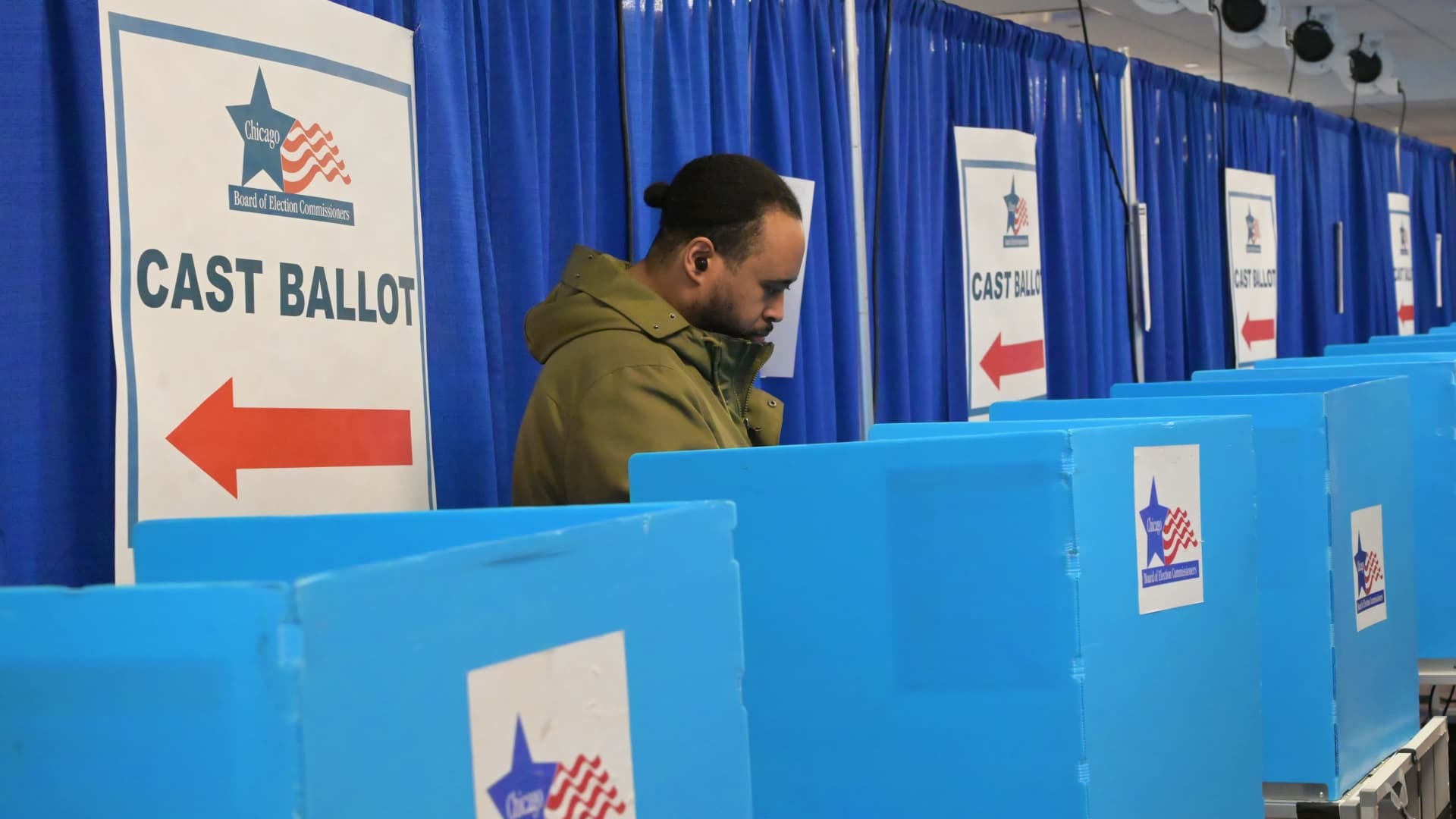
Illinois Primary Election Highlights Voter Trends

- Wisconsin Supreme Court Election: Democratic-backed Appeals Court Judge Chris Taylor secured a 20-point victory over conservative candidate Maria Lazar, solidifying a 5-2 liberal majority on the Wisconsin Supreme Court, indicating strong Democratic performance in key elections.
- Georgia Special Election Outcome: Republican Clayton Fuller won a special election for a House seat vacated by former GOP Rep. Marjorie Taylor Greene with a 12-point margin, although this victory does not fully compensate for the Democrats' strong showing in the district.
- Election Impact Analysis: The results pose significant pressure on Trump and the Republicans ahead of the 2026 midterm elections, potentially shifting the balance of power in Washington, especially given the narrow Republican majority in the House.
- Voter Trends: The Illinois primary election highlights voter preferences for major candidates, reflecting potential dynamics for the upcoming November general election, particularly regarding Senate and state legislature nominations.
See More
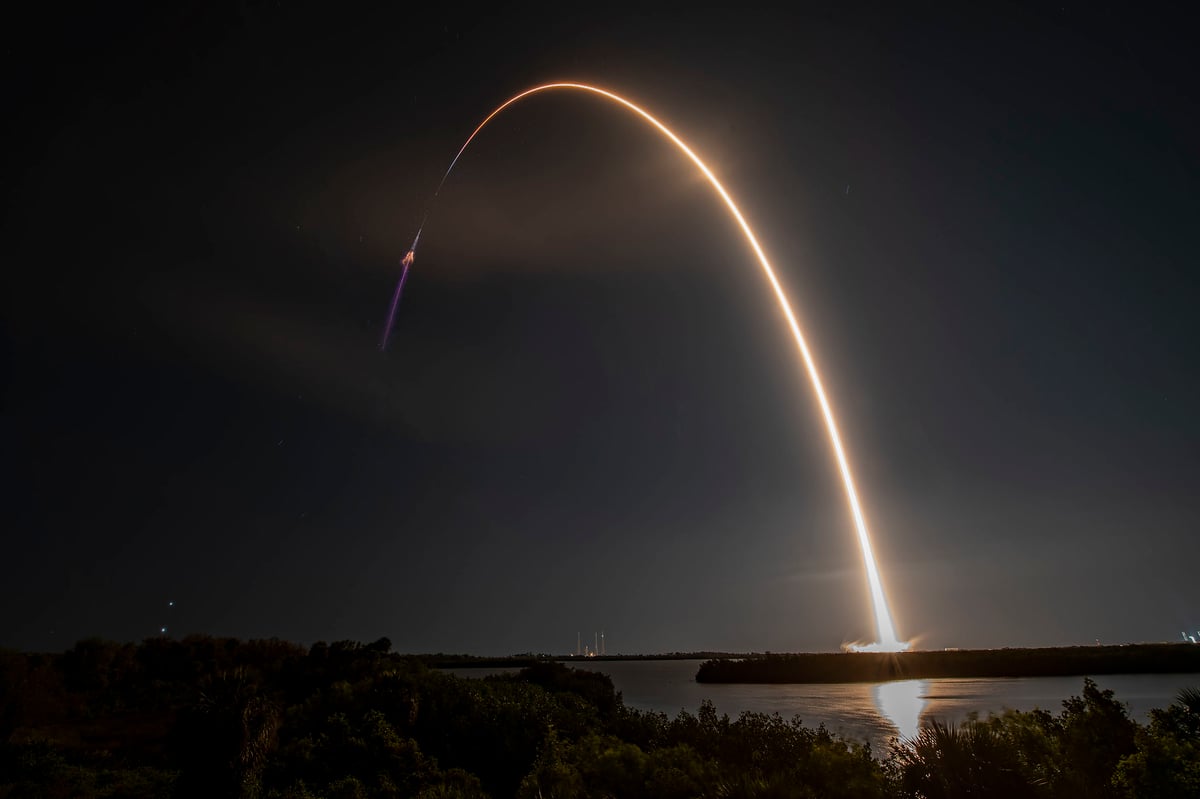
SpaceX Prepares for IPO, Valuation Could Reach $2 Trillion
- Massive IPO Potential: SpaceX is gearing up for an IPO with a potential valuation of up to $2 trillion, although CEO Elon Musk has pushed back on this figure, as the current valuation stands at $1.25 trillion, indicating strong market expectations for future growth.
- Significant Revenue Growth: The company is projected to generate $15 billion to $16 billion in revenue by 2025, up from $13.1 billion in 2024, with an EBITDA of around $8 billion; however, the high valuation introduces substantial risk.
- Market Competition Pressure: At a $2 trillion valuation, SpaceX would have a price-to-sales ratio of approximately 130, significantly higher than any S&P 500 company, suggesting that market expectations for its future performance are already excessively high, leading to considerable downside risk.
- Musk's Risk Factors: While Musk is known for his visionary leadership, his tendency to overpromise and shift focus away from unmet expectations diminishes investor trust in SpaceX, potentially impacting the IPO's market performance.
See More

EV Stocks Poised to Lead Autonomous Driving Revolution

- Market Potential: Experts predict that by 2030, a large-scale rollout of robotaxis will occur globally, marking the first commercial application for L4 autonomy, highlighting the critical role of the EV sector in future mobility.
- Rivian's New Launch: Rivian plans to begin shipping its R2 SUV this month, priced under $50,000, catering to about 70% of prospective buyers, which is expected to drive sales growth in 2026 and 2027, enhancing its market competitiveness.
- Tesla's Growth Opportunities: Despite Tesla's high stock valuation, its potential in fully autonomous vehicles and the robotaxi market is significant, with a projected global fleet of 3 million robotaxis by 2035, potentially worth $10 trillion.
- AI Investment Strategy: Rivian's heavy investment in artificial intelligence, while delaying its profitability timeline, positions the company favorably in the race for fully autonomous technology, reflecting its commitment to future market leadership.
See More

Robotic Taxi Market Expected to Surge by 2030
- Robotic Taxi Outlook: A McKinsey report indicates that by 2030, robotic taxis are expected to be widely deployed in the U.S. and other major countries, marking the first commercial application of Level 4 autonomy, which could transform mobility.
- Rivian's Market Opportunity: Rivian plans to begin shipping its R2 SUV this month, priced under $50,000, catering to approximately 70% of prospective buyers, with anticipated sales surges in 2026 and 2027, presenting a buying opportunity for investors at lower prices.
- Tesla's AI Edge: Despite Tesla's high stock price, its significant investments in full self-driving technology present substantial growth potential, as studies show consumers are willing to pay twice as much for self-driving features compared to other safety enhancements, which could boost Tesla's sales growth.
- Robotaxi Market Value: Boston Consulting Group predicts a global fleet of up to 3 million robotaxis by 2035, with a potential market value of $10 trillion, positioning Tesla to leverage its financial strength and manufacturing capabilities to dominate this competitive landscape.
See More

Stocks Surge on U.S.-Iran Ceasefire Agreement, Fundstrat Predicts Record Highs


- Market Rebound Signal: Following the U.S.-Iran ceasefire agreement, stocks surged with the S&P 500 projected to reach 7,300 by year-end, indicating a 7.6% increase and reflecting optimistic market sentiment.
- Historic Dow Surge: The Dow Jones Industrial Average jumped over 1,300 points in a single day, marking its best performance since April 2025, which enhances investor confidence in economic recovery.
- Significant Oil Price Drop: West Texas Intermediate crude futures plummeted more than 16%, the largest decline since April 2020, alleviating inflation concerns and further propelling stock market gains.
- Leading Sector Expectations: Fundstrat's Tom Lee highlighted that several sectors, particularly the
See More

OpenAI Plans to Reserve Shares for Retail Investors in IPO

- IPO Outlook: CFO Sarah Friar announced that OpenAI will reserve a portion of shares for retail investors during its IPO, emphasizing the importance of public participation to enhance consumer trust and broaden its investor base.
- Enterprise Revenue Growth: Currently, enterprise accounts for 40% of OpenAI's revenue and is projected to reach parity with consumer revenue by the end of 2026, which will further drive overall revenue growth and market competitiveness.
- Successful Fundraising: In its recent funding round, OpenAI raised $3 billion through private placements with banks like JP Morgan, Morgan Stanley, and Goldman Sachs, tripling its initial target, reflecting strong market confidence in its business model.
- Investment in Compute Power: OpenAI plans to invest $600 billion over the next five years in semiconductors and data centers to enhance its computing capabilities, viewed as a key asset for gaining competitive advantage, expected to drive revenue and cash flow growth.
See More
Illinois Primary Election Highlights Voter Trends
- Wisconsin Supreme Court Election: Democratic-backed Appeals Court Judge Chris Taylor secured a 20-point victory over conservative candidate Maria Lazar, solidifying a 5-2 liberal majority on the Wisconsin Supreme Court, indicating strong Democratic performance in key elections.
- Georgia Special Election Outcome: Republican Clayton Fuller won a special election for a House seat vacated by former GOP Rep. Marjorie Taylor Greene with a 12-point margin, although this victory does not fully compensate for the Democrats' strong showing in the district.
- Election Impact Analysis: The results pose significant pressure on Trump and the Republicans ahead of the 2026 midterm elections, potentially shifting the balance of power in Washington, especially given the narrow Republican majority in the House.
- Voter Trends: The Illinois primary election highlights voter preferences for major candidates, reflecting potential dynamics for the upcoming November general election, particularly regarding Senate and state legislature nominations.
See More
SpaceX Prepares for IPO, Valuation Could Reach $2 Trillion
- Massive IPO Potential: SpaceX is gearing up for an IPO with a potential valuation of up to $2 trillion, although CEO Elon Musk has pushed back on this figure, as the current valuation stands at $1.25 trillion, indicating strong market expectations for future growth.
- Significant Revenue Growth: The company is projected to generate $15 billion to $16 billion in revenue by 2025, up from $13.1 billion in 2024, with an EBITDA of around $8 billion; however, the high valuation introduces substantial risk.
- Market Competition Pressure: At a $2 trillion valuation, SpaceX would have a price-to-sales ratio of approximately 130, significantly higher than any S&P 500 company, suggesting that market expectations for its future performance are already excessively high, leading to considerable downside risk.
- Musk's Risk Factors: While Musk is known for his visionary leadership, his tendency to overpromise and shift focus away from unmet expectations diminishes investor trust in SpaceX, potentially impacting the IPO's market performance.
See More
EV Stocks Poised to Lead Autonomous Driving Revolution
- Market Potential: Experts predict that by 2030, a large-scale rollout of robotaxis will occur globally, marking the first commercial application for L4 autonomy, highlighting the critical role of the EV sector in future mobility.
- Rivian's New Launch: Rivian plans to begin shipping its R2 SUV this month, priced under $50,000, catering to about 70% of prospective buyers, which is expected to drive sales growth in 2026 and 2027, enhancing its market competitiveness.
- Tesla's Growth Opportunities: Despite Tesla's high stock valuation, its potential in fully autonomous vehicles and the robotaxi market is significant, with a projected global fleet of 3 million robotaxis by 2035, potentially worth $10 trillion.
- AI Investment Strategy: Rivian's heavy investment in artificial intelligence, while delaying its profitability timeline, positions the company favorably in the race for fully autonomous technology, reflecting its commitment to future market leadership.
See More
Robotic Taxi Market Expected to Surge by 2030
- Robotic Taxi Outlook: A McKinsey report indicates that by 2030, robotic taxis are expected to be widely deployed in the U.S. and other major countries, marking the first commercial application of Level 4 autonomy, which could transform mobility.
- Rivian's Market Opportunity: Rivian plans to begin shipping its R2 SUV this month, priced under $50,000, catering to approximately 70% of prospective buyers, with anticipated sales surges in 2026 and 2027, presenting a buying opportunity for investors at lower prices.
- Tesla's AI Edge: Despite Tesla's high stock price, its significant investments in full self-driving technology present substantial growth potential, as studies show consumers are willing to pay twice as much for self-driving features compared to other safety enhancements, which could boost Tesla's sales growth.
- Robotaxi Market Value: Boston Consulting Group predicts a global fleet of up to 3 million robotaxis by 2035, with a potential market value of $10 trillion, positioning Tesla to leverage its financial strength and manufacturing capabilities to dominate this competitive landscape.
See More
Stocks Surge on U.S.-Iran Ceasefire Agreement, Fundstrat Predicts Record Highs
- Market Rebound Signal: Following the U.S.-Iran ceasefire agreement, stocks surged with the S&P 500 projected to reach 7,300 by year-end, indicating a 7.6% increase and reflecting optimistic market sentiment.
- Historic Dow Surge: The Dow Jones Industrial Average jumped over 1,300 points in a single day, marking its best performance since April 2025, which enhances investor confidence in economic recovery.
- Significant Oil Price Drop: West Texas Intermediate crude futures plummeted more than 16%, the largest decline since April 2020, alleviating inflation concerns and further propelling stock market gains.
- Leading Sector Expectations: Fundstrat's Tom Lee highlighted that several sectors, particularly the
See More
OpenAI Plans to Reserve Shares for Retail Investors in IPO
- IPO Outlook: CFO Sarah Friar announced that OpenAI will reserve a portion of shares for retail investors during its IPO, emphasizing the importance of public participation to enhance consumer trust and broaden its investor base.
- Enterprise Revenue Growth: Currently, enterprise accounts for 40% of OpenAI's revenue and is projected to reach parity with consumer revenue by the end of 2026, which will further drive overall revenue growth and market competitiveness.
- Successful Fundraising: In its recent funding round, OpenAI raised $3 billion through private placements with banks like JP Morgan, Morgan Stanley, and Goldman Sachs, tripling its initial target, reflecting strong market confidence in its business model.
- Investment in Compute Power: OpenAI plans to invest $600 billion over the next five years in semiconductors and data centers to enhance its computing capabilities, viewed as a key asset for gaining competitive advantage, expected to drive revenue and cash flow growth.
See More