Software Sector Faces Pressure from AI Transition
Written by Emily J. Thompson, Senior Investment Analyst
Updated: 4 days ago
0mins

Should l Buy MSFT?
Source: NASDAQ.COM
- Market Panic Intensifies: The software sector has experienced a significant pullback this week, with shares of Salesforce and ServiceNow dropping approximately 6% and 3% on Tuesday, respectively, reflecting investor concerns over new automation tools potentially replacing traditional software licensing models, leading to widespread market panic.
- Surge in AI Feature Demand: While Salesforce's AI-driven platform Agentforce saw a staggering 169% year-over-year increase in annual recurring revenue to $800 million in fiscal Q4, AI features still represent a very small fraction of overall revenue, indicating pressure on profitability during this transition phase.
- Rising Cost Risks: As enterprise customers continue to demand AI features, the infrastructure costs required to support these features may rise rapidly; Meta's situation illustrates that even with revenue growth, operating margins can be compressed due to escalating costs, highlighting the profitability challenges faced across the industry.
- Implementation Challenges Emerge: Companies deploying AI agents may encounter prolonged learning and integration curves; while marketing pitches sound appealing, practical implementation requires extensive training and data orchestration, and if early adopters face significant issues, the sales cycle for these premium AI add-ons will inevitably slow down, further intensifying competitive pressures for software providers.
Trade with 70% Backtested Accuracy
Stop guessing "Should I Buy MSFT?" and start using high-conviction signals backed by rigorous historical data.
Sign up today to access powerful investing tools and make smarter, data-driven decisions.
Analyst Views on MSFT
Wall Street analysts forecast MSFT stock price to rise
34 Analyst Rating
32 Buy
2 Hold
0 Sell
Strong Buy
Current: 365.970

Low
500.00
Averages
631.36
High
678.00
Current: 365.970
Low
500.00
Averages
631.36
High
678.00
About MSFT
Microsoft Corporation is a technology company that develops and supports software, services, devices, and solutions. Its Productivity and Business Processes segment consists of products and services in its portfolio of productivity, communication, and information services, spanning a variety of devices and platforms. It comprises Microsoft 365 Commercial products and cloud services; Microsoft 365 Consumer products and cloud services; LinkedIn, and Dynamics products and cloud services. The Intelligent Cloud segment consists of its public, private, and hybrid server products and cloud services. It comprises server products and cloud services, including Azure, and enterprise and partner services, including Enterprise Support Services. Its More Personal Computing segment primarily comprises Windows and Devices, including Windows OEM licensing; Gaming, including Xbox hardware and Xbox content; Search and news advertising, comprising Bing and Copilot, Microsoft News, and Microsoft Edge.
About the author

Emily J. Thompson
Emily J. Thompson, a Chartered Financial Analyst (CFA) with 12 years in investment research, graduated with honors from the Wharton School. Specializing in industrial and technology stocks, she provides in-depth analysis for Intellectia’s earnings and market brief reports.
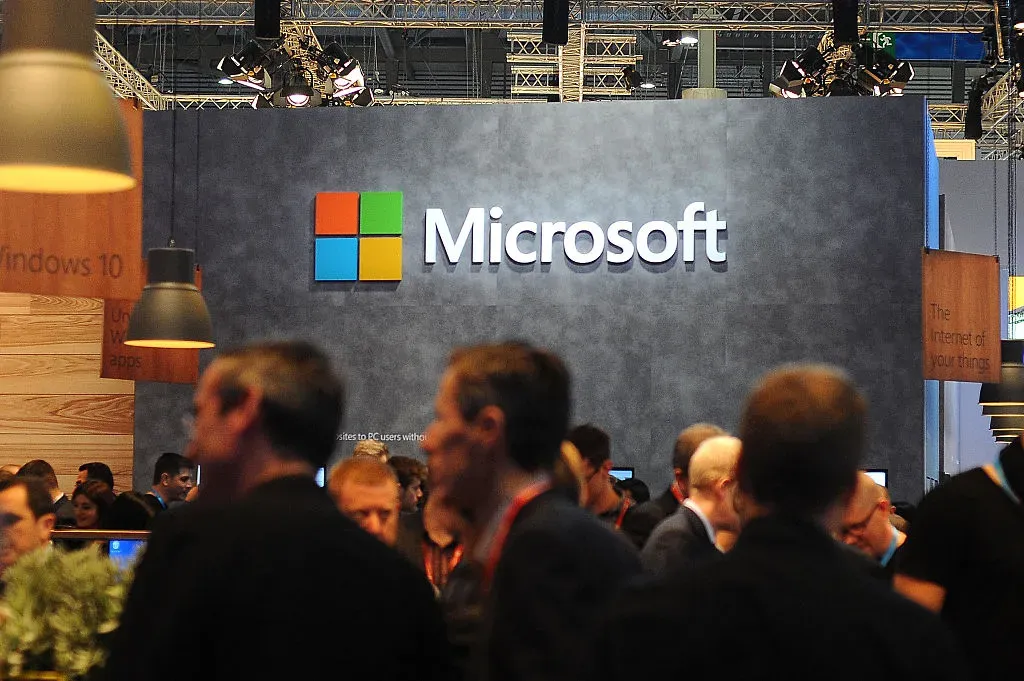
Microsoft Faces Worst Quarterly Performance Since 2008 Financial Crisis

- Poor Market Performance: Microsoft is on track for its worst quarterly performance since the 2008 financial crisis, with expectations of a sixth consecutive monthly decline, reflecting overall weakness in the tech sector as investors rotate into defensive industries.
- Investor Sentiment Rebounds: Despite challenges, sentiment for Microsoft on Stocktwits surged to ‘extremely bullish’ last week, with message volume increasing by 75%, indicating retail investors' confidence in its future performance, particularly in the AI and cloud computing sectors.
- Analyst Ratings Optimistic: Bank of America reinstated coverage on Microsoft with a ‘Buy’ rating and a $500 price target, about 40% above the current level, citing its leading position in AI cloud and enterprise software markets as a driver for sustained mid-double-digit growth.
- Valuation Attractiveness Increases: Microsoft's 12-month forward P/E ratio has fallen to its lowest level in nearly a decade, with an RSI of 22.26 indicating oversold conditions that may signal a rebound opportunity, although skepticism about its future remains prevalent in the market.
See More

Shift in Investor Sentiment Towards AI Stocks


- Surging AI Revenue: Broadcom's AI revenue exceeded $8.4 billion in the recent quarter, marking over 100% year-over-year growth, with expectations to surpass $10 billion this quarter, indicating strong customer demand for networking equipment and custom chips, thereby enhancing the company's growth potential in the AI market.
- Successful Multi-Cloud Strategy: Oracle achieved over 500% growth in multi-cloud database revenue, reflecting a rapid increase in demand for its cloud infrastructure, while its remaining performance obligations (RPO) jumped over 300% to $553 billion, showcasing the company's strong market position as businesses transition to AI applications.
- Competitive Landscape: Broadcom has successfully avoided direct competition with market leader Nvidia by offering XPUs designed for specific tasks, a differentiation strategy that has allowed it to carve out a niche in the AI accelerator market, further solidifying its market position.
- Valuation Appeal: While Broadcom is expected to grow revenue by 65% this year, Oracle's stock is trading near its lowest relative to forward earnings estimates in nearly two years, presenting an attractive investment opportunity for value-seeking investors, despite Broadcom's higher growth rate.
See More

Brookfield Renewable Corporation's Growth Outlook Remains Strong

- Historic Deal: Brookfield Renewable Corporation has secured the largest renewable energy agreement in history with Microsoft, totaling 10.5 gigawatts, expected to commence deliveries in 2024, significantly enhancing the company's market position and revenue potential.
- Growing Power Demand: With the surge in electricity demand from AI data centers, Brookfield's current capacity exceeds 47 gigawatts, with an additional 227.4 gigawatts in its development pipeline, showcasing the company's strong competitive edge in the clean energy sector.
- Dividend Growth: The company recently announced a 5% increase in its distribution and expects to continue growing it by 5% to 9% annually, which will bolster investor confidence and attract more long-term investors.
- Debt Management: Despite potential interest rate hike risks, Brookfield's average debt maturity exceeds 10 years, with most being fixed-rate, which will mitigate the impact of short-term interest rate fluctuations on the company.
See More

Broadcom and Oracle's AI Growth Potential
- Broadcom's AI Revenue Surge: In the recent quarter, Broadcom's AI revenue exceeded $8.4 billion, marking a more than 100% year-over-year increase and surpassing company forecasts, with expectations to exceed $10 billion in the current quarter, indicating strong customer demand for networking equipment and custom chips, thereby solidifying its position in the AI market.
- Oracle's Multi-Cloud Database Growth: Oracle's multi-cloud database revenue soared over 500% in the recent quarter, reflecting strong customer demand for its cloud services, while remaining performance obligations (RPO) jumped over 300% to $553 billion, signaling robust future revenue growth potential.
- Competitive Advantage: Broadcom's XPUs are designed for specific tasks, avoiding direct competition with market leader Nvidia, and this differentiation strategy has allowed it to carve out a niche in the AI accelerator market, driving sustained growth for the company.
- Valuation Appeal: While Broadcom is expected to see a 65% revenue increase this year, Oracle's stock appears undervalued, presenting an attractive buying opportunity for investors, particularly those seeking value investments, making Oracle a compelling choice in the current market.
See More

Vanguard ETFs Shine Amid Market Turbulence


- Safe Haven: The Vanguard Short-Term Inflation-Protected Securities ETF (VTIP) focuses on short-term U.S. Treasury bonds, delivering only a 3.15% return over the past decade, yet it protects capital during market downturns, ensuring investors' purchasing power remains intact against inflation.
- Consumer Staples ETF Outperformance: The Vanguard Consumer Staples ETF (VDC), holding 104 consumer staples stocks, only fell 4% during the 2022 bear market, significantly outperforming the S&P 500's 19% drop and the Nasdaq's 33%, demonstrating its resilience amid economic uncertainty.
- Attractiveness of High-Quality Dividend Stocks: The Vanguard Dividend Appreciation ETF (VIG) tracks the S&P U.S. Dividend Growers Index and currently holds 338 stocks; while it is not immune to market sell-offs, it has historically outperformed the S&P 500 during downturns, with an annual expense ratio of just 0.04%.
- Cost Efficiency Advantage: The Vanguard Consumer Staples ETF boasts an annual expense ratio of 0.09%, significantly lower than the average 0.73% for similar funds, making it a preferred choice for investors seeking cost-effective options during turbulent times.
See More
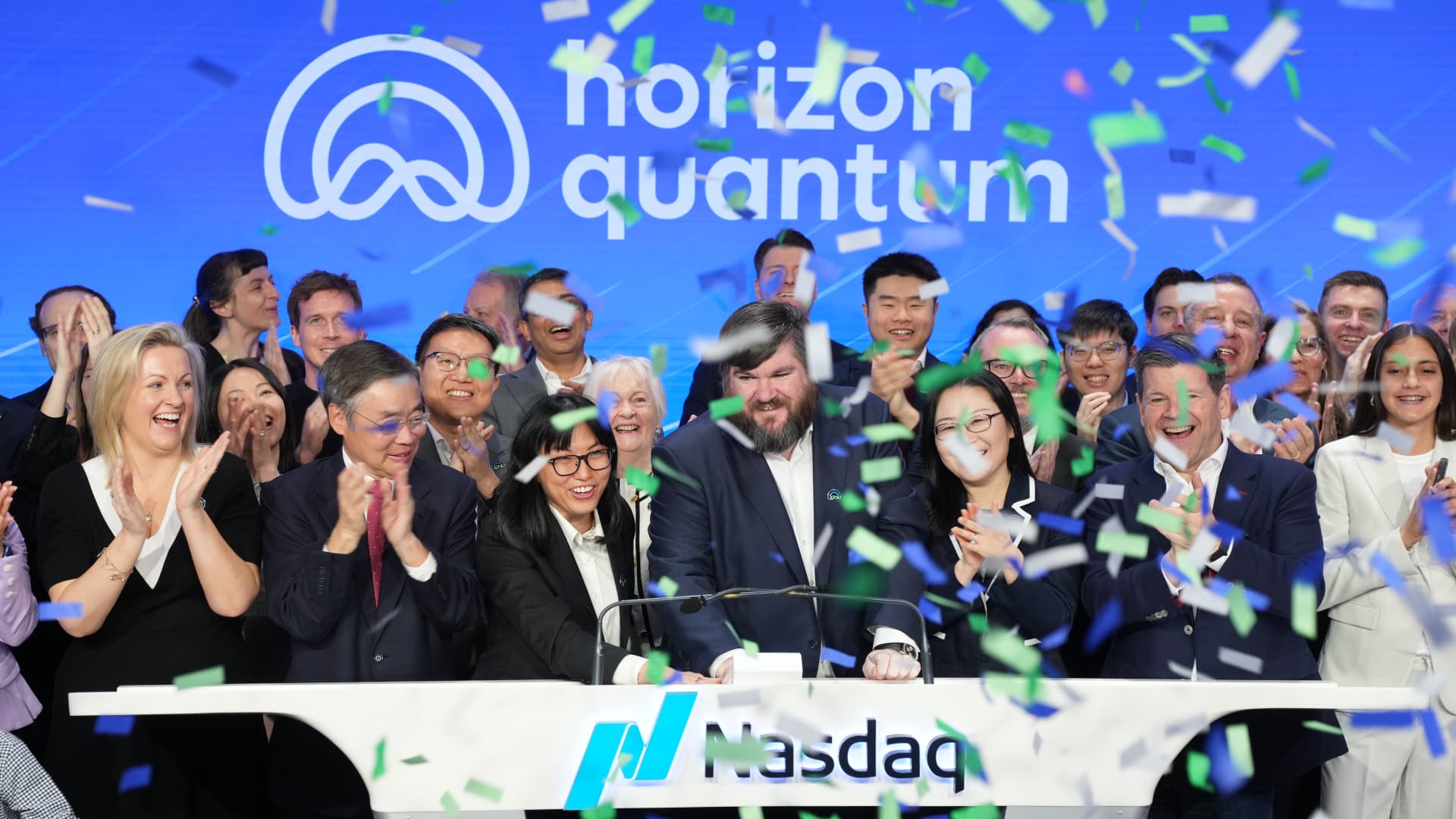
Xanadu Quantum Successfully Goes Public Amid Market Turbulence


- IPO Performance: Xanadu Quantum's shares rose 15% on their debut on Nasdaq and the Toronto Stock Exchange, although they fell over 10% in after-hours trading, indicating a mix of market interest and caution towards quantum computing firms.
- SPAC Merger: Xanadu went public through a merger with the special purpose acquisition company Crane Harbor Acquisition, a method that provides a quicker financing route for quantum startups, reflecting growing market confidence in quantum technology.
- Industry Breakthroughs: Significant advancements in quantum computing over the past 18 months, including improvements in quantum error correction and increased qubit counts, lay the groundwork for commercial applications, with expectations for larger-scale quantum computing capabilities by the mid-2030s.
- Market Potential: The quantum computing market is estimated to be worth between $100 billion and $250 billion, attracting investments from tech giants like Alphabet and Microsoft, indicating a positive long-term outlook from investors in this sector.
See More
Microsoft Faces Worst Quarterly Performance Since 2008 Financial Crisis
- Poor Market Performance: Microsoft is on track for its worst quarterly performance since the 2008 financial crisis, with expectations of a sixth consecutive monthly decline, reflecting overall weakness in the tech sector as investors rotate into defensive industries.
- Investor Sentiment Rebounds: Despite challenges, sentiment for Microsoft on Stocktwits surged to ‘extremely bullish’ last week, with message volume increasing by 75%, indicating retail investors' confidence in its future performance, particularly in the AI and cloud computing sectors.
- Analyst Ratings Optimistic: Bank of America reinstated coverage on Microsoft with a ‘Buy’ rating and a $500 price target, about 40% above the current level, citing its leading position in AI cloud and enterprise software markets as a driver for sustained mid-double-digit growth.
- Valuation Attractiveness Increases: Microsoft's 12-month forward P/E ratio has fallen to its lowest level in nearly a decade, with an RSI of 22.26 indicating oversold conditions that may signal a rebound opportunity, although skepticism about its future remains prevalent in the market.
See More
Shift in Investor Sentiment Towards AI Stocks
- Surging AI Revenue: Broadcom's AI revenue exceeded $8.4 billion in the recent quarter, marking over 100% year-over-year growth, with expectations to surpass $10 billion this quarter, indicating strong customer demand for networking equipment and custom chips, thereby enhancing the company's growth potential in the AI market.
- Successful Multi-Cloud Strategy: Oracle achieved over 500% growth in multi-cloud database revenue, reflecting a rapid increase in demand for its cloud infrastructure, while its remaining performance obligations (RPO) jumped over 300% to $553 billion, showcasing the company's strong market position as businesses transition to AI applications.
- Competitive Landscape: Broadcom has successfully avoided direct competition with market leader Nvidia by offering XPUs designed for specific tasks, a differentiation strategy that has allowed it to carve out a niche in the AI accelerator market, further solidifying its market position.
- Valuation Appeal: While Broadcom is expected to grow revenue by 65% this year, Oracle's stock is trading near its lowest relative to forward earnings estimates in nearly two years, presenting an attractive investment opportunity for value-seeking investors, despite Broadcom's higher growth rate.
See More
Brookfield Renewable Corporation's Growth Outlook Remains Strong
- Historic Deal: Brookfield Renewable Corporation has secured the largest renewable energy agreement in history with Microsoft, totaling 10.5 gigawatts, expected to commence deliveries in 2024, significantly enhancing the company's market position and revenue potential.
- Growing Power Demand: With the surge in electricity demand from AI data centers, Brookfield's current capacity exceeds 47 gigawatts, with an additional 227.4 gigawatts in its development pipeline, showcasing the company's strong competitive edge in the clean energy sector.
- Dividend Growth: The company recently announced a 5% increase in its distribution and expects to continue growing it by 5% to 9% annually, which will bolster investor confidence and attract more long-term investors.
- Debt Management: Despite potential interest rate hike risks, Brookfield's average debt maturity exceeds 10 years, with most being fixed-rate, which will mitigate the impact of short-term interest rate fluctuations on the company.
See More
Broadcom and Oracle's AI Growth Potential
- Broadcom's AI Revenue Surge: In the recent quarter, Broadcom's AI revenue exceeded $8.4 billion, marking a more than 100% year-over-year increase and surpassing company forecasts, with expectations to exceed $10 billion in the current quarter, indicating strong customer demand for networking equipment and custom chips, thereby solidifying its position in the AI market.
- Oracle's Multi-Cloud Database Growth: Oracle's multi-cloud database revenue soared over 500% in the recent quarter, reflecting strong customer demand for its cloud services, while remaining performance obligations (RPO) jumped over 300% to $553 billion, signaling robust future revenue growth potential.
- Competitive Advantage: Broadcom's XPUs are designed for specific tasks, avoiding direct competition with market leader Nvidia, and this differentiation strategy has allowed it to carve out a niche in the AI accelerator market, driving sustained growth for the company.
- Valuation Appeal: While Broadcom is expected to see a 65% revenue increase this year, Oracle's stock appears undervalued, presenting an attractive buying opportunity for investors, particularly those seeking value investments, making Oracle a compelling choice in the current market.
See More
Vanguard ETFs Shine Amid Market Turbulence
- Safe Haven: The Vanguard Short-Term Inflation-Protected Securities ETF (VTIP) focuses on short-term U.S. Treasury bonds, delivering only a 3.15% return over the past decade, yet it protects capital during market downturns, ensuring investors' purchasing power remains intact against inflation.
- Consumer Staples ETF Outperformance: The Vanguard Consumer Staples ETF (VDC), holding 104 consumer staples stocks, only fell 4% during the 2022 bear market, significantly outperforming the S&P 500's 19% drop and the Nasdaq's 33%, demonstrating its resilience amid economic uncertainty.
- Attractiveness of High-Quality Dividend Stocks: The Vanguard Dividend Appreciation ETF (VIG) tracks the S&P U.S. Dividend Growers Index and currently holds 338 stocks; while it is not immune to market sell-offs, it has historically outperformed the S&P 500 during downturns, with an annual expense ratio of just 0.04%.
- Cost Efficiency Advantage: The Vanguard Consumer Staples ETF boasts an annual expense ratio of 0.09%, significantly lower than the average 0.73% for similar funds, making it a preferred choice for investors seeking cost-effective options during turbulent times.
See More
Xanadu Quantum Successfully Goes Public Amid Market Turbulence
- IPO Performance: Xanadu Quantum's shares rose 15% on their debut on Nasdaq and the Toronto Stock Exchange, although they fell over 10% in after-hours trading, indicating a mix of market interest and caution towards quantum computing firms.
- SPAC Merger: Xanadu went public through a merger with the special purpose acquisition company Crane Harbor Acquisition, a method that provides a quicker financing route for quantum startups, reflecting growing market confidence in quantum technology.
- Industry Breakthroughs: Significant advancements in quantum computing over the past 18 months, including improvements in quantum error correction and increased qubit counts, lay the groundwork for commercial applications, with expectations for larger-scale quantum computing capabilities by the mid-2030s.
- Market Potential: The quantum computing market is estimated to be worth between $100 billion and $250 billion, attracting investments from tech giants like Alphabet and Microsoft, indicating a positive long-term outlook from investors in this sector.
See More